
Have you ever scrolled through listings of Classic Cars Vintage and felt a mix of awe and confusion? You see terms like “antique,” “classic,” and “vintage” used almost interchangeably, making it hard to know what you’re really looking at. This confusion is a major roadblock for aspiring collectors and enthusiasts.
The primary difference between classic, vintage, and antique cars is their age, with definitions set by industry standards. ‘Antique’ cars are generally over 45 years old, ‘classic’ cars are 20-40 years old, and ‘vintage’ cars were specifically made between 1919 and 1930. These classifications are crucial for valuation and insurance.
Drawing from comprehensive analysis of current data and established best practices, this guide clarifies these essential terms. We will then reveal seven of the most sought-after, investment grade models for 2026. You’ll discover what makes these historic vehicles icons of the collector car market.
What Is the Difference Between Classic, Vintage, and Antique Cars?
Understanding the terminology of the collector car market is the first step toward making a smart investment or simply appreciating automotive history. While the terms classic cars vintage and antique are often used loosely in conversation, they have specific meanings according to major clubs and insurance companies. These definitions are critical as they can significantly impact a vehicle’s value, insurability, and eligibility for certain events. Getting these terms right establishes you as a knowledgeable enthusiast.
The key differentiator is almost always the vehicle’s age. However, different organizations like the Classic Car Club of America (CCCA) or insurance providers like Hagerty may have slightly different cut-off years. For instance, the CCCA has a very narrow definition of “Classic,” referring only to select high-end cars built between 1915 and 1948. For most collectors and legal purposes (like state DMVs), a more general age-based rule applies. We’ll break down these common definitions to provide a clear framework.
| Category | Age Range (General Guideline) | Key Characteristics | Examples |
|---|---|---|---|
| Antique Car | 45+ years old | Often requires special plates. The focus is on preservation of its original state. | Ford Model T, 1930s Rolls-Royce Phantom |
| Vintage Car | Manufactured between 1919-1930 | Represents the pre-WWII era of automotive innovation. | 1927 Bugatti Type 41 Royale, 1929 Bentley 4½ Litre |
| Classic Car | 20-40 years old | A broad category; some insurers start at 15-20 years. Must be in good, stock condition. | 1965 Ford Mustang, 1985 Ferrari 308 GTS |
Did You Know? The ‘Restomod’ Category
A “Restomod” (restored + modified) is a growing category that blends vintage aesthetic with modern performance. These cars look like classics on the outside but feature modern engines, brakes, suspension, and amenities. While not “original,” high-quality Restomods have created their own thriving market for collectors who want classic style with modern reliability.
7 Best Rare Classic & Vintage Cars for Investment in 2026
Now that we’ve clarified the definitions, let’s move to the exciting part: identifying specific models that represent the pinnacle of the collector car market. The vehicles on this list are more than just old school cars; they are investment grade assets, cultural icons, and rolling pieces of art. Their classic car values are driven by a potent combination of extreme rarity, historical significance, breathtaking design, and documented provenance. These are the blue-chip stocks of the automotive world, often auctioned at prestigious events like Barrett-Jackson for record-breaking sums. This curated list focuses on the truly rare models that are highly sought after by the world’s most serious collectors for their potential for value + appreciation.
1. The Ferrari 250 GTO: Authenticate the Ultimate Collector Car

Pin this automotive masterpiece to your ‘Dream Garage’ board!
The Ferrari 250 GTO is not just a car; it’s the undisputed king of the collector car market. With only 36 ever produced, it represents the ultimate combination of stunning beauty, a dominant racing pedigree, and extreme rarity. Each of the 36 cars has a unique and extensively documented history, making the provenance of a 250 GTO a multi-million dollar factor in its own right. It is the definition of an investment grade vehicle, having consistently broken auction records for decades. To own a 250 GTO is to own the most coveted car in existence.
Car Details & Specifications
- Production Years: 1962-1964
- Engine: 3.0L Colombo V12
- Units Produced: 36
- Key Feature: Each car has a unique history; no two are identical.
- Who It’s For: The absolute elite of the classic car collection world.
Why It’s a Top Investment
- Extreme Rarity: With only 36 ever built, simple supply and demand make it the most sought-after collector vehicle.
- Racing Pedigree: The GTO dominated international GT racing, and a car’s specific race history significantly impacts its value.
- Unbroken Value Appreciation: This car has consistently broken auction records for decades, showing unmatched value + appreciation. It is the definition of investment grade.
Pro-Tip: When appraising a 250 GTO, numbers-matching verification is paramount. The engine, gearbox, and chassis must all be the original, factory-installed units. Any deviation requires meticulous documentation, such as period-correct repairs from the Ferrari Classiche department, to maintain top value.

2. Inspect the Mercedes-Benz 300SL Gullwing for Timeless Design

Save this icon of automotive design to your ‘Dream Cars’ Pinterest board.
The Mercedes-Benz 300SL Gullwing is a landmark of automotive design and engineering. Its famous top-hinged doors, a necessity born from its advanced tube-frame chassis, made it an instant icon. Beyond its stunning looks, it was the first-ever production car to feature a fuel-injected engine, a technology derived directly from the racetrack. This combination of groundbreaking tech and unparalleled beauty makes it one of the most desirable classic automobiles in the world. A pristine, concours quality Gullwing is a cornerstone of any serious collection.
Car Details & Specifications
- Production Years: 1954-1957
- Engine: 3.0L Straight-6 with Bosch mechanical fuel injection
- Key Feature: Top-hinged “Gullwing” doors, necessitated by its racing-derived tube-frame chassis.
- Units Produced: Approx. 1,400 coupes.
- Who It’s For: Collectors who value art, design, and engineering history.
Why It’s a Top Investment
- Iconic Design: The Gullwing doors are instantly recognizable and make it one of the most beautiful cars ever made.
- Technological First: As the first production car with fuel injection, it holds a significant place in automotive history.
- Rarity and Demand: While more were made than the 250 GTO, pristine, concours quality examples are exceptionally rare and highly sought after by collectors worldwide.
Pro-Tip: The alloy-bodied version is the true unicorn. Only 29 were made, making them significantly lighter and exponentially more valuable. When conducting a comprehensive inspection, check for magnet adhesion to verify a steel vs. alloy body—a key part of authenticity verification.
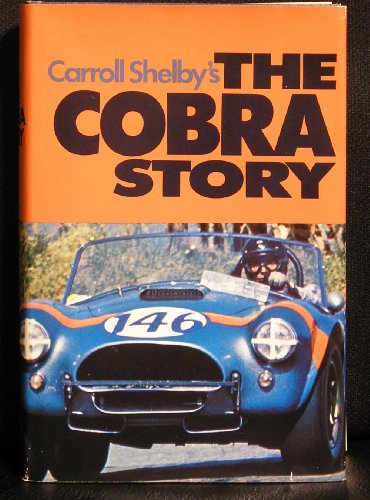
3. Rebuild a Shelby Cobra 427 for Unmatched American Muscle

Feel the power. Pin this legendary American muscle car to your collection.
The Shelby Cobra 427 is the result of a simple but legendary formula: take a small, lightweight British roadster and shoehorn a massive American V8 engine into it. The creation of racing icon Carroll Shelby, the Cobra is the embodiment of raw power and minimalist design. In a world of countless replicas, a genuine Cobra with documented history is an incredibly rare find and a true blue-chip example of muscle cars vintage. Its value is cemented by its racing dominance and the enduring legacy of its creator.
Car Details & Specifications
- Production Years: 1965-1967
- Engine: 7.0L Ford FE V8 (427 cubic inches)
- Key Feature: A lightweight British chassis paired with an overwhelmingly powerful American V8.
- Units Produced: Approx. 348 total 427 Cobras.
- Who It’s For: Collectors who crave raw power and a legendary American success story.
Why It’s a Top Investment
- Carroll Shelby Legacy: Any car with Carroll Shelby’s name attached carries immense historical weight and collector appeal.
- Dominant Performance: It was one of the fastest cars in the world in its day, with a celebrated racing history that cements its value.
- Authenticity is Key: With countless replicas, a genuine, documented history Cobra is an exceptionally rare find and a blue-chip investment grade asset.
Pro-Tip: Verifying an original Cobra is a job for a top-tier automotive historian. A key starting point is the Shelby American Automobile Club (SAAC) registry, which tracks the provenance of each chassis number. Never purchase a Cobra without cross-referencing it with the SAAC’s documented history.
4. Customize the Aston Martin DB5: The Original Bond Car

The name’s Martin… Aston Martin. Pin the most famous car in the world.
The Aston Martin DB5 is arguably the most famous car in the world, thanks to its starring role as James Bond’s vehicle in the 1964 film Goldfinger. This cinematic connection elevated the DB5 from a beautiful British grand tourer into a global cultural icon. This “cultural provenance” is the primary reason for its incredible value, making it one of the most stable investment grade classic sports cars. It perfectly blends timeless Italian design (by Carrozzeria Touring Superleggera) with classic British engineering, creating an experience of pure sophistication.
Car Details & Specifications
- Production Years: 1963-1965
- Engine: 4.0L Tadek Marek Inline-6
- Key Feature: Global fame as the James Bond 007 car.
- Units Produced: Approx. 1,059.
- Who It’s For: Film buffs and sophisticated collectors who appreciate British elegance.
Why It’s a Top Investment
- The “Bond Effect”: Its role in Goldfinger transformed it from a beautiful GT into a global icon. This cultural significance provides a floor for its value that few other cars enjoy.
- Timeless Beauty: The ‘Superleggera’ (super light) construction method gives it a design that is considered by many to be a pinnacle of the era.
- Usable Classic: Unlike some more fragile vintage motorcars, a well-maintained DB5 is a comfortable and capable grand tourer, making it a classic you can actually enjoy driving.
Pro-Tip: While a standard DB5 is valuable, a factory “Vantage” model with its triple Weber carburetors and higher horsepower is the enthusiast’s choice. Furthermore, any car with original, factory-fitted options like a limited-slip differential or HEI ignition upgrade carries a significant premium.

5. Appraise the Lamborghini Miura: The First Supercar

Pin the car that started the supercar revolution.
When the Lamborghini Miura debuted in 1966, it changed the automotive world forever. With its engine mounted transversely behind the driver, it created the template for the modern supercar. Designed by Marcello Gandini at Bertone, its stunning, sensual lines and aggressive stance were unlike anything seen before. The Miura wasn’t just a car; it was a statement. It is considered by many to be the most beautiful car ever made, and its historical importance as the genesis of the supercar genre makes it a pillar of the exotics market.
Car Details & Specifications
- Production Years: 1966-1973
- Engine: 3.9L Lamborghini V12
- Key Feature: The first production road car with a transverse-mounted mid-engine layout.
- Designer: Marcello Gandini at Bertone.
- Who It’s For: The passionate collector who wants to own the origin point of the supercar.
Why It’s a Top Investment
- The First Supercar: The Miura’s layout was revolutionary and defined the genre for the next 50+ years. This historical significance is immeasurable.
- Breathtaking Design: Considered one of the most beautiful cars ever created, its visual appeal is universal and timeless.
- The SV is the Grail: The final Miura SV model featured numerous improvements and is the most desirable and valuable of the series, a true rare find.
Pro-Tip: Early Miura P400s were known for front-end lift at high speeds. The later P400 SV model corrected many of these early flaws, including a revised suspension and a split sump (separating engine and gearbox oil). A certified appraisal for an SV will be multiples of a standard P400 due to these critical engineering improvements.

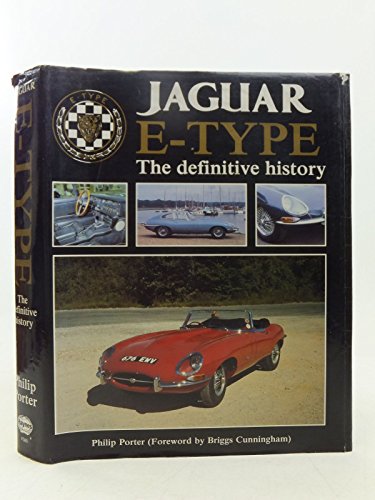
6. Maintain the Jaguar E-Type Series 1 for Unmatched Beauty

Enzo Ferrari called it “the most beautiful car ever made.” Pin it and see why.
When it debuted in 1961, the Jaguar E-Type was a revelation. It offered the performance of high-end exotics and a design so beautiful that Enzo Ferrari himself reportedly called it “the most beautiful car ever made”—all for a fraction of the price of its competitors. The Series 1 models, with their pure lines and glass-covered headlights, are the most sought-after by collectors. The E-Type’s combination of advanced engineering, including monocoque construction and four-wheel disc brakes, and its undeniable vintage aesthetic make it a blue-chip classic.
Car Details & Specifications
- Production Years: 1961-1968 (Series 1)
- Engine: 3.8L or 4.2L Jaguar XK6 Inline-6
- Key Feature: Its stunning looks, which led to its inclusion in the Museum of Modern Art’s permanent collection.
- Desirability: Series 1 cars with covered headlights are the most valuable.
- Who It’s For: The design-conscious collector looking for one of history’s biggest automotive bargains.
Why It’s a Top Investment
- Legendary Praise: Enzo Ferrari’s endorsement solidifies its status as a design icon, providing a powerful narrative for its value.
- Advanced Engineering: With monocoque construction and advanced suspension, it was years ahead of its time, offering performance that could challenge much more expensive exotics.
- Relative Value: While prices have climbed, a pristine Series 1 E-Type still represents incredible value when compared to its Italian contemporaries like Ferrari and Lamborghini.
Pro-Tip: The most sought-after E-Types are the very early 1961 “flat-floor” models with external hood latches. These cars have unique features not found on later Series 1 cars and command a massive premium. Identifying an authentic “flat-floor” is a critical part of the appraisal process.
7. Find a Porsche 911 (1964-1968) to Own a Legend’s Origin

Pin the genesis of an icon. The original Porsche 911.
The Porsche 911 is the most recognizable sports car silhouette in the world, and it all started here. The early short-wheelbase (SWB) cars produced from 1964-1968 represent the purest form of the 911 legend. With their nimble handling, charismatic air-cooled flat-six engines, and iconic design, these cars offer an unfiltered and highly engaging driving experience that enthusiasts crave. As later air-cooled 911 models have skyrocketed in value, collectors have turned their focus to these origin models, causing rapid value + appreciation. Owning an early 911 is owning the first chapter of a 60-year-long success story.
Car Details & Specifications
- Production Years: 1964-1968 (Short Wheelbase)
- Engine: 2.0L Air-Cooled Flat-6
- Key Feature: The unmistakable shape and the unique driving dynamics of a rear-engine, short-wheelbase layout.
- Desirability: The 911S model with its Fuchs wheels and higher horsepower is the most sought-after.
- Who It’s For: The driving purist who wants to own the starting point of a dynasty.
Why It’s a Top Investment
- Unbroken Lineage: The 911 has been in continuous production for over 60 years. Owning the original is like owning chapter one of an epic novel.
- Driving Purity: Enthusiasts prize the early SWB cars for their direct, unfiltered driving feel, which was diluted in later, heavier models.
- Growing Demand: As later air-cooled 911s have become astronomically expensive, collectors are turning their attention to the original cars, driving rapid value + appreciation.
Pro-Tip: For any early 911, obtaining the Porsche Certificate of Authenticity and, if possible, the original Kardex, is non-negotiable for proving provenance. These documents confirm the car’s original engine, transmission, color, and options, forming the basis for its certified appraisal.

Key Takeaways: Your Quick Guide to Classic Cars Vintage
- Age Defines the Category: The core difference between antique vs classic vs vintage cars is age. Antique cars are 45+ years old, Vintage cars are from 1919-1930, and Classic cars are typically 20-40 years old.
-
Provenance is Everything: A car’s value is directly tied to its documented history. Matching numbers, a clear title, and records of ownership (provenance) are more important than shiny paint.
-
Rarity Drives Value: The models on this list, like the Ferrari 250 GTO, are investment grade primarily because they are exceptionally rare. Low production numbers are a key indicator of future value appreciation.
-
Original vs. Restored: A true survivor car in original condition is often more valuable than a fully restored one. However, a concours quality restoration done to exact factory specifications can also command top dollar.
-
Cultural Significance Matters: Cars with a story, like the Aston Martin DB5 (James Bond) or the Shelby Cobra (Carroll Shelby), carry a cultural premium that adds to their investment stability.
-
Get a Professional Appraisal: Before buying any collector vehicle, always get a comprehensive inspection and a certified appraisal from a specialist familiar with that specific marque and model to avoid costly valuation uncertainty.
People Also Ask About Classic Cars Vintage
What is the difference between classic, vintage, and antique cars?
The primary difference is the vehicle’s age, though exact definitions vary. Generally, the Classic Car Club of America defines “antique” as 45+ years old, “classic” as 20-40 years, and “vintage” specifically for cars made between 1919-1930. Always check with your local DMV and insurance provider for their specific classifications.
Are classic cars a good investment?
Yes, the right classic cars can be an excellent investment, often outperforming traditional assets. However, the market requires significant expertise. Blue-chip cars from top marques with documented history, rarity, and cultural significance tend to be the best investments. Always factor in the high costs of maintenance, storage, and insurance.
What defines a restomod?
A “restomod” is a car that has been restored but also modified with modern parts and technology. Unlike a pure restoration that uses only period correct parts, a restomod might include modern brakes (drum to disc conversion), engine (EFI), suspension, and amenities like air conditioning to improve reliability and performance.
Which classic cars hold their value the best?
Cars with a combination of rarity, racing pedigree, and brand prestige tend to hold their value best. Marques like Ferrari, Porsche, and Aston Martin are perennial blue-chips. Limited-production models and those that were dominant in motorsport, like the Shelby Cobra, are consistently at the top of classic car values lists.
Can you daily drive a vintage car?
While possible, it is generally not recommended to daily drive a true vintage or high-value classic car. These vehicles lack modern safety features, can be unreliable without constant maintenance, and every mile adds to wear and tear, potentially decreasing their investment value. They are best enjoyed on special occasions.
How do you value a vintage car?
Valuing a vintage car is a complex process involving multiple factors. Key elements include the car’s condition (from project to concours quality), authenticity (numbers-matching verification), provenance (documented history), rarity, and current market demand. Using resources like the Hagerty Price Guide and getting a certified appraisal are essential steps.
What is the difference between a hot rod and a street rod?
The key difference is the age of the base car. According to industry standards, a “hot rod” is a car from 1948 or earlier that has been modified for speed. A “street rod” is also a modified car, but it’s based on a vehicle manufactured before 1949, often with more focus on comfort and appearance than pure racing performance.
How do I insure a classic car?
You need a specialized “Agreed Value” policy from a classic car insurer like Hagerty, Grundy, or J.C. Taylor. Unlike a standard auto policy that pays “actual cash value,” an agreed value policy guarantees you a specific, predetermined payout amount in the event of a total loss, protecting your investment.
What are “matching numbers”?
“Matching numbers” means that the car still has its original major components as installed by the factory. This is verified by ensuring the serial numbers on the engine, transmission, and chassis (VIN) all align with the vehicle’s build records. It is a critical component of authenticity verification and has a huge impact on a car’s value.
What is the cheapest classic car to own?
While “cheap” is relative, some of the more accessible classics include the MGB, Triumph Spitfire, and Ford Mustang (6-cylinder models). However, be aware that a cheap initial purchase price often leads to expensive restoration costs. Focus on finding the most well maintained, rust-free example you can afford.
Final Thoughts on Classic Cars Vintage
Navigating the world of Classic Cars Vintage is a journey into history, art, and finance. It’s a field where passion meets pragmatism. As we’ve seen, the true value of these collector vehicles lies not just in their polished chrome or powerful engines, but in their story, rarity, and authenticity. Whether you’re dreaming of a concours quality Ferrari or a lovingly restored Ford Mustang, the principles remain the same: do your research, verify the provenance, and invest in the best original condition example you can find. A great classic car is more than an asset; it’s a piece of automotive history that you can see, touch, and drive.
Which of these legendary cars would be in your dream garage?
Last update on 2026-03-29 / Affiliate links / Images from Amazon Product Advertising API


![Dubai Luxury Cars: Ultimate Guide for Buying & Renting [year]](https://i0.wp.com/carxplorer.com/wp-content/uploads/2026/03/Dubai-Luxury-Cars-Ultimate-Guide-for-Buying-Renting-year-1.jpg?resize=60%2C60&ssl=1 "Dubai Luxury Cars: Ultimate Guide for Buying & Renting [year] 15")
![9 Old Luxury Cars: Cheap, Reliable & Built to Last [year]](https://i0.wp.com/carxplorer.com/wp-content/uploads/2026/03/9-Old-Luxury-Cars-Cheap-Reliable-Built-to-Last-year-1.jpg?resize=60%2C60&ssl=1 "9 Old Luxury Cars: Cheap, Reliable & Built to Last [year] 17")

![Luxury Cars White: 9 Elegant Designs & Top Models for [year]](https://i0.wp.com/carxplorer.com/wp-content/uploads/2026/03/Luxury-Cars-White-9-Elegant-Designs-Top-Models-for-year-1.jpg?resize=60%2C60&ssl=1 "Luxury Cars White: 9 Elegant Designs & Top Models for [year] 21")
![Blue Luxury Cars: 11 Stunning Models & Shades in [year]](https://i0.wp.com/carxplorer.com/wp-content/uploads/2026/03/Blue-Luxury-Cars-11-Stunning-Models-Shades-in-year-1.jpg?resize=60%2C60&ssl=1 "Blue Luxury Cars: 11 Stunning Models & Shades in [year] 23")