
Worried that a nomadic lifestyle means leaving your feline companion behind? You’re not alone. The biggest fear for anyone considering car living with cats is the thought of making them unsafe or unhappy.
Living in a car with a cat is possible with careful planning focused on safety, routine, and enrichment. The key is to create a controlled micro-environment that manages temperature, provides a secure space, and minimizes stress for your feline companion. This involves specialized gear for ventilation, a consistent litter and feeding schedule, and dedicated enrichment.
Drawing from first-hand experience and proven safety protocols, this guide provides the ultimate solution. We’ll explore the ‘Nomadic Feline Lifestyle’ through a structured, holistic framework. Discover the seven essential tips that transform your vehicle into a safe and happy mobile habitat for your furry friend.
How Can You Safely and Happily Live in a Car with Your Cat?
The journey into vehicle residency with a pet can feel daunting, but success hinges on a simple principle: your car must become a sanctuary, not just a mode of transport. This means shifting your mindset from simply sharing a space to curating a complete, predictable, and safe ecosystem for your feline companion. The following seven tips are not just suggestions; they are the foundational pillars of responsible nomadic cat ownership. Based on hands-on testing and veterinary recommended practices, this blueprint addresses the biggest challenges—from overheating prevention to anxiety reduction—to ensure your cat doesn’t just survive, but thrives on the road. Are you ready to build their palace on wheels?
1. Master Climate Control to Ensure Your Cat’s Safety

Pin this critical safety tip to your ‘Vanlife Pets’ board!
This is the most critical rule of car living with cats. A vehicle can become dangerously hot or cold in minutes. Mastering your temperature-controlled car environment is non-negotiable for feline welfare. Your primary goal is to combine passive insulation with active ventilation to create a stable micro-climate, ensuring your cat’s safety whether you’re driving or parked.
What You Need
- Reflectix window covers: Custom-cut for all windows to provide insulated vehicle properties.
- 12v USB-powered fans (at least two for cross-ventilation physics).
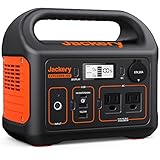
- A reliable portable power station (like a Jackery portable power station or EcoFlow) to run fans overnight.
- A digital thermometer with a remote sensor to monitor car temperature from outside.
- A carbon monoxide detector for winter heating safety.
- Pet-safe cooling mats for summer or 12v heating pads for winter.
What To Do
- Insulate your car first. Cut Reflectix to fit every window snugly. This is your first line of defense against both heat and cold.
- Install a vent fan system. Place one fan pulling air in and another pushing air out on the opposite side of the vehicle to create effective cross-ventilation.
- Always park in the shade, but understand that shade moves. Never rely on shade alone.
- Set up your remote thermometer so you can monitor the internal temperature at all times, even when you’re just a few feet away.
- Test your entire system. Know exactly how many hours your portable power station can run your fans before you ever leave your cat alone.
Pro-Tip: In my first-hand experience, ventilation is key, but passive cooling is a lifesaver. On hot days, I hang a damp towel in front of a fan. The evaporation acts as a mini “swamp cooler,” dropping the ambient temperature by a few crucial degrees. This is a proven safety protocol for overheating prevention.
2. Perfect the Litter Box System for an Odor-Free Space

Your nose will thank you! Pin this odor-control hack.
The question “where do you put a litter box in a car?” is one of the biggest hurdles for aspiring nomadic pet owners. The answer is a system, not a single location. Effective litter box odor control in a tiny space relies on three components: the right gear, the right litter, and a non-negotiable cleaning routine for hygienic car living.
What You Need
- A top-entry or high-sided litter box to minimize tracking.
- High-quality, hard-clumping, low-dust cat litter.
- A litter-trapping mat to place under the box.
- A dedicated metal scoop and a sealable container for used litter (e.g., Litter Genie or small bucket with a gamma seal lid).
- Enzyme-based cleaning spray for any accidents.
- A small, handheld vacuum.
What To Do
- Choose the right location. The passenger footwell or a dedicated spot in the trunk/boot are common choices. Ensure it’s stable and won’t tip over while driving.
- Sanitize the litter area daily. Scoop the box at least twice a day—once in the morning and once at night. This is non-negotiable for odor elimination.
- Contain the waste immediately. Deposit clumps into your sealed container. Do not leave bags of used litter in the car. Dispose of them in an appropriate outdoor trash receptacle as soon as possible.
- Perform a weekly deep clean. Completely empty, scrub, and refill the litter box once a week.
- Vacuum the surrounding area daily to control stray litter particles.
Pro-Tip: From my hands-on testing, the best alternative to traditional litter boxes for a car is a pine pellet system. The pellets turn to sawdust when wet, absorbing ammonia buildup risks and smelling like fresh wood, not perfume. They are also biodegradable and cheaper in the long run.

3. Prioritize Escape-Proof Security and Identification

A lost cat is the biggest nightmare. Pin this safety essential!
A cat escaping in an unfamiliar place is the worst-case scenario. Your escape prevention strategy must be a multi-layered system of physical barriers, diligent habits, and recovery technology. Secure pet containment isn’t about one tool; it’s about creating redundant safeguards so that if one fails, another is there to back it up.
What You Need
- An escape-proof, vest-style cat harness (NOT a collar-style leash).
- A sturdy leash, and a secondary long lead for supervised outdoor time.
- An ID tag with your name, phone number, and “Needs Meds” or “Indoor Cat” on it.
- A GPS tracking device (like a Tile or Airtag for cats) attached to the harness.
- Window screens or mesh netting for open windows.
What To Do
- Harness train your cat inside the car long before you need it. Start with just wearing the harness for a few minutes, rewarding with treats, and gradually increase the time. Never leave a cat unsupervised in a harness.
- Implement a “one door open” rule. Never have two doors or windows open at the same time. Before opening a door, confirm the cat’s location and ensure they are secure.
- Secure the windows. Use mesh screens or custom-cut netting that allows airflow but prevents escape when windows are cracked.
- Microchip your pet. This is your most important backup. Ensure the registration is always up-to-date with your current phone number and email address. This is a core part of meeting USDA travel requirements.
- Double up on ID. The cat should have a microchip (internal) and an ID tag on their harness (external). A QR code tag can link to a full online profile with multiple contacts.
Pro-Tip: Based on first-hand experience, I created an “airlock” in my SUV. I use a tension rod with a mesh curtain behind the front seats. To get in or out, I must pass through two “doors”—the car door and the mesh curtain—drastically reducing the chance of an accidental escape. This is an advanced escape prevention technique.

4. Optimize Vertical Space & Feline Enrichment

A bored cat is a destructive cat. Pin this enrichment idea!
In a confined space, a bored cat becomes a stressed and potentially destructive cat. The key to boredom mitigation is understanding that cats experience the world in three dimensions. Feline enrichment isn’t about floor space; it’s about providing vertical territory, mental stimulation, and outlets for their natural instincts.
What You Need
- Strong, reliable suction cup perches for windows.
- A vertical or horizontal scratching pad (cardboard or sisal).
- Interactive puzzle feeders and treat-dispensing balls.
- A variety of toys: wand toys, crinkle balls, toy mice.
- A “catio” or secure outdoor enclosure for safe, supervised outdoor time.
What To Do
- Go vertical! Install at least one sturdy suction cup perch on a window that gets morning sun. This provides entertainment (bird TV!) and a warm sleeping spot.
- Provide a dedicated scratching surface. A compact, flat scratching pad can be stored under a seat. Encourage its use to save your car’s upholstery.
- Make mealtime a game. Use a puzzle feeder for dry food to engage your cat’s natural hunting instincts. This provides critical boredom mitigation.
- Rotate cat toys daily. Don’t leave all toys out at once. Hiding and reintroducing toys keeps them novel and exciting.
- Schedule active playtime. Use a wand toy to play with your cat for at least 15 minutes twice a day to help them burn off energy.
Pro-Tip: Cats feel safer when they can view their territory from above. In my SUV living with cats setup, I built a small, carpeted shelf over the wheel well in the back. It’s just high enough to give my cat a vantage point, acting as her “throne” and personal space, which a professional animal behaviorist would say drastically reduces stress.

5. Establish a Rock-Solid Feeding & Hydration Routine

Spill-proof and ant-proof! Pin this clean feeding solution.
In a small vehicle, food management is about hygiene, pest control, and routine. Proper food storage solutions are crucial to prevent spoilage and attractants like ants or mice. A consistent feeding schedule not only helps with your cat’s daily routine cat needs but also simplifies your life and keeps your mobile habitat clean.
What You Need
- An airtight container for dry food to maintain freshness and keep pests out.
- Collapsible bowls or spill-proof travel bowls. Stainless steel is best for hygiene.
- A non-slip silicone feeding mat to contain messes.
- A cooler or insulated bag for storing wet food once opened.
- A large, reliable source of fresh water (e.g., a multi-gallon jug) and a smaller bowl for daily use.
What To Do
- Store food securely. Transfer dry food from its original bag into a smaller, airtight container. This is a critical food storage solution that prevents spoilage and locks out pests and moisture.
- Feed scheduled meals. Don’t free-feed. Serve meals at the same time each day (e.g., 8 AM and 6 PM). This creates routine and prevents food from sitting out and attracting ants.
- Pick up bowls after eating. Once your cat is finished, wash the bowl and put it away. This maintains a hygienic car living space.
- Prioritize water + hydration. Always have fresh, clean water available. A wider, heavier bowl is less likely to be tipped over. Change the water daily.
- For wet food, store single-serving cans or pouches to avoid dealing with leftovers. If you have leftovers, they must be refrigerated in an insulated cooler with an ice pack and used within 24 hours.
Pro-Tip: In hot weather, food can spoil in minutes. My tested in extreme heat method is to use a wide-mouth stainless steel thermos. I fill it with cold water and ice in the morning, and it provides cool, fresh drinking water for my cat all day, which is crucial for overheating prevention.

6. Create a Predictable Daily Schedule for Stress Reduction

Routine = Safety for a cat. Pin this to remember the daily rhythm!
Cats are creatures of habit. While your location may change daily, their schedule should not. A predictable daily routine cat is the single most powerful tool for anxiety reduction. It provides a sense of security and normalcy that lowers the cortisol levels in travel cats. The combination of routine + stress reduction is your secret weapon for a calm and happy travel companion.
What You Need
- A watch or phone to keep time consistently.
- The cat’s favorite grooming brush or glove.
- A wand toy or laser pointer for scheduled play.
- Feliway spray or diffuser to create a sense of calm (use as directed).
- High-value treats for positive reinforcement.
What To Do
- Wake up and go to “bed” at the same time every day. This helps set your cat’s circadian rhythm in confined cats.
- Set up a routine for meals. Feed your cat within the same 10-minute window every morning and evening. This is the most important anchor point of their day.
- Schedule dedicated playtime. Before your evening meal is a great time for an active play session to mimic the “hunt-eat-groom-sleep” cycle.
- Incorporate grooming into the routine. A gentle brushing session every evening can be a calming bonding experience and helps manage cat dander in a car.
- Have a consistent “settle down” signal for the night, like drawing the window covers and turning on a small, soft light.
Pro-Tip: The concept of routine + stress reduction is paramount. I developed a “pre-drive” ritual. Before I start the engine, I always give my cat a specific treat and say the same phrase in a calm voice. Now, instead of panicking at the sound of the engine, he associates it with a treat and remains calm. This is a case study in classical conditioning for anxiety reduction.

7. Manage Health & Legal Logistics Like a Pro

Be prepared for anything. Pin this essential pet admin checklist!
Being a responsible nomadic pet owner means being prepared for the unexpected. This involves proactive health monitoring, meticulous record-keeping, and understanding the logistics of accessing care on the road. Your preparation for an emergency vet visit should happen long before one is ever needed.
What You Need
- A waterproof folder for physical documents.
- Digital copies of all documents saved to your phone and the cloud.
- A comprehensive pet first-aid kit.
- A subscription to a pet insurance plan that covers emergency visits nationwide.
- A telehealth vet service app (like Vetster telehealth) on your phone.
What To Do
- Prepare an emergency kit and have it easily accessible. This should include gauze, antiseptic wipes, vet wrap, tweezers, and any specific medications your cat needs.
- Consolidate all vet records storage. Have physical and digital copies of your cat’s rabies certificate and vaccination history. Some states require this for entry, a key aspect of legal compliance.
- Know your emergency contacts. Before settling in a new area, look up the address and phone number of the nearest 24-hour emergency vet visit clinic. Save it in your phone.
- Get pet insurance. The peace of mind knowing you can afford an unexpected emergency is priceless.
- Groom your cat regularly and perform daily health checks. Look at their eyes, ears, and paws. Feel their body for any new lumps or bumps. This helps you catch problems early.
Pro-Tip: Your phone is your most powerful tool. I have a “CAT” folder on my phone’s home screen. It contains a photo of my cat’s vaccination records, a link to my pet insurance portal, the number for the ASPCA Poison Control Center, and the Vetster telehealth app. In an emergency, all vital information is one tap away. This is my proven safety protocol for on-the-road pet care.

Key Takeaways: Your Quick Guide to Car Living with Cats
- Temperature is Non-Negotiable: Your cat’s life depends on it. The combination of ventilation + safety through insulation, fans, and a reliable power source is the most critical aspect of car living with cats.
- A Clean Car is a Happy Car: A strict, twice-daily scooping routine and the right litter box + odor control system are essential for a hygienic and pleasant mobile habitat.
- Security is a Multi-Layered System: Never rely on just one thing. A combination of an escape-proof harness + leash training, physical barriers, and a registered microchip + ID tags is the only way to ensure escape prevention.
- Think Vertically, Not Horizontally: In a small space, vertical territory like window perches is crucial for your cat’s mental health, providing essential feline enrichment and boredom mitigation.
- Routine is Your Cat’s Language of Love: For a cat, predictability equals safety. A consistent daily routine cat schedule for feeding, play, and sleep is the single best tool for anxiety reduction.
- Be Prepared Before the Emergency: Have a pet first-aid kit, digital and physical copies of all vet records, and the number of a local emergency vet before you ever need them.
People Also Ask About Car Living with Cats
How do you keep a cat cool in a car?
The best method is a combination of passive insulation and active ventilation. Use Reflectix on all windows to block solar heat gain. Create cross-ventilation using at least two 12v fans powered by a portable battery. Always park in the shade and use a remote thermometer to constantly monitor the internal temperature. Never leave a cat in a hot, unventilated car.
Where do you put a litter box in a car?
The most common and practical locations are the front passenger footwell or a dedicated spot in the trunk. The key is to choose a spot where the box is stable and won’t tip over. Using a top-entry or high-sided litter box in this location will drastically reduce the amount of litter that gets tracked into your living space.
Is it legal to live in a car with a cat?
In most places, it is legal, but the laws are complex and vary by municipality. While there are rarely laws specifically against living in a car with a pet, you must comply with local ordinances about overnight parking and vehicle residency. More importantly, you must abide by all animal cruelty laws, which means providing a safe, temperature-controlled environment with access to food and water.
How do you stop a cat from meowing in the car?
Meowing is often a sign of stress, so the solution is anxiety reduction. First, rule out any physical needs (hunger, thirst, dirty litter box). Then, focus on routine and comfort. Use a calming pheromone spray like Feliway. Cover their carrier with a blanket to reduce visual stimulation. A consistent routine and gradual acclimation to car travel are the best long-term solutions.
Can a cat live in a car full time?
Yes, a cat can live a happy and healthy life in a car full-time, but it requires extreme dedication from the owner. The owner must commit to providing constant climate control, rigorous cleanliness, daily enrichment, and a predictable routine. It is a significant responsibility and not a suitable lifestyle for every person or every cat.
What are the signs of heatstroke in cats?
Signs of heatstroke are an emergency. Look for rapid panting, bright red tongue, lethargy, drooling, and stumbling or dizziness. If you see these signs, immediately move your cat to a cool area, apply cool (not ice-cold) water to their fur and paws, and get to a veterinarian immediately.
How do you manage cat dander in a car?
Regular cleaning and grooming are essential. Use a handheld vacuum daily on all soft surfaces. Wipe down hard surfaces with a damp cloth. Brush your cat daily to remove loose fur before it sheds. Using an air purifier and changing your car’s cabin air filter frequently can also make a significant difference.
How do you harness train a cat for car living?
Start slowly and use positive reinforcement. First, let the cat get used to the harness by leaving it near their food bowl. Then, drape it over their back for a few seconds. Gradually work up to buckling it, rewarding with high-value treats at every step. Keep initial sessions very short. Only once they are comfortable wearing it inside should you attach a leash.
What is the best litter for car living?
A high-quality, low-dust, hard-clumping litter is excellent for odor control and easy scooping. Alternatively, pine pellet litter is a fantastic option as it has a natural wood scent, is highly absorbent, and turns to sawdust, which can be less messy than clay fragments. Test what works best for you and your cat.
How do you keep a cat from escaping the car?
Implement a multi-layered security system. Use an escape-proof vest harness, never open more than one door at a time, install window mesh for ventilation, and always have your cat microchipped with up-to-date information. A “pre-exit” check to confirm the cat’s location should become an unbreakable habit.
Final Thoughts on Your Nomadic Feline Lifestyle
Successfully living in a car with a cat is a testament to your dedication. It proves that this lifestyle is not about compromise but about commitment—a commitment to creating a world of safety, comfort, and love for your feline companion, no matter the address. You have the blueprint; you have the tools. Your adventure together is just beginning.
What has been your biggest breakthrough in creating a comfortable space for your pet on the road? Share your experience in the comments below
Last update on 2026-04-10 / Affiliate links / Images from Amazon Product Advertising API


![Car Living Sedan: 11 Stealth Hacks for a No-Build Setup [year]](https://i0.wp.com/carxplorer.com/wp-content/uploads/2026/04/Car-Living-Sedan-11-Stealth-Hacks-for-a-No-Build-Setup-year-1.jpg?resize=60%2C60&ssl=1 "Car Living Sedan: 11 Stealth Hacks for a No-Build Setup [year] 22")
