
Have you ever woken up in your car to find frost coating the inside of your windows? That biting, inescapable cold is a serious threat, turning your shelter into a danger zone. This guide is for anyone facing the challenge of car living winter.
To stay warm and safe living in a car during winter, you must focus on three core principles: insulating your vehicle to retain heat, managing moisture to prevent condensation and mold, and using a safe heating source with proper ventilation. These strategies, combined with a high-R-value sleeping system, are the foundation of winter survival.
Drawing from comprehensive analysis of current data and proven methodologies, this is not just a list of tips—it’s a survival guide. We’ll walk through the essential safety protocols and gear you need to create a secure winter habitat. You will learn how to turn your vehicle into a safe, warm cocoon, even when the temperatures plummet.
How Do You Stay Warm (and Safe) When Living in Your Car in Winter?
Surviving winter in a car is a science of managing heat, moisture, and air quality. The stakes are incredibly high, with the primary dangers being hypothermia from prolonged cold and carbon monoxide poisoning from unsafe heating methods. This guide moves beyond simple tips to provide a systematic approach based on proven survival science. By treating your vehicle as a complete ecosystem, you can mitigate these risks and create a genuinely livable space. We will cover the foundational pillars of insulation to trap your body heat, ventilation to expel dangerous moisture, and the strict safety protocols for any active heating you might use.
9 Essential Strategies for Safe Car Living in Winter 2026
Creating a safe and habitable winter dwelling isn’t about one single trick; it’s about building a complete system. These nine strategies work together to protect you from the cold, manage moisture, and ensure your safety. We’ll start with the most critical element—insulation—and build from there, covering everything from your sleeping setup to power and vehicle readiness. Follow these steps to systematically transform your car from a simple vehicle into a secure winter shelter.
1. Insulate Your Vehicle to Create a Thermal Cocoon

Pin this essential insulation hack for your winter car setup!
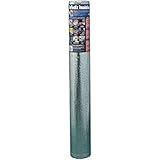
Your car’s windows are the biggest source of heat loss. Creating custom window covers is the single most important step for surviving cold weather car living. A radiant heat barrier like Reflectix works by reflecting your body heat back into the car instead of letting it escape through the glass. This is a low-cost, DIY-friendly project with the highest return on investment for warmth.
What You Need
- Reflectix Insulation Roll: A roll of double-sided radiant barrier insulation, typically 24 or 48 inches wide.
- Heavy-Duty Scissors or Utility Knife: For precise cutting.
- Cardboard or Poster Board: For creating templates.
- Permanent Marker: For tracing templates onto the insulation.
- Black Duct Tape or Gorilla Tape: For taping the edges for durability and a stealthy appearance.
Step-by-Step Directions
- Create Templates: Cut cardboard or poster board to the exact shape of each window you plan to cover. Label each template (e.g., “Driver Side Rear”).
- Trace onto Insulation: Lay the Reflectix on a flat surface. Place your cardboard template on top and trace around it with a permanent marker.
- Cut the Panels: Using heavy-duty scissors, carefully cut out the Reflectix panels. It’s better to cut slightly larger and trim down for a snug fit.
- Test the Fit: Place the cut panel inside the window frame. It should fit snugly without needing adhesive. Trim as necessary for a perfect press-fit.
- Seal the Edges (Optional but Recommended): For durability and a more stealthy look from the outside, apply black duct tape around the entire perimeter of each panel.
Pro-Tip: For maximum insulation, create double-thick panels. Cut two identical pieces of Reflectix for one window and tape them together. This significantly increases the R-value insulation and creates a more effective thermal bridging block.
2. Build a Fortress of Warmth with a Cold-Weather Sleeping System

Pin this cozy sleeping setup for your ultimate winter car camping!
Your sleeping bag doesn’t create heat; it only traps the heat your body produces. A proper sleeping system is a multi-layer defense against the cold, with the most critical piece being insulation underneath you. The cold metal floor of your car will suck the warmth right out of you through conduction, so a sleeping pad is non-negotiable.
What You Need
- Closed-Cell Foam Sleeping Pad: This is your first line of defense against the cold vehicle floor. It does not compress and has a high R-value.
- High R-Value Inflatable Sleeping Pad (Optional): Place this on top of the foam pad for added comfort and insulation.
- Zero-Degree (or colder) Mummy Sleeping Bag: A mummy sleeping bag is crucial as it minimizes dead air space and has a hood to retain body heat.
- Wool Blankets: Wool is an excellent thermal insulator, even when damp.
- Fleece or Silk Sleeping Bag Liner: Adds an extra 5-15 degrees of warmth and keeps your sleeping bag cleaner.
Routine Steps
- Lay the Foundation: Place the closed-cell foam pad directly on your sleeping platform. This is non-negotiable as it stops conductive heat loss to the vehicle’s frame.
- Add Comfort & Insulation: If using one, place your inflated sleeping pad on top of the foam pad.
- Prepare the Bag: Unfurl your mummy sleeping bag and place it on top of the pads. If using a liner, insert it now.
- Layer from Above: Drape one or two wool blankets over the top of your sleeping bag. This traps another layer of air and adds significant warmth.
- Pre-warm Your Bag: About 30 minutes before bed, fill a hot water bottle with hot (not boiling) water, ensure the cap is tight, and place it inside your sleeping bag toward the foot.
Pro-Tip: Never sleep with your head completely inside the sleeping bag. Your breath contains a huge amount of moisture, which will get trapped in the bag’s insulation, reducing its effectiveness and making you colder. Use the bag’s hood and cinch it, but keep your nose and mouth out.

3. Ventilate to Win the War Against Condensation

Save this tip! It’s the key to preventing condensation buildup and mold.
Condensation is your second biggest enemy after the cold itself. As you breathe, you release warm, moist air. When this air hits your cold windows, it condenses into water, leading to a damp interior, wet gear, and eventually, dangerous mold growth. The solution is not to seal the car up tight; it’s to provide ventilation to let the moisture out.
Supplies Needed
- Window Rain Guards/Vent Visors: These allow you to crack your windows for ventilation even when it’s raining or snowing.
- Rechargeable Dehumidifier Pack: (e.g., Eva-Dry) These use silica crystals to absorb moisture from the air and can be “recharged” by plugging them in at home or a library.
- Small, Battery-Powered Fan (Optional): For creating air circulation.
- Microfiber Towel: For wiping down windows in the morning.
What To Do
- Create Cross-Ventilation: The most crucial step. Crack two windows on opposite corners of the vehicle (e.g., driver’s front and passenger’s rear) about half an inch each. Installing rain guards makes this safer and more discreet.
- Absorb Ambient Moisture: Place a large rechargeable dehumidifier pack on your dashboard or center console. It will silently pull moisture from the air while you sleep.
- Wipe Down Every Morning: As soon as you wake up, use a microfiber towel to wipe every drop of condensation off the windows and any plastic trim. Wring the towel out outside the car.
- Air Out Your Bedding: During the day if possible, air out your sleeping bag and blankets to release any moisture they’ve absorbed overnight. Damp insulation is ineffective.
Pro-Tip: The goal is to keep the inside air temperature as close to the dew point of the outside air as possible. It sounds counterintuitive, but a slightly colder, dry car is far safer and more comfortable than a warmer, soaking wet car that will eventually lead to mold growth and wet, useless insulation.

4. Install a Carbon Monoxide Detector Before Using Any Heater

This is not optional. Pin this life-saving reminder to your survival board.
This is the most critical piece of safety gear you will own. Carbon monoxide (CO) is an invisible, odorless, and lethal gas produced by incomplete combustion. Any fuel-burning heater, including propane heaters, creates CO. A CO detector is the ONLY way to know if dangerous levels are present. This is a non-negotiable safety protocol.
What You Need
- Portable, Battery-Powered Carbon Monoxide Detector: Choose a model specifically designed for travel or RVs, with a digital readout that shows the parts per million (PPM) concentration. DO NOT use a plug-in home model.
Safety Protocol
- Buy a Reputable Brand: This is not the place to save money. Choose a detector from a well-known brand like Kidde or First Alert.
- Test It Weekly: Ensure you press the ‘Test’ button weekly to confirm the alarm is functional.
- Replace Batteries Proactively: Replace the batteries at the beginning of the winter season and again halfway through, regardless of what the low-battery indicator says.
- Proper Placement: CO is slightly lighter than air and will distribute throughout the enclosed space. Place it near your sleeping area, but not somewhere it can be easily knocked over or covered by blankets.
- KNOW THE RULE: NEVER, EVER use a combustion heater (propane, diesel, etc.) without a functional CO detector AND proper ventilation. This is a non-negotiable rule of survival.
Pro-Tip: Understand what the numbers mean. A reading of ‘0’ is ideal. Low levels (1-9 ppm) are common in urban areas but should be monitored. If your alarm ever goes off, immediately turn off all appliances, open all doors fully, get out of the vehicle, and get to fresh air. Do not re-enter until the alarm has stopped and the space is aired out.
5. Deploy a Safe Heating Source (With Extreme Caution)

Warmth is possible, but safety first. Save this guide to safe heating.
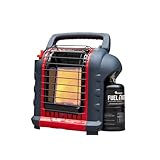
Using a heater in your car is a serious activity that demands attention and respect for the risks involved. While the primary strategy is to rely on insulation and a good sleeping system, a heater can be used to take the chill off before bed or in the morning. The community-vetted standard for this is an indoor-safe propane heater with specific safety features.
What You Need
- Indoor-Safe Propane Heater: The Mr. Heater Buddy (MH9BX) is the community-vetted standard. Do NOT use an outdoor-only propane heater.
- 1 lb Propane Canisters: Or an adapter hose for a larger 20 lb tank (for use OUTSIDE the vehicle only).
- Fire-Resistant Surface: A small ceramic tile or a piece of fire-resistant hearth pad to place the heater on.
- A FUNCTIONAL CO DETECTOR AND VENTILATION: This is not optional gear; it is part of the heater system.
Safety Protocol
- Read the Manual: Read and understand every single safety warning in the manufacturer’s manual.
- Stable, Level Surface: Place the heater on a completely flat, stable, and fire-resistant surface where it cannot be tipped over. Never place it on a seat or your bed.
- Maintain Clearance: Ensure there is at least 3 feet of clearance in front of the heater and 1 foot on the sides and back from any flammable materials (blankets, seats, clothing).
- Ventilate, Ventilate, Ventilate: Crack a window on the roof (if you have a vent fan) or two windows on opposite sides of the car at least one inch each. You need a fresh oxygen supply.
- Never Sleep With It On: Use the heater to warm up the space before you get into your sleeping bag for the night, or to warm it up in the morning. NEVER leave it running while you are sleeping, even with the safety features.
Pro-Tip: For a more permanent and arguably safer (but much more expensive and complex) setup, many in the winter van life community install a diesel heater. These heaters mount to the vehicle, pull fuel from your car’s tank or a separate one, and vent all exhaust fumes outside, making them much safer for overnight use.
6. Secure a Reliable Off-Grid Power Source

Stay charged and connected. Pin this guide to off-grid power for your car!
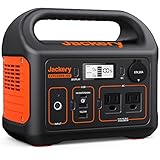
Keeping your phone, lights, and safety devices charged is essential. A portable power station, like a Jackery, acts as a large, rechargeable battery pack for your car. It allows you to run low-draw devices like a heated blanket or charge your phone without having to idle your engine.
What You Need
- Portable Power Station: Brands like Jackery, EcoFlow, or Anker are popular. A 300-500 watt-hour capacity model is a good starting point for charging phones, lights, and a heated blanket.
- 12V Heated Blanket: A low-amperage draw blanket is much safer and more efficient than trying to run an electric space heater.
- USB-Powered Lights: String lights or small puck lights.
- 12V Car Charger: To recharge your power station while driving.
- Solar Panel (Optional): For true off-grid charging on sunny days.
What To Do
- Calculate Your Needs: Before buying, estimate your power needs. A smartphone charge is ~10Wh, a 12V heated blanket might be 50W (so 400Wh for 8 hours). This helps you choose the right size power station.
- Charge Strategically: Recharge your power station during the day while you’re driving by plugging it into your car’s 12V “cigarette lighter” port.
- Prioritize Safety & Communication: Always keep your phone and your CO detector powered. Use the power station to run a 12V heated blanket for hours of safe, silent warmth while you sleep.
- Organize Your Cords: Keep your charging area neat to prevent fire hazards and tripping.
Pro-Tip: Look for a power station with LiFePO4 (Lithium Iron Phosphate) batteries. They are safer, have a much longer lifespan (thousands of charge cycles), and perform better in cold temperatures than standard lithium-ion. Also, ensure it has a pure sine wave inverter for safely charging sensitive electronics like laptops.
7. Layer Like a Pro with Moisture-Wicking Fabrics

Cotton is rotten! Pin this guide to proper layering for survival-level warmth.
What you wear is just as important as your bedding. The key is a three-layer system that is breathable and keeps you dry. The outdoor community has a mantra: “Cotton Kills.” Cotton absorbs sweat and moisture, holding it against your skin and chilling you to the bone, which dramatically increases your hypothermia risk.
What You Need
- Base Layer (Top and Bottom): Merino wool or synthetic (polypropylene) long underwear. This layer’s job is to be moisture-wicking and pull sweat away from your skin.
- Mid Layer (Insulation): A fleece jacket, a down puffy vest, or a thick wool sweater. This layer traps your body heat.
- Outer Layer (Shell): A windproof and waterproof (or water-resistant) jacket to protect you from the elements when you are outside the car.
- Accessories: Thick wool socks (bring many pairs!), a warm beanie, gloves or mittens, and a scarf or balaclava.
How to Layer
- Start with the Base: Your moisture-wicking base layer should be snug against your skin. This is the most important layer for staying dry.
- Add Insulation: Put on your fleece or puffy mid-layer. You can add multiple mid-layers if it’s extremely cold.
- Protect with the Shell: The outer layer is only for when you are outside in wind, rain, or snow. You typically won’t wear this inside the car.
- The “No Cotton” Rule: Avoid cotton at all costs, especially for socks and base layers. Cotton absorbs moisture and holds it against your skin, robbing you of heat and dramatically increasing hypothermia risk.
Pro-Tip: Bring multiple pairs of wool socks. Change into a fresh, dry pair just for sleeping. Your feet sweat during the day even if you don’t notice, and putting on dry socks before getting into your sleeping bag makes a huge difference in overall warmth and comfort.

8. Keep Your Water and Food from Freezing

Stay hydrated and fueled. Pin these simple tricks to keep your supplies from turning into ice blocks.
Waking up to a solid block of ice when you need a drink of water is frustrating and dangerous. Staying hydrated and fed is crucial for your body to generate heat. There are several simple, low-tech hacks to keep water from freezing in car and ensure your food is accessible.
Supplies Needed
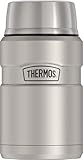
- Wide-Mouth Insulated Thermos/Flask: For keeping water liquid and even for “cooking” things like instant oatmeal.
- A Standard Cooler: Yes, a cooler. It insulates against heat AND cold.
- A Car Kettle (12V) or Jetboil Stove: For heating water. Use any stove with extreme caution and ventilation.
- High-Calorie, No-Cook Foods: Protein bars, nuts, jerky, dried fruit, instant oatmeal, soup packets.
What To Do
- Use an Insulated Thermos: Fill a good quality insulated thermos with water before you settle in for the night. It will stay liquid until morning. You can even fill it with hot water for a warm drink later.
- The Cooler Trick: Place items that can freeze (water bottles, cans of soup, fruit) inside a regular cooler with a couple of hand warmers or a bottle of warm water. The cooler will insulate them from the freezing ambient air, and the heat source will keep the temperature inside above freezing.
- Sleep With Your Water: For your main drinking water bottle for the night, tuck it inside your sleeping bag with you. Your body heat will prevent it from freezing.
- Choose Foods Wisely: Focus on foods that don’t require cooking or can be made by just adding hot water. Trying to cook a complex meal in a cold, cramped car is difficult and potentially dangerous.
Pro-Tip: You can “cook” instant oatmeal or ramen right in a wide-mouth food thermos. Boil water, pour it into the thermos with the dry food, seal it tightly, and let it sit for 10-15 minutes. It will be perfectly cooked and hot when you open it.
9. Winterize Your Vehicle and Prepare an Emergency Kit

Don’t get stranded. A prepared car is a safe car. Pin this emergency checklist.
Your car is your primary survival tool, and it needs to be ready for the harsh conditions. A dead battery or getting stuck in the snow can quickly escalate into a life-threatening emergency. Preparing your vehicle mechanically and having a robust emergency car kit is essential for self-rescue.
What You Need (For the Car Kit)
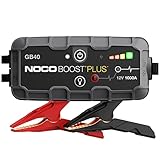
- Portable Jump Starter: A dead battery is a common cold-weather problem. A portable starter is easier and safer than relying on another car for jumper cables.
- Foldable Snow Shovel: To dig your tires out.
- Bag of Kitty Litter or Sand: For traction if you get stuck on ice.
- Tow Strap: In case you need help from another vehicle.
- Ice Scraper and Snow Brush.
- Emergency Blankets: Have several mylar emergency blankets in addition to your wool ones.
- Flashlight with Extra Batteries.
How to Prepare (The Vehicle Itself)
- Check Your Battery: Cold weather is brutal on car batteries. Have yours tested at an auto parts store before winter begins. If it’s weak, replace it.
- Install Winter Tires: If you’re in an area with heavy snow and ice, winter tires are the single best investment for safety. They are made of a softer compound that stays flexible in the cold for better grip.
- Check Fluids: Make sure your windshield washer fluid is rated for freezing temperatures and your antifreeze/coolant levels are correct.
- Get a Tune-Up: Ensure your vehicle is in good working order before you have to rely on it as your home.
Pro-Tip: Keep your gas tank at least half full at all times. This prevents moisture from building up in the tank and freezing in the fuel lines, and it ensures you have enough fuel to run the engine for heat in a true emergency (while being outside the vehicle to avoid CO risk).
Key Takeaways: Your Quick Guide to Car Living Winter Survival
- Insulation is Your #1 Priority. – Before all else, you must insulate your car, especially the windows with Reflectix, to create a thermal barrier that stops your body heat from escaping.
- Ventilation Prevents a Wet (and Moldy) Interior. – You must crack two windows to create cross-ventilation. This lets moisture from your breath escape and is the only way to prevent dangerous condensation buildup and mold growth.
- NEVER Use a Heater Without a CO Detector. – A battery-powered carbon monoxide detector is not optional; it is a required part of any system that involves a propane or diesel heater. This is a life-or-death rule.
- Cotton is Dangerous; Wool is Your Friend. – Wear layers of wool or synthetic fabrics that are moisture-wicking. Cotton absorbs sweat, gets cold, and can lead to hypothermia. Always have dry wool socks.
- Your Sleeping Bag Doesn’t Create Heat, It Only Traps It. – A cold-rated mummy sleeping bag combined with a foam sleeping pad underneath you is essential. The pad insulates you from the cold car floor, and the bag traps your body heat.
- Prepare Your Vehicle and Have an Emergency Kit. – Don’t get stranded. Ensure your car battery is healthy, consider winter tires, and always have a kit with a shovel, jump starter, and blankets.
People Also Ask About Car Living in Winter
How cold is too cold to sleep in a car?
Your personal limit depends entirely on your gear, but without proper insulation and a cold-rated sleeping system, temperatures below freezing (32°F / 0°C) are dangerous. With an insulated car, a zero-degree sleeping bag, and a safe heat source to dry the air, experienced individuals can handle sub-zero temperatures, but this requires significant preparation and carries high risk.
Is it safe to sleep in a car with the engine running for heat?
No, this is extremely dangerous and potentially lethal due to the risk of carbon monoxide poisoning. Even a small leak in your exhaust system can fill the cabin with colorless, odorless CO gas. Furthermore, idling wastes a significant amount of fuel and can cause mechanical issues. Never rely on the engine for overnight heat.
How do you stop car windows from fogging up and freezing on the inside?
You must prioritize ventilation over heat by cracking two windows to create cross-flow. This allows the moisture from your breath to escape instead of condensing on the cold glass. Using a rechargeable dehumidifier and wiping windows with a towel each morning are also critical steps in moisture management.
What is the safest way to heat a car in winter?
There is no 100% safe method, only safer methods that require strict protocols. A 12V electric blanket powered by a portable power station is the safest for sleeping. For active heating, an indoor-safe propane heater like a Mr. Heater Buddy is an option, but it MUST be used with a CO detector and proper ventilation, and NEVER left on while you are sleeping.
How do you use Reflectix for car windows?
You create custom-fit panels that press into the window frames. First, make a template of each window using cardboard. Trace that template onto a roll of Reflectix insulation and cut it out. For a snug fit and better stealth, cut it slightly larger and trim down as needed. Taping the edges with black tape adds durability.
Can you die from sleeping in a car in the winter?
Yes, unfortunately, you can. The primary risks are hypothermia from prolonged exposure to cold without adequate insulation and bedding, and carbon monoxide poisoning from improperly using a heater or running the engine. Both risks are preventable with the right knowledge and gear.
How do I prevent my car battery from dying in the cold?
A healthy battery is key, so have it tested before winter. If you’re staying in one place for a while, start the car and drive for at least 30 minutes every day or two to keep the battery charged. A portable jump starter is an essential piece of your emergency kit in case the battery does fail.
How do you manage hygiene and stay clean?
This requires planning and utilizing public resources. A membership to a 24-hour gym provides access to showers. Many truck stops offer paid showers. For daily cleaning, use body wipes and have a small basin for hand/face washing. Public libraries and coffee shops offer clean restrooms.
Where can I find safe, legal places to park overnight?
This varies widely by location and is a major challenge. Some cities have designated “safe parking” programs. Walmart parking lots are famously a gray area (check with the store manager). Industrial areas or streets with many parked cars are often used for stealth camping. Always check local ordinances, be discreet, and arrive late/leave early.
What’s the best sleeping bag for car living?
A mummy-style sleeping bag with a temperature rating at or below the lowest temperature you expect to face is best. A 0°F or -15°F bag is a good investment. The mummy shape is more efficient at trapping heat than a rectangular bag. Look for down or high-quality synthetic fill and always pair it with an insulated sleeping pad underneath.
Final Thoughts on Surviving Winter in Your Car
Successfully navigating car living winter is a testament to resilience, but it’s a challenge that must be met with meticulous preparation, not improvisation. It’s about transforming your mindset from simply ‘staying in a car’ to actively ‘managing a shelter’. The core principles of heat retention through insulation, air quality through ventilation, and absolute safety with heaters are not just suggestions; they are the pillars of survival.
By implementing these systems, you can create a safe, dry, and warm space to weather the coldest nights. Prepare your gear, respect the risks, and stay vigilant. What’s the first step you’ll take to winterize your setup?
Last update on 2026-04-10 / Affiliate links / Images from Amazon Product Advertising API


![Car Living Sedan: 11 Stealth Hacks for a No-Build Setup [year]](https://i0.wp.com/carxplorer.com/wp-content/uploads/2026/04/Car-Living-Sedan-11-Stealth-Hacks-for-a-No-Build-Setup-year-1.jpg?resize=60%2C60&ssl=1 "Car Living Sedan: 11 Stealth Hacks for a No-Build Setup [year] 25")
