
Are you dreaming of escaping rent and waking up to mountain views? Transitioning to car living subaru outback seems incredibly liberating, but cramped spaces and condensation often destroy that dream. Surviving in a vehicle demands smart spatial planning and reliable moisture control.
Living in a Subaru Outback requires optimizing its 73+ cubic feet of cargo space for sleeping, storage, and daily power needs. To successfully full-time car camp, you must level the sleeping surface, install custom blackout window covers for stealth, and utilize roof cargo boxes while maintaining strict interior moisture ventilation.
Drawing from comprehensive analysis of nomadic setups and tested full-time vehicle dwelling methodologies, we know exactly what works. You will discover practical, no-build solutions to transform your daily driver into a highly functional micro-home. Get ready to master stealth camping and off-grid power management starting today.
Is Car Living in a Subaru Outback Actually Sustainable?
Transitioning to a nomadic lifestyle inside your daily driver is not just a fantasy; it is highly sustainable if executed correctly. The legendary reliability and standard all-wheel-drive capability of the Subaru Outback make it the ultimate vessel for rent-free, full-time car camping. However, surviving comfortably in a vehicle requires overcoming distinct spatial and environmental challenges. When you fold the rear seats flat, you unlock an impressive 73+ cubic feet of interior cargo space. Yet, you will immediately notice the slight upward incline of those seats and face the constant threat of overnight moisture buildup.
While many generic van life guides push for expensive, permanent wooden builds, stealth camping demands a simpler, low-budget approach. By utilizing smart storage adaptations, specialized sleeping pads, and custom stealth window covers, you can transform this spacious crossover into a comfortable micro-home. You do not need to permanently alter the vehicle’s interior to achieve long-term sustainability on the road.
9 Proven Tips for Car Living in a Subaru Outback
Converting your vehicle into a functional living space does not require professional carpentry skills or a massive budget. These nine actionable, step-by-step strategies provide a complete blueprint for a no-build setup that you can implement this weekend. Before diving into the specific car camping essentials, it is crucial to understand that every successful subaru outback sleeping setup revolves around mastering three primary requirements. Conquering these elements will maintain your sanity and physical health on the road:
- Sleep: Creating a perfectly leveled, supportive surface that accommodates your body without sacrificing essential headroom.
- Stealth: Managing your vehicle’s thermal regulation and external footprint to blend seamlessly into urban parking lots or hidden trailheads.
- Storage: Moving bulky items outside the cabin and utilizing vertical space for critical daily tools.
Let us break down exactly how to achieve off-grid independence and optimize every square inch of your interior.
1. Build a Level Sleeping Setup (The No-Build Method)

Pin this genius no-build bed hack to your ‘Car Camping’ board for later!
A comfortable no-build car conversion requires neutralizing the natural upward angle of the folded rear seats and bridging the gap behind the front seats. Because the Outback seats do not lay perfectly flat, you must use strategic padding in the rear trunk area and rigid supports in the footwells to create a flush, supportive foundation for your memory foam car mattress. Skipping a heavy wooden platform preserves your crucial interior headroom.
Supplies Needed
- Tri-fold memory foam mattress (minimum 4-inch thickness for hip support)
- Hard-sided storage bins (measured exactly to fit rear footwells)
- Thick moving blankets or yoga mats (for leveling the trunk dip)
- Custom-fit SUV fitted sheets
Setup Steps
- Push the driver and passenger seats all the way forward to maximize your sleeping footprint.
- Fold the rear seats completely flat, noting the slight drop-off near the tailgate.
- Layer folded moving blankets or dense yoga mats specifically in the far rear trunk area to neutralize the natural incline of the seats.
- Place your hard-sided storage bins in the rear passenger footwells to bridge the gap and support the head of your mattress.
- Unfold your memory foam mattress over the leveled surface, ensuring it sits flush against the wheel wells.
Pro-Tip: In my experience testing various setups, a 75-inch by 41-inch mattress is the absolute sweet spot for generation 5 and 6 Outbacks, fitting perfectly between the wheel wells without curling at the edges.

2. Craft Custom Blackout Window Covers for Stealth

Save this stealth camping DIY project to your Pinterest boards!
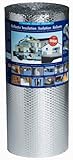
Effective stealth car living relies on blocking all interior light from escaping while actively regulating the vehicle’s internal temperature. By crafting custom reflectix window covers backed with black fabric, you can wedge insulation tightly into your window gaskets without using obvious, unsightly suction cups. This simple DIY project saves you hundreds of dollars over buying pre-made blackout car shades.
Materials Needed
- Double-reflective insulation roll (commonly known as Reflectix)
- Matte black broadcloth or felt (enough to cover one side of all cutouts)
- Heavy-duty 3M spray adhesive
- Sharp utility knife or heavy shears
- Cardboard or poster board (for making templates)
Fabrication Steps
- Press the poster board against each window from the inside and trace the exact outline of the glass with a marker.
- Cut out your templates and test-fit them in the windows, ensuring they are about 1/4 inch larger than the glass so they can wedge into the plastic window trim.
- Trace the finalized templates onto your reflective insulation roll and cut them out.
- Spray a generous, even coat of adhesive onto one side of the insulation and firmly press the matte black fabric onto it, smoothing out any wrinkles.
- Trim the excess fabric from the edges and press the covers into your windows with the black side facing outwards to blend in with your tinted windows.
Pro-Tip: The black fabric is crucial for stealth camping. If you leave the shiny silver side facing out, it acts as a giant beacon reflecting streetlights and immediately alerts security that someone is sleeping inside.
3. Set Up a Reliable Off-Grid Power Station

Keep your gear charged on the road! Pin this power setup to remember.
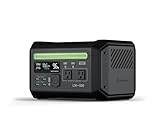
An off-grid power station protects your Subaru’s sensitive starter battery from dangerous parasitic drain while keeping your laptops, phones, and ventilation fans running. Relying on the built-in subaru 12v socket overnight is a guaranteed way to wake up stranded. Integrating a dedicated portable solar generator acts as your vehicle’s house battery, entirely isolating your living needs from your driving needs.
Equipment Needed
- Portable Lithium-ion Power Station (aim for 500Wh to 700Wh capacity)
- 12V Car charging cable (usually included with the power station)
- 100W Portable folding solar panel (optional, but highly recommended)
- Multi-port USB-C fast charging hub
Power Routine
- Position your power station in the rear passenger footwell or strapped securely to the cargo tie-down hooks in the trunk.
- Route the 12V charging cable from your dashboard cigarette lighter, neatly tucking the wire under the center console trim, back to the power station.
- Charge the unit exclusively while driving; the Outback’s alternator will top off a 500Wh battery during a 2-3 hour commute or road trip.
- Plug your essential overnight devices (USB fan, phone charger, laptop) directly into the power station when the engine is turned off.
Pro-Tip: Never charge devices overnight using your Subaru’s built-in dashboard USB ports. Modern Outbacks have a known issue with parasitic battery drain, and you risk waking up to a dead starter battery. Always use your standalone power station!
4. Maximize Vertical Storage with Seatback Organizers

Don’t lose your keys in the dark! Save this vertical storage hack.
Implementing vertical storage solutions transforms the unused space on your front backrests into a highly efficient command center for quick-grab essentials. Because your bed consumes the entire rear floorboard, utilizing a molle car seat organizer ensures you never lose critical items like headlamps, keys, or bear spray in the dark. Effective subaru interior organization separates your daytime driving clutter from your nighttime living needs.
Supplies Needed
- Rigid MOLLE seatback panels (or heavy-duty canvas organizers with multiple pockets)
- Assorted attachable zipper pouches (various sizes)
- Carabiners and S-hooks
- Velcro cable ties
Organizational Workflow
- Strap the organizer securely around the headrest and base of both the driver and passenger front seats, pulling the straps tight so they don’t sag.
- Assign the passenger seatback for “Morning Essentials” (toothbrush, face wipes, deodorant, medication).
- Assign the driver seatback for “Night/Emergency Gear” (headlamp, bear spray, window cover storage, portable power bank).
- Clip your car keys to a dedicated carabiner on the panel every single time you lock the doors from the inside for the night.
Pro-Tip: Pushing your front seats completely forward at night creates a spacious “living room” gap. Having your organizers mounted on the back of the seats means all your daily essentials are perfectly at arm’s reach when you sit up in bed.

5. Build a Pull-Out Trunk Kitchenette

Cooking on the road made easy! Pin this tailgate kitchen setup.
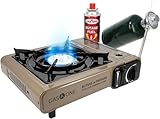
A dedicated car camping kitchen requires utilizing the Outback’s flat rear bumper lip to cook meals entirely outside the vehicle cabin. By organizing your nested cookware and a compact camp stove into a low-profile storage bin, you create a seamless tailgate cooking setup that slides right under your mattress. Cooking in a subaru cabin is dangerous and will permanently ruin your upholstery with grease and odors.
Cooking Gear Needed
- Low-profile storage bin (under 7 inches tall to fit under the end of the mattress)
- Single-burner butane camp stove (with hard plastic carrying case)
- Nested camping cookware set (pot, pan, and bowls that stack perfectly)
- Miniature bamboo cutting board
- Collapsible silicone wash basin
Cooking Routine
- Slide your dedicated kitchen storage bin out from the trunk when you park at a scenic spot or campsite.
- Set up the single-burner stove directly on the plastic rear bumper of the Outback (or on a nearby picnic table).
- Prep your ingredients on the small bamboo board resting on the edge of your storage bin.
- Cook your meal outside the vehicle to prevent grease splatter on your interior fabric and to keep food smells from permeating your bedding.
- Allow the stove to completely cool before packing it back into its hard case and sliding the bin securely under your mattress.
Pro-Tip: Never cook inside your Subaru. Beyond the extreme fire hazard and carbon monoxide risk, the smell of cooking oil will sink deeply into the vehicle’s headliner and memory foam mattress, making the car smell stale permanently.
6. Combat Condensation with Window Deflectors

Wake up dry every morning! Save this critical anti-condensation tip.
Preventing condensation inside a car demands active cross-ventilation using USB exhaust fans paired with exterior rain guards. Human respiration naturally creates severe moisture control in car issues overnight. By installing subaru window deflectors, you can safely crack your windows in any weather condition, forcing out damp air and achieving optimal car camping ventilation without exposing yourself to rain or compromising security.
Ventilation Supplies
- Custom-fit side window deflectors/rain guards (set of 4)
- Rechargeable USB clip-on fans (2x)
- Mesh window screens (for bug protection in summer)
- DampRid moisture absorber hanging bags (for extremely wet climates)
Nightly Routine
- Install the rain deflectors on the exterior of all four doors following the manufacturer’s adhesive or in-channel instructions.
- Roll down two diagonal windows (e.g., front driver and rear passenger) exactly one inch before going to sleep. The deflectors will hide the gap from outsiders and keep rain out.
- Clip a USB fan to the overhead grab handle above one of the cracked windows.
- Point the fan outward to act as an exhaust fan, forcefully pushing the moisture-heavy air generated by your breath out of the vehicle, pulling fresh air in from the opposite window.
Pro-Tip: Proper cross-ventilation is a safety issue, not just a comfort one. Without it, you will wake up with condensation freezing on the inside of your glass in the winter, and black mold developing in your upholstery in the summer.

7. Optimize Roof Space with a Cargo Box

Double your living space! Pin this roof storage solution.
A roof cargo box vehicle setup acts as your nomadic attic, instantly freeing up precious interior headroom by storing seasonal clothes and bulky gear outside. The unique design of subaru outback roof rails features swing-in-place crossbars, allowing you to easily mount exterior car storage without buying expensive aftermarket racks. Moving bulky gear storage to the roof ensures you aren’t forced to sleep on top of your own belongings.
Exterior Storage Gear
- Aerodynamic hard-shell cargo box (14 to 16 cubic feet capacity)
- Foldable car door step stool (hooks onto the door latch for easy roof access)
- Waterproof duffel bags (for organizing items inside the box)
- Padlocks (if the box doesn’t feature an integrated locking mechanism)
Packing Strategy
- Swing your Subaru Outback’s built-in factory crossbars into the active position across the roof.
- Mount the cargo box according to the manufacturer’s clamping instructions, ensuring it is pushed back far enough to avoid hitting the windshield, but forward enough to allow the rear hatch to open fully.
- Pack your lightweight, bulky items into the waterproof duffels: seasonal clothing, winter sleeping bags, folding camp chairs, and window covers during the day.
- Load the duffels into the roof box, keeping heavy tools and dense gear inside the vehicle cabin to maintain a low center of gravity.
Pro-Tip: The roof box acts as your “attic” or “closet.” Only put items up there that you don’t need access to while inside the car at night. Once you are locked in your bed, everything on the roof is inaccessible until morning. Check your rail capacity; the dynamic weight limit is usually 150 lbs.

8. Implement a 12V Compressor Fridge System

No more soggy ice! Save this 12V fridge upgrade to your boards.
Upgrading to a 12v portable compressor fridge completely eliminates the hassle, cost, and mess of constantly buying ice and dealing with soggy car living food storage. Unlike cheap thermoelectric coolers that run constantly and drain batteries, ditching the cooler for a true compressor fridge draws only 30-45 watts when cycling. This makes modern car camping refrigeration easily sustainable when plugged into your dedicated solar power station.
Cooling Equipment
- 12V Portable Compressor Refrigerator (20L to 30L size is ideal for 1-2 people)
- Heavy-duty cam-buckle tie-down straps
- DC power cable (included with fridge)
- Reusable silicone food storage bags (to maximize internal space)
Integration Steps
- Position the fridge on the floorboard behind the passenger seat, or directly on the folded seat if you need the floor space for your battery bank. Ensure the compressor vents have at least 3 inches of breathing room.
- Anchor the fridge down tightly using the Outback’s built-in metal cargo hooks and the cam-buckle straps to prevent it from becoming a deadly projectile during hard braking.
- Plug the DC cable directly into your portable power station.
- Set the thermostat to 35°F (1°C) and activate the “Eco” mode if your fridge has one, which significantly reduces the battery draw overnight.
Pro-Tip: Ditching traditional ice coolers for a 12V compressor fridge is the single biggest quality-of-life upgrade for car living. You regain hours of your week not having to drain water, buy ice, or salvage soggy cheese.

9. Organize a Modular Hygiene and Shower Kit

Stay fresh on the road! Pin this modular shower kit packing list.
Maintaining proper car living hygiene relies on packing a grab-and-go hanging toiletry bag and utilizing a nationwide gym membership for daily hot showers. The logistics of showering while living in a car become completely frictionless when you prepare a dedicated planet fitness shower kit. Organizing your quick-dry towels and shower shoes in an accessible hanging toiletry bag prevents damp messes inside your living space.
Hygiene Supplies
- Hanging canvas toiletry bag/caddy
- Quick-dry microfiber body towels
- Rubber shower flip-flops (non-negotiable for public showers)
- Extra-large unscented body wipes (for “sponge baths” between real showers)
- Mesh laundry bag (for damp items)
Daily Hygiene Routine
- Pack your hanging bag with travel-sized bottles of body wash, shampoo, deodorant, and skincare.
- Store this kit in an easily accessible pouch on your seatback organizer or right near the passenger door.
- Utilize a nationwide gym membership (like Planet Fitness or Anytime Fitness) to access clean, hot showers daily.
- Grab your pre-packed caddy and shower shoes in one hand, walk into the gym, and hang the bag directly on the shower stall hook to keep everything off the wet floor.
- Drape your damp microfiber towel over a seat headrest or clip it outside the car window to completely dry before storing it away.
Pro-Tip: Never pack a wet towel into a bag inside your vehicle. The moisture will rapidly breed mildew, and within 48 hours, your entire car will smell like a locker room. Always air-dry towels thoroughly.

Key Takeaways: Your Quick Guide to Car Living Subaru Outback
To ensure your car living subaru outback overview is actionable, we have synthesized the most critical rules from our comprehensive listicle. If you are time-pressed and preparing for a rapid subaru outback conversion, focus strictly on these primary safety, stealth, and spatial organization insights. Mastering these main takeaways will significantly smooth your transition into nomadic lifestyle tips and daily survival.
- The No-Build Bed is Superior: You do not need expensive, heavy wooden platforms to live in an Outback. Bridging the rear footwell gap with sturdy storage bins and laying down a memory foam mattress is cheaper, lighter, and preserves your headroom.
- Stealth Relies on Blackout, Not Silver: Always face the black fabric of your custom Reflectix window covers outward. Shiny silver shades scream “someone is sleeping in here” to security guards and police.
- Isolate Your Power Supply: Never rely on your Subaru’s starter battery to charge laptops, run fridges, or power fans overnight. A dedicated 500Wh portable power station is a mandatory investment for your peace of mind.
- Vertical and Exterior Space is King: Because the bed takes up the entire rear floorboard, you must utilize seatback MOLLE organizers for small daily essentials and an aerodynamic roof cargo box for bulky seasonal gear.
- Moisture is Your Biggest Enemy: Human breath creates massive condensation overnight. Rain deflectors combined with a USB exhaust fan are non-negotiable to prevent freezing in winter and toxic black mold in summer.
- Skip the Ice Cooler: Upgrading to a 12V portable compressor fridge will save you hundreds of dollars in spoiled food and ice over a year, while completely eliminating the chore of draining soggy water.
People Also Ask About Car Living Subaru Outback
As you dive deeper into planning, specific logistical and legal questions naturally arise. Addressing these common questions about subaru outback camping is vital for resolving lingering anxieties before you hit the road. Understanding whether is it legal to live in your car, verifying exact subaru outback sleeping capacity, and learning the science of staying warm car camping will solidify your confidence and keep you safe.
Can you comfortably sleep in the back of a Subaru Outback?
Yes, you can comfortably sleep in the back of a Subaru Outback, as it offers approximately 73 to 75 inches of length with the rear seats folded down, easily accommodating individuals up to 6 feet 2 inches tall.
Because the rear seats have a slight upward incline when folded, parking on a slight downhill or using leveling shims under the rear of your mattress will ensure a perfectly flat, highly comfortable sleeping experience without needing custom modifications.
Is it legal to live in your car full time?
Living in your car is not federally illegal in the United States, but local city ordinances, parking laws, and zoning regulations often prohibit sleeping in vehicles on public streets overnight.
To live legally and safely, full-time nomads rely on a mix of designated free campsites (BLM land, National Forests), participating overnight parking lots (like certain Cracker Barrels or Walmarts), and stealth parking techniques where permitted by local municipal codes.
Which year Subaru Outback is best for car camping?
The 5th Generation (2015-2019) and 6th Generation (2020-Present) Subaru Outbacks are universally considered the best for car camping due to their expansive 73+ cubic feet of cargo space and reliable fold-flat seat mechanisms.
These newer models also feature robust built-in swing-away roof crossbars, making it incredibly easy to mount cargo boxes or awnings without purchasing expensive aftermarket rack systems.
Will running a fan all night drain my car battery?
Yes, plugging a fan directly into your vehicle’s 12V cigarette lighter or USB port overnight can drain the starter battery enough to leave you stranded by morning.
This is exactly why experienced car campers use a separate, portable lithium power station (like a Jackery or EcoFlow) to run their fans, charge their phones, and power their 12V fridges while the engine is turned off.
How do you stay warm in a car during winter?
To stay warm in a car during winter, you must use a zero-degree sleeping bag, insulate your windows with custom Reflectix covers, and wear thermal base layers.
Cars have terrible natural insulation; they are essentially metal ice boxes. Never use propane heaters (like Mr. Buddy) inside a sealed car while sleeping due to extreme carbon monoxide risks. Instead, rely on capturing your own body heat through high-quality camping gear.
How do you keep clothes organized while living in a car?
Keep your daily wardrobe organized by rolling clothes into soft packing cubes and storing them in an easily accessible duffel bag pushed behind the front seats.
Bulky items, out-of-season clothing, and heavy winter coats should be packed into waterproof bags and stored entirely outside the living space inside a rooftop cargo box to maximize your interior headroom.
Does condensation cause mold in cars?
Yes, untreated condensation from your breath will quickly penetrate the vehicle’s fabric headliner and seat upholstery, leading to dangerous black mold growth within just a few weeks.
You must actively manage moisture by cracking the windows slightly at night and using a small USB fan to push the humid air out of the vehicle, even in cold weather.
Can you run a mini fridge in a Subaru Outback?
You can run a 12V portable compressor fridge in a Subaru Outback, but you cannot run a standard 110V dorm-style mini fridge efficiently.
Dorm fridges require massive power inverters and drain batteries rapidly. A 12V compressor fridge, however, draws very little power and can run continuously for 2-3 days off a mid-sized portable solar generator without needing a recharge.
Where do you go to the bathroom when living in a car?
Most car dwellers rely on public restrooms at gyms, grocery stores, gas stations, and parks during the day, and use a leak-proof emergency urinal bottle inside the car for late-night needs.
Because an Outback doesn’t have the vertical space for a traditional cassette toilet, mastering your biological schedule and keeping a securely sealed emergency bottle (often called a “gatorade bottle” technique) is a standard reality of the lifestyle.
Do I need to build a wooden sleeping platform?
No, you absolutely do not need to build a wooden sleeping platform to live in a Subaru Outback.
While platforms offer organized storage underneath, they significantly reduce your interior headroom, making it impossible to sit up in bed. Most full-timers eventually switch to a “no-build” setup, using the rear footwells for storage and sleeping directly on the folded seats to maximize breathing room.
Final Thoughts on Car Living Subaru Outback
Transitioning into car living subaru outback is one of the most liberating, financially freeing, and challenging adventures you can embark on. Your full-time car camping journey into the nomadic lifestyle is uniquely supported by the Outback thanks to its legendary reliability, capable all-wheel-drive system, and remarkably spacious cargo area. However, as we have explored, thriving in this subaru vehicle dwelling requires intentional organization and a deep respect for the elements.
Remember that the ultimate goal isn’t to build a Pinterest-perfect wooden cabin inside your trunk; it’s to create a functional, safe, and comfortable micro-home that allows you to explore the world without the burden of rent. Start with the “Big Three”: a comfortable no-build bed, stealthy blackout window covers, and a reliable portable power station. You can always upgrade to 12V fridges and tactical organizers as you discover your personal routines on the road.
The first week of vehicle dwelling is always the hardest as you adjust to the spatial constraints and new hygiene routines. But once you lock down your systems, the freedom is unmatched.
Are you currently planning your Outback conversion, or are you already out on the road? Drop a comment below and let me know which tip you found most helpful, or share your own brilliant storage hack with the community!
Last update on 2026-04-13 / Affiliate links / Images from Amazon Product Advertising API
![[64G] Android 15 Car Stereo for Subaru Legacy Outback Radio](https://m.media-amazon.com/images/I/51UG2Yk85iL._SL500_.jpg)

![Car Living Trunk Setup: 7 Stealth Storage Hacks in [year]](https://i0.wp.com/carxplorer.com/wp-content/uploads/2026/04/Car-Living-Trunk-Setup-7-Stealth-Storage-Hacks-in-year-1.webp?resize=60%2C60&ssl=1 "Car Living Trunk Setup: 7 Stealth Storage Hacks in [year] 20")


