
Feeling trapped by soaring rent prices and dreaming of a more nomadic lifestyle? You’re not alone, but the romantic vision of freedom often clashes with the harsh reality of organizing a functional car living space. The challenges of condensation, clutter, and staying safe can quickly turn the dream into a stressful ordeal.
To maximize your car living space, remove the rear passenger seats to build a leveled sleeping platform, utilize modular low-profile storage bins for organization, and install custom blackout window covers for stealth. Proper ventilation using rain guards prevents severe condensation, ensuring a comfortable and safe mobile living unit.
Drawing from tested methods and expert advice from long-term dwellers, this guide provides a complete blueprint. We’ll move beyond generic tips to detail 11 proven conversion ideas for your car, turning it into a stealthy, comfortable, and highly functional home. You’ll discover how to create a sustainable setup that saves money without sacrificing your sanity.
How to Maximize Your Car Living Space for Ultimate Urban Stealth Camping
Transforming a standard passenger vehicle into a habitable car interior is the ultimate exercise in spatial optimization. Unlike spacious vans, a car demands a ruthless approach to minimalism and multi-functionality. Every square inch counts. The primary goal of any car home conversion is to solve the three core challenges of vehicle dwelling: achieving restful sleep, managing moisture and temperature, and maintaining a low profile for urban stealth camping. This means every modification, from the sleeping platform to the window covers, must serve both comfort and concealment. Before you begin any build, it’s critical to understand that a successful car residence setup is less about fancy aesthetics and more about creating a safe, sustainable, and organized system that supports your daily life on the road.
Car Living Space: 11 Proven Stealth Setup Ideas for 2026
A successful car living setup is a collection of smart, space-saving solutions working in harmony. The following 11 ideas are not just theoretical concepts; they are field-tested strategies that address the most common pain points of full time car living. From creating an ergonomic bed to ensuring you have off-grid power, each step is designed to help you organize and optimize your vehicle. Whether you’re looking to convert an SUV to camper specifications or figure out a minimalist sedan car living setup, these DIY projects form the essential foundation for a safe and comfortable life on the road.
1. Build a Leveled Sleeping Platform to Maximize Comfort

Pin this brilliant sleeping platform hack to your ‘Vehicle Dwelling’ board!
The single most important factor for long-term vehicle residency is sleep quality. Most car seats don’t fold completely flat, creating an uncomfortable slope that leads to chronic back pain. Making a comfortable bed in a compact car requires creating a perfectly level surface. This not only improves comfort but also maximizes the usable storage space underneath. Whether you build a custom plywood platform or use a purpose-built inflatable mattress, an ergonomic sleeping setup is non-negotiable for sustainability.
Supplies Needed
- Luno mattress or heavy-duty self-inflating sleeping pad engineered specifically for vehicle contours.
- 1/2-inch sanded plywood sheets (if building a hard platform).
- High-density packing foam or duffle bags (to fill footwell gaps).
- Moisture barrier underlayment to prevent mold.
- Low-profile memory foam topper for additional ergonomic support.
Setup Steps
- Measure the exact dimensions from the back of the pushed-forward front seats to the closed tailgate.
- Remove the rear seat cushions entirely if your vehicle’s seats do not fold completely flat.
- Fill the empty footwell spaces tightly with dense foam blocks, tightly packed duffle bags, or a custom-cut plywood bridge.
- Install the moisture barrier directly over the car’s upholstery to prevent sweat condensation from soaking into the seats.
- Inflate your contoured car mattress or unroll your multi-layered memory foam pad over the leveled surface.
Pro-Tip: In my first-hand experience converting a Subaru Forester, utilizing a true memory foam mattress rather than standard air pads dramatically reduces thermal bridging from the cold metal undercarriage during freezing temperatures.

2. Install Custom Blackout Window Covers for Stealth Aesthetics

Save this essential stealth privacy trick for your next DIY build!
For successful urban stealth camping, your vehicle must appear completely empty and unoccupied from the outside. The lack of privacy is a major source of stress, and poorly fitted curtains are an immediate giveaway. Custom-fit diy window covers for stealth car living provide total blackout conditions, prevent any interior light from escaping, and offer significant insulation. This level of urban camouflage is essential for being stealthy and avoiding unwanted attention or parking tickets.
Supplies Needed
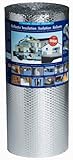
- Double-sided Reflectix insulation roll (for optimal R-value insulation).
- Matte black heavyweight fabric (to face outward for stealth aesthetics).
- 3M Super 77 multipurpose spray adhesive.
- Large sheets of poster board or butcher paper (for templating).
- Heavy-duty suction cups or small neodymium magnets.
Setup Steps
- Trace the exact outline of every single window onto your poster board to create precise master templates.
- Cut the Reflectix roll using your templates, leaving a tiny 1/4-inch overlap so they wedge tightly into the window frames.
- Spray the adhesive evenly over one side of the cut Reflectix panels.
- Press the matte black fabric smoothly onto the adhesive side, ensuring absolutely no wrinkles or reflective silver spots show through.
- Attach suction cups to the corners if your vehicle’s window frames don’t allow for a tight friction-fit.
Pro-Tip: Always face the black fabric outward toward the street. At night, silver Reflectix acts like a beacon under streetlights, completely ruining your stealth failure prevention strategy.
3. Configure a 12V Portable Power Station Setup

Don’t let a dead battery ruin your trip—pin this off-grid power guide!
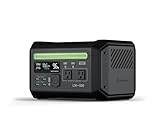
Modern vehicle dwelling requires a reliable power source separate from your car’s main battery. A dead starter battery is a catastrophic failure. A portable power station vs dual battery setup is a critical decision; for most cars, a plug-and-play solution like a Jackery power station is far more practical. It prevents battery drain from your vehicle’s primary system while allowing you to charge laptops, run fans, and power a fridge, which is essential for many digital nomad jobs.
Supplies Needed
- High-capacity lithium iron phosphate (LiFePO4) portable power station (min 500Wh).
- 12V car charging cable (usually included with the station).
- Portable folding solar panels (100W) for off-grid recharging.
- Pure sine wave inverter (if your station doesn’t have AC ports built-in).
- Cable management ties and heavy-duty velcro straps to secure the unit.
Setup Steps
- Calculate your daily watt-hour usage by checking the labels on your laptop charger, phone, and USB fans.
- Select a power station with at least 20% more capacity than your daily electrical load calculation requires.
- Secure the heavy battery unit deeply on the floor behind the passenger seat to maintain a low center of gravity and prevent it from becoming a projectile during transit.
- Route the 12V charging cable discretely under the floor mats to your vehicle’s cigarette lighter port to charge while driving.
- Connect your folding solar panels to the station only when safely parked in remote areas where stealth is not required.
Pro-Tip: Upgrading to a battery with lithium iron phosphate chemistry is crucial for car habitation. They withstand the extreme internal temperatures of a parked car far better than standard lithium-ion, preventing dangerous thermal runaway.
4. Design a Passive Ventilation System to Prevent Condensation

Stop waking up to damp windows—save this condensation hack!
Managing condensation and mold in car living is a constant battle. Your breath releases a surprising amount of moisture overnight, which condenses on cold glass and can lead to mold, rust, and bad odors. A passive ventilation system is mandatory. By combining rain guards with slightly cracked windows and a USB fan, you can create a constant, stealthy airflow that exhausts moist air without compromising security or letting in rain. Proper ventilation + condensation management is key to a healthy living environment.
Supplies Needed
- Vehicle-specific, dark-tinted rain guards (in-channel preferred over adhesive).
- Rechargeable oscillating USB fans (clip-on style).
- Mesh window screen covers (for bug prevention in summer).
- Mini portable dehumidifier (silica gel bead style, non-electric).
- Digital hygrometer to monitor interior humidity levels.
Setup Steps
- Clean the window channels thoroughly with rubbing alcohol to ensure a tight fit.
- Install the dark-tinted rain guards over your front and rear windows to hide the fact that your windows are cracked open.
- Roll down two opposite windows exactly 1.5 inches to create a cross-breeze hidden behind the deflectors.
- Mount a small USB fan to the grab handle above the door, pointing it outward to actively exhaust moist exhalations.
- Place silica-based dehumidifier bags near the windshield to absorb residual moisture from the micro-climate control system.
Pro-Tip: Condensation is the number one enemy of full-time car dwelling. If you skip ventilation to stay warm in winter, your breath will literally freeze to the inside of your windshield, immediately giving away your stealth location at sunrise.

5. Organize Clothing with Modular Under-Bed Storage Bins

Keep your tiny home clutter-free with this genius storage system!
In a micro-living environment, clutter is more than just an aesthetic problem; it causes significant psychological clutter stress. Effective car interior storage solutions for full time living rely on a system where every item has a designated home. Low-profile, modular bins that slide under your sleeping platform are the most space-efficient way to store a minimalist wardrobe and other essentials, keeping your main living area open and functional.
Supplies Needed
- Heavy-duty, low-profile plastic storage bins (measure platform clearance first).
- Soft-sided packing cubes for clothing compression.
- Velcro strips with heavy adhesive backing.
- Moisture-absorbing cedar blocks (for clothing protection).
- Label maker or color-coded tape (optional for extreme organization).
Setup Steps
- Measure the vertical clearance under your sleeping platform to ensure the bins will slide freely without scraping.
- Sort your minimalist wardrobe into distinct categories (climate, daily wear, undergarments) using soft packing cubes.
- Pack the cubes vertically inside the shallow storage bins (Marie Kondo style) so you can see every item without digging.
- Apply velcro strips to the bottom of the bins and the floor carpet to prevent the bins from violently sliding during hard braking.
- Designate the hardest-to-reach bin for off-season clothing, leaving the easily accessible rear bins for daily essentials.
Pro-Tip: Never use cardboard or cheap fabric bins on the floor of your car. Unseen moisture from wet shoes or minor leaks will rapidly cause mold. Stick to heavy-duty, weather-proof plastics for foundational storage.

6. Setup a Low-Profile 12V Refrigerator for Safe Food Storage

Ditch the messy ice coolers! Pin this essential 12V fridge setup.
The cooler vs 12v fridge debate is a short one for serious car dwellers: constantly dealing with melting ice is a wet, messy nightmare that leads to food spoilage and moisture problems. A true compressor-style 12V refrigerator is a game-changer. It allows you to store fresh produce, dairy, and leftovers safely, which saves a massive amount of money on eating out. To maintain food safety, you need a fridge that can hold a consistent temperature, even on hot days.
Supplies Needed
- Compressor-based 12V refrigerator (15L to 20L size is ideal for car footprints).
- Dedicated 12V heavy-gauge extension cable.
- Sturdy tie-down straps or bungee cords.
- Portable power station (as configured in step 3).
- Reusable silicone food storage bags (to maximize internal fridge space).
Setup Steps
- Select a compressor-style fridge rather than a thermoelectric cooler; thermoelectric units cannot safely maintain temperatures below 40°F in a hot car.
- Position the fridge in an easily accessible spot, like behind the driver’s seat, ensuring the compressor vents have at least 2 inches of breathing room.
- Secure the unit tightly using tie-down straps anchored to the vehicle’s original seat brackets to prevent shifting.
- Plug the fridge directly into your portable power station to ensure it runs 24/7 without draining your vehicle’s starter battery.
- Pack your food using flexible silicone bags rather than rigid plastic Tupperware to seamlessly mold around the interior walls and maximize capacity.
Pro-Tip: Pre-chill your 12V fridge using wall AC power before you move it into the car. The compressor works hardest during the initial cool-down phase; doing this saves a massive amount of your portable battery’s capacity.

7. Design a Compact Pull-Out Cooking Station

Save money on eating out! Pin this genius car kitchen build.
Being able to cook your own meals is essential for budget management. However, cooking inside a car safely is a major concern. Using an open flame like a butane stove requires maximum ventilation due to carbon monoxide risks. A simple slide-out kitchen from the trunk is the safest and cleanest solution for cooking in small spaces. It keeps grease, steam, and odors out of your living area, which is critical for long-term hygiene and fabric longevity.
Supplies Needed
- Low-profile, single-burner butane stove with carrying case.
- Heavy-duty sliding drawer tracks (if building a permanent pull-out).
- Bamboo cutting board (serves as a heat-resistant base).
- Small collapsible silicone cookware (pots/kettles to save space).
- Carbon monoxide detector (mandatory if cooking near the vehicle).
Setup Steps
- Build or buy a small, rigid wooden platform or drawer that extends out of your rear hatch/trunk to serve as a stable countertop.
- Mount your heat-resistant bamboo cutting board to the tray using strong velcro or rubberized grips to prevent sliding.
- Place your single-burner stove on the board only when the tailgate is fully open, ensuring maximum vertical clearance from the hatch door.
- Store your butane fuel canisters in a cool, shaded area of the vehicle away from direct sunlight to prevent thermal expansion and explosion risks.
- Cook all meals outside the cabin; if inclement weather forces you to cook under the hatch, ensure a cross-breeze is active.
Pro-Tip: Never cook inside a closed passenger cabin. Beyond the lethal carbon monoxide risk, boiling water releases massive amounts of steam that will instantly soak your headliner and lead to catastrophic mold issues within weeks.

8. Secure a Portable Hygiene and Collapsible Toilet Solution

Don’t get caught unprepared! Pin this emergency hygiene solution.
The question of how to poop when living in a car is often the biggest mental hurdle for aspiring nomads. While public restrooms and a gym membership are your daily drivers, having an emergency solution is mandatory for safety and peace of mind. A hygiene + portable toilet system that is collapsible and discreet is the best option for small cars. This ensures you can stay clean and manage emergencies without compromising your stealth or sanity during urban nomadism.
Supplies Needed
- Sturdy, collapsible folding camping toilet (folds completely flat).
- Medical-grade waste bags with absorbent gelling powder (“Wag Bags”).
- Biodegradable baby wipes.
- Hand sanitizer.
- Scent-proof, airtight dry bag for storing used waste bags overnight.
Setup Steps
- Choose a folding toilet design that collapses to less than 3 inches thick so it can be stored flat under your passenger seat.
- Line the extended toilet frame with a heavy-duty waste bag lined with specialized absorbent powder to neutralize liquids and odors instantly.
- Position the setup in the passenger footwell (if seats are pushed back) for privacy during late-night emergencies.
- Seal the waste bag securely after use, expelling as much air as possible to minimize the footprint.
- Store the sealed waste bag immediately inside an airtight, scent-proof dry bag until you can properly dispose of it in a commercial dumpster the next morning.
Pro-Tip: While a gym membership is your primary bathroom and shower facility, having an emergency closed-loop waste system in the car is non-negotiable for late-night food poisoning or extreme weather lock-ins.

9. Install a Roof Cargo Box to Maximize Interior Space

Double your living space with this easy exterior storage upgrade!
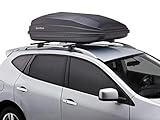
When you’re dealing with limited storage, the only way to go is up. A rooftop cargo box, like a Thule cargo box, can effectively double your storage capacity, allowing you to maximize your interior living area. By moving bulky, lightweight, and infrequently used items to the roof, you free up critical cabin space, making the interior feel far less cramped and more like a real home. Just be mindful of proper weight distribution for vehicle safety.
Supplies Needed
- Hard-shell, aerodynamic roof cargo box (Thule cargo box or similar).
- Factory or aftermarket aerodynamic roof crossbars.
- Heavy-duty step stool (collapsible, for easy loading/unloading).
- Weatherproof duffle bags (to organize gear inside the box).
- Silicone spray lubricant (for maintaining the box hinges).
Setup Steps
- Install your crossbars according to the manufacturer’s torque specifications to ensure they do not detach at highway speeds.
- Mount the cargo box centrally to evenly distribute wind resistance, pushing it back just enough so it doesn’t interfere with your open rear hatch.
- Pack your bulky, lightweight, off-season gear (sleeping bags, winter jackets, camping chairs) into weatherproof duffle bags.
- Load the bags into the cargo box, keeping the heaviest items precisely in the center, between the two crossbars, for proper weight distribution.
- Lock the box securely and check the latch tension before every major drive.
Pro-Tip: Remember that adding a roof box completely alters your vehicle’s height clearance. Write your new total vehicle height on a sticky note and place it on your sun visor so you don’t destroy your gear in a low parking garage.
10. Remove the Passenger Seat to Optimize Sedan Living Space

Transform your cramped sedan into a spacious tiny home! Pin this!
For those committed to sedan living hacks, this is the ultimate space creator. Learning how to remove car seats for more space can dramatically transform a cramped car like a Toyota Prius. The sleeping + passenger seat removal combination creates a massive, flat area perfect for an extended bed, a cooler, or bulk storage. While it’s a more advanced modification, this single decision can make a small sedan living space genuinely comfortable for one person.
Supplies Needed
- Metric socket wrench set (usually 14mm or 17mm for seat bolts).
- Automotive trim removal tool.
- Electrical tape and zip ties.
- Custom-cut plywood board (to create a flat floor over the exposed metal).
- Resistor kit (optional, to bypass the airbag warning light).
Setup Steps
- Disconnect the vehicle’s negative battery terminal and wait exactly 15 minutes before touching anything to drain the airbag capacitor.
- Unbolt the four main heavy-duty bolts securing the passenger seat tracks to the floorboard.
- Tilt the seat back gently and disconnect the yellow airbag and seatbelt sensor harnesses using your trim tool.
- Remove the seat carefully through the front door (it will be surprisingly heavy) and store it in a secure climate-controlled location.
- Build a small plywood deck to cover the exposed wires and uneven floor, creating a massive, flat cavern for your cooler or an extended sleeping platform.
Pro-Tip: Removing the front seat will likely trigger an SRS/Airbag warning light on your dashboard. In some states, this will cause you to fail an annual safety inspection, so check your local nomadic residency laws before committing to this build.

11. Configure a Stealth Mobile Office for Digital Nomads

Work from anywhere! Pin this genius steering wheel desk setup.
For many, the car living for digital nomads guide is the primary reason for this lifestyle. A functional mobile office setup is crucial for maintaining an income on the road. A simple steering wheel desk tray instantly creates an ergonomic workspace. When you configure this with a reliable power source and an internet connection, your driver’s seat becomes a productive hub, proving that digital nomad jobs are entirely sustainable from a well-planned vehicle.
Supplies Needed
- Steering wheel laptop desk tray (bamboo or sturdy plastic).
- Ergonomic lumbar support cushion for the driver’s seat.
- Portable mobile hotspot or high-gain cellular antenna.
- Portable power station (from step 3) for laptop charging.
- Privacy screen filter for your laptop to maintain stealth aesthetics.
Setup Steps
- Park safely and turn the vehicle engine off. Never deploy a steering wheel desk while the vehicle is running.
- Turn the steering wheel 180 degrees so it is upside down; this provides the flat edge necessary to securely hook most laptop trays.
- Hook the desk tray onto the bottom rim of the steering wheel until it sits perfectly level.
- Adjust your driver’s seat back slightly and place your lumbar cushion behind you to prevent the severe hunching common in mobile setups.
- Apply a privacy screen to your laptop to prevent passersby from seeing the glowing screen through the windshield at night.
Pro-Tip: If you require heavy data usage for video calls, park near a public library to utilize their free high-speed broadband rather than draining your expensive mobile hotspot data caps.

Key Takeaways: Your Quick Guide to Car Living Space
Transforming your car into a viable living space hinges on a few core principles. This isn’t just about camping; it’s about creating a sustainable system for daily life. Mastering these foundational concepts will be the difference between a stressful ordeal and a successful, long-term mobile lifestyle.
- Prioritize Total Blackout Privacy: Perfecting your stealth aesthetics with custom-cut, black-facing window inserts is non-negotiable for avoiding parking tickets and nighttime harassment in urban environments.
- Manage Moisture Ruthlessly: Installing passive ventilation systems like window rain guards paired with fans is mandatory to prevent toxic mold and condensation buildup.
- Decouple Your Power Supply: Investing in a standalone lithium iron phosphate portable power station prevents catastrophic starter battery failure and powers your 12V refrigerator safely.
- Flatten the Sleeping Surface: Eliminating uneven gaps by removing seats or building custom platforms prevents chronic back pain, which is the fastest way a car home conversion fails.
- Contain the Chaos: Implementing rigid, modular storage bins is the only way to manage a minimalist wardrobe and avoid debilitating psychological clutter stress.
- Prepare for Biological Emergencies: Maintaining a discreet, collapsible toilet system ensures safety and hygiene during extreme weather or illness, bridging the gap between public facilities.
People Also Ask About Car Living Space
How to live in a car comfortably?
To live in a car comfortably, you must prioritize a flat sleeping platform, reliable off-grid electricity, and extreme organization to reduce clutter. Achieving true comfort in a compact car living situation requires treating the vehicle like a micro-apartment. This means separating your space into zones: a dedicated sleeping area with memory foam, a food storage zone utilizing a 12V refrigerator, and a secure power source like a Jackery to run fans and charge devices without draining the car battery.
Is it illegal to live in your car?
Living in your car is not federally illegal, but local city ordinances strictly regulate where and for how long you can park overnight. Navigating nomadic residency laws requires checking municipal codes. Many cities ban overnight parking on public streets to discourage urban stealth camping. To avoid fines, rely on designated safe parking programs, 24-hour business lots that explicitly allow overnight stays, or utilize a robust stealth setup that makes the vehicle appear completely unoccupied.
How to deal with condensation in a car?
You can deal with condensation in a car by installing window deflectors, keeping two windows cracked an inch, and running a small USB fan to create cross-ventilation. Human breath releases significant moisture overnight. Without a passive ventilation system, this moisture hits cold auto glass, creating condensation that ruins electronics and breeds black mold. You cannot simply seal the car to stay warm; airflow is mandatory for healthy vehicle dwelling.
Where to shower when living in a car?
The most reliable place to shower when living in a car is at a national 24-hour gym chain like Planet Fitness or Anytime Fitness. A nationwide gym membership is the cornerstone of vehicle hygiene. For around $25 a month, it provides unlimited access to hot showers, clean flushing toilets, a safe place to park for a few hours, and free Wi-Fi, making it a critical asset for maintaining occupational hygiene.
How to stay warm living in a car?
To stay warm, insulate the floor underneath your sleeping pad, use a 0-degree rated mummy sleeping bag, and wear moisture-wicking merino wool base layers. Never idle your engine or use an open-flame propane heater inside a closed car overnight due to the extreme risk of carbon monoxide poisoning. Instead, trap your body heat. Focus on high R-value insulation beneath your body to stop thermal bridging from the cold metal frame.
Where to park overnight for car living?
Safe overnight parking spots include designated city safe-parking programs, truck stops, BLM public lands, and rest areas with 24-hour facilities. When stealth parking in urban environments, rotate your spots daily. Arrive late at night and leave before sunrise. Industrial parks, hospital parking garages (often paid but secure), and streets alongside large apartment complexes are generally safer and less conspicuous than residential neighborhoods.
How to organize a small car for living?
Organize a small car by removing unnecessary seats, utilizing modular low-profile bins under your bed, and hanging soft storage organizers behind the front seats. In a minimalist car setup, everything must have a dedicated home. Use packing cubes to compress clothing, and rely on heavy-duty plastic bins on the floorboards to protect gear from moisture. Vertical space is your best friend—use the ceiling handles and seatbacks to store daily essentials.
How to poop when living in a car?
Manage emergency bathroom needs by keeping a flat-folding collapsible toilet lined with specialized absorbent waste bags (Wag Bags) tucked under a seat. While public restrooms and gyms should be your primary facilities, emergencies happen. These specialized bags contain powder that instantly gels liquid and neutralizes odors, allowing you to seal the bag in an airtight container until you can safely dispose of it in a commercial dumpster.
Can you live in a sedan?
Yes, you can live in a sedan by removing the front passenger seat to create an extended, flat sleeping platform that stretches from the dashboard to the trunk. While SUV living quarters are preferred, sedan living hacks are highly effective for extreme minimalists. Sedans actually offer better stealth because tinted trunks completely hide your belongings, though you will sacrifice the ability to sit up fully in bed.
How to get mail when living in a car?
You can receive mail while living in a car by renting a private PO Box, using a professional mail forwarding service, or utilizing Amazon Lockers for packages. For official documents requiring a physical street address (like vehicle registration and insurance), virtual mailbox services provide a physical address that scans your mail and forwards it to you anywhere in the country, solving one of the biggest logistical hurdles of the nomadic lifestyle.
Final Thoughts on Car Living Space
Transitioning into a car based lifestyle is an exercise in extreme minimalism, discipline, and creative problem-solving. As we’ve covered in these 11 proven setups, successfully managing a car living space goes far beyond tossing a sleeping bag into the back seat. It requires treating your mobile living unit with the exact same respect and infrastructural planning you would give a traditional house.
By prioritizing your physical comfort with a leveled sleeping platform, addressing the biological realities of condensation and hygiene, and mastering the art of stealth aesthetics, you can turn a cramped vehicle into a highly efficient, money-saving sanctuary. Remember that the goal isn’t just survival—it’s creating a sustainable, safe environment that allows you to thrive while maintaining your financial freedom and mobility.
Before you permanently remove any seats or drill into plastic trim, spend a weekend doing a “dry run” in your driveway. Test your window covers for light leaks, monitor the interior temperature, and practice your nightly routine. The road to successful vehicle dwelling is paved with preparation.
What is the biggest challenge holding you back from starting your own car conversion? Let me know in the comments below, and I’ll share my best troubleshooting tips to get your build off the ground
Last update on 2026-04-13 / Affiliate links / Images from Amazon Product Advertising API
![No Build Car Living: 9 Proven Stealth Tips for [year]](https://i0.wp.com/carxplorer.com/wp-content/uploads/2026/04/No-Build-Car-Living-9-Proven-Stealth-Tips-for-year-1.webp?resize=60%2C60&ssl=1 "No Build Car Living: 9 Proven Stealth Tips for [year] 24")


![Car Living Trunk Setup: 7 Stealth Storage Hacks in [year]](https://i0.wp.com/carxplorer.com/wp-content/uploads/2026/04/Car-Living-Trunk-Setup-7-Stealth-Storage-Hacks-in-year-1.webp?resize=60%2C60&ssl=1 "Car Living Trunk Setup: 7 Stealth Storage Hacks in [year] 30")
