
Ever tried to get a good night’s sleep in your car, only to wake up cramped, cold, and with foggy windows? You know the freedom that car living sedan style promises, but the reality of limited space and the need for discretion feels like an impossible puzzle. It’s a constant battle against clutter and prying eyes.
You can live comfortably in a sedan by using a no-build setup focused on modular, multi-use gear. The key is to create separate zones for sleeping, storage, and daily activities that can be quickly converted back to a normal-looking car. This involves using removable bed platforms, blackout window covers for privacy, and efficient trunk storage systems.
Based on months of full-time experience and testing dozens of configurations, this guide delivers proven methods. We’ll show you exactly how to transform your everyday sedan into a stealthy, comfortable, and highly organized four-wheel home. You’ll discover 11 essential hacks that require no permanent modifications, turning constraints into your greatest advantage.
How Can You Live Comfortably in a Sedan With a No-Build Setup?
Living comfortably in a sedan isn’t about having more space; it’s about using the space you have with maximum efficiency and stealth. The goal of a no build sedan setup is to create a livable environment that can vanish in minutes, leaving no trace that your car is anything more than a commuter vehicle. This approach addresses the core challenges of space saving, privacy, and temperature regulation without permanent, costly, or complicated modifications. By focusing on modular, multi-purpose solutions, you can create a system that is both comfortable and completely discreet. The following 11 hacks are the building blocks of this system, providing actionable, low-cost ways to turn your sedan into a capable micro-home for travel or full-time living.
11 Stealth Hacks for a Perfect No-Build Sedan Setup
This is the heart of your transformation from a car owner to a master of sedan life. Each of the following hacks is a proven method drawn from real-world application, designed to solve a specific problem you’ll face. We’ve broken down each hack into a simple “What You Need / How to Set It Up” format, making this a functional blueprint you can follow step-by-step. Forget guesswork; these are the minimalist car living tips for beginners and seasoned travelers alike that form a complete, cohesive system for a perfect no build sedan setup.
1. Configure a Removable Back Seat Bed for Ultimate Stealth

Pin this simple back seat bed idea to your ‘Car Camping’ board!
A comfortable night’s sleep is the foundation of sustainable car living. The challenge in a sedan is creating a flat, supportive surface that can disappear during the day. Your goal is a back seat bed that is both cozy and completely removable. This setup must convert your car from a vehicle to a bedroom in under five minutes. For common sedans like the Toyota Camry or Honda Civic, a twin-size width is often the perfect fit.
What You Need
- A measuring tape
- A collapsible back seat mattress (either inflatable with a 12v pump or a tri-fold memory foam topper)
- A level/gap filler for the footwell (can use stacked books, storage bins, or custom-cut foam blocks)
- Bedding: A fitted sheet, a compact sleeping bag or comforter, and a pillow
How to Set It Up
- Measure your back seat area from door to door and from the back of the front seats to the rear seat cushion edge.
- Position the footwell fillers to create a flat, level surface continuous with the seat cushion.
- Deploy the mattress. If inflatable, use the 12v pump to fill it. If foam, unfold it across the seat and fillers.
- Make the bed with your fitted sheet and bedding.
- Practice the 2-minute takedown: deflate/fold the mattress and store it in the trunk along with bedding.
Pro-Tip: In my experience, a 4-inch tri-fold memory foam topper provides better back pain relief and insulation from the cold than most air mattresses, and it can’t be punctured. It also deploys faster.

2. Install DIY Removable Privacy Window Covers

Total privacy in minutes. Pin this privacy window covers hack for your next trip!
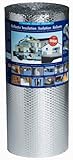
For both safety and peace of mind, total privacy is non-negotiable. Privacy window covers are essential for stealth car camping as they block all light from entering or exiting your vehicle, making you invisible at night. These custom-fit, insulated panels also provide excellent temperature regulation. The key is to make them low profile and completely light-proof. Based on hands-on review, cutting them slightly larger than the window ensures a tight friction fit that won’t fall out.
Supplies Needed
- A roll of Reflectix insulation
- Cardboard or poster board for making templates
- Black fabric (like felt or fleece) or black spray paint (Plasti Dip works well)
- Heavy-duty spray adhesive
- A marker and a sharp utility knife or scissors
How to Set It Up
- Create templates for each window using the cardboard. Trace the inside edge of the window frame, numbering each template.
- Trace the templates onto the Reflectix material and carefully cut them out. Cut them about 1/4 inch larger than the template for a snug friction fit.
- Test fit each panel. Trim as needed until they press perfectly into the window frame without falling out.
- For ultimate stealth, attach the black fabric to one side of each panel using spray adhesive. This side will face outwards, making your windows look tinted or dark from the outside.
- Store the panels flat under your mattress, in the trunk, or in a seat-back organizer when not in use.
Pro-Tip: For the highest level of stealth etiquette, avoid using the shiny silver side of the Reflectix facing out. It screams “camper.” The black fabric method is a proven method for blending in, especially in urban environments.
3. Organize with a Modular Trunk Storage System

A place for everything! Pin this trunk storage organization hack to declutter your sedan life.
Your trunk is your garage, closet, and pantry all in one. Effective trunk storage organization is what separates a chaotic, stressful experience from a smooth, efficient one. The solution is a modular system using storage bins that secures gear and keeps your main cabin clear for living. Based on full-time experience, creating “kits” for different activities (kitchen, hygiene, clothes) is a proven method for maintaining order and making daily setup a breeze. This utilitarian approach is all about space saving.
What You Need
- A variety of collapsible fabric storage bins and cubes
- A label maker or masking tape and a marker
- A trunk cargo net (optional, for securing items on top)
How to Set It Up
- Empty your trunk completely.
- Categorize all your gear into logical groups: Kitchen, Clothes, Toiletries, Tools, Electronics, etc.
- Assign each category to a specific bin. Use smaller bins for smaller categories. This creates your modular “kit” system.
- Label each bin clearly on at least two sides. This is crucial for finding things quickly without unpacking everything.
- Arrange the bins in the trunk like a puzzle. Place less-frequently used items (like seasonal clothes or tools) in the back, and daily-use items (like your cooking kit) near the front for easy access.
- Secure any loose items on top with a cargo net to prevent shifting while driving.
Pro-Tip: Before buying bins, play “Tetris” with cardboard boxes in your trunk to find the optimal dimensions and arrangement. This helps you purchase the right sizes and avoid wasted space, a key lesson in vehicle weight distribution and efficiency.

4. Deploy a System for Active Condensation Control

Breathe easy. Pin this condensation control hack to keep your car dry and mold prevention on point.
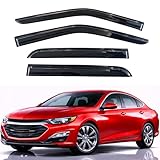
Condensation control is your most important daily chore. Your breath releases a surprising amount of water vapor overnight, and without a way to escape, it will coat your windows and lead to dampness and mold prevention issues. A proper system requires ventilation. Window deflectors are critical because they enable you to crack your windows for airflow in a discreet and weatherproof way, creating a healthy ventilated space.
What You Need
- A set of window deflectors (also called rain guards) custom-fit for your sedan model
- One or two large, renewable moisture absorbing canisters (like DampRid)
- A small, rechargeable fan to circulate air
How to Set It Up
- Install the window deflectors on at least two windows (diagonally opposite corners are best, e.g., driver’s front and passenger’s rear). This is a simple, no-drill process for most models.
- Place a moisture absorber in the front cupholder area and another in the rear window deck.
- At night, crack the protected windows about one inch. The deflectors prevent rain from getting in and make the opening nearly invisible from the outside.
- Position the rechargeable fan to gently blow air towards one of the cracked windows, creating active airflow.
- “Recharge” your moisture absorbers regularly according to their instructions (e.g., in a microwave or oven) to maintain their effectiveness.
Pro-Tip: The combination of passive absorption (canisters) and active cross-ventilation physics (cracked windows + fan) is the most effective proven method for condensation control and mold prevention. Relying on just one is rarely enough.
5. Mount a Portable Power Station for Off-Grid Energy

Stay charged anywhere. Pin this power station hack for your digital nomad infrastructure.
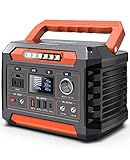
To live comfortably in the modern world, you need electricity. A portable power station is the heart of your sedan’s auxiliary battery system, allowing you to charge your phone, laptop, and lights without any risk of battery drainage from your car’s starter battery. This self-contained, portable unit is the core component of any sedan-based digital nomad infrastructure. A quality power station from a brand like Jackery or EcoFlow connects to your devices and can be recharged while you drive.
What You Need
- A portable power station (a 300-500 watt-hour unit from a brand like Jackery or EcoFlow is a great starting point)
- The station’s 12v car charging cable
- Optional: A foldable solar panel (50-100w) compatible with your power station
How to Set It Up
- Identify a secure, well-ventilated spot for your power station. The passenger footwell or a dedicated spot in the trunk often works well.
- Charge the power station fully at home or a coffee shop before you leave.
- While driving, recharge the power station using its 12v car charging cable. This tops it off using the alternator’s “free” power without ever draining the starter battery when parked.
- When parked, plug all your devices (phone, laptop, fan, lights) directly into the power station’s USB or AC outlets.
- If you have a solar panel, deploy it on your dashboard or roof (when parked) to recharge the station on sunny days, making you truly self-sufficient.
Pro-Tip: Always choose a power station with a Lithium Iron Phosphate (LiFePO4) battery if possible. They are safer, last for thousands more charge cycles than standard Lithium-ion, and are the industry standard for serious vehicle residency.
6. Conceal a No-Cook Kitchen & Pantry Kit

Eat well on the road. Pin this no-cook portable camping stove alternative for ultimate stealth.
Cooking in a sedan is a major challenge due to safety risks and lingering smells. The most discreet and minimalist solution is a no-cook kitchen kit. This odor-free, compact system enables you to prepare healthy meals without using a stove inside your car, which is essential for odor elimination and safety. Remember the safety checklist rule: NEVER use a butane or propane stove inside your car due to the deadly risk of carbon monoxide poisoning.
What You Need
- A dedicated, labeled fabric bin (the “Kitchen Kit”)
- A small, flexible cutting board
- A single good knife with a sheath
- A long-handled spork or travel utensil set
- A collapsible bowl and mug
- Pantry items: instant oatmeal, protein bars, nuts, dried fruit, tortillas, peanut butter, tuna packets
- A small, well-sealed trash bag system
How to Set It Up
- Assemble all your kitchen items into your designated, labeled kitchen bin. This is your entire kitchen, ready to go.
- Organize your pantry items. Group them into daily rations or meal types to make grabbing what you need simple.
- Prioritize no-cook meals: overnight oats (just add water the night before), tortilla wraps, salads, and trail mix.
- Establish a strict “clean as you go” rule. Immediately wipe down all utensils and surfaces and seal all trash to ensure odor elimination.
- Your entire kitchen kit should live in your trunk. Only bring the specific items you need for one meal into the cabin to minimize clutter.
Pro-Tip: For hot water for coffee or rehydrating meals, don’t boil it in the car. Instead, get a high-quality insulated thermos (like a Stanley or Zojirushi) and fill it with hot water from a gas station or coffee shop in the morning. It will stay hot for hours.

7. Maximize Space by Removing the Passenger Seat

The ultimate space saving hack. Pin this passenger seat removal guide to unlock massive storage potential.
This is the single most impactful hack for long-term sedan dwellers. Passenger seat removal is a completely reversible modification that maximizes space in a way nothing else can. The newly created open floor space is utilitarian and transformative, creating a spacious area that facilitates storage for bulky items like a 12v car fridge, a water jug, or a large backpack. A critical safety checklist item: always disconnect your car’s battery before unplugging any airbag sensors under the seat.
Tools Required
- A socket wrench set that matches your car’s seat bolts
- A small piece of plywood or a rigid storage container to create a flat floor
- A blanket or moving pad to protect your car’s interior during removal
Process
- SAFETY FIRST: Disconnect the negative terminal on your car’s battery and wait 15 minutes.
- Move the passenger seat all the way back to access the front bolts. Use your socket wrench to remove them.
- Slide the seat all the way forward to access the rear bolts and remove them.
- Carefully tilt the seat back. Look underneath for any electrical connectors (usually bright yellow for airbags). Gently unclip them.
- With a helper if possible, lift the seat out of the car, using a blanket to protect the door sill from scratches.
- Store the seat and bolts in a safe, dry place (like a public storage unit) for reinstallation later.
- Place your plywood platform or a sturdy, flat-topped storage bin in the new space to create a level surface for your gear or a 12v car fridge.
Pro-Tip: This single hack is the biggest game-changer for full time sedan living. The extra space is transformative, allowing you to keep your bed permanently set up in the back while still having easy access to clothes, food, or a fridge.

8. Set Up a Hygiene & Shower Solution with a Gym Membership

Stay fresh on the road. Pin this gym membership shower hack for easy hygiene + gym management.
Wondering where to shower when living in a car? The answer for most is a 24/7 gym membership. This simple solution solves the problem of hygiene management by providing clean, reliable, and accessible showers and bathrooms. From a real-world application standpoint, think of the membership fee as your “utility bill.” The hygiene + gym co-occurrence becomes a cornerstone of the nomadic lifestyle, offering a safe, climate-controlled space to refresh and recharge.
What You Need
- A gym membership with a nationwide chain (e.g., Planet Fitness, 24 Hour Fitness)
- A dedicated “Hygiene Kit” bag
- A hanging toiletry bag
- Travel-size, refillable containers for soap, shampoo, etc.
- A quick-dry microfiber towel
- A pair of shower sandals/flip-flops
How to Set It Up
- Research and sign up for a gym that has numerous locations in the areas you plan to travel. The top-tier membership for nationwide access is usually worth it.
- Assemble your Hygiene Kit. Keep the hanging toiletry bag fully stocked and ready to go at all times. This eliminates daily packing and forgetting items.
- Develop a routine. Decide if you’re a morning or evening shower person and try to stick to it. Routine makes vehicle residency feel more stable and less chaotic.
- Use the gym for more than just showers. It’s a safe, climate-controlled place to charge your devices, use Wi-Fi, stretch, and get out of the car.
- For in-between cleanings, keep a small kit in your car with dry shampoo car living essentials, face wipes, and hand sanitizer.
Pro-Tip: Many gyms have massage chairs or “total body enhancement” booths. Using these regularly is a huge boost for morale and for dealing with the physical stress of sleeping in a car. It’s a small luxury that makes a big difference.

9. Create a Low-Profile “Cockpit” Workstation

Work from anywhere. Pin this driver’s seat laptop + work setup for the ultimate mobile office.
For the digital nomad, a functional workspace is essential. This low profile cockpit setup turns your driver’s seat into a surprisingly effective mobile office. This removable workstation integrates with the steering wheel and facilitates travel by allowing you to handle laptop + work tasks from anywhere. This creates a clear functional divide: the front of the car is for driving and working, while the back is for sleeping. This separation is key to maintaining sanity in a compact space.
What You Need
- A steering wheel desk/tray
- A car headrest tablet/phone mount (optional)
- A good pair of noise-canceling headphones
- A mobile hotspot or a phone plan with plenty of data
How to Set It Up
- Configure your driver’s seat for work mode. Push the seat all the way back and recline it slightly for maximum legroom and comfort.
- Attach the steering wheel desk. These simple trays hook onto the bottom of your steering wheel, creating a surprisingly stable surface for a laptop.
- Organize your essentials. Use a passenger seat organizer for your chargers, notebooks, and pens to keep your “desk” clear.
- Find your work spot. Park facing away from high-traffic areas. A library, cafe, or big-box store parking lot can be great for free Wi-Fi. Knowledge of stealth parking psychology is a major asset here.
- When you’re done working, the entire setup can be stowed away in less than 30 seconds. The steering wheel desk is thin and slides easily between the seat and the center console.
Pro-Tip: To avoid back pain, take breaks every hour to get out and stretch. The ergonomics of a car office are a compromise, so active management of your posture is key for long-term stress management and health.

10. Install a Roof Box for Bulky & Seasonal Gear

Expand your world. Pin this roof box guide to double your storage and free up your living space.
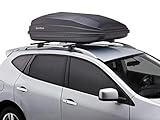
A roof box is the sedan dweller’s secret weapon, effectively acting as an attic or garage. This lockable, weatherproof storage solution integrates with roof racks to secure gear externally, solving the internal space saving challenge. It’s the perfect place to store bulky or infrequently used items, freeing up valuable interior space. While a sedan vs suv camping comparison often highlights the SUV’s storage, a sleek roof box levels the playing field significantly.
What You Need
- A roof rack system compatible with your sedan model (crossbars and towers)
- A low profile, aerodynamic roof box (brands like Thule or Yakima are industry standards)
How to Set It Up
- Install the roof rack system first. Follow the manufacturer’s instructions precisely to ensure it’s secure. This is the foundation and must be done correctly.
- With a helper, lift and mount the roof box onto the crossbars.
- Adjust the box’s position so it is centered and does not overhang the windshield (which can create wind noise) or interfere with opening the trunk.
- Secure the box to the racks using its built-in clamping mechanism. Double-check that all clamps are tight and locked.
- Designate the roof box for specific items. This is the perfect place to store bulky bedding during the day, seasonal clothing, sports equipment, or emergency supplies.
Pro-Tip: Expect a small drop in MPG, but the tradeoff for a livable interior is a real-world application win. Choose a low-profile, aerodynamic model to minimize this. Invest in packing cubes for your roof box to keep it as organized as your interior.
11. Secure Your Vehicle with Layered Safety Measures

Sleep soundly. Pin this safety + locking hack for peace of mind in your four-wheel home.
Personal safety is paramount. A layered security system is the best approach, addressing the core problem of safety + locking for urban boondocking. This involves a visible deterrent to make your car an unattractive target, physical locks to make it hard to enter, and an audible alarm for emergencies. Your emergency protocol should be simple: always park facing out for a quick exit and keep your keys in the exact same spot every night.
What You Need
- A highly visible steering wheel lock (like The Club)
- A small personal safety alarm keychain
- Optional: A motion-sensing 12v alarm (can be placed on the dashboard)
- Knowledge of your car’s manual lock override
How to Set It Up
- Create a Visual Deterrent: Every night, without fail, secure the steering wheel lock. This is one of the most effective ways to make a potential thief move on to an easier target.
- Disable Electronic Unlocking: Many cars allow you to disable the feature where one door pull unlocks all doors. Consult your manual to set it so only the driver’s door unlocks, giving you more control.
- Keep Your Alarm Handy: Keep the personal safety alarm keychain within arm’s reach while you sleep. If you feel threatened, pulling the pin will create an incredibly loud noise to attract attention and scare off intruders.
- Trust Your Gut: The most important safety tool is your intuition. If a parking spot feels wrong, leave. No questions asked. Use apps like iOverlander to find spots with positive reviews from other travelers.
Pro-Tip: For female solo car living safety, share your location with a trusted friend via your phone. Also, consider adding a simple curtain or fabric panel behind the front seats. This blocks the view from the front windshield into your sleeping area, adding a significant layer of privacy and security.

Key Takeaways: Your Quick Guide to Car Living Sedan
- Stealth is Your Primary Goal: The core of successful car living sedan is blending in. Your setup should be completely invisible from the outside, meaning blackout window covers and a car that looks empty during the day are non-negotiable.
-
Modularity Equals Freedom: A true no build sedan setup relies on gear that can be set up and torn down in minutes. Prioritize collapsible, foldable, and removable items over anything permanent.
-
Create Zones for Sanity: Separate your car into functional areas. The driver’s seat is the “office,” the back seat is the “bedroom,” and the trunk is the “garage.” This organization prevents chaos in a small space.
-
Manage Moisture Proactively: Condensation control is a daily battle you must win to prevent mold and discomfort. A combination of cracking windows (using window deflectors) and using moisture absorbers is a proven method.
-
Power Independence is Key: Don’t rely on your car’s starter battery. A portable power station is a critical investment that enables a modern lifestyle by safely charging your electronics without the risk of being stranded.
-
Safety is a Layered System: Don’t rely on just one thing. Combine physical deterrents (steering wheel lock), situational awareness (choosing good parking spots via apps like iOverlander), and an emergency plan.
People Also Ask About Car Living Sedan
Is it legal to live in your car?
The legality of living in your car varies dramatically by city and state, and there is no single national law. Most regulations focus on prohibiting camping or overnight parking in specific areas. To stay legal, avoid parking in residential areas or places with “No Overnight Parking” signs. It’s crucial to research local ordinances for any city you plan to stay in for an extended period. Generally, being stealth and moving your vehicle daily is the best strategy to avoid legal issues.
How do you stay warm in a car at night during winter?
The key to staying warm is insulation and a proper cold-weather sleeping system, not running the engine. Use insulated window covers (Hack #2) to prevent heat loss through the glass and a sleeping bag rated for low temperatures (e.g., 0°F or -18°C). A wool blanket and wearing thermal layers to bed also make a huge difference. A low-wattage USB-powered electric blanket connected to your power station can provide hours of safe, dry heat.
Where is the safest place to park a sedan for sleeping?
The safest places are typically well-lit areas with 24/7 activity where your car blends in. Hospital parking lots (not the ER section), 24-hour gyms, and hotel parking lots (where cars are expected to be overnight) are often good choices. Using apps like iOverlander or FreeRoam to find spots vetted by other users is highly recommended. Always trust your gut; if a spot feels unsafe, leave immediately.
How do you manage hygiene and stay clean?
A nationwide gym membership is the most common and effective solution for daily showers and bathroom access. For in-between cleanings, use a kit with face wipes, hand sanitizer, and dry shampoo car living essentials. Maintaining a strict cleaning routine inside the car, like wiping down surfaces and managing trash daily, is also critical for hygiene management.
What is the best sedan for car living?
The best sedan for car living is often a reliable, fuel-efficient model with a flat-folding back seat, like a Toyota Camry, Honda Accord, or even a Tesla Model 3. These models are known for their reliability and the relatively large, flat space created when the seats are down. However, almost any sedan can be made to work with the no build sedan setup hacks outlined in this guide.
How much does it cost to live in a car?
Excluding car payments and insurance, many people live comfortably on $500-$1000 per month. Your main expenses will be gas, food, and a gym membership. The cost varies greatly depending on how much you drive and your eating habits. It is almost always significantly cheaper than renting, which is a primary motivation for many who choose the nomadic lifestyle.
How do you handle condensation and prevent mold?
You must have active ventilation every single night, even when it’s cold. This is the most critical part of condensation control. Install window deflectors so you can crack two windows for cross-flow without letting rain in. Supplement this by using renewable moisture-absorbing canisters to pull excess humidity from the air for mold prevention.
Can two people live in a sedan?
While possible, it is extremely challenging and not recommended for long-term living. The space is very limited, and managing gear and personal space for two people in a sedan requires extreme minimalism and organization. It can work for short-term sedan car camping trips but is much more difficult for full time sedan living compared to a sedan vs van setup.
How do you get mail when living in a car?
The most common solutions are getting a P.O. Box or using a mail forwarding service. Mail forwarding services (like those popular with RVers) can scan your mail and email it to you, forwarding important packages to a location of your choice, such as a UPS Store or Amazon Locker. This is a key piece of digital nomad infrastructure.
Is sedan living harder than van life?
Yes, in many ways sedan living is harder due to the significant space constraints and need for absolute stealth. Van life allows for more amenities like standing room, permanent beds, and larger kitchens. However, sedan living is cheaper, more discreet, more fuel-efficient, and can access places (like parking garages) that vans cannot, offering a different set of advantages.
Final Thoughts on Mastering Car Living in a Sedan
Successful car living sedan style isn’t about enduring hardship; it’s about intelligent design and a minimalist mindset. By embracing modularity and prioritizing stealth, you transform your car from a simple mode of transport into a highly capable, comfortable, and discreet mobile dwelling. The limitations of a sedan force you to be resourceful, organized, and efficient—skills that serve you far beyond life on the road. With these proven methods, your journey to a successful car living sedan experience is not just possible, but poised for adventure.
Which of these hacks are you most excited to try first?
Last update on 2026-04-08 / Affiliate links / Images from Amazon Product Advertising API


![Car Living Clothes Storage: 11 Smart Ways to Organize for [year]](https://i0.wp.com/carxplorer.com/wp-content/uploads/2026/04/Car-Living-Clothes-Storage-11-Smart-Ways-to-Organize-for-year-1.jpg?resize=60%2C60&ssl=1 "Car Living Clothes Storage: 11 Smart Ways to Organize for [year] 28")
![Car Living With Cats: 7 Ultimate Tips for a Happy [year] Life](https://i0.wp.com/carxplorer.com/wp-content/uploads/2026/04/Car-Living-With-Cats-7-Ultimate-Tips-for-a-Happy-year-Life-1.jpg?resize=60%2C60&ssl=1 "Car Living With Cats: 7 Ultimate Tips for a Happy [year] Life 30")
