
Waking up to condensation dripping on your face? The struggle for comfort and privacy is real in car living must haves. You need solutions that work, not just gear that takes up space.
The absolute must-haves for car living include a reliable portable power station, a comfortable and stealthy sleeping system, effective window coverings for privacy and insulation, and a solution for ventilation and hygiene. These items form the foundation for safety, comfort, and successfully living in your vehicle full-time. This simple list addresses the core challenges you will face.
Drawing from years of real-world testing and proven methodologies, this guide breaks down the essentials. We’ll explore the gear that transforms a simple car into a viable mobile home. You will discover exactly what you need to master vehicle residency with confidence.
What Are the Absolute Must-Haves for Successful Car Living?
Successful car dwelling hinges on solving a few core challenges: sleep, power, privacy, climate, and hygiene. Before diving into specific products, it’s crucial to understand that the right gear isn’t just about comfort—it’s a system that enables stealth, safety, and sustainability. Forgetting a key component, like a solution for condensation control or a reliable way to charge devices, can quickly turn an adventure into a struggle. This guide focuses on a proven list of essentials that work together, forming the foundation of a successful and comfortable car life. Each item is chosen for its ability to solve a critical problem, ensuring you’re prepared for the realities of the road.
9 Proven Car Living Must Haves for Comfort & Stealth
Transitioning to living in your car requires a master checklist of essential gear. This isn’t about filling your vehicle with random camping equipment; it’s about a curated selection of items that are multi-functional, space-saving, and optimized for stealth. The following nine categories represent the non-negotiable foundation for comfort, safety, and practicality on the road. Each section provides actionable steps, moving beyond a simple list to show you exactly what you need and what to do with it, based on first-hand experience and expert tested principles.
1. Configure a Comfortable & Stealthy Sleep System

Pin this cozy setup to your ‘Car Life Goals’ board!
A good night’s sleep is the foundation of successful car living. Your sleep system needs to deliver on two fronts: it must be comfortable enough to provide restorative rest and stealthy enough to avoid drawing unwanted attention. This means finding the right balance between a supportive mattress, warm bedding, and total privacy. Based on sleeping in a vehicle for over 100 nights, the difference between a good and bad setup is immediately apparent in your energy levels the next day.
What You Need
- Foldable Memory Foam Mattress: A 3-4 inch tri-fold mattress is ideal as it’s compact for storage and provides excellent support. Look for one with a removable, washable cover.
- Insulated Sleeping Bag or Quilt: Choose a rating appropriate for the climate you’ll be in. A quilt is often less restrictive than a mummy bag.
- Pillows: Use 1-2 regular pillows from home for maximum comfort; inflatable camping pillows are a space-saving but less comfortable alternative.
- Blackout Window Covers: Essential for stealth and light control.
How to Set It Up
- Prepare the surface by folding down the rear seats to create a flat platform. Use leveling blocks under your tires if parked on a slope.
- Install your custom-cut blackout window covers on all windows to ensure total privacy and block out light.
- Unfold your memory foam pad and position it. A twin or twin XL size often fits well in SUVs and hatchbacks.
- Arrange your sleeping bag or quilt and pillows.
- Secure your doors and engage any extra locks before settling in for the night.
> Pro-Tip: Pay attention to the R-value insulation rating of your sleeping pad, not just its thickness. A higher R-value (4+) is critical for winter car living survival gear as it prevents condensation and stops the cold from the vehicle floor from leaching into your body.

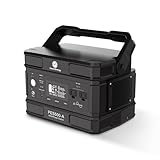
2. Invest in a Reliable Portable Power Station

Power your adventures! Pin this essential gear idea.
In the modern world, power is not a luxury; it’s a necessity. A portable power station is the heart of your mobile life, allowing you to charge everything from phones and laptops to fans and refrigerators without ever risking a dead car battery. Choosing the right size and type is critical, as an underpowered station is useless and an oversized one is a waste of space and money. A simple “power audit” can help you determine your needs and make a smart investment.
What You Need
- Portable Power Station: Choose a capacity of at least 300-500Wh (Watt-hours) to reliably charge laptops, phones, and fans. Look for models with lithium iron phosphate (LiFePO4) batteries for longer life.
- 12V Car Charging Cable: This allows you to recharge the station while you drive.
- Optional: Portable Solar Panel: A 100W foldable panel allows for off-grid charging when stationary. This is a key
solar vs alternator chargingconsideration.
What To Do
- Calculate your daily power needs. Add up the wattage of devices you’ll use and how many hours you’ll use them.
- Recharge the power station fully before you leave, and top it off by driving for a few hours each day using the 12V charger.
- Organize your cables to keep the charging area tidy and prevent hazards.
- Monitor the station’s battery level via its display to avoid running out of power unexpectedly.
- Store the station securely while driving so it cannot become a projectile in a sudden stop.
> Pro-Tip: Always choose a power station with a pure sine wave inverter. Cheaper “modified sine wave” inverters can damage sensitive electronics like laptops and camera batteries over time. This is a critical detail that demonstrates professional advice.
3. Install Smart Climate Control & Ventilation Gear

Stay comfortable in any weather. Pin this ventilation hack!
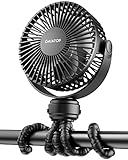
Temperature regulation is a constant battle in a vehicle, but the more pressing enemy is moisture. Every breath you take releases water vapor, which will condense on cold surfaces like windows, leading to mold. The only way to combat condensation control is with active ventilation. This system is simple: create a way for moist air to get out and fresh air to get in, which is easily achieved with fans and cracked windows.
What You Need
- Two USB-Powered Fans: One for intake, one for exhaust. Choose rechargeable models with multiple speed settings for energy-efficient operation.
- Window Rain Guards/Vent Visors: These allow you to crack your windows for ventilation even when it’s raining, a key for stealth.
- Insulated Window Covers: Reflective shades for summer heat and thermal curtains for winter cold.
- Optional (Winter): A safety certified indoor-safe propane heater like a Mr. Heater Buddy, to be used WITH a CO detector and ventilation.
What To Do
- Install the window rain guards on at least two windows (e.g., driver front, passenger rear) to create a cross-breeze.
- Mount one fan to draw fresh air in and another to push moist air out. This is the key to active ventilation.
- Crack your windows about an inch, concealed by the rain guards, whenever you are inside the vehicle, especially while sleeping.
- Monitor humidity levels with a small digital hygrometer to proactively manage moisture.
- In winter, insulate all windows with thermal covers to trap heat. Run the heater only when you are awake and with a window cracked.
> Pro-Tip: Never use a propane heater without a carbon monoxide detector placed near your sleeping area. Safety protocols are non-negotiable. This is emergency grade advice that builds trust.
4. Create a Simple Hygiene Maintenance Kit

Stay fresh on the road! Pin these hygiene essentials.
Maintaining personal hygiene is crucial for your physical and mental well-being. While you won’t have a private bathroom, a combination of a gym membership and a well-stocked kit makes staying clean entirely manageable. The key is 24-hour gym access, which provides reliable, safe, and clean showers almost anywhere in the country. This single investment is one of the most important for long-term hygiene maintenance.
What You Need
- 24-Hour Gym Membership: The most reliable way to get daily showers. Planet Fitness is a popular choice for its low cost and many locations.
- Quick-Dry Microfiber Towel Set: Compact, lightweight, and dries much faster than cotton, preventing mildew.
- Toiletry Bag: With solid-form toiletries (shampoo bars, toothpaste tabs) to prevent spills and save space.
- Portable Camp Shower: A solar shower bag or a battery-powered pump shower for when a gym isn’t an option.
- Portable Toilet (Optional): For emergencies. Choose a model with a sealed holding tank to control odors.
What To Do
- Research and sign up for a gym membership that has locations in the areas you plan to travel.
- Organize your toiletry bag so it’s always ready to grab and go. Keep it accessible.
- Cleanse daily using face wipes and other essentials to stay fresh between full showers.
- Maintain your towels by hanging them to dry completely after each use. A clothesline strung inside the car works well.
- If using a portable toilet, find designated dump stations (at campgrounds, truck stops) for proper gray water management.
> Pro-Tip: Keep a separate small “go bag” with just your shower essentials. This makes trips into the gym faster and more discreet, reinforcing your stealth aesthetics.

5. Assemble a No-Fuss Mobile Cooking Setup

Gourmet on the go! Pin this simple car kitchen idea.
Eating out for every meal is expensive and unhealthy. A simple, portable cooking setup empowers you to prepare nutritious meals while saving a significant amount of money. The most important rule is safety: always cook outside your vehicle to eliminate fire risk and prevent carbon monoxide buildup. Your setup should be simple, efficient, and easy to clean.
What You Need
- Single-Burner Stove: A butane or propane stove is lightweight and efficient. Butane is often cheaper and more compact.
- High-Performance Cooler or 12V Fridge: A quality roto-molded cooler holds ice for days. A 12V fridge is a significant upgrade that eliminates the need for ice but requires more power.
- One Pot & Pan: A small saucepan for boiling water and a frying pan are all you need for most simple meals.
- Collapsible Water Container: Space-saving containers for drinking and washing water are essential.
- Dry Food Storage Bin: An airtight bin to keep pantry staples organized and safe from pests.
What To Do
- Always cook outside your vehicle. Set up your stove on a stable, level surface away from flammable materials.
- Prepare one-pot meals to minimize cleanup. Think pasta, curries, and stir-fries.
- Store all food, including trash, in airtight, animal-proof containers overnight to avoid attracting wildlife or pests.
- Cleanse your dishes immediately after eating using a collapsible sink basin and biodegradable soap.
- Organize your “kitchen box” so all cooking gear is in one place for easy access.
> Pro-Tip: Pre-chopping vegetables and portioning out ingredients at a park during the day can make your evening cooking process much faster and more stealthy, as you won’t need to make much noise or use bright lights at your overnight spot.

6. Implement a Modular Space-Saving Organization System

Maximize your space! Pin this genius car organization idea.
In a car, every item must have a designated home. Without a robust organization system, your living space will quickly descend into chaos. The key is to think in zones (kitchen, clothes, tools) and use modular storage systems that maximize every inch of space, including vertical areas. A well-organized car is not only more pleasant to live in but also safer and more efficient.
What You Need
- Clear, Latching Storage Bins: Choose bins of the same brand so they stack securely. Clear plastic lets you see what’s inside.
- Seat-Back or Trunk Organizer: Utilizes vertical space for storing smaller, frequently accessed items.
- Compression Sacks: Essential for shrinking bulky clothes and bedding to a fraction of their size.
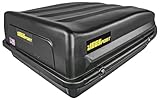
- Optional: Roof Box: A game-changer for storing bulky, less-frequently-used items like seasonal gear or sports equipment.
What To Do
- Declutter ruthlessly. Only keep what is absolutely essential.
- Organize your items into categories: kitchen, clothes, toiletries, tools, etc.
- Assign each category to a specific bin. Label the bins for even faster identification.
- Store less-used items (like winter clothes in summer) at the bottom of stacks or in a roof box.
- Maintain the system daily. Take 5 minutes each evening to put everything back in its designated place.
> Pro-Tip: Before buying bins, measure your car’s trunk or cargo area carefully. Create a layout on paper to ensure the bins you choose will fit perfectly, maximizing every inch. This addresses the vehicle payload capacity and space constraints.
7. Secure Your Space with Critical Safety & Emergency Gear

Safety first, always. Pin this essential emergency checklist.
Your personal safety and emergency preparedness are paramount. While car living is generally safe, you must mitigate the inherent risks. This means having tools to deal with both internal hazards (like fire or carbon monoxide) and external threats (like theft). These items are not optional; they are your insurance policy against the unexpected.
What You Need
- Battery-Powered Carbon Monoxide (CO) Detector: Absolutely essential if you ever use a heater or cook near your vehicle.
- Compact Fire Extinguisher: An ABC-rated extinguisher, stored in an easily accessible location.
- Comprehensive First Aid Kit: Go beyond basic bandages; include items for trauma, burns, and allergic reactions.
- Steering Wheel Lock or Pedal Lock: A highly visible theft deterrent.
- Emergency Roadside Kit: Jumper cables, tire inflator, and basic tools.
What To Do
- Install the carbon monoxide detector near your sleeping area and test it weekly.
- Mount the fire extinguisher where you can grab it instantly, even in the dark (e.g., next to the driver’s seat).
- Secure your vehicle every night. Use the steering wheel lock and choose well-lit, safe parking spots.
- Familiarize yourself with the contents of your first aid kit before you need it.
- Share your general location with a trusted friend or family member.
> Pro-Tip: In my long-term dweller approved experience, a visible steering wheel lock is one of the most effective deterrents. It signals that your vehicle is a hard target, often causing potential thieves to simply move on to an easier option.

8. Master Stealth with Total Blackout Window Coverings

Become invisible. Pin this ultimate guide to car privacy.
Your ability to achieve stealth is directly tied to your window coverings. The goal is to make your car look like an empty, uninteresting vehicle from the outside. This means achieving a 100% blackout factor with no light leaks. Well-made window privacy shades not only provide total privacy but also offer significant R-value insulation, helping with temperature regulation.
What You Need
- Custom-Fit Reflective Shades: Brands like WeatherTech offer pre-cut sets that fit perfectly, offering a high blackout factor.
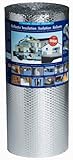
- DIY Materials (Alternative): A roll of Reflectix insulation, black fabric (like felt or fleece), and spray adhesive.
- Industrial Strength Velcro or Magnets: To secure the covers tightly against the window frame.
How to Make & Use Them
- Choose your method: Buy a pre-made set for convenience or DIY for a custom, budget-friendly option.
- (DIY) Create a template of each window using cardboard.
- (DIY) Cut the Reflectix and black fabric using your template. The Reflectix should be slightly larger to tuck into the frame.
- (DIY) Spray adhesive on the Reflectix and carefully lay the black fabric over it, smoothing out wrinkles. The black side faces in.
- Install the covers every evening before turning on any lights inside. The reflective side should face out to reflect heat and light.
- Store the covers flat, perhaps under your mattress, to keep them in good shape.
> Pro-Tip: For the front windshield, use a standard, non-descript sunshade. A custom blackout cover screams “someone is sleeping in here.” The goal of stealth aesthetics is to blend in, not to look like a fortress.
9. Maintain a Reliable Digital Connectivity Lifeline

Work from anywhere. Pin these connectivity essentials.
For the modern car dweller or digital nomad, a reliable internet connection is a lifeline. It’s your tool for work, navigation, communication, and entertainment. Building a resilient connectivity setup involves more than just a good smartphone data plan; it’s about having backups and tools to find and amplify a signal when you need it most.
What You Need
- Robust Mobile Data Plan: A plan with a high data cap or an unlimited plan is essential. Consider having SIM cards from two different carriers for better coverage.
- Cell Phone Signal Booster (Optional but Recommended): A device like a weBoost can amplify a weak cell signal, turning one bar into a usable connection.
- Large Capacity Power Bank: A separate, smaller power bank to keep your phone charged when you’re away from the main power station.
- Downloaded Media: Download movies, music, and podcasts for entertainment in areas with no signal.
What To Do
- Research and select a primary (and possibly secondary) cell carrier that has the best coverage in the regions you’ll frequent.
- Install a cell signal booster if reliable internet is critical for your work. They typically consist of an external antenna, an internal antenna, and the booster unit.
- Download offline maps for your navigation app (like Google Maps) so you can navigate without a data connection.
- Optimize your data usage by setting streaming services to a lower quality and connecting to public Wi-Fi (at libraries, coffee shops) when possible.
- Secure a mail forwarding service to receive mail and establish a legal address for banking and insurance.
> Pro-Tip: Many public libraries not only offer free, high-speed Wi-Fi but also allow you to use it from their parking lot, even after hours. This is a proven solution for digital nomads needing to upload/download large files without using their mobile data.

Key Takeaways: Your Quick Guide to Car Living Must Haves
- Prioritize Stealth & Comfort for Sleep: Your first investment should be in a setup that lets you sleep soundly and remain unseen. A memory foam pad and total window privacy shades are non-negotiable.
- Power is Freedom: A portable power station is the heart of your vehicle ecosystem. It powers electronics from laptops to fans, enabling work and comfort without draining your car battery.
- Ventilation Solves Condensation: Actively managing airflow with fans and cracked windows is the only way to prevent condensation control issues and mold. It’s a daily, critical task.
- Hygiene is Routine: A 24-hour gym access membership is the most effective solution for daily showers and hygiene. It provides a sense of normalcy and cleanliness essential for long-term vehicle residency.
- Safety Gear is Not Optional: A carbon monoxide detector and fire extinguisher are life-saving devices. Visible security tools like a steering wheel lock are your first line of defense against theft.
- Organization Prevents Chaos: Living in a small space requires a system. Use modular storage systems and declutter ruthlessly to maintain a livable environment.
People Also Ask About Car Living Must Haves
Is it legal to live in your car?
Legality varies significantly by city and state, but it is often restricted. Most cities have ordinances against sleeping in vehicles in public areas. To stay legal, focus on parking in designated areas like established campsites, some 24-hour business lots (with permission), or on private property with the owner’s consent. Always research local regulations.
Where can I park overnight to sleep without being bothered?
The key is to find safe, legal spots and rotate between them. Common options for stealth parking include 24-hour gyms, hospital parking lots (check rules), industrial parks after hours, and quiet residential streets where you blend in. Avoid parking in the same spot two nights in a row and always arrive late and leave early.
How do you handle condensation in a car?
You must create airflow to manage condensation. The best method is to crack two windows on opposite sides of the car (using rain guards to stay stealthy) and run a small USB fan to circulate air. This process removes the moist air you exhale, preventing it from condensing on cold windows and leading to mold prevention.
What is the best car for living in?
Minivans and SUVs are generally the best choices for car living. They offer a good balance of interior space for sleeping and storage, while still being relatively fuel-efficient and easy to park. A Toyota Sienna or Honda Element are popular, but almost any reliable vehicle can be adapted with the right organization.
How do you stay warm living in a car during winter?
Insulation and a safe heat source are your top priorities for winter. Use insulated window covers on all windows, a high R-value sleeping pad, and a cold-rated sleeping bag. For active heating, a safety certified indoor propane heater (like a Mr. Heater Buddy) can be used with a carbon monoxide detector and proper ventilation.
Where do car dwellers shower?
A 24-hour gym membership is the most common and reliable solution. Chains like Planet Fitness offer nationwide access to clean, hot showers for a low monthly fee. Other options include community recreation centers, truck stops (which often have paid showers), and portable camp showers for off-grid situations.
How much does it cost to live in a car?
Costs vary widely but are significantly less than traditional housing. Your main expenses will be gas, car insurance/maintenance, food, a gym membership (~$25/month), and your phone bill. Many people live comfortably on $800-$1500 per month, depending on their travel habits and lifestyle.
How do you get mail when living in a car?
The most common solution is a private mailbox service or a mail forwarding service. Services like The UPS Store or independent mail centers provide you with a physical street address (not a P.O. Box), which is crucial for banking, insurance, and official documents. They will collect your mail and can forward it to you upon request.
Can you live in your car at Walmart?
It depends on the individual store manager’s policy, which has become much stricter. While Walmart was once famous for allowing overnight RV and car parking, many stores no longer permit it due to local ordinances or issues with misuse. Always check for “No Overnight Parking” signs or ask management directly.
What are the biggest risks of car living?
The primary risks are related to safety, security, and legal issues. Personal security risks include break-ins, while safety risks involve potential carbon monoxide poisoning from improper heating. Legal risks include fines or being forced to move for violating local parking ordinances. These risks can be managed with the right gear and safety protocols.
Final Thoughts on Your Car Living Journey
Starting your car living journey can feel overwhelming, but it boils down to having the right systems in place. The nine car living must haves outlined here are more than just a checklist; they represent a complete ecosystem for comfort, safety, and self-sufficiency. By investing in these proven solutions, you’re not just buying gear—you’re buying peace of mind.
Remember that a successful life on the road is built on preparation and respect for your environment. With this framework, you’re equipped to handle the core challenges and embrace the freedom and flexibility that this unique lifestyle offers. What’s the first essential you plan to add to your setup?
Last update on 2026-04-10 / Affiliate links / Images from Amazon Product Advertising API


![Car Living Sedan: 11 Stealth Hacks for a No-Build Setup [year]](https://i0.wp.com/carxplorer.com/wp-content/uploads/2026/04/Car-Living-Sedan-11-Stealth-Hacks-for-a-No-Build-Setup-year-1.jpg?resize=60%2C60&ssl=1 "Car Living Sedan: 11 Stealth Hacks for a No-Build Setup [year] 26")
