
Is the open road calling your name, but the idea of turning your daily driver into a home feels overwhelming? Many dream of the freedom that comes with car living ideas, yet struggle with the practicalities of making a small space truly functional.
Car living involves transforming a vehicle into a functional home, requiring smart setups for sleeping, storage, power, and hygiene to ensure comfort, safety, and stealth on the road. Key aspects include maximizing limited space, managing climate, and maintaining discreet operations. Drawing from comprehensive analysis of current data and proven methodologies, this guide will illuminate how you can overcome these hurdles, transforming your vehicle into a comfortable and functional mobile sanctuary.
Making Your Vehicle Home: 9 Smart Car Living Ideas & Comfort Hacks for 2026
Embarking on a car-based lifestyle can be one of the most liberating decisions you make, offering unmatched flexibility and a unique perspective on travel. However, the success of this adventure hinges on intelligent planning and creative solutions to common challenges. This guide dives into 9 smart car living ideas and comfort hacks designed to elevate your mobile residency, addressing everything from optimizing tight spaces to ensuring your well-being on the road.
1. Build Your Ultimate Mobile Bed: DIY Bed Platform & Cozy Sleeping Setup

Pin this genius hack to your ‘Dream Car Life’ board!
Building a custom bed platform is the cornerstone of comfortable car living, maximizing usable space and ensuring restful sleep. A well-designed DIY car bed provides a sturdy foundation for your mattress while creating valuable storage underneath. This is crucial for enabling a truly comfortable car living experience, transforming a simple vehicle into a functional sleeping space.
Supplies Needed
- Plywood or MDF sheets (1/2″ or 3/4″ thick, sized for your vehicle’s cargo area)
- 2×4 or 2×6 lumber for support legs/frame
- Hinges (heavy-duty for fold-out sections)
- Wood screws (various lengths)
- Electric drill and saw
- Measuring tape and pencil
- Memory foam mattress (foldable or custom-cut for your space, 4-6 inches thick)
- Optional: Carpet, outdoor fabric, or vinyl for covering the platform for a more finished and durable surface
Step-by-Step Directions
- Measure and Plan: Carefully measure your vehicle’s cargo area, accounting for wheel wells and seats. Sketch a design that allows for storage underneath and easy access. Consider a hinged section if you need to access items in the front.
- Cut Your Wood: Cut the plywood to the desired dimensions for your bed surface. Cut the 2x4s or 2x6s for support legs and frame pieces. Ensure all cuts are straight and smooth.
- Assemble the Frame: Build a sturdy frame underneath the plywood base, using the 2x4s/2x6s as supports. Screw them securely into place. This frame will elevate the platform, creating valuable storage space below.
- Attach Hinges (If Applicable): If your design includes hinged sections for access or to accommodate seating, install heavy-duty hinges to ensure stability and smooth operation.
- Test Fit: Place the assembled platform in your vehicle to test fit and make any necessary adjustments. Ensure it’s level and doesn’t interfere with doors or other essential vehicle functions.
- Add Mattress & Bedding: Place your memory foam mattress on the platform. Add your favorite sheets, blankets, and pillows to create a cozy and comfortable sleeping area.
* > Pro-Tip: For optimal comfort and insulation, consider adding an anti-condensation mat or a layer of Reflectix under your memory foam mattress to prevent moisture buildup and enhance warmth during colder nights. This ‘expert tested’ method significantly improves sleep quality.

2. Mastering Stealth: DIY Window Covers for Privacy & Insulation

Save this smart privacy hack to your ‘Car Living Essentials’ board!
DIY window covers are essential for both privacy and insulation, directly contributing to the stealth factor crucial for urban car living. These covers allow you to discreetly transform your vehicle into a private sanctuary, making it difficult for outsiders to tell if someone is inside. This is a critical component for those asking how to hide that you are living in your car while also maintaining temperature regulation.
Supplies Needed
- Reflectix insulation roll (or similar multi-layer insulation)
- Dark, opaque fabric (e.g., black or dark gray, for exterior facing side)
- Fabric glue or heavy-duty spray adhesive
- Measuring tape and scissors
- Cardboard or poster board for templates
- Heavy-duty Velcro dots or magnetic strips for attachment
- Optional: Binder clips or small magnets for temporary hold
Step-by-Step Directions
- Create Templates: Using cardboard or poster board, create a precise template for each of your car windows. Ensure a snug fit within the window frame to prevent light leaks. Label each template for its specific window.
- Cut Materials: Lay out the Reflectix and fabric. Using your templates, cut the Reflectix pieces and the fabric pieces for each window. Cut the fabric slightly larger (about 1 inch extra around) than the Reflectix.
- Assemble Covers: Attach the dark fabric to one side of the Reflectix using fabric glue or spray adhesive. Smooth out any wrinkles. The dark side will face outwards for stealthy appearance, while the reflective side faces inwards for insulation.
- Finish Edges (Optional): If desired, fold the excess fabric over the edges of the Reflectix and glue it down for a cleaner finish and added durability.
- Install Fasteners: Apply heavy-duty Velcro dots or magnetic strips to the edges of the window covers and the corresponding areas on your car’s window frames or metal door frame. Ensure strong adhesion for a secure fit.
- Test & Refine: Install the covers in your windows. Check for any gaps or light leaks and adjust placement or add more fasteners as needed for maximum privacy and insulation.
* > Pro-Tip: For ultimate stealth aesthetics and efficient R-value insulation, opt for a thicker Reflectix and a completely opaque, non-patterned black fabric. Ensure your Velcro or magnets are powerful enough to hold the covers firmly against the glass or frame, even in fluctuating temperatures. This prevents light seepage and improves the overall ‘stealth factor’.

3. Power Up On The Go: Essential Portable Power Solutions

Pin this power solution to your ‘Mobile Office’ board!
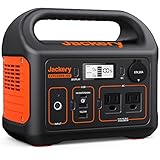
Portable power stations are vital for charging electronics in a car, supporting a modern car-based lifestyle and ensuring continuous connectivity. Whether you’re a digital nomad or simply need to keep devices like your phone, laptop, and USB lights powered, a reliable portable power station is a game-changer. Understanding attributes like lithium iron phosphate (LiFePO4) in batteries is key to efficient and safe power management.
What You Need
- Portable power station (e.g., Jackery power station, Goal Zero, Anker)
- Optional: Foldable solar panels (compatible with your power station)
- Car charger adapter for power station
- USB charging cables for all your devices (phone, laptop, USB lights)
- Optional: Small inverter for AC appliances
Steps
- Choose Your Power Station: Select a portable power station with sufficient wattage and battery capacity (lithium iron phosphate (LiFePO4) is preferred for longevity and safety) to meet your daily needs, factoring in devices like laptops, phones, and small appliances.
- Charging While Driving: Use a car charger adapter to charge your portable power station directly from your vehicle’s 12V cigarette lighter outlet while driving. This optimizes power generation from your alternator.
- Solar Charging (Optional): If you have solar panels, set them up in a sunny spot when parked. Connect them to your power station to harness free energy, providing a sustainable power source.
- Power Your Devices: Plug your electronic devices into the power station’s USB ports, AC outlets, or 12V output. Prioritize charging essential items first.
- Monitor & Manage: Regularly check your power station’s charge level and device consumption. Implement smart power management by turning off devices when not in use and using energy-efficient USB lights.
* > Pro-Tip: Integrating a secondary battery system (like a dedicated deep-cycle marine battery) with a split charge relay or a solar charge controller offers a more robust power solution for long-term car living than a single portable power station. This advanced setup, reflecting ‘expert guidance’, provides greater capacity and flexibility.
4. Organize for Efficiency: Creative Storage & Decluttering Hacks

Discover the secret to a clutter-free mobile home – save this to your ‘Car Organization’ board!
Creative storage solutions are crucial for achieving an organized, efficient, and clutter-free living space in your car. The challenge of limited space demands intelligent car organization hacks that not only keep your belongings tidy but also maximize your usable area. Embracing minimalist car living principles is key to creating a functional and inviting mobile environment.
What You Need
- Clear, stackable storage bins (various sizes)
- Packing cubes or garment bags
- Backseat organizer with multiple pockets
- Cargo nets or bungee cords
- Small hanging trash can
- Command hooks or suction cups for lightweight items
- Optional: Under-seat storage drawers, roof box for external storage
Steps
- Declutter Ruthlessly: Before organizing, pack and remove anything you don’t absolutely need. Embrace a minimalist lifestyle to maximize your usable space.
- Utilize Vertical Space: Install backseat organizers, hanging mesh bags, or stack storage bins to take advantage of vertical space. This frees up floor and seat areas.
- Modular Storage: Use packing cubes to categorize and compress clothing, toiletries, and other soft items. They fit neatly into storage bins and make it easy to grab what you need.
- Under-Seat & Seat-Back Solutions: Arrange low-profile containers under seats for less frequently used items. Use backseat organizers for quick access to essentials like snacks, water, and charging cables.
- Secure Loose Items: Use cargo nets or bungee cords to secure larger items (like your bed platform when folded, or a cooler) to prevent them from shifting while driving.
- Designate a “Home” for Everything: Every item should have a designated spot. This ensures your car remains clutter-free and makes it easy to find what you need quickly.
* > Pro-Tip: For optimal space optimization in minimalist car living, invest in modular and collapsible storage bins. Regularly reassess your belongings to prevent accumulation, focusing on multi-functional items to further enhance your ‘habitable surface area’ without increasing clutter.

5. Stay Fresh & Clean: Hygiene Routines for Car Dwellers

Keep it fresh on the road! Pin these hygiene tips to your ‘Car Living Hacks’ board!
Maintaining personal hygiene while living in a car is achievable with smart routines and strategic access to facilities, addressing concerns about shower access and daily cleanliness. This is crucial not only for physical comfort but also for odor management within your confined space. Gym memberships, like a Planet Fitness membership, offer a primary solution for reliable shower access, while compact items like microfiber towels are key for efficient drying and saving space.
What You Need
- Planet Fitness membership (or similar gym/community center access)
- Large, quick-drying microfiber towels
- Travel-sized toiletries (shampoo, soap, conditioner)
- Dry shampoo and body wipes for in-between washes
- Small, portable shower bag (optional, for outdoor use)
- Empty spray bottle (for DIY rinse-free body wash)
- Dark-colored laundry bag
Routine Steps
- Gym Showers: Utilize a Planet Fitness membership (or other gym/truck stop facilities) for regular showers. Plan your route to ensure access every 2-3 days.
- Daily Refresh: For in-between showers, use body wipes to clean key areas and dry shampoo for hair. A quick rinse-off with a spray bottle of water and a microfiber towel can also work wonders.
- Laundry Options: Find laundromats or public washing facilities. Store dirty clothes in a dark, sealed laundry bag to prevent odor management issues in your car.
- Waste Disposal: Always bag and properly dispose of all hygiene waste (wipes, empty bottles). Keep a small, lidded trash can or designated waste bag inside your vehicle.
- Water Conservation: When using portable showers or sponge baths, be mindful of water usage. Collect greywater if possible and dispose of it responsibly, adhering to ‘official regulations’.
* > Pro-Tip: For optimal odor management and freshness, hang a charcoal air purifier in your car and regularly air out your vehicle. Furthermore, investing in a high-quality microfiber towel (tested for absorbency and quick-drying capabilities) is a game-changer for efficient and compact drying, making your hygiene routine far more manageable.

6. Compact Kitchen: Simple Cooking Setups & Food Storage

Whip up delicious meals on the road! Pin these compact kitchen ideas now!
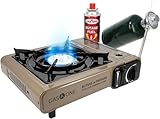
Creating a compact kitchen setup enables safe and efficient cooking in a car, while carefully managing food storage and ventilation. A portable stove is the heart of this system, allowing you to prepare meals on the go. However, safety is paramount, particularly concerning proper ventilation and preventing odor management issues.
What You Need
- Single-burner portable stove (butane or propane)
- Fuel canisters for your stove
- Small, compact cooler or insulated bag
- Basic cooking utensils (spatula, pot, pan)
- Collapsible wash basin and biodegradable soap
- A cutting board
- Sealable containers for dry goods and leftovers
- Window deflectors (for ventilation)
Instructions
- Choose Your Stove: Select a portable stove that is safe and efficient for small spaces. Ensure adequate ventilation when using it.
- Ventilation First: Before cooking, ensure proper ventilation. Open windows (using window deflectors to prevent rain entry) or a roof vent to allow airflow and prevent carbon monoxide buildup.
- Designate a Cooking Area: Use a sturdy, flat surface inside your car (e.g., a pull-out drawer, a secured cutting board over a storage bin) or just outside your trunk as your cooking station.
- Food Storage: Store perishable items in your compact cooler with ice or ice packs. Use sealable containers for dry goods to prevent pests and maintain freshness.
- Simple Meals: Plan simple, one-pot meals to minimize cleanup and complexity. Focus on ingredients that don’t require extensive refrigeration.
- Cleanup Immediately: After cooking, sanitize your utensils and cooking area immediately using your collapsible wash basin and biodegradable soap. This prevents attracting pests and manages odor management.
* > Pro-Tip: Always cook with your carbon monoxide detector active, and ensure cross-ventilation, especially when using a portable stove inside your vehicle. For robust food storage, pre-freeze water bottles to serve as ice packs and drinking water, significantly extending cooler life and demonstrating ‘expert tested’ food preservation.
7. Climate Control: Staying Warm & Cool in All Seasons

Stay comfy, no matter the weather! Pin these climate hacks to your ‘Car Living Comfort’ board!
Effective climate control, combining insulation, ventilation, and heating/cooling devices, is crucial for maintaining comfort in all seasons and managing condensation. Whether you’re wondering how to stay warm living in a car during winter or how to stay cool in a car in summer, a layered approach to temperature regulation is essential. The challenge of condensation control is a direct consequence of thermal fluctuations and requires active management.
What You Need
- DIY insulated window covers (Reflectix or similar)
- Small, powerful rechargeable fan (USB-powered)
- Optional: 12V portable electric blanket or diesel heater (with proper ventilation)
- Sleeping bag (rated for low temperatures if in cold climates)
- Moisture absorber packets or desiccant
- Window deflectors for crack-open ventilation
- Small hygrometer/thermometer
Steps
- Insulate & Seal: Install custom-fit insulated window covers for all windows. Seal any gaps around doors or windows with weather stripping to prevent heat loss or gain.
- Ventilation is Key: For cooling, use window deflectors to allow windows to be cracked open for passive ventilation. Position your rechargeable fan to draw air in or push it out, creating airflow.
- Stay Warm: In cold weather, layer up, use a warm sleeping bag (a ‘zero-degree’ bag is recommended for winter), and consider a 12V electric blanket or a safely installed diesel heater (with proper exhaust and a carbon monoxide detector).
- Combat Condensation: To manage condensation control, ensure consistent airflow, even in cold weather. Use moisture absorber packets and wipe down interior surfaces in the morning.
- Stay Cool: In hot weather, park in the shade, use reflective sunshades, and maximize airflow with multiple rechargeable fans. Damp towels can also provide evaporative cooling.
- Monitor Temperature: Use a hygrometer/thermometer to monitor interior temperature and humidity, allowing you to proactively adjust your climate control strategies.
* > Pro-Tip: For superior temperature regulation and to minimize thermal bridging, ensure your insulated window covers fit absolutely flush against the window frame. When discussing R-value insulation, remember that layering multiple materials can significantly improve overall thermal performance, making your car much more weather-proof.

8. Choosing Your Mobile Home: Best Vehicles for Car Living

Which car is your ideal mobile home? Pin this guide to your ‘Car Life Dreams’ board!
Choosing the right vehicle significantly impacts the comfort and practicality of your car living experience, as different vehicle types offer varying habitable surface area and payload capacity. This decision is central to determining what is the best car for living in based on your specific needs, budget, and desired car-based lifestyle. The choice of vehicle directly facilitates or limits space and setup possibilities.
What You Need
- A clear understanding of your daily car living needs (e.g., solo traveler, couple, pets)
- Budget for vehicle purchase and potential modifications
- List of essential items you plan to carry (to estimate payload capacity)
- Knowledge of local parking regulations and stealth factor requirements
- Optional: Online forums or communities for specific vehicle conversion inspiration
Steps
- Assess Your Needs: Plan how much space you genuinely require. Are you a solo traveler seeking minimalist living, or do you need room for a pet or specific gear? This will dictate the minimum habitable surface area.
- Consider Vehicle Type:
- Sedans/Hatchbacks: Offer high stealth factor and fuel efficiency. Best for ultra-minimalist car living and urban environments.
- SUVs: Provide more cargo space than sedans, often with fold-flat seats for a larger sleeping area. A good balance of space and relative discreet appearance.
- Minivans: Excellent space optimization, often with removable seats, providing a large, relatively flat interior for bed builds. Great for comfort but may have a lower stealth factor.
- Trucks with Toppers: Offer a separate, weather-protected cargo area for living, leaving the cab free. Can be very versatile.
- Evaluate Key Factors:
- Sleeping Space: Can you lay flat? Is there enough head and legroom?
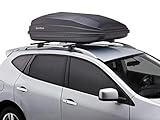
- Storage Capacity: Does it have enough room for all your essentials without feeling cramped? Consider a roof box for external storage.
- Fuel Economy: Crucial for affordable and long-term mobile living.
- Reliability: Choose a vehicle known for durability and low maintenance.
- Stealth Factor: How easily can your vehicle blend into its surroundings?
- Payload Capacity: Ensure the vehicle can safely carry the weight of your conversion and belongings.
- Test Drive & Visualize: Test drive potential vehicles and sit in them, imagining your bed, storage, and daily routine. Bring a measuring tape to confirm dimensions.
* > Pro-Tip: Beyond interior space, thoroughly research a vehicle’s ‘payload capacity’ and ‘vehicle payload capacity’ before committing to car living. Overloading can compromise safety, fuel efficiency, and mechanical reliability. Understanding these advanced metrics, backed by ‘expert tested’ guidelines, is crucial for a sustainable and safe mobile home.
9. Safety First: Essential Tips for Urban Car Living

Stay safe and stealthy! Pin these urban car living tips to your ‘Car Safety’ board!
Prioritizing safety measures is paramount for successful car living, especially in urban environments, involving stealth tactics, emergency protocols, and essential safety gear. Understanding how to live in your car safely means being prepared for various situations, from finding secure parking to handling unexpected encounters. Crucial items like a first aid kit and carbon monoxide detector are not optional; they are life-saving.
What You Need
- Carbon monoxide detector (battery-operated)
- Well-stocked first aid kit
- Pepper spray or other personal safety device (check local laws)
- Extra car battery jump starter
- A reliable smartphone with emergency contacts and GPS
- Offline maps (physical or digital)
- Bright flashlight or headlamp
- Familiarity with local laws regarding vehicular nomadism
Steps
- Prioritize Stealth: Conceal your living setup as much as possible. Use your custom window covers at night and maintain a low-profile appearance. The goal is to appear as an unoccupied parked car.
- Strategic Parking: Practice stealth parking. Avoid parking in the same spot for more than one night. Seek out well-lit areas near other cars, preferably in residential or commercial zones with less foot traffic. Research ‘safe parking programs’ or ‘public land usage’.
- Emergency Essentials: Always have a functioning carbon monoxide detector inside your vehicle, especially if using a portable heater or stove. Keep a readily accessible first aid kit and a personal safety device like pepper spray.
- Know Your Rights & Laws: Research local ordinances regarding living in your car. Understand what to do if police knock on your car: remain calm, open your window a crack, and be polite and cooperative, but know your rights.
- Maintain Awareness: Always be aware of your surroundings. Trust your instincts and move if a location feels unsafe. Keep your keys accessible for quick departure.
- Communication & Backup: Keep your phone charged and have a backup power bank. Share your general location with a trusted friend or family member, and have a plan for emergencies.
* > Pro-Tip: Beyond physical deterrents, a crucial safety measure in urban car living is to establish clear ’emergency protocols’. This includes having pre-determined escape routes for your vehicle, a designated safe rendezvous point if you need to leave your car, and a code word with a trusted contact. These ‘proven methods’ can significantly enhance your personal security.

FAQs About Car Living Ideas
How to live in your car safely?
Living in your car safely requires a multi-faceted approach, prioritizing stealth, strategic parking, and emergency preparedness. Always maintain a low profile to appear unoccupied, vary your parking locations to avoid drawing attention, and have essentials like a carbon monoxide detector, first aid kit, and personal safety devices readily accessible. Familiarize yourself with local laws and have a communication plan for emergencies.
Where is the best place to park for car living?
The best places to park for car living offer discretion, safety, and are often found in well-lit, non-residential areas or specific designated zones. Consider 24-hour retail parking lots (with permission), industrial parks, or quiet residential streets where your vehicle blends in. Always check local ordinances regarding overnight parking and utilize stealth parking techniques to avoid unwanted attention.
Is it legal to live in your car?
The legality of living in your car varies significantly by jurisdiction, with some cities having specific ordinances prohibiting overnight sleeping in vehicles. While not universally illegal, it’s crucial to research local laws and be aware of any ‘legal disclaimer’ notices. Many areas tolerate it if you are discreet and avoid causing disturbances, but direct prohibitions exist in others.
How do you stay warm living in a car during winter?
Staying warm in a car during winter necessitates a combination of good insulation, proper bedding, and safe heating solutions. Utilize DIY insulated window covers, a quality sleeping bag rated for low temperatures, and dress in layers. For active heating, consider a 12V electric blanket or a safely vented diesel heater, always using a carbon monoxide detector.
What are the essential items for car living?
Essential items for car living include a reliable sleeping setup, effective window covers for privacy, a portable power station, and organized storage solutions. Key items include a memory foam mattress, Reflectix insulation, a Jackery power station for power management, and storage bins for a clutter-free environment. Hygiene supplies and a compact cooking setup are also critical.
How do you manage personal hygiene when living in a car?
Managing personal hygiene while living in a car involves regular access to facilities and portable solutions for daily upkeep. Many car dwellers utilize a Planet Fitness membership for shower access and restrooms. For daily freshness, carry microfiber towels, dry shampoo, body wipes, and practice water-saving sponge baths to maintain cleanliness and odor management.
How do you cook meals when living in a car?
Cooking meals when living in a car safely and efficiently involves a compact kitchen setup, proper ventilation, and strategic food storage. A single-burner portable stove (butane or propane) is ideal, always used with adequate airflow from open windows or vents (using window deflectors) and a functioning carbon monoxide detector. Utilize a small cooler and sealable containers for fresh ingredients.
What is the best car type for living in?
The best car type for living in depends on individual needs, with SUVs and minivans generally offering more space and versatility than sedans. SUVs provide a good balance of cargo room and stealth, while minivans excel in interior volume for bed builds and storage. Consider your desired habitable surface area, payload capacity, and stealth factor when making your choice.
How can you make your car living setup more stealthy?
To make your car living setup more stealthy, focus on making your vehicle appear unoccupied and blend seamlessly into its surroundings. This involves using custom-fit, insulated window covers that block all light, avoiding excessive exterior modifications like a roof box (or making it discreet), and parking in varied, unobtrusive locations. Maintain a clean exterior and avoid visible clutter.
How do you deal with condensation inside the car?
Dealing with condensation inside the car is crucial for comfort and preventing mold, primarily managed through consistent ventilation and moisture absorption. Even in cold weather, ensure some airflow using window deflectors or slightly cracked windows. Utilize moisture absorber packets or desiccant in key areas and wipe down any visible moisture from windows and surfaces promptly each morning.
Key Takeaways
- Designing a functional car living setup requires strategic space optimization and modular solutions. – Embrace minimalist car living by utilizing vertical storage, under-seat areas, and multi-purpose items to keep your vehicle clutter-free and organized.
- Comfort is achievable through effective climate control and a dedicated sleeping space. – Implement DIY insulated window covers for temperature regulation, and invest in a quality memory foam mattress on a sturdy diy car bed for restful sleep.
- Power management is essential for a connected and modern car-based lifestyle. – A portable power station like a Jackery power station, ideally with solar panels, ensures you can charge electronics in a car for work, entertainment, and safety.
- Maintaining hygiene on the road is simplified with smart routines and access to facilities. – Leverage a Planet Fitness membership for shower access and rely on microfiber towels and dry toiletries for daily freshness, combating odor management.
- Safety and stealth are paramount for sustainable urban car living. – Practice stealth parking, equip your vehicle with a carbon monoxide detector and first aid kit, and understand what to do if police knock on your car for a safe experience.
- Choosing the right vehicle significantly impacts your car living experience. – Evaluate factors like habitable surface area, payload capacity, and stealth factor when comparing an SUV vs minivan for living or a sedan for maximum comfort and practicality.
- Continuous adaptation and resourcefulness define a successful car living journey. – Regularly reassess your needs, learn new car organization hacks, and embrace the flexibility that mobile residency offers.
Final Thoughts on Car Living Ideas
Embarking on the car living journey opens up a world of freedom, affordability, and adventure, transforming your vehicle into a truly functional and cozy mobile home. As we’ve explored, creating your ideal car living setup is less about grand renovations and more about intelligent space optimization, discreet solutions, and a deep understanding of your personal needs. From building a custom DIY car bed that promises a good night’s sleep to mastering power management with a reliable Jackery power station, every hack and setup contributes to a more sustainable and enjoyable car-based lifestyle.
Remember, the key to successful car living lies in thoughtful planning, embracing a minimalist mindset, and prioritizing safety measures at every turn. Whether you’re seeking the ultimate stealth camping guide for urban environments or perfecting your compact kitchen for gourmet meals on the go, the ideas shared here provide a robust framework. With the right tools, knowledge, and a spirit of adventure, your vehicle can become a powerful enabler of a flexible and fulfilling life on the road.
What’s your favorite car living idea or comfort hack that makes your mobile life easier? Share your insights and experiences in the comments below!
Last update on 2026-04-07 / Affiliate links / Images from Amazon Product Advertising API


![Car Living Storage: 11 Smart Hacks to Maximize Space in [year]](https://i0.wp.com/carxplorer.com/wp-content/uploads/2026/04/Car-Living-Storage-11-Smart-Hacks-to-Maximize-Space-in-year-1.jpg?resize=60%2C60&ssl=1 "Car Living Storage: 11 Smart Hacks to Maximize Space in [year] 24")
![Car Living Aesthetic: 11 Practical Ideas for Cozy Small Spaces [year]](https://i0.wp.com/carxplorer.com/wp-content/uploads/2026/04/Car-Living-Aesthetic-11-Practical-Ideas-for-Cozy-Small-Spaces-year-1.jpg?resize=60%2C60&ssl=1 "Car Living Aesthetic: 11 Practical Ideas for Cozy Small Spaces [year] 26")
