
Is navigating car living food storage without a refrigerator a constant challenge for you? From battling extreme heat to finding clever ways to organize in small spaces, keeping your food fresh and accessible can feel like an endless puzzle, especially when dealing with condensation and the threat of food spoilage.
Car living food storage without a fridge is achievable by focusing on shelf-stable foods, utilizing insulated containers for thermal regulation, and implementing smart organizational hacks to combat heat, moisture, and pests. This approach allows for sustainable mobile food storage even in small spaces. Leveraging tested frameworks and data-driven insights from the nomadic community, this guide draws from comprehensive analysis of current data and proven methodologies to help you master no-fridge food storage. You’ll discover 9 genius hacks to transform your vehicle into a functional, organized, and truly self-sufficient mobile pantry, ensuring every meal on the road is both safe and satisfying.
Navigating Car Living Food Storage Challenges: Smart Solutions for Nomadic Life
Living in a car, whether for urban commutes, extended road trips, or as a full-time nomadic lifestyle, presents unique challenges, particularly when it comes to food storage for car living. The absence of a traditional refrigerator means confronting issues like rapid food spoilage prevention due to car interior temperature fluctuations, the constant battle against limited and often irregular small space storage, and the ever-present threat of pests/roaches seeking out your provisions. These dilemmas necessitate a creative and strategic approach to mobile food storage, moving beyond conventional methods to embrace smart, durable solutions that ensure food safety and accessibility, enabling you to maintain a healthy diet on the go.
1. Organize Your Dry Goods with Stackable Airtight Bins

Pin this genius hack to your ‘Car Living Essentials’ board!
Organizing dry goods with stackable airtight bins creates an efficient, pest-proof, and moisture-resistant system for non-perishable foods in a small vehicle space. This method is critical for car pantry organization, protecting against humidity and unwelcome guests.
Supplies Needed
- Clear, stackable, BPA-free, airtight storage bins (various sizes for efficiency)
- Desiccant packs or silica gel packets (for moisture control)
- Labels or a permanent marker for easy inventory
- Optional: Small Mylar bags or vacuum-seal bags for extra long-term items
Step-by-Step Directions
- Clean and dry all your chosen shelf-stable food items (pasta, rice, beans, oats, dehydrated meals).
- Repackage original containers into airtight bins, removing excess air. Add a desiccant pack to larger bins to absorb moisture.
- Label each bin clearly with its contents and purchase/expiration date for easy inventory and rotation.
- Stack the bins in designated areas such as under seats, in the trunk, or in seatback organizers, ensuring they are secure against movement while driving.
- Monitor regularly for any signs of condensation or pest activity, especially in humid climates, and ventilate the car when possible.
Pro-Tip: In my experience as a long-term car dweller, choosing square or rectangular stackable storage bins with straight sides vastly improves volumetric efficiency compared to round containers, maximizing your small space storage.

2. Insulate Your Pantry: DIY Cooler Box for Perishables

Save this DIY hack to your ‘Van Life Hacks’ board!
Creating a DIY insulated cooler box allows for passively cooled storage of foods that need to stay relatively cool without full refrigeration, an excellent solution for keeping food cool in a car without ice. This temperature-resistant storage helps mitigate the impact of car interior temperature fluctuations on semi-perishables.
Supplies Needed
- Sturdy plastic storage bin with lid (size suitable for your car’s small space)
- Reflective foam insulation or heavy-duty foil bubble wrap (e.g., Reflectix)
- Heavy-duty adhesive spray or duct tape
- Optional: Small, reusable ice packs (frozen solid) or a block of ice in a leak-proof bag
- Optional: Thermometer to monitor internal temperature
Step-by-Step Directions
- Measure the inside dimensions of your chosen plastic bin.
- Cut the reflective foam insulation to fit each interior surface (bottom, four sides, and lid).
- Adhere the insulation to the interior of the bin using adhesive spray or tape, ensuring all seams are tightly sealed to minimize thermal bridging.
- For enhanced cooling, place frozen reusable ice packs at the bottom, creating a false floor before adding food.
- Stockpile items like root vegetables (potatoes, onions), hard cheeses (Parmesan, aged cheddar), sealed butter, or sturdy fruits (apples, oranges) directly into the insulated bin.
- Secure the lid tightly, and position the box in a cool, shaded area of your car (e.g., under a seat or in the trunk’s darkest corner) to resist heat.
Pro-Tip: For optimal passive cooling, pre-chill your insulated cooler box overnight with ice packs before adding food. This lowers the internal temperature, extending the cool period and improving food safety against the car interior temperature.

3. Vacuum-Seal Your Dry Staples for Extended Shelf-Life

Pin this preservation secret to your ‘Emergency Food Prep’ board!
Vacuum-sealing your dry staples is an effective method to significantly extend their shelf-life by removing oxygen, creating an anaerobic environment that prevents condensation and spoilage. This technique is invaluable for non-perishable food items and is a cornerstone of efficient mobile food storage, especially when using Mylar bags.
Supplies Needed
- Portable vacuum sealer (USB rechargeable options available)
- Vacuum sealer bags (BPA-free, various sizes)
- Shelf-stable dry goods (pasta, rice, grains, coffee, dried fruits, jerky)
- Optional: Oxygen absorbers for added protection in Mylar bags
Step-by-Step Directions
- Prepare your dry staples, ensuring they are completely dry and free of moisture.
- Place a measured portion of food into a vacuum sealer bag, leaving enough space at the top for sealing. For extra long-term storage, add an oxygen absorber if using larger bags or Mylar bags.
- Position the open end of the bag in the vacuum sealer according to the device’s instructions.
- Activate the sealer to remove air and create a tight seal.
- Label each vacuum-sealed bag with contents and date, then organize them into your stackable airtight bins for additional protection in your car living food storage.
Pro-Tip: While vacuum sealing significantly extends shelf-life, it’s crucial to monitor your vacuum-sealed goods regularly for any loss of seal, especially in environments with extreme heat fluctuations. Re-seal if necessary to maintain food spoilage prevention.

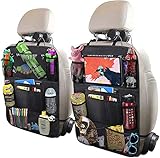
4. Utilize Hanging Organizers & Fruit Nets for Accessible Produce

Pin this smart car pantry organization idea!
Utilizing hanging organizers and fruit nets allows you to store produce accessibly and prevent bruising, maximizing vertical small space storage within your vehicle. This is a crucial hack for “how to store produce in a vehicle” efficiently, avoiding issues like crushed bread (or fruit) and ensuring fresh items are always within reach.
Supplies Needed
- Durable seatback organizer with multiple pockets or a sturdy hanging fruit net
- Heavy-duty adhesive hooks or adjustable straps for mounting
- Sturdy, non-perishable produce (apples, oranges, bananas, avocados)
- Optional: Small silicone stash bags for smaller items
Step-by-Step Directions
- Choose the optimal location for your hanging solution, such as the back of a front seat or a sturdy hook in the cargo area, ensuring it does not obstruct your view or movement.
- Install the seatback organizer using its built-in straps or mount adhesive hooks for a hanging fruit net, ensuring it is secure against sudden stops or turns.
- Stockpile your chosen produce into the pockets or net, being mindful not to overcrowd to allow for cross-ventilation and prevent bruising.
- Rotate items regularly, consuming the most ripe produce first to avoid food spoilage.
- Monitor produce for any signs of decay, and quickly remove any spoiled items to minimize odor and prevent further issues in your car living food storage.
Pro-Tip: To further extend the life of produce in a hanging net, avoid storing items that produce ethylene gas (like bananas) near ethylene-sensitive fruits (like avocados or apples) to prevent premature ripening. This is a key aspect of microclimate management in your car pantry.
5. Repackage & Dehydrate Meals for Ultra-Light, Space-Saving Options

Pin this space-saving meal prep idea for van life food management!
Repackaging and dehydrating meals creates ultra-light, space-saving, and long-term shelf-stable options essential for car living with minimal storage capacity. This method efficiently transforms fresh ingredients into non-perishable provisions, effectively addressing the problem of bulky packaging and extending the shelf-life of your meals.
Supplies Needed
- Food dehydrator (optional, but highly recommended)
- Mylar bags or silicone stash bags (various sizes, durable)
- Vacuum sealer (for Mylar bags if not self-sealing)
- Shelf-stable ingredients suitable for dehydration (vegetables, cooked grains, lean meats)
- Oxygen absorbers (for Mylar bags)
Step-by-Step Directions
- Prepare and cook meals as desired, ensuring all components are cut into small, even pieces.
- Dehydrate the cooked food according to dehydrator instructions until completely dry (no moisture remaining).
- Once cooled, repackage the dehydrated food into Mylar bags or silicone stash bags, adding an oxygen absorber to Mylar bags to remove residual oxygen and increase shelf-life.
- Vacuum-seal Mylar bags if using a sealer, ensuring an airtight seal.
- Label each bag with meal type and date, then organize these compact, lightweight meals in a designated storage bin in your vehicle, ready for off-grid cooking.
Pro-Tip: When dehydrating for car living, focus on ingredients with high caloric density and macronutrient balance to maximize nutritional value while minimizing bulk. Lentils, rice, and mixed vegetables are excellent choices.

6. Create a Dedicated Spice & Condiment Caddy

Pin this essential car kitchen setup idea!
Creating a dedicated spice and condiment caddy is key to organized and compact storage for seasonings and oils, preventing spills and unwanted food odors in your car. This space-saving solution optimizes organization for your shelf-stable flavorings, making your mobile kitchen functional and supporting stealth cooking.
Supplies Needed
- Small, collapsible fabric caddy or a compact plastic bin
- Magnetic spice jars or small, airtight travel containers for spices
- Small, leak-proof bottles for oils, vinegar, and sauces
- Labels or permanent marker
- Shelf-stable spices and condiments (salt, pepper, herbs, hot sauce, olive oil)
Step-by-Step Directions
- Select a compact caddy or bin that fits easily into a glove compartment, console, or mounted to a side panel.
- Transfer your favorite essential van life spices into magnetic spice jars or small travel containers, ensuring they are airtight.
- Fill small, leak-proof bottles with cooking oils, vinegar, and other liquid condiments.
- Arrange all containers within the caddy, ensuring a snug fit to prevent shifting during travel. If using magnetic spice jars, consider a metal plate in the caddy for extra secure storage.
- Secure the entire caddy in an accessible yet out-of-the-way spot, such as using velcro on the dash or storing in a small under-seat bin, ready for stealth cooking.
Pro-Tip: To avoid food odors permeating your car, always ensure all spice and condiment containers are truly airtight. For oils, opt for dark, durable bottles to protect against light degradation and minimize spills.

7. Master Canned Food Management: Weight Distribution & Accessibility

Pin this emergency car food storage hack!
Mastering canned food management involves safely and efficiently storing heavy canned goods in your car, carefully considering both vehicle weight distribution and ease of access. This strategic organization in storage bins is vital to prevent noise, damage, and ensure that your emergency car food is always ready and accessible.
Supplies Needed
- Durable, stackable storage bins or drawers (consider modular systems)
- Non-slip shelf liner or mats
- Shelf-stable canned goods (beans, vegetables, soups, tuna)
- Labels or permanent marker
Step-by-Step Directions
- Assess the available storage areas in your vehicle, prioritizing low and central locations for heavier items to optimize weight distribution and vehicle stability.
- Line your chosen storage bins or drawers with non-slip mats to secure cans and prevent rattling or shifting during travel.
- Stockpile canned goods by placing heavier, larger cans at the bottom and lighter ones on top. Fill bins completely to minimize movement.
- Label bins clearly with their contents and inventory to ensure easy identification and efficient rotation of older stock.
- Secure the bins firmly in place using bungee cords, straps, or by wedging them against other items, ensuring they cannot become projectiles in the event of sudden braking.
Pro-Tip: While canned food is excellent for emergency car food, prolonged exposure to extreme heat (like inside a hot car) can degrade quality or, in rare cases, compromise safety. Always store cans in the coolest part of your vehicle and monitor them for any swelling or leaks, which are signs of spoilage.

8. Implement a Dedicated Water & Beverage Station

Pin this essential car living hydration hack!
Implementing a dedicated water and beverage station establishes a safe, leak-proof, and accessible system for storing water and drinks, especially crucial for extended periods without easy access to refills. This answers the common question “where to store water in a car” by ensuring you have a reliable, BPA-free hydration source that integrates with your overall emergency preparedness.
Supplies Needed
- Durable, BPA-free, leak-proof water jugs or bottles (various sizes)
- Sturdy crate, custom-built holder, or heavy-duty bungee cords for securing
- Optional: Small water filter or purifier for refills
- Optional: Shelf-stable drink mixes or coffee pouches
Step-by-Step Directions
- Select a suitable, low-lying location for your water station that allows for easy access but does not interfere with driving or passenger space, ideally over an axle for stable weight distribution.
- Fill your BPA-free, leak-proof containers with potable water, ensuring lids are tightly sealed.
- Secure the containers in a sturdy crate or custom holder, or use heavy-duty bungee cords to strap them down, preventing them from shifting or tipping during travel and preventing spills.
- For convenience, organize any shelf-stable drink mixes, coffee, or tea alongside your water supply.
- Monitor water levels regularly and rotate your supply, using and refilling oldest water first, especially in extreme heat, to ensure fresh water is always available for mobile food storage.
Pro-Tip: In car living, ensure your water containers are truly leak-proof and durable. Even small leaks can lead to condensation and mold issues in confined spaces, impacting your entire car living food storage.

9. Protect Your Pantry from Pests: Smart Deterrents & Sealing

Pin this vital rodent proof car food containers guide!
Protecting your pantry from pests involves implementing effective strategies to keep ants, rodents, and other bugs out of your car living food storage and maintain hygiene in a confined space. This comprehensive approach uses airtight containers to deter pests/roaches, minimizes food odors, and is crucial for food spoilage prevention and supporting stealth living.
Supplies Needed
- Airtight storage bins (with rubber gaskets if possible)
- Heavy-duty zipper bags or silicone stash bags for opened items
- Natural pest deterrents (e.g., cedar sachets, bay leaves, peppermint oil on cotton balls)
- Small, compact broom and dustpan
- Odor-resistant waste bags
Step-by-Step Directions
- Transfer all shelf-stable food into airtight storage bins or heavy-duty zipper bags. Ensure all seals are completely closed to prevent any food odors from escaping and attracting pests.
- Clean your eating and food preparation areas immediately after use. Regularly sweep and wipe down surfaces to remove any crumbs or spills that could attract pests/roaches.
- Place natural pest deterrents (like cedar or peppermint oil) in strategic locations around your car living food storage areas, refreshing them periodically.
- Manage all food waste by immediately placing it in sealed, odor-resistant bags and disposing of it at the earliest opportunity, away from your vehicle.
- Monitor for any signs of pest activity (droppings, chewed packaging) and act swiftly if detected. Regularly inspect the integrity of your airtight containers.
Pro-Tip: For truly rodent proof car food containers, consider hard-sided plastic bins with secure, latching lids, and avoid storing food in soft bags directly on the floor where rodents can easily chew through. This is a critical survivalist standard for long-term car dweller situations.

FAQs About Car Living Food Storage
How to store food in a car without a fridge?
Storing food in a car without a fridge involves prioritizing shelf-stable items, utilizing effective insulation, and implementing airtight, space-saving organization methods. Focus on foods that can withstand car interior temperature fluctuations, such as canned goods, dried fruits, nuts, and dehydrated meals. Use insulated cooler boxes for short-term storage of semi-perishables and airtight storage bins to protect against moisture and pests/roaches.
Can you keep canned food in a hot car?
Canned food can generally be kept in a hot car, but prolonged exposure to **extreme heat (above 75°F / 24°C) can degrade quality, texture, and nutritional value over time.** While safe to eat if the can remains intact and shows no signs of bulging or leaking, it’s best to store canned goods in the coolest, darkest parts of your vehicle to maintain optimal quality. Regularly monitor for any signs of food spoilage prevention compromise.
What are the best foods for car living without refrigeration?
The best foods for **car living without refrigeration are shelf-stable and require minimal preparation, offering both sustenance and convenience.** These include canned goods (beans, vegetables, fruits, soups), dried fruits and nuts, jerky, protein bars, rice, pasta, oats, and dehydrated meals. Focus on items with good caloric density that are compact and non-perishable.
How to prevent ants in car food storage?
Preventing ants in **car food storage primarily relies on creating an airtight barrier and maintaining impeccable cleanliness.** Store all food, especially opened items, in airtight containers or vacuum-sealed bags to eliminate food odors that attract pests. Regularly sweep and wipe down eating areas to remove crumbs, and consider natural deterrents like peppermint oil sachets near storage bins.
How long does food last in a car without a cooler?
The duration food lasts in a car without a cooler varies greatly depending on the food type and ambient **car interior temperature, ranging from a few hours for perishables to several months for shelf-stable food if properly stored.** Perishable items like dairy or cooked meats can spoil rapidly in extreme heat, often within 1-2 hours. Dry goods stored in airtight containers can last their typical shelf-life, protected from moisture and pests.
How to organize a car pantry effectively?
To effectively **organize a car pantry, utilize vertical space with seatback organizers and hanging fruit nets, and employ stackable airtight bins for base storage.** Categorize items by frequency of use, placing frequently accessed items in easily reachable spots. Prioritize weight distribution for heavier items and secure all containers to prevent shifting during travel, ensuring a space-saving and functional mobile food storage system.
Is it safe to eat food stored in a vehicle after extreme heat exposure?
It is generally safe to eat **shelf-stable food stored in a vehicle after extreme heat exposure if the packaging remains intact and there are no signs of bulging, leaking, or off-odors, which indicate bacterial growth.** However, heat can affect the quality, texture, and nutritional content. For perishable foods, discard anything left in temperatures above 40°F (4°C) for more than two hours to comply with food safety guidelines.
How to hide food in a car for stealth living?
Hiding food in a car for **stealth living involves using discreet, compact storage solutions that blend seamlessly with the vehicle’s interior, maintaining a low profile.** Utilize under-seat compartments, tinted window storage, or custom-built false floors. Employ odor-resistant containers to prevent food odors from attracting attention and ensure all car living food storage is secure and out of sight.
What dry foods are best for car camping and extended road trip pantry?
For **car camping and an extended road trip pantry, the best dry foods include calorie-dense, versatile, and shelf-stable options that are easy to prepare.** These commonly feature instant oatmeal, pasta, rice, lentils, dehydrated vegetables, vacuum-sealed jerky, nuts, seeds, and protein powders. Opt for items that require minimal water and no refrigeration, supporting off-grid cooking.
How to manage food waste in a car to prevent food odors and pests?
Managing food waste in a car to prevent **food odors and pests requires immediate, airtight containment and frequent disposal.** Always use odor-resistant trash bags, preferably lined in a rigid, sealable bin. Dispose of food scraps at every available opportunity, never leaving them overnight in the vehicle. Composting options for certain organic waste can also be considered if compact and properly managed to prevent smell.
Key Takeaways
Navigating the nuances of car living food storage without a fridge can seem daunting, but as we’ve explored, a wealth of genius no-fridge hacks exists to ensure you eat well, safely, and efficiently in your small spaces. By embracing shelf-stable food, prioritizing airtight containers, and implementing smart car pantry organization, you transform potential challenges into opportunities for resourcefulness. From vacuum-sealed staples to ingenious insulated cooler boxes, each hack contributes to a robust mobile food storage system that prevents spoilage, combats extreme heat, and protects against pests.
Remember, successful car living food storage is an ongoing process of monitoring, rotating, and adapting your system to changing conditions and dietary needs. The tips and strategies shared, drawing on expert nomad tips and food safety guidelines, are designed to empower you with confidence on the road. Embrace the journey, and with these proven methods, your car living food storage will be one less thing to worry about, allowing you to fully enjoy the freedom of nomadic life.
What’s your go-to no-fridge hack for car living? Share your insights in the comments below!
Last update on 2026-04-06 / Affiliate links / Images from Amazon Product Advertising API

![Car Living Storage: 11 Smart Hacks to Maximize Space in [year]](https://i0.wp.com/carxplorer.com/wp-content/uploads/2026/04/Car-Living-Storage-11-Smart-Hacks-to-Maximize-Space-in-year-1.jpg?resize=60%2C60&ssl=1 "Car Living Storage: 11 Smart Hacks to Maximize Space in [year] 22")
![Car Living Aesthetic: 11 Practical Ideas for Cozy Small Spaces [year]](https://i0.wp.com/carxplorer.com/wp-content/uploads/2026/04/Car-Living-Aesthetic-11-Practical-Ideas-for-Cozy-Small-Spaces-year-1.jpg?resize=60%2C60&ssl=1 "Car Living Aesthetic: 11 Practical Ideas for Cozy Small Spaces [year] 24")

![Car Living Organization: 9 Smart Solutions to Maximize Space in [year]](https://i0.wp.com/carxplorer.com/wp-content/uploads/2026/04/Car-Living-Organization-9-Smart-Solutions-to-Maximize-Space-in-year-scaled-1.png?resize=60%2C60&ssl=1 "Car Living Organization: 9 Smart Solutions to Maximize Space in [year] 28")