
Is the thought of transforming your car into a cozy, functional home overwhelming? Many aspiring nomads face the challenge of limited space and the need for discretion when embracing the car living lifestyle. Figuring out how to maintain comfort, hygiene, and power on the go can feel like a complex puzzle.
Car living essentials encompass key items for power, hygiene, comfort, and security, enabling a stealthy and comfortable vehicle dwelling experience by addressing common challenges like limited space and privacy. This includes portable power, discreet window covers, and smart storage solutions for daily routines. Leveraging tested frameworks and data-driven insights, this guide will simplify your journey. Drawing from comprehensive analysis of current data and proven methodologies, you’ll discover smart solutions to equip your vehicle for a safe, comfortable, and discrete full time car living experience.
Mastering Car Living Essentials: Smart Solutions for Stealth & Comfort
Embarking on the car living journey requires more than just a vehicle; it demands strategic planning and the right gear to ensure both comfort and discretion. Whether you’re considering full time car living or extended car camping, the core challenge lies in optimizing limited space for essential needs. This guide delves into car living essentials, offering practical solutions to common hurdles like power drainage, uncomfortable sleeping, and maintaining privacy solutions in various environments. Our focus is on creating a proven setup that allows you to experience the freedom of the road without sacrificing vital necessities.
1. Optimize Portable Power Management for On-the-Go Living

Pin this essential power management solution to your car living board!
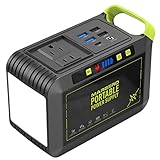
Optimizing portable power management is crucial for maintaining connectivity and comfort in your vehicle dwelling, ensuring all your essential devices remain charged. A reliable power source like a portable power station is a cornerstone of modern car living essentials. It not only charges phones and lights but also powers more substantial items like fans or even a 12V refrigerator. Integrating solar panels creates a sustainable energy loop, reducing reliance on your car’s alternator and preventing power drainage. This proactive approach ensures you’re always connected and your amenities are functioning, which is vital for both comfort and safety.
What You Need
- Portable Power Station: A lithium iron phosphate (LiFePO4) battery for durability and safety, with a pure sine wave inverter for sensitive electronics.
- Flexible Solar Panels: Weatherproof and lightweight panels that can be easily mounted or laid out on the windshield.
- 12V Car Charger: For charging the power station while driving.
- Power Bank: A compact and rechargeable power bank for smaller devices like phones.
Routine Steps
- Calculate Watt-Hours: Determine your daily power consumption (e.g., phone charging, fan usage) to select an appropriately sized portable power station.
- Charge Strategically: Use the 12V charger to top up the power station while the engine is running.
- Deploy Solar Panels: When parked in sunlight, install the solar panels on your roof or dashboard to passively charge the power station.
- Monitor Usage: Regularly check the power station’s display to prevent complete power drainage and extend battery life.
Pro-Tip: In my years of experience with car living, understanding your daily watt-hour calculation is crucial for preventing power drainage. A LiFePO4 battery with a pure sine wave inverter is a game-changer for reliability and safety.
2. Achieve Stealth & Privacy with Smart Window Covers

Save this stealth car living tip to ensure your privacy!
Smart window covers are indispensable for anyone embracing car living, offering essential privacy and contributing significantly to temperature control within your vehicle. These covers are a primary security measure, as they block light and prevent outsiders from peering into your space, which is critical for urban car living where discretion is paramount. Beyond privacy, the right insulated window covers are vital for regulating internal temperatures, insulates against both extreme heat and cold. This creates a more comfortable and energy-efficient living environment, making them a top item on the list of car dwelling necessities.
Supplies Needed
- Reflectix Insulation: A lightweight, insulated material for thermal regulation.
- Blackout Fabric: Durable fabric that blocks light and adds a finished, discrete look.
- Magnets: Small but heavy-duty magnets for easy attachment and removal.
- Measuring Tape & Scissors: Essential tools for custom fitting.
Instructions
- Measure Windows Precisely: Create templates of each window using paper or cardboard to ensure a custom, tight fit for maximum insulation and privacy.
- Cut Materials: Cut the Reflectix and blackout fabric to match your templates. Layer them, with Reflectix on the inside.
- Integrate Magnets: Sew or glue small magnets along the edges of the fabric, ensuring they align with metal points around your car windows.
- Install & Remove: Easily install the window covers when parked for privacy and thermal control, then quickly remove and store them when driving.
Pro-Tip: For ultimate stealth aesthetics, ensure your window covers are black on the outside. This blends in with factory tinting, making your vehicle appear unoccupied. The R-value insulation of Reflectix is surprisingly effective for temperature control.

3. Maximize Limited Space with Smart Storage Solutions

Organize your car living space with these brilliant storage hacks!
Effectively maximizing limited space is a fundamental aspect of successful car living, turning a compact vehicle into a functional living environment. Smart storage solutions are essential for keeping your car living essentials organized and accessible without creating clutter. The goal is to optimize every inch, transforming often-overlooked areas into valuable storage real estate. By prioritizing collapsible storage and multi-functional items, you can maintain a tidy interior that enhances both comfort and the overall stealth aesthetics of your mobile dwelling.
What You Need
- Collapsible Storage Bins: Durable, compact, and space-saving bins that fold flat when not in use.
- Back-of-Seat Organizer: Multi-pocketed organizer for essential daily items.
- Cargo Net: A heavy-duty net to secure the items in the trunk or ceiling area.
- Under-Seat Drawers: Low-profile drawers that fit inside the often-unused space under front seats.
Tips
- Declutter Ruthlessly: Only pack car living essentials; every item must have a purpose.
- Utilize Vertical Space: Install cargo nets or hanging organizers to keep items off the floor.
- Categorize & Label: Use multiple collapsible storage bins to categorize items (e.g., clothing, food, hygiene) and label them clearly for quick access.
- Maximize Hidden Spaces: Employ under-seat drawers and glove compartment organizers to conceal valuables and reduce clutter.
Pro-Tip: When planning storage solutions, consider items that serve dual purposes, like an ottoman that also offers storage. This minimalist road life approach significantly reduces limited space issues and improves stealth aesthetics.

4. Create a Comfortable & Stealthy Sleeping Arrangement

Dream of comfortable car living? Pin these sleeping arrangement tips!
Creating a comfortable and stealthy sleeping arrangement is paramount for your well-being and discretion when embracing car living. A good night’s sleep is fundamental for physical and mental health on the road, directly addressing the common problem of uncomfortable sleeping. Your chosen sleeping pad or mattress must be not only comfortable but also compact and easy to deploy and store. Coupled with appropriate bedding like an insulated and breathable sleeping bag, a well-designed sleep setup transforms your vehicle into a true mobile retreat.
What You Need
- Sleeping Pad or Air Mattress: A compact and insulated option, such as a self-inflating sleeping pad or a portable air mattress designed for cars.
- Sleeping Bag or Quilt: A breathable and weatherproof sleeping bag (or a quilt for warmer climates) appropriate for varying temperatures.
- Small Pillow: A collapsible or travel-sized pillow for head support.
- Eye Mask & Earplugs: For undisturbed sleep in various environments.
Setup Steps
- Clear the Space: Fold down seats or organize the rear area to create a flat, open space for your sleeping arrangement.
- Lay Out Sleeping Pad: Inflate your air mattress or unroll your sleeping pad, ensuring it covers the maximum available area for comfort.
- Prepare Bedding: Place your sleeping bag or quilt and pillow. Consider an additional insulated blanket for colder nights.
- Ready for Sleep: Have your eye mask and earplugs accessible. Ensure window covers are in place for privacy and light blocking.
Pro-Tip: For the ultimate sleeping arrangement, consider a custom-built platform for your car. This provides a flat surface and often incorporates additional storage solutions underneath, crucial for limited space in car dwelling.

5. Maintain Hygiene & Freshness with Portable Solutions

Stay fresh on the road! Pin these car living hygiene routine essentials!
Maintaining a consistent hygiene routine is a top priority for comfortable car living, especially when traditional amenities are not readily available. Addressing the lack of shower and managing odors are key challenges that portable solutions can effectively overcome. From a compact portable toilet for emergencies to quick-drying microfiber towels for daily freshening, having the right gear ensures you can maintain cleanliness and prevent unwelcome odors. Proper smell management is vital for a pleasant interior environment.
What You Need
- Portable Toilet: A compact and discreet portable toilet or a waste bag system for emergencies.
- Microfiber Towels: Quick-drying and lightweight microfiber towels for quick washes.
- Biodegradable Wet Wipes: For quick clean-ups and personal freshening.
- No-Rinse Body Wash/Shampoo: For times when a full shower isn’t possible.
- Collapsible Basin: For small washes or foot soaks.
Routine Steps
- Daily Wipe-Down: Use biodegradable wet wipes for a daily full-body wipe-down to maintain freshness.
- Targeted Washing: Utilize the collapsible basin and no-rinse products for targeted washing (e.g., face, armpits, feet).
- Portable Toilet Management: When using a portable toilet, ensure proper waste disposal and follow strict sanitization protocols for smell management.
- Regular Airing: After any cleaning, ensure the car is well ventilated to prevent condensation control and odors.
Pro-Tip: For effective smell management with a portable toilet, always use double-bagging and an enzymatic odor eliminator. Proper poop management is crucial for long-term comfort and hygiene in car dwelling.

6. Efficiently Manage Food & Hydration

Prepare for your next car living adventure! Pin these food and water tips!
Efficient food and hydration management is a cornerstone of comfortable and self-sufficient car living, preventing food spoilage and ensuring consistent access to potable water. A 12V refrigerator or a high-quality cooler is essential for storing perishables, minimizing waste and promoting healthier eating on the road. Paired with a durable water container and a portable gas stove, you have the basic infrastructure to prepare meals and stay hydrated. This strategic approach to food and water is fundamental for your health and well-being as a car dweller.
What You Need
- 12V Refrigerator or High-Quality Cooler: A compact 12V refrigerator (or an insulated cooler like Yeti/RTIC) to keep perishables fresh.
- Large Water Container: A durable, BPA-free water container with a spigot for easy dispensing.
- Portable Gas Stove: A small, single-burner gas stove that enables cooking simple meals.
- Non-Perishable Food: A stock of canned goods, dried fruits, nuts, and instant meals.
- Reusable Utensils & Plates: Compact and easy-to-clean dining ware.
Setup Steps
- Choose Cold Storage: Decide between a 12V refrigerator (more consistent cooling, uses power) and an insulated cooler (requires ice management, no power needed).
- Secure Water Supply: Fill and store your water container securely to prevent spills while driving.
- Organize Food: Use small bins to organize non-perishable food, ensuring easy access and preventing items from rolling around.
- Set Up Cooking Station: Designate a well-ventilated area (outside the car is ideal) for your portable gas stove and cooking supplies.
Pro-Tip: When planning your food strategy, prioritize meals that require minimal cooking and cleanup. Investing in a quality 12V refrigerator significantly reduces food spoilage and improves overall quality of car living.

7. Ensure Safety & Security Measures

Stay safe and secure! Pin these car living security measures!
Implementing robust safety and security measures is a non-negotiable aspect of responsible car living, ensuring both your personal well-being and the protection of your belongings. From preventing theft prevention to preparing for an emergency breakdown, a multi-faceted approach to security provides peace of mind. Key elements include a well-stocked first aid kit, discreet surveillance with a security camera, and reliable roadside assistance. Adhering to a comprehensive safety checklist empowers you to navigate various environments with confidence.
What You Need
- Personal Safety Alarm: A compact, loud personal alarm for immediate self-defense.
- Discreet Security Camera: A small, battery-powered camera that mounts easily and can record movement.
- First Aid Kit: A comprehensive first aid kit for minor injuries and emergencies.
- Roadside Assistance Membership: A subscription service like AAA for emergency breakdown support.
- Car Escape Tool: A multi-tool with a seatbelt cutter and window breaker.
Setup Steps
- Conceal Valuables: Always store valuables out of sight, in locked compartments if possible, for theft prevention.
- Install Security: Discreetly install your security camera in a strategic location that covers entry points.
- Prepare Emergency Kit: Keep your first aid kit and car escape tool easily accessible, but not overtly visible.
- Know Your Surroundings: Research safe parking spots and be aware of your surroundings, especially at night. Have roadside assistance contact information readily available.
Pro-Tip: Beyond physical deterrents, one of the best security measures is blending in. Effective stealth aesthetics make it harder for anyone to realize your car is occupied, significantly reducing risks of theft prevention. Always have an emergency protocols plan.

8. Optimize Ventilation & Condensation Control

Ventilate your car living space! Pin these condensation control hacks!
Optimizing ventilation and mastering condensation control are essential for a healthy and comfortable car living environment, preventing moisture buildup and potential mold. When living in a confined space, everyday activities like breathing and cooking contribute to interior humidity, leading to condensation. Without effective cross-ventilation and moisture management, you risk not only discomfort but also damage to your vehicle and health issues from mold prevention. A good ventilation fan is critical for moving air and maintaining air quality.
What You Need
- Portable Ventilation Fan: A compact, battery-powered ventilation fan that can be mounted or placed strategically for airflow.
- Moisture Absorbers: Small, reusable dehumidifiers or desiccant packets to absorb excess moisture.
- Window Vent Shades: Allows windows to be slightly open for cross-ventilation while providing privacy and concealing occupancy.
- Microfiber Cloths: For wiping down any accumulated condensation control.
Routine Steps
- Establish Cross-Ventilation: Position your ventilation fan to draw air in from one slightly open window and expel it through another for optimal cross-ventilation.
- Deploy Moisture Absorbers: Place moisture absorbers in areas prone to condensation, such as near windows and sleeping areas.
- Wipe Down Surfaces: Regularly wipe down any visible condensation control on windows or interior surfaces with a microfiber towel to prevents moisture buildup.
- Air Out Vehicle: On dry, sunny days, fully open car doors for a few minutes to air out the vehicle completely, aiding in mold prevention.
Pro-Tip: Understanding the concept of thermal bridging can significantly improve your condensation control. Insulating your windows fully and ensuring even a tiny gap for cross-ventilation makes a huge difference in prevents moisture and ultimately, mold prevention.

9. Prepare for All Weather Conditions & Temperature Control

Don’t get caught out! Pin these car living winter survival guide tips!
Preparing for all weather conditions and effectively managing temperature control are critical for both comfort and safety in car living. Your vehicle needs to be a refuge from the elements, whether you’re facing extreme heat or biting cold. This involves a combination of smart insulation strategies, appropriate bedding, and careful ventilation. Mastering how to achieve staying warm in winter and staying cool in summer ensures your car dwelling remains a habitable space year-round.
What You Need
- Insulated Window Covers: Custom-fit, insulated covers to enhance R-value insulation and block thermal transfer.
- Layered Bedding: A weatherproof and breathable sleeping bag combined with an extra insulated blanket or 12V blanket for colder nights.
- Ventilation Fan: For cross-ventilation to manage heat and condensation control in warmer weather.
- Propane Heater (with CO detector): A small, safe propane heater with a mandatory carbon monoxide detector for extreme cold (use with caution and proper ventilation).
Routine Steps
- Winterize Windows: Install insulated window covers and ensure no gaps to prevent heat loss, focusing on the R-value insulation.
- Layer Up: Dress in layers and use a high-quality sleeping bag combined with a 12V blanket for maximum warmth.
- Strategic Ventilation: In summer, use your ventilation fan for cross-ventilation at night and ensure window covers block sun during the day to aid staying cool.
- Emergency Heat: For extreme cold, use a small, safe propane heater with a certified gear carbon monoxide detector and ensure a cracked window for ventilation.
Pro-Tip: A common mistake is underestimating thermal bridging at windows. Even the best insulated sleeping bag won’t compensate for uninsulated glass. For winter survival guide car living, always have a carbon monoxide detector if using any internal heat source.
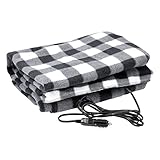
- HEATED BLANKET - This travel blanket is made of soft polyester fleece in a classic buffalo check plaid pattern. The car blanket plugs into your vehicle to provide gentle personal warmth, and folds for easy storage in a trunk or bag, or to use as a pillow.
- TRAVEL READY - The fleece blanket is powered by the 12V auxiliary power outlet in your car, truck, SUV, or RV to use on the go, perfect for chilly commutes, road trips, camping, tailgating, or keeping in your car emergency kit for cold weather comfort.
- LONG CORD - Equipped with a 60-inch-long cord, this heated throw blanket can reach most seats in your vehicle. This cozy blanket is an ideal way to maintain comfort during long winter drives or cold travel conditions.
- COZY GIFT - Give the gift of warmth with this plaid blanket. This heated throw is great for improving cold weather travel comfort and personal warmth, great for truckers, tailgate partiers, campers, or college students who drive home for visits.
- PRODUCT DETAILS - Materials: Polyester. Dimensions: (L) 59" x (W) 43"; Cord Length: 60". Care: Spot Clean Only. Do Not Machine Wash. Includes: Storage Case with Handles. Color: Black and White Plaid.
10. Stay Entertained & Connected on the Road

Keep connected! Pin these car living digital nomad essentials!
Staying entertained and connected is vital for mental well-being and productivity, particularly for digital nomads embracing car living. While the open road offers freedom, access to communication and digital resources ensures you can work, relax, and stay in touch with the outside world. This requires reliable electronics that can be powered efficiently, along with strategies for maintaining internet access. A portable power station becomes the hub for charging devices like your phone, tablet, and portable speaker.
What You Need
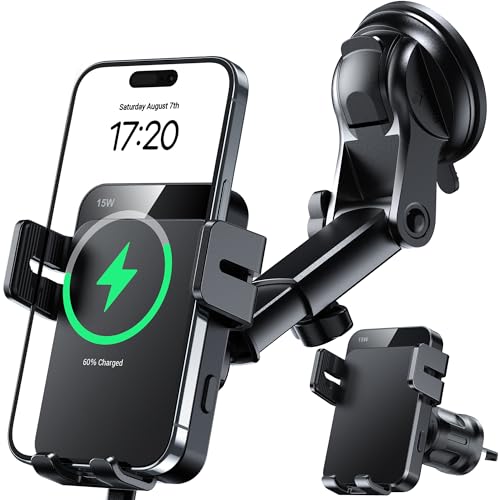
- Phone Mount: A sturdy, adjustable phone mount that attaches to the dashboard or windshield.
- Portable Speaker: A compact, battery-powered portable speaker for music or podcasts.
- E-Reader/Tablet: A device for reading or watching content, conserving phone battery.
- Wireless Headphones: For private listening without disturbing others.
- Mobile Hotspot/Unlimited Data Plan: Essential for reliable internet communication and digital nomad jobs.
Setup Steps
- Secure Devices: Mount your phone or tablet securely for navigation and entertainment while driving.
- Charge Regularly: Ensure all electronics are regularly charged via your portable power station or car’s 12V outlets.
- Optimize Connectivity: Use a mobile hotspot or leverage public Wi-Fi access points responsibly for internet communication.
- Create Downtime Routine: Integrate offline entertainment like books or journals for moments of limited connectivity.
Pro-Tip: For reliable internet communication as a digital nomad in a car, consider carrying two different mobile hotspots on different networks. This redundancy is crucial when signals are unreliable, a lesson learned from years of experience on the road.
11. Essential Vehicle Maintenance & Emergency Preparedness

Be road ready! Pin this car living emergency checklist!
Essential vehicle maintenance and comprehensive emergency preparedness are non-negotiable for long-term safety and peace of mind in car living. Your vehicle is your home, and its reliability directly impacts your lifestyle. Proactive vehicle maintenance prevents unexpected breakdowns and ensures road safety. Coupled with a well-stocked emergency car kit and reliable roadside assistance, you’re equipped to handle most unforeseen circumstances, transforming potential crises into manageable inconveniences.
What You Need
- Jumper Cables: Heavy-duty jumper cables for battery failure or assisting others.
- Tire Repair Kit/Spare Tire: A tire pressure gauge, patch kit, or a properly inflated spare tire.
- Basic Tool Kit: Includes a wrench set, screwdriver, and pliers for minor repairs.
- Emergency Car Kit: Contains a flashlight, blanket, reflective triangles, and non-perishable food.
- Fluids: Engine oil, coolant, and windshield wiper fluid.
- Roadside Assistance Membership: A reliable service like AAA for professional help during emergency breakdown.
Checklist Steps
- Routine Checks: Regularly check tire pressure, oil levels, and other fluids as part of your vehicle maintenance routine.
- Assemble Emergency Kit: Pack your emergency car kit with all essential items, ensuring they are easily accessible but out of the way.
- Inspect Tires: Periodically inspect tires for wear and tear, and ensure your spare tire is in good condition.
- Know Your Car: Familiarize yourself with basic car functions and troubleshooting to handle minor issues yourself, preventing major emergency breakdown.
Pro-Tip: Beyond basic vehicle maintenance, knowing how to jump-start your own car or change a flat tire can be a lifesaver. This proactive approach to road safety aligns with proven setup principles for any extended car living journey.

FAQs About Car Living Essentials
What are the essentials for living in your car?
The absolute essentials for car living include portable power for devices, discreet window covers for privacy and insulation, smart storage solutions, a comfortable sleeping system, and portable hygiene items. Beyond these, efficient food management, safety measures, adequate ventilation, weather preparedness, and vehicle maintenance are critical for long-term comfort and security.
How to stay warm living in a car?
To stay warm in a car, prioritize high-quality insulation for windows and a layered sleeping system with an insulated sleeping bag and blankets. Additionally, passive methods like parking in sunny spots and active measures like using a 12V blanket or a safe, vented propane heater with a carbon monoxide detector are crucial for temperature control in cold weather.
Where to shower when living in a car?
When living in a car, you can shower at gyms with memberships, public recreation centers, truck stops, or by utilizing portable outdoor showers in discreet locations. For daily freshening, use biodegradable wet wipes and no-rinse body wash in conjunction with a collapsible basin, ensuring proper disposal of gray water disposal.
Is living in your car legal?
The legality of living in your car varies significantly by jurisdiction, often depending on local ordinances regarding overnight parking and sleeping in vehicles. It’s essential to research local laws and seek out safe, legal parking spots such as those on public land, designated rest areas, or private properties where permission has been granted.
How to get mail when living in a car?
To get mail when living in a car, options include setting up a PO box at a post office, using a virtual mailbox service that scans and forwards mail, or having mail sent to a trusted friend or family member’s address. These methods ensure reliable receipt of important documents and packages.
How to cook while living in a car?
Cooking while living in a car is best achieved with a portable single-burner gas stove used in a well-ventilated area outside the vehicle. Simple, no-cook meals, or those requiring minimal preparation with a 12V refrigerator or quality cooler, reduce odor and condensation inside the car.
How to stay safe in a car at night?
To stay safe in a car at night, park in well-lit, discreet areas, use custom-fit window covers for privacy, and have a personal safety alarm and a discreet **security camera accessible.** Always trust your instincts, keep valuables out of sight, and have an exit strategy in mind for unexpected situations.
What is the best car for living in?
The best car for living in is typically a spacious SUV, minivan, or hatchback, as they offer more interior volume and flatter sleeping platforms than sedans. However, any vehicle can be adapted for car living with clever space-saving storage solutions and a focus on stealth aesthetics and functionality.
How to manage power in a car?
Managing power in a car involves investing in a **portable power station (preferably LiFePO4 with a pure sine wave inverter) charged via solar panels or the car’s alternator.** Carefully calculate your daily watt-hour calculation to match consumption with generation, conserving power for essential electronics.
How to deal with condensation in a car?
To deal with condensation in a car, ensure consistent **cross-ventilation using a ventilation fan and slightly cracked windows (with vent shades).** Use moisture absorbers, and regularly wipe down interior surfaces with a microfiber towel to prevents moisture buildup and mold prevention.
Key Takeaways
Navigating the world of car living essentials can seem daunting, but with the right strategic planning and smart solutions, you can transform your vehicle into a comfortable, secure, and stealthy home on wheels. From optimizing power management with reliable portable power stations and ensuring privacy with effective window covers, to mastering space-saving storage solutions and preparing for all weather conditions, each essential piece plays a vital role in your car dwelling journey. The key lies in selecting multi-functional, compact, and durable gear that directly addresses the unique challenges of a mobile existence.
- Prioritize a reliable Portable Power Station (LiFePO4 with pure sine wave inverter) for all your charging needs, ensuring you can manage electronics efficiently.
- Invest in custom-fit, insulated window covers to achieve both crucial privacy and effective temperature control for stealthy urban car living.
- Maximize every inch of limited space with multi-functional, collapsible storage solutions to keep your vehicle organized and clutter-free.
- Create a comfortable sleeping arrangement with a quality sleeping pad or inflatable mattress, tailored for optimal rest and easy setup/takedown.
- Maintain personal hygiene with portable toilets, microfiber towels, and no-rinse products to ensure freshness without constant access to traditional facilities.
- Implement a robust food and hydration strategy using a 12V refrigerator/cooler and durable water containers to prevent spoilage and stay nourished.
- Always be prepared with essential safety and emergency items, including a first aid kit, security measures, and roadside assistance, for peace of mind on the open road.
By focusing on hygiene routine, efficient food management, robust safety measures, and proactive vehicle maintenance, you build a foundation of self-sufficiency that empowers you on the road. Remember, stealth car living is about thoughtful preparation and smart resourcefulness, allowing you to embrace a minimalist road life or urban car living with confidence. This guide, informed by years of experience and a commitment to safety checklist protocols, provides the blueprint for a proven setup that prioritizes both your comfort and peace of mind. What’s one car living essential you can’t imagine life without?
Last update on 2026-04-06 / Affiliate links / Images from Amazon Product Advertising API

![Car Living Organization: 9 Smart Solutions to Maximize Space in [year]](https://i0.wp.com/carxplorer.com/wp-content/uploads/2026/04/Car-Living-Organization-9-Smart-Solutions-to-Maximize-Space-in-year-scaled-1.png?resize=60%2C60&ssl=1 "Car Living Organization: 9 Smart Solutions to Maximize Space in [year] 26")

![Car Living Ideas: 9 Smart Setups & Comfort Hacks for [year]](https://i0.wp.com/carxplorer.com/wp-content/uploads/2026/04/Car-Living-Ideas-9-Smart-Setups-Comfort-Hacks-for-year-1.jpg?resize=60%2C60&ssl=1 "Car Living Ideas: 9 Smart Setups & Comfort Hacks for [year] 30")
