
Staring at the ceiling of your vehicle on night one is terrifying. Suddenly facing car living broke brings overwhelming fear and intense stress. You are desperately seeking safety and a way out.
Car living broke requires mastering stealth parking, securing affordable hygiene access like gym memberships, prioritizing extreme weather insulation, and fiercely protecting your vehicle from towing or breakdowns. By utilizing safe parking programs and minimizing daily expenses, you can transition this emergency into a temporary financial reset.
Drawing from first-hand car living accounts and verified safety protocols, this guide offers genuine survival strategies. You will discover practical ways to maintain hygiene, stay warm, and aggressively pay off debt. Master this precarious housing situation today to secure your permanent financial freedom tomorrow.
How to Survive Car Living Broke: A Practical Guide to Safety and Savings
Navigating vehicular homelessness demands a rapid shift toward an urban survivalist mindset. When you are suddenly living in a car, the immediate shock can paralyze your decision-making. However, this transitionary state does not have to be a permanent trap. By acknowledging the realities of emergency car living, you can turn cramped living quarters into a strategic base for financial recovery. This guide prioritizes sheer survival, stealth, and strict budgeting over idealized van life aesthetics. We will explore how to secure safe sleeping locations, maintain basic hygiene, and build a robust financial recovery plan. Every strategy here focuses on protecting your physical safety while helping you aggressively save money to escape the car poor trap.
7 Essential Survival Strategies for Living in Your Car on a Zero Budget
Establishing a daily routine is the foundation of car life survival. When dealing with precarious housing, you must systemize your basic human needs to actively save money living on the road. The transition to budget car living requires careful management of where you park, how you wash, and how you eat. This actionable survival framework breaks down the overwhelming nature of this lifestyle into manageable, daily steps. From securing safe parking programs to maintaining an emergency breakdown fund, every tactic below ensures your physical well-being. By utilizing these proven budget strategies and expert survival tips, you will transform a highly vulnerable situation into a disciplined period of affordable survival and rapid savings.
1. Master Stealth Parking to Ensure Overnight Safety

Save this stealth parking setup to your survival prep boards for quick reference!
How do you park safely overnight? Master stealth car living by concealing your presence completely, rotating between multiple discreet parking locations, and strictly following the police knock protocol.
Finding safe places to park is your absolute highest priority when the sun goes down. Effective stealth camping drastically impacts safety and prevents eviction from prime sleeping spots. Your goal is to make your vehicle look unoccupied, avoiding attention from law enforcement, security guards, or local residents.
What most guides miss: True stealth begins miles before you park. Prepare your sleeping area, brush your teeth, and organize your gear at a secondary location like a public park. Never arrive at your overnight spot and then turn on interior lights or step out of the car. Mastering stealth ventilation DIY is critical here. Crack your windows no more than half an inch and cover the gap with dark rain guards. This prevents the ultimate stealth-killer: heavily fogged windows that instantly signal someone is sleeping inside.
What You Need
- Custom-cut blackout window covers (made from Reflectix painted black on one side or purchased pre-fit)
- Dark, non-reflective blankets or sleeping bags to blend into the interior
- Front seat privacy curtain (matte black fabric strung behind the front seats)
- A list of rotating overnight spots (Walmart parking lots, hospitals, Rest areas, and industrial parks)
Steps
- Scout your sleep locations during daylight hours to check for “No Overnight Parking” signs, cameras, and general safety.
- Rotate between at least three to five different parking spots so locals and security do not recognize your vehicle.
- Prepare your sleeping area, brush your teeth, and organize your gear at a secondary location before arriving at your sleep spot.
- Arrive late at night, immediately turn off all lights, slip into the back, and secure your blackout shades without stepping out of the car.
- Silence your phone, use only a low-lumen red light if necessary, and leave early in the morning before the surrounding area wakes up.

2. Insulate Your Vehicle Against Extreme Weather

Pin this essential winter vehicle insulation guide to stay safe during extreme cold!
How do you survive extreme temperatures in a car? Insulate your vehicle using custom reflective window barriers, heavily rated sleeping bags, and rigorous condensation management rather than running the engine.
Surviving winter car living or blistering summer heat forces rapid adaptation. A vehicle is essentially a metal box that rapidly transfers outside temperatures to the interior. Extreme weather survival requires proactive insulation to protect your health and conserve precious fuel. Proper condensation management requires consistent ventilation to prevent dampness that leads to hypothermia.
What You Need
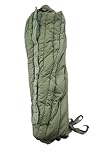
- Sub-zero rated mummy sleeping bag (critical for winter car living)
- Moisture-absorbing packets (DampRid) to manage breath condensation
- Rechargeable clip-on battery fans for summer air circulation
- Reflective sunshades for every window (to repel heat in summer, trap heat in winter)
- High-quality thermal base layers and wool socks
Steps
- Layer your foundation by placing a foam camping pad beneath your sleeping bag; the car floor pulls heat directly from your body.
- Block all glass surfaces with custom-cut reflective insulation, pressing them tight against the glass to create a dead-air thermal barrier.
- Manage moisture by cracking two cross-ventilation windows slightly and hanging moisture absorbers near the roof—damp clothes lead to freezing.
- Capture body heat by wearing a beanie hat to bed and keeping your nose outside the sleeping bag so your breath doesn’t dampen the interior.
- Cool down in summer by parking in deep shade, using heat + battery fans for cross-breeze, and placing damp towels on your neck during the hottest hours.
Pro-Tip: For advanced extreme weather survival, never run your car heater while sleeping to stay warm. The risk of fatal carbon monoxide poisoning is too high, and it wastes precious gas. Invest the money you save on fuel into a genuine sub-zero sleeping bag.
3. Maintain Daily Hygiene Without a Home Bathroom

Save these essential hygiene hacks to keep feeling human while living on the road!
How do you stay clean living in a car? Secure a 24-hour gym membership for daily showers and map out public restrooms, while keeping extra-large body wipes for emergencies.
Following a strict hygiene maintenance guide is vital for your physical health and employability. Accessing Planet Fitness showers provides temporary shelter and satisfies your basic grooming needs. Proper hygiene directly impacts your ability to maintain work, which is especially critical for working families homeless on the road.
What You Need
- 24-hour gym membership (e.g., Planet Fitness showers are the gold standard for car dwellers)
- Extra-large, unscented biodegradable body wipes (for days you can’t access a gym)
- Dry shampoo and a high-quality microfiber quick-dry towel
- A portable, sealable camping urinal or wide-mouth leak-proof bottle (strictly for middle-of-the-night emergencies)
- Hand sanitizer and a dedicated trash bin with odor-blocking bags
Steps
- Schedule your gym visits strategically; shower late at night right before sleeping to keep your sleeping bag clean, or early morning before work.
- Cleanse with extra-large body wipes on days when a gym isn’t accessible, focusing on high-sweat areas to prevent bacterial buildup and skin infections.
- Map out public restrooms in your daily driving radius, utilizing grocery stores, public libraries, and large hardware stores during business hours.
- Manage nighttime emergencies by keeping your emergency leak-proof bottle easily accessible in the dark, emptying and sanitizing it at a public restroom the very next morning.
- Control interior odors by immediately bagging and disposing of any damp towels, dirty laundry, or trash in outside dumpsters daily.
Pro-Tip: Invest in dark-colored, quick-dry activewear. It resists wrinkling, hides stains, and can be easily hand-washed in a gym sink and air-dried quickly over your car seat, keeping your mobile dwelling smelling fresh.

4. Cook and Store Nutritious Meals Without Power

Pin this no-refrigeration food storage guide to eat healthy on the road!
How do you eat cheap and healthy in a car? Focus on dry staples, utilize a portable camping stove outside your vehicle, and supplement your groceries with local food pantries.
Achieving low-cost nutrition without a refrigerator prevents reliance on expensive fast food drive-thrus. By properly managing dry goods and utilizing local social services like SNAP benefits, you can actively build your savings. Developing clean food + cooking routines outside the vehicle prevents dangerous interior condensation and fire risks.
What You Need
- Compact portable butane or propane camping stove
- High-quality, heavily insulated soft cooler (easier to fit in a car than hard coolers)
- Dry goods storage bin (for oats, rice, canned beans, peanut butter)
- One high-quality stainless steel pot, a bowl, and a versatile spork
- Local directory of hunger + food banks and an active SNAP EBT card if eligible
Steps
- Stock your dry bin with calorie-dense, non-perishable staples: peanut butter, canned tuna, instant rice, protein bars, and trail mix.
- Purchase ice and highly perishable items (like meat or dairy) only on the exact day you plan to consume them to avoid food poisoning.
- Cook your meals exclusively outside your vehicle on a park bench or tailgate—never ignite a camp stove inside your car due to severe fire and carbon monoxide risks.
- Utilize hot water from gas stations or convenience stores to make instant oatmeal, noodles, or coffee without needing to set up your stove.
- Clean your cookware immediately after eating using a spray bottle of water and a dash of biodegradable soap, wiping it clean with paper towels so food doesn’t attract pests.
Pro-Tip: Relying on drive-thrus is a massive contributor to the car poor trap. By cooking simple meals and utilizing local food banks to supplement your groceries, you can aggressively redirect hundreds of dollars a month toward your financial recovery plan.

5. Secure Reliable Power for Phones and Essentials

Never run out of battery again! Save this ultimate car living power setup.
How do you charge electronics while living in a car? Invest in a portable LiFePO4 power station charged while driving, and vampire charge your smaller devices at public libraries.
Managing powering needs independently prevents you from draining your vehicle’s starter battery. Portable power stations enable savings on gas because you no longer need to idle your engine just to charge a phone. Implementing low-profile solar setups or relying on indoor charging at public facilities keeps your essential navigation and communication tools online.
What You Need
- Lithium iron phosphate (LiFePO4) portable power station (safer and longer-lasting for car environments)
- 12V car charger adapter (to charge the station while driving)
- Foldable, low-profile solar setups (optional, for prolonged stationary periods)
- High-capacity USB power banks (for backup phone charging)
- Library card (for access to indoor wall outlets and free Wi-Fi)
Steps
- Invest in a portable power station; this is the heartbeat of your electronic life, allowing you to charge phones, run fans, and power small devices without the engine.
- Charge your power banks and power station simultaneously via your car’s 12V cigarette lighter outlet only while you are actively driving to work or running errands.
- Never charge devices from your car’s battery while the engine is off. A dead starter battery instantly turns your mobile home into a stranded, highly vulnerable target.
- Utilize public spaces like public libraries, coffee shops, or mall food courts during the day to “vampire charge” all your devices directly from wall outlets.
- Conserve energy by keeping your phone on low power mode, dimming the screen, and downloading movies or podcasts on library Wi-Fi so you don’t drain battery searching for cell signals at night.
Pro-Tip: For the safest power + solar chargers strategy, look for power stations utilizing LiFePO4 battery chemistry. They handle the extreme heat of a parked car much better than standard lithium-ion batteries, reducing the risk of thermal runaway and fire.

6. Handle Emergency Breakdowns Like a Pro

Don’t let a breakdown ruin your setup! Pin this emergency repair checklist.
What happens if your car breaks down while living in it? Deploy an emergency jump starter, utilize a premium AAA membership to avoid towing fees, and rely on an established repair fund.
When your car broke down, you lose both your shelter and your transportation simultaneously. This dual threat causes immense stress and necessitates immediate repair. By preparing a robust breakdown + repair assistance kit, you can perform basic mechanical triage for car dwellers and avoid devastating municipal tow yards.
What You Need
- Premium AAA membership (the platinum version includes 100-mile towing, which is life-saving)
- Compact lithium portable jump starter pack
- Heavy-duty tire plug kit and a portable 12V air compressor
- Basic socket set, screwdrivers, and pliers
- A dedicated emergency fund specifically reserved for vehicle maintenance costs
Steps
- Diagnose the immediate threat level if your vehicle breaks down. Pull over safely. If you cannot fix it immediately, you must move the vehicle out of active traffic to avoid police-mandated towing.
- Deploy your portable jump starter if the issue is a dead battery. This allows you to self-rescue instantly without waiting hours for a stranger or a tow truck.
- Repair flat tires on the spot using your heavy-duty tire plug kit and 12V air compressor. This prevents you from having to drive on a spare or buy a completely new tire.
- Call for roadside assistance (using your AAA card) to have the vehicle towed to a trusted, affordable mechanic—never a dealership, which will overcharge you.
- Secure your belongings. If the car must stay at a shop overnight, pack a “go-bag” with your sleeping gear, essential documents, and hygiene kit so you can temporarily utilize a shelter or cheap motel.
Pro-Tip: As part of your mechanical triage strategy, immediately check your fluids (oil, coolant) weekly. A cheap bottle of oil can prevent an expensive blown engine. Never ignore dashboard warning lights; preventative maintenance is exponentially cheaper than catastrophic failure.

7. Build a Financial Escape Plan to Leave the Car Poor Trap

Ready to bounce back? Save this aggressive debt payoff and savings strategy!
How do you escape vehicular homelessness? Establish a physical mailing address, aggressively funnel your former rent money into a high-yield savings account, and leverage gig economy work.
Falling into the car poor trap occurs when you squander the money saved on rent instead of executing a disciplined financial recovery plan. Saving for an apartment supports your ultimate goal to pay off debt and secure traditional housing. You must apply intense debt + aggressive saving tactics to bounce back successfully.
What You Need
- Fireproof, water-resistant document bag (to protect birth certificates, SSN cards, and vehicle titles)
- A strict zero-based budgeting app or physical ledger
- A PO Box or PMB (Personal Mailbox) to maintain a physical mailing address for employers and banks
- Active accounts on gig economy apps (UberEats, TaskRabbit, Instacart) for supplemental income
- A dedicated high-yield savings account purely for your apartment deposit
Steps
- Establish a PMB (Personal Mailbox) immediately. Unlike a PO Box, a PMB gives you a real street address, which is legally required to maintain bank accounts, car insurance, and W-2 employment.
- Calculate the exact amount you were paying for rent and utilities, and automate the transfer of that exact amount directly into a locked savings account every single payday.
- Protect your vital documents by sealing them in a fireproof bag hidden deep within your vehicle. Losing your ID or Social Security card will severely delay your ability to get an apartment.
- Hustle during your off-hours. Since your living space is cramped, use your free time to work mobile gigs, turning idle time into aggressive savings momentum.
- Execute your exit strategy once your savings cover first month’s rent, a security deposit, and a standard emergency fund. Do not upgrade your car or lifestyle until the lease is signed.
Pro-Tip: Beware the trap where the money saved on rent is mindlessly squandered on expensive takeout, daily coffee, and unnecessary storage unit fees. Track every single penny. Your goal isn’t to get comfortable living in your car; your goal is a rapid financial recovery plan to buy your way back indoors.

Key Takeaways: Your Quick Guide to Car Living Broke
Navigating this intense lifestyle requires rapid execution of these foundational rules. When reviewing this car living broke summary, focus on the interconnectedness of your survival systems. A comprehensive living in a car overview reveals that stealth protects your safety, hygiene protects your employment, and independent power protects your resources. These vehicle residency takeaways serve as your immediate action plan. By synthesizing these main points for car life survival, you can continually reference your core priorities during times of high stress or exhaustion. Implement these proven budget strategies today.
Key Takeaways:
- Prioritize Stealth and Safety: Master stealth car living by using custom blackout shades and rotating parking spots nightly to avoid the dreaded police knock and stay secure.
- Control Your Climate: Insulate against extreme weather survival scenarios using a sub-zero sleeping bag in winter and battery-operated fans in summer, never idling the engine to sleep.
- Secure Hygiene Access: Maintain your dignity and employability by utilizing Planet Fitness showers and keeping extra-large body wipes on hand for emergency grooming.
- Eat Cheap and Healthy: Dodge the car poor trap by avoiding fast food; instead, use a portable stove outside your vehicle and utilize local food pantries.
- Manage Independent Power: Invest in a portable LiFePO4 power station to charge your essential devices safely without draining your car’s critical starter battery.
- Prepare for Breakdowns: Carry a portable jump starter, a tire plug kit, and maintain a premium AAA membership to handle emergencies and avoid catastrophic towing fees.
- Execute an Escape Plan: Use a PMB for a legal address and aggressively funnel the money you save on rent toward saving for an apartment to successfully transition back indoors.
People Also Ask About Car Living Broke
Understanding the logistical and legal realities of car dwelling is crucial for your long-term safety. When facing this crisis, questions about car living broke naturally arise, focusing heavily on law enforcement encounters, vehicle maintenance, and finding secure locations. These common living in a car queries reflect the exact anxieties you are likely experiencing right now. By answering these high-priority questions with factual, legally grounded advice, you can mitigate risks and avoid costly mistakes. Always verify your specific local municipal codes, but rely on this baseline knowledge to navigate your daily survival safely.
How to live in a car when you are broke?
To live in a car when broke, prioritize free safe parking, maintain a gym membership for showers, cook your own food using a portable stove, and relentlessly save the money you’d normally spend on rent.
The key to surviving this transition is viewing your vehicle strictly as a bedroom and using public spaces like libraries and parks as your living room. By minimizing daily expenses and utilizing local social services, you can rapidly build an emergency fund.
Where can I sleep in my car for free?
You can sleep in your car for free at designated safe parking programs, highway rest areas, select 24-hour retail parking lots (like certain Walmarts), and industrial parks.
Always research local municipal laws, as overnight parking regulations vary wildly by city. To avoid harassment, arrive late, leave early, and utilize blackout window covers to maintain a low profile and avoid drawing attention to your vehicle.
What do I do if my car breaks down and I live in it?
If your car breaks down while living in it, immediately use a premium AAA membership to have it towed to a reputable, independent mechanic rather than an expensive dealership.
Pack an emergency “go-bag” with your sleeping gear, hygiene kit, and vital documents so you can stay at a temporary shelter, stay with a friend, or rent a cheap motel room while the vehicle is being repaired.
Is it illegal to live in your car?
It is generally not illegal to live in your car on a federal level, but many local municipalities have strict ordinances banning overnight parking or sleeping in vehicles on public streets.
Current as of April 2026, municipal laws continue to shift. To navigate this legally, utilize private property where you have explicit permission, designated safe parking programs provided by homeless advocacy groups, or master stealth parking techniques to avoid detection by code enforcement.
How to stay warm in a car during winter?
To stay warm in a car during winter, invest in a sub-zero rated mummy sleeping bag, insulate your windows with reflective bubble wrap, and sleep on a foam pad to block the cold radiating from the floor.
Never leave your car engine or a gas heater running overnight while you sleep due to the extreme risk of fatal carbon monoxide poisoning. Rely entirely on trapping your own body heat.
How to shower when living in a car?
The most reliable way to shower when living in a car is to purchase a low-cost, 24-hour gym membership like Planet Fitness.
This provides unlimited access to hot showers, clean restrooms, and a safe place to groom. On days you cannot access the gym, rely on extra-large biodegradable camping wipes to clean critical areas and prevent skin infections.
How to get mail when you live in a car?
To get mail while living in a car, rent a Personal Mailbox (PMB) from a UPS Store or local shipping center rather than a standard PO Box.
A PMB provides you with a real physical street address, which is legally required by employers, the DMV, and banks to maintain your car insurance, receive paychecks, and eventually apply for a new apartment.
What are safe parking programs?
Safe parking programs are legally sanctioned, secure parking lots managed by non-profits or local governments specifically for people experiencing vehicular homelessness.
These programs provide a legal place to park overnight without fear of police ticketing or towing, and they frequently offer access to portable restrooms, handwashing stations, and on-site social workers to help you secure permanent housing.
How to cook meals in a car without power?
You can cook meals without power by using a compact portable butane camping stove set up outside your vehicle on a park bench or tailgate.
Store dry goods like rice, beans, and canned proteins in a sealed plastic bin. Avoid cooking inside the cabin of your vehicle, as it creates massive condensation, lingering odors, and severe fire hazards.
What happens if your car gets towed while living in it?
If your car gets towed while living in it, you lose both your transportation and your home, and must immediately pay hundreds of dollars in impound fees to retrieve it before daily storage fees accumulate.
To prevent this catastrophic event, always ensure your registration is current, never park in permit-only or tow-away zones, and immediately address mechanical breakdowns so your car doesn’t appear abandoned.
Final Thoughts on Car Living Broke
Surviving this car living broke conclusion requires immense mental fortitude. This period of living in a vehicle full time strips away traditional comforts and forces a hyper-vigilant lifestyle. However, by strictly implementing these safety protocols, you are actively facilitating your journey toward getting back on your feet. You are no longer reacting blindly to an emergency; you are executing a calculated survival strategy. Utilize available mental health support and homeless advocacy resources to maintain your momentum.
Remember that this precarious housing situation is a temporary stepping stone, not a permanent destination. By fiercely protecting your vehicle and aggressively redirecting every dollar saved from rent into a dedicated emergency fund, you are building your pathway back indoors. Your financial freedom journey depends on refusing to settle into the car poor trap.
Stay safe, stay stealthy, and keep your eyes fixed on your long-term goals. You have the resilience required to navigate this transition and emerge stronger on the other side.
What has been your biggest challenge or most resourceful victory while living on the road? Share your experiences and survival tips in the comments below—your insight might be exactly what another reader needs to get through the night safely.
Last update on 2026-04-13 / Affiliate links / Images from Amazon Product Advertising API

![Car Living Trunk Setup: 7 Stealth Storage Hacks in [year]](https://i0.wp.com/carxplorer.com/wp-content/uploads/2026/04/Car-Living-Trunk-Setup-7-Stealth-Storage-Hacks-in-year-1.webp?resize=60%2C60&ssl=1 "Car Living Trunk Setup: 7 Stealth Storage Hacks in [year] 16")


