Thinking about using a vinyl wrap to cover up a few dings and make your car look new again? You’re wondering if this popular upgrade is the perfect, budget-friendly alternative to expensive bodywork. It’s a common question for anyone looking to refresh their vehicle’s appearance without breaking the bank.
While you can technically apply a vinyl wrap over a car with dents, it will not hide them. The thin, flexible film that is a vehicle wrap conforms precisely to the surface’s topography. This means every dent, ding, and imperfection will be clearly visible and often highlighted by the wrap’s finish. Repairing dents first is essential for a professional, smooth result.
Based on extensive hands-on experience and industry-standard practices, this guide goes beyond a simple “yes” or “no.” You’ll discover exactly why wrapping over damage fails, see the proper steps for dent repair before wrapping, and get a clear comparison of your options to make the best decision for your car and budget.
Key Facts
- Conformity, Not Concealment: A vinyl wrap is a thin film, typically 3-4 mils thick, that conforms to the surface topography. It mirrors imperfections like dents and scratches rather than hiding them.
- Mandatory Surface Prep: For a professional and durable wrap, the vehicle’s surface must be perfectly smooth. All dents, deep scratches, and rust must be repaired, filled, sanded, and primed before application.
- Adhesion Failure is Certain: Applying a wrap over a dent creates tension and air pockets. This leads to weak ‘vinyl wrap adhesion’, causing bubbling, lifting, and eventual peeling, especially with temperature changes.
- Rust Accelerates Damage: Wrapping over rust is a critical mistake. It traps moisture against the metal, allowing corrosion to spread undetected and severely damaging the body panel underneath the film.
- Minimal Impact Protection: A vehicle wrap can protect against very light scratches and scuffs but offers almost no protection against impacts that cause new dents. It is not a rigid or protective shell.
Can You Wrap a Car With Dents?
The definitive answer is no, not if you want a quality result. While it is physically possible to apply a vinyl film over a car with dents, the wrap will not hide the damage. In fact, it often makes the imperfections even more noticeable. A vehicle wrap is an extremely thin film designed to conform to the shape of the surface beneath it. Think of it like putting a fitted bedsheet on a lumpy mattress—the sheet won’t smooth out the lumps; it will just show you exactly where every one of them is.

For a vinyl wrap to look smooth and professional, the underlying surface must be flawless. Every dent, ding, and deep scratch needs to be properly repaired before the first piece of vinyl is applied. A car wrap is a cosmetic enhancement, not a body repair solution. Attempting to use it as a cover-up for existing body damage leads to poor aesthetic results and long-term failure of the wrap itself.
The core function of a vinyl wrap relies on its ‘conformability’ and strong ‘adhesion quality’. It needs a perfectly smooth, non-porous substrate to bond correctly. Any concave damage, like a dent, disrupts this crucial requirement, compromising both the look and the lifespan of your investment.
What Happens If You Wrap a Car Over Dents and Scratches?
From years of working with vehicle wraps, we’ve seen the unfortunate results of taking shortcuts. Wrapping over existing dents and deep scratches creates a set of predictable problems that ruin the finish and durability of the job. It’s not just a minor cosmetic issue; it’s a fundamental failure of the application process.
Here’s exactly what happens when you apply a vinyl film on dents:
- ❌ Highlights and Magnifies Imperfections: The smooth surface of a vinyl wrap, especially a gloss finish, acts like a mirror. When stretched over a concave dent, it reflects light from different angles, creating distinct shadows and highlights that make the dent’s shape even more obvious than it was on the original paint. The ‘thin film property’ of the vinyl means it does a ‘texture mapping’ of the surface, perfectly replicating every flaw.
- ❌ Causes Bubbling and Trapped Air: A dent creates an edge where the vinyl cannot be perfectly squeegeed down. Air inevitably gets trapped in this crevice. Unlike small bubbles on a flat surface, these cannot be removed with a heat gun or pinprick. This trapped air creates unsightly bubbles and becomes a starting point for ‘adhesion failure’.
- ❌ Leads to Lifting and Peeling: The vinyl stretched over a dent is under constant ‘surface tension’. As temperatures change, the vinyl expands and contracts. This movement, combined with the inherent tension over the dent, causes the adhesive to fail at the edges. The result is premature lifting and peeling, which allows dirt and moisture to get under the wrap and cause further failure.
Ultimately, trying to wrap a car with damage is a waste of time and money. The aesthetic result is disappointing, and the wrap’s lifespan is significantly shortened.
How Do Different Wrap Finishes Affect Dent Visibility?
While no wrap can truly hide a dent, the type of finish you choose does impact how visible the imperfection will be. This comes down to how the surface reflects or diffuses light. From our practical experience, here is how different finishes interact with underlying flaws.
| Finish Type | How It Interacts With Dents | Best For Hiding Imperfections? |
|---|---|---|
| Gloss | Reflects light directly, creating sharp highlights and shadows that magnify the dent’s shape. | Worst |
| Satin | Splits the difference; has a soft sheen that shows the dent but with less harsh reflection than gloss. | Poor |
| Matte | Diffuses light, which can help mask extremely minor surface texture, but the dent’s overall shape remains clearly visible. | Slightly Better, but Not a Solution |
| Textured (e.g., Carbon Fiber) | The pattern can sometimes distract the eye from very small dings, but any dent of size will still distort the pattern and be obvious. | Best of the Bad Options (for tiny issues only) |
The bottom line is clear: while a matte or textured finish might be slightly more forgiving for microscopic surface texture, no vinyl wrap is a substitute for proper bodywork. The dent will always show through.
How Do You Properly Fix Dents Before Wrapping a Car?
To fix dents for a car wrap, you must sand the area, clean it, apply body filler, sand the filler perfectly smooth, and then seal the repair with a 2K primer. The goal is to create a perfectly level and non-porous surface that the vinyl can adhere to flawlessly. This process is not a suggestion; it’s a requirement for a professional-grade wrap.
Based on countless professional installations, skipping any part of this preparation will compromise the final result. Here is the step-by-step process used by industry experts.
- Sand the Area: Start by sanding the dent and the immediate surrounding area down to bare metal. An 80-grit sandpaper on a dual-action (DA) sander or by hand works well for this. This step removes the paint and creates a rough surface for the filler to grip onto.
- Clean and Degrease: This is a critical step. Wipe the entire sanded area thoroughly with a ‘degreaser’ like isopropyl alcohol on a clean microfiber towel. This removes all dust, oils, and contaminants that could prevent the ‘body filler’ from bonding correctly.
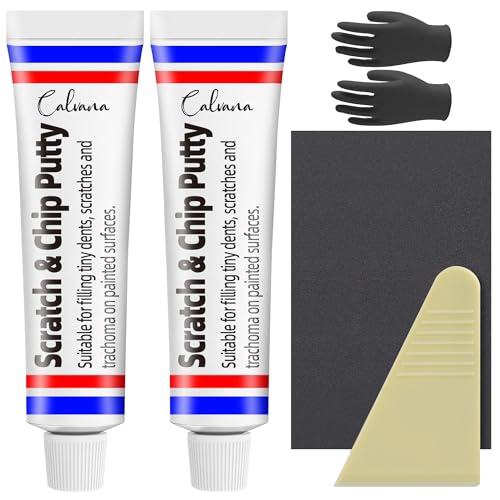
- Apply Body Filler: Mix a small amount of automotive ‘body filler’, often known by the brand name ‘Bondo’, according to the manufacturer’s instructions. Apply a thin, tight layer with a flexible spreader, pushing it into the sanded scratches. Then build it up in thin layers until it’s slightly higher than the surrounding surface.
- Sand Smooth: Once the filler has fully cured (check the instructions), it’s time to shape it. Start with 180-grit sandpaper on a sanding block to knock down the high spots and level the filler with the car’s body. Then, switch to a finer 320-grit sandpaper to remove the coarser scratches and create a perfectly smooth, feathered edge.
- Prime the Repair: Apply 2-3 coats of a high-build 2K ‘primer sealer’ over the entire repair area. The primer fills in any tiny pinholes or scratches and, most importantly, seals the porous body filler. After the primer cures, lightly sand it one last time with 400-600 grit sandpaper for a glass-smooth final surface.
Why Is Using a 2K Primer Sealer Before Wrapping Essential?
Using a 2K primer over body filler is essential because filler is porous and will absorb the vinyl’s adhesive, leading to weak bonds and eventual failure. This is a critical detail that DIY installers often miss, leading to disastrous results down the line. A 2K primer seals the repair, creating a hard, non-porous, and uniform surface that ensures maximum adhesion for the car wrap.
Think of it this way: trying to apply a sticker to a sponge is impossible because the sponge’s porous surface absorbs the adhesive. Raw body filler acts just like that sponge.
⚠ Critical Step: Never apply vinyl wrap directly over cured body filler. The wrap will fail. The primer sealer is what turns the porous “sponge” of the filler into a smooth, solid piece of “plastic” that the wrap can securely bond to. This step ensures long-term durability and prevents the vinyl from lifting or bubbling over the repaired area.
Is It Better to Paint or Wrap a Dented Car?
When deciding between painting or wrapping a dented car, remember that both options require the dent to be repaired first. The real decision is about the finishing coat applied after the bodywork is done. A quality paint job is best for long-term durability and restoring an original look, while wrapping is often better for cost-savings, temporary color changes, and unique custom finishes.
The choice depends entirely on your budget, how long you plan to keep the car, and your aesthetic goals. Here is a direct comparison to help you decide.
| Factor | Repair and Paint | Repair and Wrap |
|---|---|---|
| Initial Cost | Higher (especially for high-quality multi-stage paint) | Lower (compared to a quality respray) |
| Durability | 10+ years (OEM quality paint) | 3-7 years (depends on vinyl quality and care) |
| Reversibility | Permanent | Fully Reversible (protects original paint underneath) |
| Customization | Limited to available paint codes | Virtually unlimited (colors, textures, finishes) |
| Maintenance | Standard wash and wax; susceptible to chips/scratches. | Hand wash recommended; self-healing properties on some films. |
| Best For… | Long-term ownership, restoring to original condition, maximizing resale value. | Budget-conscious refreshes, trendy color changes, protecting underlying paint. |
If your car’s original paint is in good condition aside from the dent, the most economical option is often a spot repair and paint touch-up. However, if you’re looking for a full-color change, repairing the dent and then wrapping the car is typically more affordable than a full, high-quality respray.
FAQs About can you wrap a car with dents
Can you wrap a car with scratches or rust?
Wrapping over deep scratches or any rust is not recommended. Similar to dents, deep scratches will show through as visible lines in the vinyl. More importantly, wrapping over rust traps moisture and allows the corrosion to spread undetected, severely damaging the body panel underneath the wrap. All rust must be completely removed and the area treated and primed before wrapping.
Will a car wrap hide a 1-inch dent?
No, a car wrap will not hide a 1-inch dent. In fact, the smooth finish of the vinyl will likely make the dent’s outline and shadow even more noticeable. Any dent that is visible to the naked eye and can be felt with your hand will absolutely show through a wrap, regardless of its size.
Can you wrap over hail damage?
No, you cannot effectively wrap over hail damage without repair. Hail damage consists of numerous small, concave dents. A vinyl wrap will conform to every single one of these pockmarks, resulting in a dimpled, golf ball-like texture that looks unprofessional. Paintless Dent Repair (PDR) is the ideal solution for fixing hail damage before wrapping.
Does car wrap protect against future dents?
A vinyl wrap offers minimal protection against future dents. While it can help prevent very light scratches and scuffs from small road debris, it is a thin, soft film. It does not have the rigidity to prevent a door ding, hail, or any impact that would be forceful enough to dent the metal body panel underneath.
Can you wrap a car with clear coat failure?
It is highly advised not to wrap a car with clear coat failure. Peeling, flaking, or bubbling clear coat creates an unstable, uneven surface. The wrap’s adhesive will stick to the failing clear coat, not the stable base coat. When the wrap is removed, it will likely pull large sections of the damaged clear coat and paint off with it. The surface must be sanded smooth and primed first.
How much does it cost to fix dents before wrapping?
The cost to fix dents before wrapping varies widely, from $75 to over $1,500. A single small ding might be fixed with Paintless Dent Repair (PDR) for $75-$150. Larger, more complex dents requiring body filler, sanding, and priming at a body shop can cost $400-$800 per panel. Extensive hail damage can easily exceed $1,500 to repair.
Is it worth wrapping a damaged car?
It is only worth wrapping a damaged car if you properly repair the damage first. Wrapping over existing damage leads to poor aesthetic results and long-term wrap failure. The true cost is the repair plus the wrap. If the repair costs are too high, it may be more economical to consider a full paint job or other alternatives.
Will the wrap peel off a dent?
Yes, a wrap is more likely to peel or lift from a dented area. The vinyl is stretched and under constant tension as it conforms to the dent’s shape. This tension, combined with temperature changes that cause the vinyl to expand and contract, can weaken the adhesive bond at the dent’s edges and lead to lifting and peeling over time.
Can you feel dents through a car wrap?
Yes, you can absolutely feel dents through a car wrap. The vinyl film is typically only 3-4 mils (about 0.1mm) thick, which is thinner than a sheet of paper. It adds no significant thickness and does not fill in any imperfections, so the exact topography of the surface underneath will be felt through the wrap.
How to do an adhesion test for a car wrap?
To perform an adhesion test, apply a small, 6×6 inch piece of the vinyl wrap to a questionable area, like a repaired spot. Squeegee it down firmly and let it sit for 24 hours. After the time has passed, try to peel the vinyl off. If it requires significant, consistent force to remove, adhesion is good. If it peels off easily or in jerky motions, the surface is not suitable for wrapping.
Key Takeaways: Wrapping a Dented Car
Here are the most important points to remember when considering a vinyl wrap for a car with surface damage:
- Vinyl Does Not Hide Dents: The most critical takeaway is that a vinyl wrap is a thin film that conforms to and highlights surface imperfections; it is not a filler and will not hide dents, dings, or deep scratches.
- Repair is Mandatory: For a professional, long-lasting result, all surface damage must be repaired before wrapping. The surface must be perfectly smooth and non-porous for proper ‘vinyl wrap adhesion’.
- Proper Prep is Key: The correct repair process involves sanding the damage, applying automotive ‘body filler’, sanding it perfectly smooth, and sealing the repair with a 2K ‘primer sealer’. Skipping any step will lead to a poor finish or ‘adhesion failure’.
- Finish Choice Matters (Slightly): While no finish will hide a dent, ‘matte’ or textured wraps are slightly better at masking very minor surface texture than ‘gloss’ wraps, which act like a mirror and magnify every flaw.
- Cost Analysis is Crucial: The true cost is not ‘wrap vs paint’, but ‘repair + wrap’ vs. ‘repair + paint’. Wrapping is only a cost-effective choice if you are comparing it to a high-quality, full-car respray.
- Rust is a Deal-Breaker: Never wrap over rust. It will trap moisture, accelerate corrosion, and destroy the panel from underneath. The rust must be completely eradicated first.
- No Impact Protection: A standard vinyl wrap offers protection from minor scuffs and rock chips but provides almost zero protection against impacts that cause dents, like door dings or hail.
Final Thoughts on Wrapping a Car With Dents
The decision to wrap a car with dents comes down to one non-negotiable principle: preparation is everything. While a vehicle wrap offers a stunning and transformative aesthetic, its beauty and longevity are entirely dependent on the quality of the surface beneath it. Viewing a wrap as a “liquid blanket” that can hide flaws is the most common and costly mistake a car owner can make.
Investing in proper dent repair—whether through professional Paintless Dent Repair for minor dings or traditional body filler and priming for larger damage—is not an optional expense. It is a fundamental requirement for a successful wrap installation. By understanding that a wrap conforms to, rather than conceals, imperfections, you can set realistic expectations and properly budget for a project that will leave you with a finish you can be proud of for years to come.
Last update on 2026-03-07 / Affiliate links / Images from Amazon Product Advertising API