
Wondering if you can wax a wrapped car to give it that extra shine? You’re right to be cautious, as using the wrong product can cause irreversible damage to your vehicle’s expensive finish.
Yes, you can wax a wrapped car, but it is only safe and recommended for wraps with a high-gloss finish. Applying traditional car wax to matte, satin, or textured vinyl wraps can fill in their unique texture, causing permanent shiny spots and staining. The safety of waxing depends entirely on the vinyl’s surface.
Based on industry best practices and manufacturer guidelines, this guide will show you exactly why this distinction is critical. You’ll learn the right way to protect a gloss wrap and discover the superior, modern alternatives that are safe for any wrap finish.
Key Facts
- Finish is Everything: Wax is only considered safe for high-gloss vinyl wraps because their surface mimics a car’s clear coat.
- Matte is a No-Go: Applying wax to a matte wrap will ruin its finish by filling in the micro-texture, creating permanent shiny and blotchy patches.
- Harmful Ingredients: Many waxes contain petroleum distillates and abrasives, which can chemically stain or physically scratch a vinyl film.
- Ceramic is a Superior Alternative: Modern ceramic spray coatings are safer and more durable than wax for all wrap finishes, including gloss, matte, and satin.
- Manufacturer Warranties: Using unapproved products like abrasive waxes can void the warranty provided by vinyl manufacturers like 3M and Avery Dennison.
Can You Wax a Wrapped Car? The Definitive Answer
The answer is a conditional yes: you can wax a wrapped car, but only if it has a high-gloss vinyl finish. For these specific wraps, a quality synthetic wax can add a layer of protection and enhance shine. However, for any other finish—including matte, satin, chrome, or textured—applying traditional wax will cause damage and should be avoided completely. The core of car wrap waxing is understanding that different finishes have fundamentally different surface properties.

This distinction is the most important rule in vinyl wrap maintenance. A gloss vinyl wrap is engineered to be smooth and reflective, much like a car’s factory clear coat. Most synthetic waxes are designed to work on these types of non-porous surfaces. They fill in microscopic imperfections to create an even more reflective shine and add a protective barrier against UV rays and contaminants.
Conversely, matte, satin, and other non-gloss wraps achieve their unique appearance from a textured surface that diffuses light instead of reflecting it. Applying a filler-based product like wax clogs this texture, leading to an uneven, blotchy appearance that ruins the intended effect. Therefore, your wrap’s finish is the single determining factor in whether waxing is a safe maintenance step.
Why Is Wax Only Safe for Gloss Vinyl Wraps?
Gloss vinyl wraps have a smooth, non-porous top layer that functions like a vehicle’s clear coat. Waxes, especially non-abrasive synthetic sealants, are designed to bond with this type of surface. They fill in microscopic pores to create a perfectly flat, hydrophobic layer that enhances the wrap’s natural shine and provides UV protection without causing damage.
Think of it this way: a gloss wrap is like the screen of your smartphone—smooth, sealed, and reflective. Wax spreads evenly across it, buffs to a high shine, and adds a protective layer. The properties are compatible.
Here is why this process works on gloss but not on other finishes:
* Non-Porous Surface: A high-gloss vinyl wrap has a sealed top layer. Wax sits on top of this surface without being absorbed, allowing it to be buffed to a shine.
* Mimics Clear Coat: Automotive waxes are formulated for the non-porous nature of a car’s clear coat. Since gloss vinyl behaves similarly, these products are generally compatible.
* Enhances Shine: The purpose of wax is to create a perfectly smooth surface for light to reflect off uniformly. On a gloss wrap, this enhances its inherent reflectivity.
* Adds a Protective Layer: A coat of synthetic wax or sealant provides an additional barrier against UV radiation, bird droppings, and water spots, helping to prolong the life and look of the wrap.
Expert Tip: From our experience, always choose a high-quality liquid synthetic sealant over a traditional carnauba paste wax for gloss wraps. Synthetic products are less likely to contain harsh solvents and offer more durable UV protection, which is critical for preserving the color and integrity of the vinyl film.
What Happens If You Wax a Matte, Satin, or Chrome Wrap?
Do NOT use wax on matte, satin, or chrome vinyl wraps. The fillers and oils in wax will clog the textured surface of a matte wrap, making it look blotchy and permanently glossy. On satin wraps, it creates an uneven, greasy finish. On chrome, abrasive elements in wax can cause fine scratches and haziness, destroying the mirror-like effect.
The unique appeal of these finishes comes from their specific surface structure, which traditional wax is chemically designed to alter. Here’s a breakdown of the damage you can expect on each type of non-gloss finish:
- Matte Wraps: The flat, non-reflective look of matte vinyl comes from a micro-texture on its surface that diffuses light. Wax fills in this texture, effectively smoothing it out. This results in ugly, semi-glossy patches and streaks that cannot be removed.
- Satin Wraps: Satin finishes have a subtle sheen that sits between matte and gloss. Wax disrupts this delicate balance, creating a blotchy, greasy look. The oils in the wax can also cause discoloration.
- Chrome Wraps: Chrome vinyl is designed to be perfectly smooth and mirror-like. Many “cleaner waxes” contain fine abrasives intended to polish a car’s clear coat. On a chrome wrap, these abrasives will create thousands of tiny scratches, resulting in a hazy, swirled appearance that ruins the reflective quality.
⚠ WARNING: Wax Damage is Often Permanent
Once wax has dried and cured into the texture of a matte or satin wrap, it is nearly impossible to remove completely. Attempts to scrub it off can cause further damage to the film. The only reliable fix for a wax-damaged panel is often a costly replacement.
What Specific Ingredients in Wax Cause Damage?
The primary culprits in wax that damage non-gloss vinyl wraps are petroleum distillates and abrasive ingredients. Understanding these components helps clarify why most waxes are unsuitable.
- Petroleum Distillates: These are oil-based solvents found in many paste and liquid waxes that help with spreadability. On a matte or satin wrap, these solvents can chemically react with the vinyl and its plasticizers. This reaction can lead to staining, discoloration, and even softening of the film over time, making it more susceptible to damage.
- Abrasive Ingredients: Cleaner waxes and polishing compounds contain microscopic abrasives designed to remove a very thin layer of oxidized paint to restore shine. These particles act like fine sandpaper on a vinyl wrap. They will scratch chrome finishes, mar the delicate surface of satin, and can even wear down the texture of a matte wrap.
- Fillers and Oils: Carnauba waxes and other traditional formulas are rich in fillers and oils. While these give a deep, wet look to paint, they are exactly what clogs the pores of a matte wrap, leading to the unwanted glossy patches.
When checking a product label, be wary of terms like “polishing agents,” “cleaners,” or “petroleum solvents.” If a product is not explicitly labeled as safe for vinyl wraps or matte finishes, it’s best to avoid it.
How Do You Safely Wax a Gloss Vinyl Wrap? A 5-Step Guide
Safely applying a protectant to your gloss vinyl wrap is straightforward if you follow the correct procedure. Based on professional detailer practices, this process ensures an even application without risking damage to the film, especially around edges.
1. Wash and Dry Thoroughly
Start with a perfectly clean surface. Any dirt or grit left on the wrap can be dragged across the surface during waxing, causing scratches.
* Action: Wash the vehicle using the two-bucket method with a pH-neutral car wash soap.
* Pro-Tip: Never wash in direct sunlight, as the heat can cause soap and water to dry too quickly, leaving spots. Dry the vehicle completely with a plush microfiber drying towel.
2. Choose the Right Product
Select a high-quality liquid synthetic sealant or a spray wax specifically rated as safe for vinyl. Avoid heavy carnauba paste waxes or any “cleaner wax” that contains abrasives.
* Action: Read the product label to ensure it does not contain petroleum distillates or abrasives.
* Our Recommendation: Modern synthetic sealants offer superior durability and UV protection compared to traditional waxes.
3. Perform a Test Spot
Before covering your car, test the product in a small, hidden area. This ensures there are no adverse reactions with your specific vinyl film.
* Action: Apply a small amount of the product to a low-visibility area, such as a low section of a door or bumper.
* Caution: Wait a few minutes and buff it off. Check for any discoloration, swelling, or change in finish before proceeding.
4. Apply a Thin, Even Coat
Less is more. A thick coat of wax does not add more protection; it only makes it harder to remove.
* Action: Work in small, 2×2 foot sections at a time. Apply a few drops of sealant to a microfiber applicator pad and spread it in a thin, even layer.
* Pro-Tip: Avoid getting wax on the edges of the wrap panels or on any exposed trim, as it can dry and leave a white, chalky residue that is difficult to remove.
5. Buff Off the Residue
Remove the wax or sealant residue before it fully cures. Most modern sealants require removal shortly after application.
* Action: Use a separate, clean, and plush microfiber towel to gently buff off the residue, revealing a slick, shiny finish.
* Pro-Tip: Use one towel for the initial wipe-down and a second, perfectly clean towel for the final buff to ensure a streak-free shine.
What Are the Best Alternatives to Wax for Protecting Any Vinyl Wrap?
The best alternative to traditional wax for any vinyl wrap—including matte, satin, and chrome—is a modern ceramic spray coating. These SiO2-based products provide superior durability, hydrophobicity, and UV protection without the risks associated with waxes. They are specifically designed to be safe on all finishes.
Unlike wax, which is a physical layer of oils and fillers that sits on the surface, a ceramic coating forms a chemical bond with the vinyl. This creates a hard, slick shell that protects the wrap without altering its intended finish. This is why detailing professionals and wrap manufacturers increasingly recommend ceramic products.
Here’s a clear comparison of why ceramic spray sealants are the superior choice:
| Feature/Aspect | Traditional Carnauba Wax | Modern Ceramic Spray Sealant |
|---|---|---|
| Finish Compatibility | Gloss Wraps Only | All Wraps (Gloss, Matte, Satin, Chrome) |
| Protection Mechanism | Sits on top (physical layer) | Chemically bonds to surface (hard shell) |
| Durability / Longevity | 1-3 months | 6-12+ months |
| UV Protection | Good | Excellent |
| Application Method | Labor-intensive (apply, haze, buff) | Easy (spray on, wipe off) |
| Risk to Matte/Satin | High (Staining, Glossing) | None (Preserves original sheen) |
For vehicle owners, the move to ceramic sprays simplifies maintenance. You can use one product for the entire vehicle, regardless of the wrap finish, and enjoy protection that lasts significantly longer.
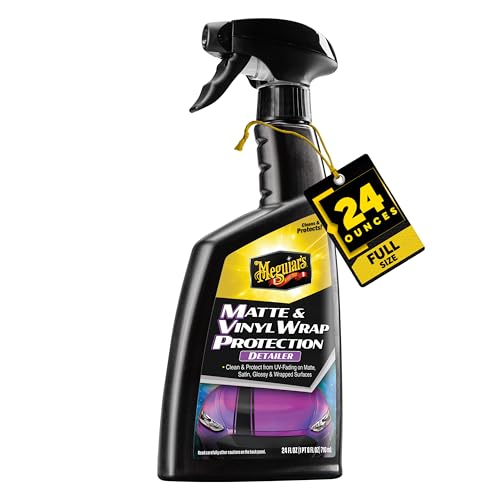
FAQs About can you wax a wrapped car
Can you use spray wax on a wrapped car?
Yes, you can use spray wax on a gloss vinyl wrap, and it’s often a safer choice than paste wax as it’s less likely to contain heavy fillers or abrasives. However, you must still verify it is free of petroleum distillates. For matte or satin wraps, you must use a dedicated matte detail spray instead of any type of spray wax to avoid adding unwanted shine.
How often should you wax a gloss vinyl wrap?
If using a quality synthetic wax on a gloss vinyl wrap, an application every 3 to 6 months provides consistent UV protection and maintains a hydrophobic surface. A superior ceramic spray coating, however, offers greater longevity, often lasting 6 to 12 months or more. This reduces your maintenance workload while providing better protection.
Is ceramic coating better than wax for vinyl wraps?
Yes, a ceramic coating is definitively better than wax for all vinyl wrap types. It delivers longer-lasting protection (6-12+ months), superior resistance to UV rays and chemicals, and intense water beading. Critically, it is safe for all finishes, including matte and satin, because it forms a hard, protective shell without altering the original sheen.
What happens if you accidentally get wax on a matte wrap?
You must try to remove it immediately before it can dry using a 30% solution of isopropyl alcohol (IPA) and water. Spray the affected area, allow it to dwell for a few seconds to dissolve the oils in the wax, and gently wipe with a clean microfiber towel. If the wax dries, it can create a permanent shiny spot that is extremely difficult to fix.
Can you use a clay bar on a wrapped car?
Yes, you can use a fine-grade clay bar on a gloss vinyl wrap, but only with extreme caution and copious amounts of lubrication to avoid marring the surface. It should only be done to remove embedded contaminants. Never use a clay bar on matte, satin, or textured wraps, as it will damage the finish.
Can you polish a vinyl wrap?
No, you must never use traditional automotive polishes, compounds, or cleaner waxes on any type of vinyl wrap. These products are abrasive and designed to cut away a layer of paint’s clear coat. On vinyl, this will permanently scratch the surface, cause discoloration, and can easily burn through the film entirely.
How do you fix a stained or discolored vinyl wrap?
Minor stains on a matte wrap from accidental wax exposure can sometimes be removed with an isopropyl alcohol (IPA) solution if treated immediately. However, significant discoloration from chemical reactions is usually permanent. In most cases, the only reliable solution for a chemically damaged vinyl panel is to have it professionally replaced.
Does waxing a wrap void the warranty?
Yes, in many cases, it can. Major vinyl manufacturers like 3M and Avery Dennison specify in their care guidelines that using abrasive polishes or waxes containing harmful solvents can void the film’s warranty. To remain compliant, always use products specifically formulated for vinyl or modern ceramic coatings.
How long should you wait to wax a newly wrapped car?
You should wait at least one to two weeks after a new wrap installation before applying any form of wax or sealant. This waiting period, often called a “curing” time, allows the wrap’s adhesive to fully bond to the vehicle and lets any residual application moisture evaporate. Applying products too soon can interfere with this bond, especially at the edges.
Can you take a wrapped car through an automatic car wash?
It is strongly advised to avoid automatic car washes that use brushes, as the stiff bristles can cause fine scratches and may catch and lift the edges of the vinyl. A touchless automatic car wash is a much safer alternative if a hand wash isn’t possible. The best and safest cleaning method always remains a proper two-bucket hand wash.
Key Takeaways: Waxing a Wrapped Car
- Gloss Finish Only: You can only safely apply wax to high-gloss vinyl wraps. Applying wax to matte, satin, chrome, or textured finishes will cause permanent damage.
- Harmful Ingredients are the Enemy: Avoid any wax containing abrasives or petroleum distillates. These ingredients can scratch, stain, or chemically damage the vinyl film.
- Ceramic Coatings are Superior: For all wrap types, a ceramic spray coating is the best and safest alternative. It offers longer-lasting protection without the risks associated with wax.
- Preparation is Crucial: Before applying any protectant to a gloss wrap, the surface must be perfectly clean. Wash with a pH-neutral soap and dry thoroughly.
- Matte Wraps Need Special Care: Never use any product that adds gloss to a matte finish. Use dedicated matte-safe detail sprays and cleaners to preserve the flat sheen.
- When in Doubt, Test It Out: Always test any new cleaning or protection product on a small, inconspicuous area of the wrap first before applying it to the entire vehicle.
- Avoid Automatic Brush Washes: The safest way to clean any vinyl wrap is a hand wash. Brushes in automatic car washes can cause fine scratches and lift the edges of the film.
Final Thoughts on Protecting Your Vinyl Wrap
Protecting your vinyl-wrapped vehicle comes down to a simple principle: use products designed for the specific finish you have. While you can technically wax a gloss-wrapped car with the right precautions, the evolution of detailing technology has provided a far better solution for everyone.
The modern, professional standard for protecting any wrapped vehicle is a ceramic spray coating. This approach removes all the guesswork. It eliminates the risk of damaging matte, satin, or chrome finishes and provides more durable, longer-lasting protection for gloss wraps. By choosing a quality ceramic spray, you simplify your maintenance routine and give your investment the best defense against the elements, ensuring it looks incredible for years to come.
Last update on 2026-02-23 / Affiliate links / Images from Amazon Product Advertising API


