
Tempted to grab that bottle of dish soap for a quick car wash? You’re not alone. Many drivers wonder if this kitchen staple is a safe shortcut for cleaning their vehicle.
Yes, you can use dish soap to wash a car, but it is not recommended for regular use. Dish soap is a powerful degreaser formulated to strip grease and oils, a process that also removes the essential wax, sealants, and polymers that protect your car’s paint from damage.
Based on extensive analysis of automotive detailing standards, this guide explains exactly what happens when you wash your car with dish soap. You will discover the specific risks to your paint, the one time it’s actually acceptable, and what safer alternatives you should use to protect your vehicle’s finish and value.
Key Facts
- Strips Protective Layers: Dish soap is alkaline, with a pH level around 8-9, which effectively removes car wax and sealants, leaving the paint exposed to the elements.
- Increases Scratch Risk: Unlike dedicated car soaps, dish soap lacks lubricity. This increases friction during washing, raising the risk of creating swirl marks and micro-scratches in the clear coat.
- Accelerates Oxidation: By stripping protective oils and wax, repeated use of dish soap exposes the clear coat to UV radiation, which can accelerate paint oxidation, leading to a dull, faded appearance.
- Damages Trim: The degreasing agents in dish soap can dry out and leach protective oils from rubber seals and plastic trim, causing them to fade, become brittle, and potentially crack over time.
- One Legitimate Use: Professional detailers sometimes use a diluted dish soap solution specifically to strip old, contaminated layers of wax before performing a full paint correction and applying a new protective coating.
Can You Use Dish Soap to Wash a Car? The Definitive Answer
Yes, you can use dish soap to wash a car, but it’s strongly advised against for regular cleaning. While it certainly removes dirt and grime, its core design as a degreaser is what makes it a poor choice for routine washes. The fundamental conflict is that the very properties that make dish soap effective in the kitchen are destructive to your car’s exterior. While it cleans effectively, most certified detailers and automotive expert professionals advise against its regular use for this reason.
Think of it this way: your car’s paint has a delicate ecosystem of protective layers. A high-quality car wax or paint sealant [a synthetic protective polymer coating] acts as a sacrificial barrier against UV rays, acid rain, and road contaminants. Dish soap’s job is to obliterate grease and oils, and it cannot distinguish between caked-on kitchen grime and the beneficial oils and waxes on your car. Using it is like using a sledgehammer to crack a nut—it works, but with significant collateral damage.
For a one-time wash in an absolute emergency, it is unlikely to cause immediate, permanent damage to your factory paintwork. However, making it a regular habit is a surefire way to dull your car’s finish and leave it vulnerable. The real issue isn’t a single wash, but the long-term effects of repeatedly stripping away your car’s essential protection.
What Happens When You Use Dish Soap on Car Paint and Wax?
When you wash a car with dish soap, its powerful degreasing agents immediately go to work on more than just dirt. They attack and break down the essential protective layers on your vehicle’s surfaces. The consequences are more than just cosmetic; they affect the long-term health and value of your car’s finish. From our experience, the damage typically appears in three key areas.
Dish soap’s anionic surfactants [the primary cleaning agents that break down fats] are formulated to dissolve oils without discretion. This process doesn’t distinguish between leftover food grease and the protective carnauba waxes or cross-linking polymers found in a high-quality paint sealant. Here’s a detailed breakdown of the damage.
It Strips All Forms of Protection
The most immediate effect of using dish soap is that it completely strips any wax or sealant from your car’s paint. A proper car wax or paint sealant creates a hydrophobic (water-repelling) barrier that protects the clear coat underneath.
Dish soap dismantles this barrier, leaving the paint’s clear coat [the transparent top layer of automotive paint] entirely exposed. This eliminates protection against:
- UV Radiation: Sunlight is a primary cause of paint oxidation and fading.
- Environmental Contaminants: Bird droppings, tree sap, and acid rain can now etch directly into the clear coat.
- Road Grime: Salt and other de-icing chemicals in winter can cause corrosion more quickly.
Without this protective layer, your car’s paint is vulnerable to damage that can be costly to repair.
It Dulls the Paint and Accelerates Fading
By removing protective oils and waxes, dish soap accelerates the aging process of your car’s paint. A healthy, waxed finish has a deep, rich gloss because it is smooth and well-nourished. When you use a degreaser like dish soap, you dry out the paint and clear coat.
Over time, this repeated stripping action leads to a dull, chalky, and lifeless appearance. This is a visible sign of oxidation, where the paint’s chemical structure is breaking down due to environmental exposure—a process that your car’s wax layer was designed to prevent.
It Dries Out and Fades Plastic and Rubber Trim
The damage isn’t limited to your paint. Dish soap also leaches the essential oils and plasticizers from non-painted exterior parts. Black plastic trim, rubber window seals, and door gaskets are particularly susceptible.
These components contain oils that keep them flexible, dark, and resistant to cracking. The harsh detergents in dish soap pull these oils out, causing the materials to:
- Fade from a deep black to a chalky gray.
- Become brittle and lose their flexibility.
- Develop cracks over time, which can lead to water leaks.
Replacing faded or cracked trim can be an expensive and time-consuming process, making this a significant risk of using the wrong cleaning product.
Why Is Dish Soap a Poor Choice for Regular Car Washing?
The primary difference is formulation: dish soap is a harsh, high-pH degreaser, while car soap is a pH-neutral, high-lubricity cleanser. One is made to destroy everything on a surface, while the other is engineered to clean while preserving what’s underneath. Understanding the chemical analysis and pH testing, which are industry standards for car care, reveals why this matters. The pH scale, a measure of acidity/alkalinity where 7 is neutral like pure water, is central to this difference.
This table breaks down the key distinctions based on their intended functions.
| Feature | Dish Soap (e.g., Dawn) | Dedicated Car Soap |
|---|---|---|
| Primary Purpose | Strip grease and food from durable kitchenware | Gently lift dirt and grime from sensitive automotive surfaces |
| pH Level | Typically Alkaline (pH 8-9) | pH-Neutral (pH ~7.0) |
| Effect on Wax/Sealants | Strips and removes protective layers | Preserves and enhances existing protective layers |
| Lubricity | Low; designed for grip, can increase scratch risk | High; designed to encapsulate dirt and glide over paint |
| Residue | Can leave a film that attracts dust | Rinses clean with no residue |
| Best Use Case | Stripping old wax before a full detail | Routine maintenance washing to protect the finish |
When Is It Actually Okay to Use Dish Soap on a Car?
The one time it is acceptable to use dish soap on your car is when you are intentionally stripping old, contaminated layers of wax or sealant. In the world of professional car detailing, this is a common step during surface preparation before a full paint correction and the application of a new, high-quality protective layer. In this specific context, dish soap’s degreasing power is a feature, not a flaw.
As part of a full surface preparation process, many professional detailers use a diluted dish soap solution as a cost-effective way to create a perfectly bare surface. This is essential before applying a new ceramic coating or paint sealant, as these products require a completely clean, oil-free surface to bond correctly.
Here’s a simplified process for how an enthusiast might perform a wax-stripping wash:
- Gather Supplies: You’ll need a bucket, a quality microfiber wash mitt, your choice of dish soap, and a hose with a spray nozzle.
- Mix the Solution: Add a few more squirts of dish soap into your wash bucket than you would for dishes—you want a strong, sudsy solution. Fill the bucket with water.
- Wash the Vehicle: Working one panel at a time from top to bottom, wash the car thoroughly. You don’t need to scrub aggressively; let the soap do the work of dissolving the old wax.
- Rinse Completely: Rinse each panel immediately after washing it. Do not let the soap solution dry on the surface, as it can leave a difficult-to-remove film.
- Verify the Surface: After the final rinse, observe how the water behaves on the paint. If it “sheets” off in large, slow-moving pools instead of beading up, you have successfully stripped the wax.
- Proceed with Detailing: The car is now ready for the next steps in the detailing process, such as using a detailing clay bar, polishing to remove imperfections, and applying a fresh coat of wax or sealant to re-wax and protect the now-exposed paint.
What Are Safer Alternatives to Dish Soap for Washing Your Car?
The best alternative to dish soap is a dedicated, pH-neutral car wash soap. These products are engineered with the perfect balance of cleaning power and gentleness to protect your vehicle’s finish. However, if you find yourself in an emergency without proper car soap, there are still better options than reaching for the kitchen degreaser.
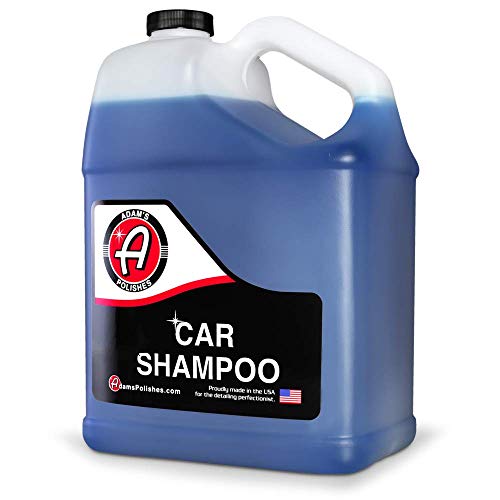
The Best Choice: pH-Neutral Car Soap
From years of working with automotive paint, the professional recommendation is always a dedicated car wash soap. These specialized cleaners are the cornerstone of safe and effective vehicle maintenance.
Their key benefits include:
- ✅ pH-Neutral Formula: They clean dirt without stripping wax or sealants.
- ✅ High Lubricity: They create a slick surface that allows your wash mitt to glide over the paint, encapsulating dirt particles and dramatically reducing the risk of swirl marks and scratches.
- ✅ Clean Rinsing: They are designed to rinse away completely without leaving residue that can dull the paint or attract dust.
- ✅ Enhanced Gloss: Many modern car soaps contain gloss-enhancing agents that nourish the paint and boost the shine of your existing protective layer.
Investing in a quality car wash soap is one of the most cost-effective ways to preserve your vehicle’s appearance and resale value.
In an Emergency: Gentler Household Options
What if you’re on a road trip and your car is covered in bird droppings, but all you have access to is a local convenience store? In a true pinch, there’s a safer alternative than dish soap.
For an emergency, a small amount of baby shampoo or hair shampoo for car washing can work. These products are much gentler, have a more neutral pH, and contain fewer harsh detergents than dish soap. While they lack the advanced lubricity of a real car soap, they are far less likely to strip your wax. This should only be considered a temporary solution until you can perform a proper wash with the right products, like those used in the two-bucket method.
FAQs About can you use dish soap to wash car
Can I wash my car with Dawn dish soap specifically?
Yes, but the same rules apply. Dawn is an excellent degreaser, which is precisely why it’s harsh on car wax and sealants. While P&G has stated it can be used for tough spots, it’s not formulated for regular, full-vehicle washing. Use it for intentional wax stripping, not routine cleaning.
Will dish soap ruin car paint in one wash?
It is highly unlikely that a single wash with diluted dish soap will permanently ruin your factory car paint or clear coat. The primary damage from dish soap is the removal of the protective wax layer. The risk of long-term paint damage like oxidation comes from repeated use that leaves the paint continuously exposed.
Does dish soap remove or damage a ceramic coating?
Dish soap is generally less effective at stripping a true, professionally installed ceramic coating compared to a traditional wax. However, it can degrade the coating’s hydrophobic (water-repelling) properties and may strip any “topper” or sacrificial layers. It’s always best to use the pH-neutral soap recommended by your coating’s manufacturer.
Is dish soap safe for car windows and glass?
Yes, dish soap is generally safe for car windows. Glass is not porous like paint and doesn’t have a protective wax layer to strip. A diluted dish soap solution can be effective for cleaning grime from glass, but be sure to rinse it thoroughly to avoid leaving a streaky residue.
Can I use dish soap to clean my car’s interior, like seats or carpet?
This is not recommended. Dish soap creates excessive suds that are very difficult to fully rinse out of fabric or carpet. The leftover residue will become sticky, attract more dirt, and can potentially lead to mold or mildew. Use a dedicated upholstery or carpet cleaner for interiors.
What about using dish soap on tires and wheels?
For tires, dish soap can dry out the rubber over time, leading to browning and cracking. For wheels, it depends on the finish. It may be too harsh for delicate clear-coated or polished aluminum wheels. A dedicated, acid-free wheel cleaner is a much safer and more effective choice.
Can you wash a black car with dish soap?
You should be especially cautious using dish soap on a black or dark-colored car. These colors show scratches and swirl marks very easily. Because dish soap has poor lubricity, the risk of creating micro-scratches during the wash process is significantly higher, and these imperfections will be much more visible.
How often can you wash your car with dish soap without causing damage?
You should only use dish soap when you intend to strip the wax, which might be once or twice a year before a full detail. It should never be part of a weekly or monthly routine. For all regular washes, use a proper pH-neutral car soap.
Does dish soap help remove tough things like bird poop or tree sap?
While it can help break down the organic material, it’s not the best tool. The issue is that you might scrub too hard on the concentrated spot, causing scratches. A better method is to let a dedicated bug and tar remover or a wet microfiber towel sit on the spot to soften it before gently wiping it away.
Will dish soap dry out rubber seals on doors and windows?
Yes, repeated use of dish soap can dry out rubber seals and black plastic trim. The degreasing agents strip the natural and synthetic oils that keep these materials pliable and dark. Over time, this can lead to fading, brittleness, and cracking.
Key Takeaways: Washing Your Car with Dish Soap
- Avoid for Routine Washes: Dish soap’s high pH and harsh degreasers strip car wax and sealants, leaving your paint unprotected.
- Use Dedicated Car Soap: The best practice is always to use a pH balanced car soap that cleans effectively while preserving your car’s protective layers and providing crucial lubricity to prevent scratches.
- One Exception Exists: It is acceptable to use dish soap for surface preparation—intentionally stripping old, contaminated wax before applying a new protective coat as part of a full detail.
- Risk to Trim and Rubber: Beyond paint, dish soap can dry out and fade plastic trim and rubber seals, causing them to become brittle over time.
- Emergency Alternatives: If you’re in a pinch with no car soap, hair shampoo or baby shampoo are less damaging alternatives to dish soap due to their gentler formulas.
- Interior is a No-Go: Never use dish soap on interior fabrics or carpets, as the suds are nearly impossible to rinse out completely and will attract more dirt.
Final Thoughts on Using Dish Soap as a Car Wash
Ultimately, while you can technically use dish soap to wash a car, you should avoid it for all routine cleaning. Understanding the difference between a harsh degreaser and a gentle automotive cleanser is key to smart vehicle maintenance. The choice to use a proper car wash soap is not about buying into hype; it’s an informed decision to protect your investment.
The small cost of a dedicated, pH-neutral car soap is insignificant compared to the potential cost of paint correction or replacing faded trim. By using the right product, you preserve your vehicle’s protective layers, maintain its gloss and finish, and safeguard its long-term value. Make the smart choice and leave the dish soap in the kitchen.
Last update on 2025-12-31 / Affiliate links / Images from Amazon Product Advertising API


![Epoxy 2 Car Garage Cost DIY Versus Professional [year]](https://carxplorer.com/wp-content/uploads/2025/12/Epoxy-2-Car-Garage-Cost-DIY-Versus-Professional-year-1-1-60x60.jpg "Epoxy 2 Car Garage Cost DIY Versus Professional [year] 4")

![How Much to Add a Trailer Hitch to Your Car Cost Guide [year]](https://carxplorer.com/wp-content/uploads/2025/12/How-Much-to-Add-a-Trailer-Hitch-to-Your-Car-Cost-Guide-year-1-1-60x60.jpg "How Much to Add a Trailer Hitch to Your Car Cost Guide [year] 8")
![Locksmith Car Unlock Cost Your Complete Pricing Guide [year]](https://carxplorer.com/wp-content/uploads/2025/12/Locksmith-Car-Unlock-Cost-Your-Complete-Pricing-Guide-year-2-60x60.jpg "Locksmith Car Unlock Cost Your Complete Pricing Guide [year] 10")
