
Ever wondered if a bottle of dish soap can do the trick for your car’s weekly wash? The idea of using a common household item is tempting. But that quick fix might be creating a bigger problem for your vehicle’s finish.
Many car owners reach for dish soap, thinking “clean is clean,” but this overlooks crucial chemical differences. This choice can unknowingly compromise your vehicle’s long-term protection. Automotive detailing experts strongly advise against using dish soap for routine car washing because its high pH and strong degreasing surfactants aggressively strip protective layers like wax and sealants. This guide uncovers the chemical truth, offering definitive answers and proven alternatives.
Drawing from comprehensive analysis of current data and proven methodologies, you will discover why dish soap is a poor choice for car care. Understand the risks to your paint, clear coat, and protective layers. Learn the safest alternatives and how to recover if you’ve already made this common mistake.
Key Facts
- Wax Stripping Action: Dish soap actively degrades and removes protective car wax and sealants due to its strong degreasing surfactants and high pH.
- High pH Risk: With a typical pH of 8.5 to 9.5, dish soap is moderately alkaline, making it significantly more corrosive to automotive clear coats and polymers than pH-neutral car soaps.
- Residue and Streaking: Unlike specialized car soaps, dish soap often leaves behind a stubborn film and streaks that attract dust and can dull the finish.
- Accelerated Oxidation: Stripping the wax exposes the clear coat, accelerating its oxidation and reducing its ability to protect against UV damage and environmental contaminants.
- Minimal Cost Savings: Dedicated, concentrated car wash soap often costs less than $0.50 per wash, making the perceived savings of dish soap negligible compared to potential paint damage.
Why Do Detailing Professionals Say NO? The Chemical Truth About Stripping Wax
Detailing professionals universally say “no” to using dish soap for routine car washes due to its fundamental chemical incompatibility with automotive finishes and protective layers. The harsh reality is that household dish soaps are engineered for a very different purpose than cleaning car paint. Their strong degreasing properties, high alkalinity, and specific surfactant types actively work against the integrity of your car’s wax and clear coat.
The conflict stems from how dish soap is designed to break down hydrophobic kitchen grease. Car wax and polymer sealants, which provide that crucial barrier on your vehicle, share similar chemical structures with grease, featuring long hydrocarbon chains. Dish soap’s surfactants (surface-active agents) and its alkaline pH attack these chains, effectively dissolving and stripping away your car’s protection. This leaves your clear coat vulnerable to environmental damage and accelerates its degradation.

Here’s the chemical breakdown:
- The pH Problem:
- Dish Soap pH: Household dish soaps typically have a pH ranging from 8.5 to 9.5. This moderately alkaline level is effective for saponification, the chemical process that converts fats and oils into soap, making them easier to rinse away. However, automotive waxes and clear coats are polymers designed for stability in a neutral pH environment.
- Car Soap pH: Dedicated car wash soaps are formulated to be pH neutral, usually between 6.0 and 8.0 (with 7.0 being perfectly neutral). This ensures they clean effectively without chemically reacting with or degrading the protective layers.
- The Logarithmic Scale: Remember that the pH scale is logarithmic. A pH of 9.0 is 100 times more alkaline than neutral 7.0 water. Repeated exposure to such a harsh environment can slowly but surely compromise the chemical bonds within your car’s protective layers.
- Understanding Surfactants: Anionic vs. Non-Ionic:
- Anionic Surfactants (Dish Soap): The primary cleaning agents in most dish soaps are anionic surfactants. These molecules have a strong negative charge that aggressively binds to positively charged particles like grease and dirt, effectively pulling them off surfaces. While excellent for kitchenware, this aggressive action readily breaks down the hydrocarbon chains that form your car’s wax or sealant layer.
- Non-Ionic Surfactants (Car Soap): In contrast, specialized car soaps primarily use non-ionic or amphoteric surfactants. These surfactants have no charge, making them much gentler on chemically sensitive surfaces like car paint. They still encapsulate dirt effectively but do so without aggressively attacking the protective wax or sealant. This prevents stripping while maintaining a high level of cleaning efficacy.
Using dish soap on your car is akin to using an industrial degreaser on your skin. While it might clean, it will strip away natural oils and protective barriers, leading to dryness and damage over time. The car’s clear coat and wax need a gentle, specialized cleanser to maintain their integrity.
How Does High pH And Alkalinity Attack Your Clear Coat?
High pH and alkalinity in cleaning products actively attack your car’s clear coat by accelerating its oxidation and degrading its polymer structure over time. Beyond just stripping the wax, dish soap poses a direct threat to the clear coat itself, which is the most important protective layer against environmental elements.
Your clear coat is a complex polymer designed to provide UV protection and a glossy finish. Repeated exposure to alkaline cleaners, like dish soap, compromises this polymer stability. This accelerates a process called oxidation, where the clear coat slowly breaks down at a molecular level. This breakdown manifests as premature dulling, micro-etching (tiny imperfections on the surface), and a significant reduction in the clear coat’s ability to block harmful UV rays. Ultimately, the car’s overall finish suffers, leading to a faded appearance and potentially more expensive detailing or repainting to restore its original look. This also extends to other components. UV rays, bird droppings, and industrial fallout can exacerbate this damage. Additionally, rubber seals and plastic trim around windows and doors can dry out, crack, and fade prematurely due to the harsh chemicals, which strip away their natural oils and plasticizers.
Is Dawn Dish Soap Safe To Use For Washing My Car?
While Dawn is effective for removing heavy grease, its formulation is similar to other household detergents with a moderately alkaline pH (approximately 8.7-9.3), making it unsuitable for routine car washing maintenance due to its aggressive wax-stripping properties. This means Dawn, despite its reputation for degreasing power, will actively work against your car’s protective layers.
The misconception around Dawn often stems from its use in wildlife rescue, where it’s used to clean oil-covered animals. This is a crucial distinction: those are emergency, non-cosmetic applications where the priority is removing harmful oil, not preserving a delicate finish. For your car, Dawn’s primary function as a degreaser translates directly into a wax-stripping agent. Its high alkalinity and strong anionic surfactants are designed to break down fats and oils, which include the polymer chains that make up car wax and sealants. Using Dawn will not immediately “ruin” your paint, but it will remove the existing protection, leaving your clear coat exposed. This greatly increases the risk of damage from UV rays, environmental contaminants, and water spotting until new protection is applied.
When Is It Acceptable To Use Dish Soap For Washing A Car?
Dish soap is professionally acceptable only when the explicit intent is to perform a “strip wash,” completely removing all previous layers of wax or sealant to prepare the surface for a fresh coat of permanent paint protection. This is a specialized detailing technique, not a routine maintenance wash. It’s a targeted application for very specific scenarios where a clean, unprotected surface is desired.
Here are the narrow, conditional use cases when dish soap can be employed:
- Before Applying New Protection: When you plan to apply a fresh layer of wax, a polymer sealant, or a ceramic coating, it is often necessary to ensure the paint surface is completely free of old products, oils, and contaminants. Dish soap, as a powerful degreaser, is highly effective for this “strip wash” methodology, preparing the surface for optimal adhesion of the new protection.
- To Remove Stubborn Contaminants: For extreme cases of heavy grease, tar, or excessive old detailing products that a dedicated car soap cannot handle, a highly diluted dish soap can act as a targeted degreaser. This should be a rare, localized application, followed by a thorough rinse.
- In a True Emergency (Extremely Rare): If you face an absolute emergency where your car is covered in corrosive bird droppings or tree sap, and you have no access to dedicated car soap or even a rinseless wash product, a highly diluted dish soap might be used as a last resort. This must be immediately followed by a comprehensive rinse and the reapplication of a protective layer.
Strip Wash Protocol (Use with Caution):
- Dilute Heavily: Use no more than 1-2 teaspoons of dish soap per gallon of water. This minimal concentration will still provide degreasing action without excessive foam.
- Wash Quickly: Work on small sections at a time, washing and rinsing immediately. Do not let the soap dry on the paint.
- Rinse Profusely: After washing each section, rinse it thoroughly, allowing water to sheet off the surface to minimize residue.
- Inspect Surface: Once dried, the water should sheet rather than bead, confirming the wax has been stripped.
- Apply New Protection Immediately: This is the most crucial step. Never leave your paint unprotected after a strip wash. Apply a fresh coat of wax, sealant, or ceramic coating to restore the hydrophobic barrier.

What Are The Safest Alternatives To Dish Soap For Routine Car Washing?
The safest and most cost-effective alternatives for routine car washing are dedicated pH-neutral automotive shampoos, rinseless wash products, and waterless wash solutions, all specifically formulated to clean without stripping wax or damaging your clear coat. These specialized products offer superior cleaning, protection, and lubricity compared to household dish soap. They eliminate the risks of dulling paint, accelerating oxidation, and leaving streaks.
Here are the top alternatives:
- Dedicated pH-Neutral Automotive Shampoo:
- Description: This is the gold standard for routine washing. These concentrated soaps are pH-balanced (typically pH 7.0) to safely clean without affecting your car’s wax, sealant, or ceramic coating.
- Key Features: High lubricity, which creates a slippery barrier between your wash mitt and the paint, drastically reducing the risk of swirl marks. They also rinse clean, minimizing water spots and residue.
- Cost: Highly concentrated formulas mean a bottle lasts for many washes, often costing less than $0.50 per wash.
- Use Case: Ideal for regular maintenance washes using the two-bucket method.
- Rinseless Wash Products:
- Description: These advanced solutions allow you to wash your car with minimal water and no rinsing required. They encapsulate dirt, making it safe to wipe away with a microfiber towel.
- Key Features: Extremely high lubricity, pH-neutral, and leaves a clean, often glossy finish. Perfect for water-restricted areas or quick washes.
- Cost: Similar per-wash cost to dedicated shampoos, often very economical due to extreme dilution ratios.
- Use Case: Lightly dirty cars, garage washes, or when conserving water.
- Waterless Wash Solutions:
- Description: A spray-on, wipe-off product designed for very light dust or fingerprints. It offers minimal cleaning power but maximum convenience.
- Key Features: High lubricity, quick application, adds a touch of gloss.
- Cost: More expensive per application than rinseless washes, but ideal for quick touch-ups.
- Use Case: Light dusting, removing fingerprints, or spot cleaning.
For routine car care, the benefits of specialized automotive products far outweigh the negligible cost savings of dish soap. You are investing in your car’s longevity and appearance by choosing the correct chemistry.
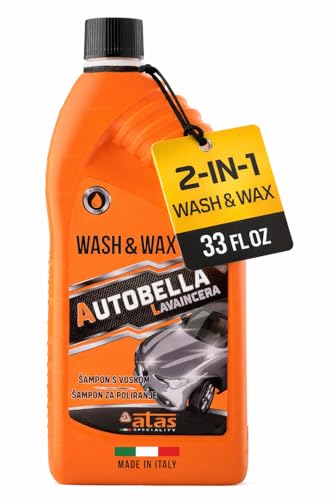
To illustrate the stark differences, consider this comparison:
| Feature/Aspect | Dish Soap (Household Detergent) | Automotive Shampoo (pH Neutral) | Rinseless Wash Product |
|---|---|---|---|
| pH Level | High Alkalinity (8.5 – 9.5) | pH Neutral (6.0 – 8.0) | pH Neutral (6.0 – 8.0) |
| Wax/Sealant Safety | Strips Aggressively | Preserves Protection | Preserves Protection |
| Lubricity | Low (High Friction Risk) | High (Minimizes Swirls) | Very High (Encapsulates Dirt) |
| Residue Risk | High (Streaking/Spotting) | Low (Formulated to Rinse) | Very Low (No Rinse Required) |
How Do I Minimize Damage If I Used Dish Soap By Accident?
If dish soap was used, the crucial recovery step is to immediately reapply a protective layer, such as a quick spray wax or polymer sealant, to shield the exposed clear coat from environmental damage and UV rays. This is a necessary “recovery protocol” to mitigate the immediate harm from stripping your car’s protection.
Here’s a step-by-step guide to minimize damage:
- Rinse Thoroughly (Again): Even if you’ve already rinsed, give the car another exhaustive rinse with pure water. Focus on ensuring no soap residue remains, which could lead to streaking and water spots.
- Dry Carefully: Use a clean, soft microfiber drying towel. Pat, don’t rub, to avoid introducing swirl marks on the unprotected paint.
- Immediately Reapply Protection: This is the most critical step. Since your car’s protective layer (wax or sealant) has been stripped, it’s vulnerable. Apply a quick spray wax or a polymer spray sealant to restore a hydrophobic barrier. This provides immediate, albeit temporary, protection against UV damage, bird droppings, and industrial fallout.
- Inspect and Treat Trim: Dish soap can dry out rubber seals and plastic trim. After the car is dry, inspect these areas. If they look dull or chalky, apply a dedicated rubber and plastic protectant dressing to rehydrate and restore them.
- Plan for Proper Protection: Consider this an urgent reminder to invest in a quality, pH-neutral automotive shampoo for future washes. For longer-term protection, plan to apply a more durable wax or sealant at your earliest convenience.
Does Dish Soap Affect Ceramic Coatings And Paint Protection Film (PPF)?
Dish soap is detrimental to ceramic coatings because its alkaline properties can compromise the hydrophobic, sacrificial top layer responsible for water repellency, accelerating the breakdown of beading performance. While ceramic coatings offer superior durability compared to traditional wax, they are not impervious to harsh chemicals. For Paint Protection Film (PPF), the degreasing action risks drying out the film’s top surface, potentially affecting its clarity and self-healing properties over time.
Even the most advanced ceramic coatings rely on a delicate top layer (often silica dioxide based) to create that extreme hydrophobic effect – the tight water beading. Dish soap, with its high pH and aggressive surfactants, can degrade this sacrificial layer, reducing the coating’s beading performance and shortening its effective lifespan. The underlying ceramic matrix itself is robust, but the ‘easy to clean’ benefits are diminished.
For PPF, which is a clear urethane film, the primary risk comes from the degreasing action and potential residue. Dish soap can dry out the film, making it appear dull or attracting dirt more readily. Reputable PPF manufacturers universally recommend pH-neutral soaps to preserve the film’s clarity, flexibility, and longevity. Using specialized pH-neutral maintenance soaps is always the recommended approach for both ceramic coatings and PPF. These soaps are designed to clean without degrading the chemical bonds or surface properties of these advanced protection systems.
| Coating Type | Dish Soap Risk | Recommended Soap |
|---|---|---|
| Ceramic Coating | Compromises hydrophobic top layer | pH Neutral Maintenance Soap |
| PPF (Film) | Risks drying out the surface and leaving residue | pH Neutral, Low Surfactant Soap |
FAQs About Can You Use Dish Soap For Car Wash
Is Liquid Laundry Detergent Safer Than Dish Soap For Car Washing?
Laundry detergent is significantly harsher than dish soap and should be strictly avoided for car washing. Laundry detergents contain brighteners, enzymes, and bleach alternatives designed to aggressively break down organic stains, making them highly corrosive to automotive paint, clear coats, and especially plastic/rubber trim.
Will Using Dish Soap Just One Time Completely Remove All My Wax?
Using dish soap once will almost certainly remove the majority of the protective wax or sealant layer. Because dish soap is formulated to be a strong degreaser, a single wash is generally enough to degrade the hydrocarbon chains in the wax polymers, leaving the clear coat vulnerable to oxidation and environmental damage until new protection is applied.
Is Dish Soap Safe To Use On Car Windows And Windshields?
While less risky than using it on the paint, dish soap is generally not recommended for car windows because it tends to leave behind a soapy film and streaks. This residue can be difficult to remove and may attract dust, causing visibility issues. A dedicated automotive glass cleaner or pure water is a safer choice.
Does Dish Soap Cause Fading On Black Or Dark-Colored Cars?
Dish soap can accelerate the dulling and fading process, especially on dark-colored cars, by quickly stripping the necessary protective wax layer. Black and dark paints show every imperfection, and the high alkalinity and lack of lubrication in dish soap increase the risk of creating swirl marks and water spots that become highly visible.
What Is The Safest Dilution Ratio If I Must Use Dish Soap In An Emergency?
If facing an extreme, non-negotiable emergency where car soap is unavailable, use the minimum concentration: no more than 1 to 2 teaspoons of dish soap per gallon of water. This minimal ratio helps loosen surface dirt with reduced degreasing action, but you must follow up immediately with a thorough rinse and the reapplication of a spray sealant.
How Can I Tell If The Wax Has Been Stripped Off My Car?
The simplest way to check if wax has been stripped is by observing water behavior on the paint surface. If the water beads up tightly and rolls off (hydrophobic), the wax is intact; if the water lies flat and sheets off slowly, or ‘sticks’ to the paint (hydrophilic), the protection has been removed, and the clear coat is exposed.
Key Takeaways: Dish Soap for Car Wash Summary
- Avoid Routine Use: Detailing professionals universally advise against using dish soap for routine maintenance washes, as its chemical composition is fundamentally incompatible with automotive surface protection systems.
- The Stripping Mechanism: Dish soap is a degreaser formulated with high alkalinity (pH 8.5-9.5) and strong anionic surfactants, which actively break down the hydrocarbon polymer chains found in protective car wax and sealants.
- Long-Term Damage Risk: Repeated use accelerates the oxidation and dulling of the clear coat, the car’s primary UV and environmental barrier, potentially leading to premature paint failure and costly detailing services.
- Conditional Use as a Strip Wash: Dish soap is only acceptable when the explicit goal is to strip old wax and oil completely from the surface immediately before applying a fresh, high-quality coat of wax, sealant, or ceramic coating.
- Prioritize pH-Neutrality: Always opt for a dedicated automotive shampoo or rinseless wash product that is pH-neutral (pH 7.0), ensuring high lubricity to minimize friction and prevent swirl marks during the washing process.
- Immediate Recovery is Essential: If dish soap was used accidentally, the most critical step is to immediately rinse the vehicle profusely and apply a spray wax or polymer sealant to restore the vital hydrophobic layer.
- Cost Savings Are Negligible: Dedicated, concentrated car soap generally costs less than $0.50 per wash, making the purported savings of using household dish soap irrelevant when compared to the high cost of paint correction and re-detailing.
Final Thoughts
The allure of using readily available dish soap for a quick car wash is strong, born from convenience and perceived cost savings. However, the chemical reality is that this household staple is formulated as an aggressive degreaser—a precision tool for removing fat and oil—which tragically conflicts with the delicate polymer science of modern automotive finishes. The essential takeaway is simple: maintaining the integrity of your clear coat and protective wax far outweighs the minimal cost difference of specialized car soap. By understanding the critical role of pH neutrality and lubricity, you shift from simply cleaning your car to actively preserving its finish, value, and longevity. The best practice remains adhering to detailing standards: use a pH-neutral, high-lubricity car shampoo, employ the two-bucket method, and ensure you maintain that crucial layer of protection. Invest in your asset by choosing the correct chemistry.
Last update on 2026-03-13 / Affiliate links / Images from Amazon Product Advertising API


