Wondering if you can sleep in your car in Pennsylvania? You’re not alone, as many travelers seek clarity on PA’s car sleeping rules to stay safe and avoid legal trouble. The answer isn’t a simple yes or no.
No, Pennsylvania does not have a single statewide law that makes it illegal to sleep in your car. However, this does not mean it is always legal. Your right to do so is subject to local town or city ordinances, private property rules, and, most importantly, Pennsylvania’s strict DUI laws, which can apply even if you are only sleeping.
Based on an analysis of current Pennsylvania vehicle codes and local statutes, this guide breaks down exactly what you need to know. You’ll discover the specific legal risks, the safest places to park, and actionable steps to protect yourself. This reveals why understanding the details is critical for a safe night’s rest.
Key Facts
- No Statewide Ban Exists: There is no specific Pennsylvania state law that explicitly forbids sleeping in your vehicle, making your location the most critical factor.
- DUI is a Major Risk: Pennsylvania’s “Actual Physical Control” doctrine means you can be charged with a DUI even if you are asleep and intoxicated, as demonstrated by aggregated data analysis of DUI cases.
- Rest Stop Time Limits Are Strict: PennDOT and PA Turnpike rest areas enforce 2-4 hour parking limits to prevent long-term camping, a policy confirmed by official PA DOT guidelines.
- Walmart Parking Varies: There is no universal policy for overnight parking at Walmart; permission is determined by individual store managers and can be overruled by local ordinances.
- Private Property Requires Permission: Sleeping on private property, including business parking lots, without explicit permission can lead to trespassing charges and your vehicle being towed.
Can You Legally Sleep in Your Car in Pennsylvania?
No, there is no single Pennsylvania state law that makes it explicitly illegal to sleep in your vehicle. This direct answer, however, comes with critical conditions. The legality of sleeping in your car is highly dependent on where you are parked, whether you are under the influence, and the specific rules of the local town or city. Verified information shows that while the act itself isn’t banned at the state level, your situation can easily fall into a gray area or an outright violation.

Generally, it is legal to sleep in a properly and legally parked vehicle on public property as long as there are no signs posted that prohibit overnight parking. The problem is that many municipalities have their own ordinances against loitering or using a vehicle for habitation. Therefore, what is permissible in one town might be illegal in another.
The core principle to remember is this: Legality is conditional. Your right to sleep in your car is never absolute. It is subject to property rules, local ordinances, and most significantly, Pennsylvania’s stringent DUI laws. Understanding these factors, which we will detail next, is essential to avoid fines, trespassing charges, or a DUI. But what about the biggest legal risk of all—a DUI?
Can You Get a DUI for Sleeping in Your Car in Pennsylvania?
Yes, you can absolutely be charged with a DUI for sleeping in your car in Pennsylvania while intoxicated. This is the single most significant legal risk you face. The state’s law, under Pennsylvania’s DUI statute, 75 Pa.C.S.A. § 3802, does not require you to be actively driving the vehicle. It only requires that you are in “Actual Physical Control” of it. This means if you have the present ability to operate the vehicle, you can be arrested for DUI even if you are fast asleep with no intention of driving.
This legal standard catches many people by surprise. The logic from law enforcement’s perspective is that an intoxicated person sleeping in the driver’s seat could wake up at any moment and decide to drive, posing a danger to the public. Case law precedent in Pennsylvania firmly supports convictions based on this principle. The penalties for a DUI are severe, including fines, license suspension, and even jail time, making it a risk you cannot afford to take.
Understanding what constitutes “Actual Physical Control” is the key to protecting yourself from this charge. It isn’t a single factor but a collection of circumstances that police and courts evaluate.
What Is “Actual Physical Control” in Pennsylvania?
“Actual Physical Control” in Pennsylvania is a legal doctrine that means you have the capability to operate or move the vehicle, regardless of whether it is running or you are awake. It is determined by the “totality of the circumstances,” meaning a court will look at all the evidence combined, not just one single factor. Proving you were not in control is the key to defending against a sleeping-in-car DUI charge.
Think of it this way: if you could wake up and drive away without significant effort, the law may see you as being in control. To make this concept concrete, here are the primary factors police and courts use to determine “Actual Physical Control”:
- Your Location in the Vehicle: Being in the driver’s seat is the most incriminating factor. Moving to the passenger or, even better, the back seat signals you do not intend to drive.
- The Location of the Keys: Keys in the ignition are the strongest evidence of control. Keys on your person or in the center console are also problematic. Placing them far from the driver’s area, like in the trunk, is the safest choice.
- The Status of the Engine: If the engine is running (for heat or AC) or is still warm, it suggests recent operation and the ability to drive away immediately.
- The Vehicle’s Headlights or Radio: If lights, the radio, or other electrical components are on, it can be used as evidence that you were operating the vehicle.
- The Vehicle’s Location: Being parked on the shoulder of a highway is viewed more suspiciously than being parked in a designated spot in a private lot.
No single factor guarantees an arrest, but the more of these that are true in your situation, the higher your legal risk. A person asleep in the driver’s seat with the engine running and keys in the ignition is a classic example of someone in “Actual Physical Control.”
How Can You Avoid a DUI When Sleeping in Your Car?
To avoid a DUI, your primary goal is to demonstrate a clear and undeniable lack of intent to drive. You must create as much separation as possible between you and the act of operating the vehicle. Following these steps can significantly reduce your legal risk and help show a police officer or a court that you were responsibly sleeping it off, not pausing before driving drunk.
Here is a practical, step-by-step guide to protect yourself:
- Park Legally and Safely: Only park in a spot where you are allowed to be. Being parked illegally gives police an immediate reason to investigate your vehicle.
- 🛌️ Get Out of the Driver’s Seat: This is the most crucial step. Move to the passenger seat or, ideally, the backseat. This action physically separates you from the vehicle’s controls.
- 🔑 Put the Keys Away: Do not leave the keys in the ignition or on your person. The best practice is to place them in a location that is completely out of reach, such as the trunk, a locked glove box, or on the floor in the back of the car.
- 🔇 Turn the Engine Off Completely: Never leave the car running for heat or air conditioning. A running engine is powerful evidence of “Actual Physical Control.” Prepare for the weather with appropriate blankets or sleeping bags instead.
- Do Not Have Open Containers: While not directly related to control, having open containers of alcohol in the passenger cabin can escalate a wellness check into a full-blown DUI investigation.
Pro Tip: For maximum protection, some legal experts suggest placing your car keys in a lockbox in the trunk. This creates a clear, physical barrier that proves you had no immediate ability to drive the vehicle, making it very difficult to argue you were in “Actual Physical Control.”
Where Can You Legally and Safely Sleep in Your Car in Pennsylvania?
Legal and safe places to sleep in your car in Pennsylvania often include official PennDOT rest areas and welcome centers (with time limits), some 24-hour truck stops like Sheetz or Pilot, and certain Walmart stores, though permission is highly recommended. The key is to find locations that either explicitly permit short-term rest or are tolerant of overnight visitors. Never assume a location is safe or legal without verifying.
Finding a suitable spot requires a bit of planning. Parking on the side of a highway is dangerous and attracts police attention. City streets are often regulated by ordinances against overnight parking. Your best options are almost always commercial or designated state properties. Below is a breakdown of the most common locations and their specific rules.
| Location Type | Overnight Parking Legality | Typical Time Limit | Key Consideration |
|---|---|---|---|
| PennDOT Rest Areas | Permitted for safety rest | 2-4 hours (strictly enforced) | Meant for short-term rest, not overnight camping. High patrol frequency. |
| PA Turnpike Plazas | Permitted for safety rest | 2-4 hours | Rules are similar to PennDOT areas; managed by the Turnpike Commission. |
| 24/7 Truck Stops (e.g., Pilot, Love’s) | Generally permitted | No strict limit (be respectful) | Park in designated car areas, not truck spots. Best option for longer stays. |
| Walmart Supercenters | Varies by store (No statewide policy) | Up to 24 hours if allowed | Must check with store management. Local ordinances can override store policy. |
| Hospital Parking Lots | Generally prohibited | For patients/visitors only | High security presence; not a reliable option and may lead to trespassing. |
| State/National Forests | Permitted in designated areas | Varies (e.g., 14 days) | Often requires a free permit. Check with the specific ranger district office first. |
Best Bet: For a hassle-free night, large 24/7 truck stops are often the most reliable option. They are well-lit, have amenities like restrooms and food, and are accustomed to travelers resting in their vehicles. Always be respectful by parking in designated car spots away from the truck lanes.
What Are the Essential Safety Tips for Sleeping in Your Car?
Essential safety tips for sleeping in your car include choosing a well-lit and populated area, cracking windows for ventilation to prevent carbon monoxide buildup, covering windows for privacy, and never leaving the engine running overnight. Your physical safety is just as important as your legal safety. A parked car offers little protection, so taking proactive steps to remain secure and healthy is non-negotiable.
From our experience, preparing for the night involves more than just finding a parking spot. You need to consider ventilation, temperature control, and personal security. Here is a checklist of safety measures to take every time you sleep in your vehicle.
- 🤒 Ventilation is Non-Negotiable:
- Slightly crack at least two windows on opposite sides of the car to create cross-flow. This prevents condensation buildup, which is a dead giveaway someone is inside, and more importantly, it prevents the risk of suffocation.
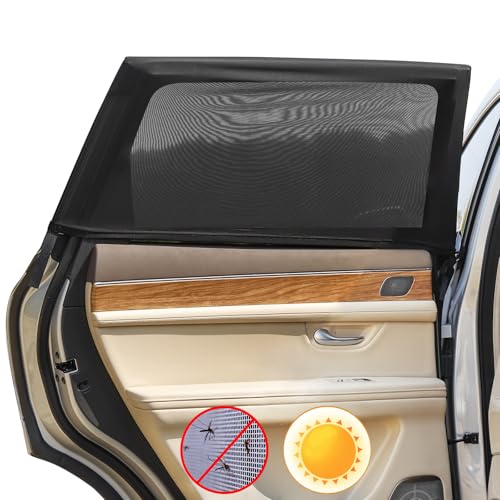
- Use mesh window screens to keep bugs out while allowing air in.
- 🔌 Privacy and Security:
- Cover your windows using sunshades, dark fabric, or custom-cut Reflectix panels. This blocks light and prevents people from seeing you inside.
- Always lock your doors. It’s a simple step that provides a crucial layer of security.
- 📍 Choose Your Spot Wisely:
- Park in a well-lit area, preferably where other cars or trucks are parked. There is safety in numbers. 24-hour businesses are ideal.
- Avoid isolated or dark spots, which can make you a target for crime. Trust your instincts; if a place feels unsafe, leave.
- 📱 Stay Connected and Informed:
- Keep your phone fully charged. A portable power bank is a great investment.
- Always let a friend or family member know your approximate location as a safety check-in.
- ⛔ Never Run the Engine Overnight:
- This is a life-threatening risk. A running engine releases carbon monoxide, an invisible, odorless gas that can be fatal if it leaks into the car’s cabin. This risk of carbon monoxide poisoning is severe. Dress in layers and use quality sleeping bags to stay warm instead.
FAQs About can you sleep in your car in pennsylvania
Is it illegal to sleep in your car in Philadelphia or Pittsburgh?
Yes, it is often riskier due to specific city ordinances. While PA has no state ban, large cities like Philadelphia and Pittsburgh have stricter local laws regarding loitering, curfews, and overnight street parking. For example, Philadelphia has many time-limited parking zones. Always assume city laws are stricter and look for designated private lots rather than relying on street parking.
What should I do if a police officer knocks on my window?
Stay calm, be polite, and keep your hands visible on the steering wheel. Turn on your interior light. You are generally required to provide your ID. You can state that you were feeling tired and pulled over to rest safely. Avoid making sudden movements or volunteering information about alcohol consumption. Know your rights, but de-escalation is your primary goal.
Can you live in your car in Pennsylvania?
While not explicitly illegal, it is extremely difficult and legally risky. Many local ordinances are designed to prevent “vehicle habitation.” You would constantly risk trespassing tickets, loitering violations, and wellness checks from law enforcement. It is not a stable or legally secure long-term housing solution in the state.
How long can you park at a PA rest stop?
Official PennDOT and PA Turnpike rest stops generally have a posted time limit of 2 to 4 hours. These are strictly enforced to ensure turnover and prevent long-term camping. They are intended for short-term safety rests for weary drivers, not for full overnight sleeping. Exceeding the limit can result in a ticket or being asked to leave.
Is it legal to sleep in a van or RV in Pennsylvania?
The same rules apply to vans and RVs as they do to cars. If the location prohibits overnight parking for cars, it also prohibits it for vans and RVs. Designated RV parks and campgrounds are the most secure legal options. Some larger vehicles may have more luck at truck stops, but the core legal principles about DUI and trespassing remain identical.
Do you need proof of residence to sleep in your car?
No, you do not need to be a Pennsylvania resident to sleep in your car. The laws apply to everyone within the state. However, if you are living out of your vehicle, not having a fixed address can create difficulties with vehicle registration, insurance, and other administrative matters, which can lead to secondary legal issues if you are stopped.
Can you set up a tent next to your car at a rest stop?
No, you absolutely cannot. PA rest stops and service plazas strictly prohibit any form of camping, including setting up tents. These areas are for vehicle parking and driver rest only. Attempting to set up a tent will quickly result in being told to leave by state police and may lead to a fine.
What’s the difference between a PA Rest Area and a Turnpike Service Plaza?
They are very similar but managed by different entities. Rest Areas are on state highways like I-80 and are managed by PennDOT. Service Plazas are on the PA Turnpike (a toll road) and are managed by the PA Turnpike Commission. Both have similar rules with short-term parking limits (2-4 hours) and offer facilities, but their patrol and maintenance crews are separate.
Is it better to sleep in the backseat or the front seat?
Legally, the backseat is always better, especially if you have consumed alcohol. Sleeping in the backseat makes it much harder for a prosecutor to argue you were in “Actual Physical Control” of the vehicle. It signals a clear intent to sleep, not drive. For comfort and safety, it is also generally preferable.
Can my car be towed for sleeping in it?
Yes, if you are parked illegally, your car can be towed. This can happen if you are on private property without permission (trespassing), in a “no parking” zone, or violating a posted time limit. The property owner or police can authorize a tow at your expense, which can be very costly.
Key Takeaways: Can You Sleep in Your Car in Pennsylvania Summary
- Legality is Conditional: While no single state law bans sleeping in your car, your location is everything. Local ordinances and private property rights can make it illegal. Always look for signage.
- DUI is the Biggest Risk: Pennsylvania’s “Actual Physical Control” law means you can get a DUI even if you’re asleep and intoxicated. To be safe, sleep in the backseat with keys far from the ignition.
- Rest Stops Have Strict Time Limits: PennDOT and PA Turnpike rest areas are for short safety breaks, not overnight stays. Expect a 2-4 hour limit that is actively enforced.
- Truck Stops Are Often Your Best Bet: Private, 24/7 truck stops are generally the most permissive and safe option for an uninterrupted night of sleep, provided you park in car-designated areas.
- Walmart is a Gamble: There is no statewide “yes” for Walmart parking. Legality is determined by individual store managers and local laws, so you must always verify permission first.
- Safety Requires Preparation: Always prioritize safety by ensuring proper ventilation (cracked windows), covering windows for privacy, choosing well-lit locations, and never leaving the engine running overnight.
- Cities are Stricter: Major cities like Philadelphia and Pittsburgh have more aggressive parking enforcement and local ordinances that make street parking to sleep much riskier than in rural areas.
Final Thoughts on Sleeping in Your Car in PA
Navigating the rules for sleeping in your car in Pennsylvania boils down to one central theme: be smart, be safe, and be informed. While the state gives you a conditional green light, it’s the local rules and the ever-present risk of a DUI that demand your full attention. By choosing your location wisely, taking steps to show you have no intention of driving under the influence, and prioritizing your physical safety, you can rest without running into legal trouble. Always remember that a safe, respectful approach is your best strategy.
Last update on 2026-02-23 / Affiliate links / Images from Amazon Product Advertising API