Worried about getting trapped and running out of oxygen in a car? It’s a common fear, especially when thinking about sleeping in a vehicle or getting stuck for long periods. You’re right to be cautious about the air quality in such a small, enclosed space.
No, you will not run out of oxygen in a car under normal circumstances. Modern vehicles are not hermetically sealed and have passive vents that allow for a slow but steady exchange of air. The real, more immediate danger is the toxic buildup of carbon dioxide (CO₂) from your own breathing.
Based on automotive engineering principles and air quality data, the concern isn’t oxygen depletion but rather carbon dioxide poisoning. This guide explains the science behind why CO₂ is the actual risk, how long you have before it becomes a problem, and the simple steps you can take to stay safe.
Key Facts
- CO₂ is the Primary Danger: The buildup of exhaled carbon dioxide (CO₂) is a much faster and more significant threat than the depletion of oxygen (O₂), causing symptoms like headaches and drowsiness in just a few hours.
- Cars Are Not Airtight: All modern cars are built with passive pressure relief vents that allow air to exchange with the outside, preventing the cabin from being a truly sealed container.
- Carbon Monoxide is a Separate, Lethal Threat: The risk of carbon monoxide (CO) poisoning is extremely high if the engine is running, especially in an enclosed space or with a blocked exhaust. This is different from the CO₂ risk when the engine is off.
- Time is Critical: In a typical car with two people and no ventilation, CO₂ can reach unsafe levels in as little as 1 to 2 hours, demonstrating the urgency of ensuring fresh airflow.
- Cross-Ventilation is Key: The most effective safety measure is creating cross-ventilation by cracking two windows on opposite sides of the car, which actively flushes out CO₂.
Can You Actually Run Out of Oxygen in a Car?
The short answer is no, it’s practically impossible to run out of oxygen in a modern car because the cabin is not an airtight, sealed container. Think of your car less like a sealed jar and more like a leaky box. While it may feel enclosed, there is a constant, slow exchange of air with the outside world, even when all the windows and doors are closed and the engine is off. This passive ventilation is a deliberate part of automotive design.

This built-in air exchange, though slow, is sufficient to replenish the oxygen you consume over many hours. The atmospheric air around us contains about 21% oxygen. It would take a very long time in a perfectly sealed container of a car’s size to reduce that level to a dangerous point. However, long before you would ever face a shortage of oxygen, a different and more pressing danger emerges from the air you exhale.
The real danger in a closed car is not the depletion of oxygen, but the toxic buildup of carbon dioxide (CO₂). Every breath you take consumes oxygen and releases CO₂, and this gas accumulates much more quickly. But if you don’t run out of oxygen, what makes the air feel stuffy and become dangerous? The answer lies in the science of CO₂.
Why Is Carbon Dioxide (CO2) Buildup the Real Danger?
The primary danger in a sealed, occupied car is hypercapnia, which is the medical term for carbon dioxide poisoning from its accumulation in the bloodstream. While oxygen depletion (hypoxia) is a theoretical risk, CO₂ becomes toxic at concentrations that are reached far more quickly. Your body is much more sensitive to increases in CO₂ than it is to decreases in oxygen.
As you breathe in a closed space, the CO₂ level rises. According to safety standards from organizations like OSHA, CO₂ levels above 5,000 parts per million (PPM) are a cause for concern and can lead to symptoms. In a sealed car, these levels can be reached in just a few hours. Initial symptoms include drowsiness, headaches, dizziness, and an increased heart rate. This is your body’s alarm system telling you the air quality is poor.
It’s crucial to understand the difference between this risk and two others: hypoxia and carbon monoxide poisoning. The table below clarifies these distinct dangers.
| Feature | Hypoxia (Oxygen Depletion) | Hypercapnia (CO₂ Poisoning) | Carbon Monoxide (CO) Poisoning |
|---|---|---|---|
| Cause | Consuming all available oxygen. | Buildup of exhaled carbon dioxide. | Incomplete combustion from engine exhaust. |
| Vehicle Risk | Extremely Low (cars aren’t airtight). | High (in a sealed, occupied car). | Very High (with engine running & exhaust leak). |
| Key Symptom | Confusion, shortness of breath. | Drowsiness, headache, dizziness. | Flu-like symptoms, nausea, confusion. |
| Mechanism | Body tissues are starved of oxygen. | Blood becomes too acidic. | Prevents red blood cells from carrying oxygen. |
| Speed | Very slow to develop (many hours/days). | Relatively fast (1-3 hours to initial symptoms). | Can be extremely fast (minutes). |
So, how well do cars actually “breathe” to prevent this from happening instantly? Let’s look at the mechanics.
How Does Air Exchange Work in a Parked Car?
Even when a car is completely turned off with the windows up, it continuously exchanges air with the outside through a system of passive vents and natural gaps. These features are designed into the vehicle to manage air pressure and ventilation. Understanding them is key to seeing why a car isn’t a sealed death trap.
Based on automotive engineering facts, here are the primary ways air moves in and out of a parked car:
- Pressure Relief Vents: These are the most important component. Cars have one-way vents, often hidden in the rear bumper area or trunk, designed to let air out. They prevent pressure from building up when you close a door and allow the HVAC system to work properly. They are like one-way pet doors for air, constantly letting stale air escape.
- Door and Window Seals: The rubber weather stripping around your doors and windows is effective but not perfect. These seals degrade over time and always have microscopic gaps that allow for a slow rate of air exchange.
- HVAC System Intake: Even when turned off, the heating, ventilation, and air-conditioning (HVAC) system’s external air intake is not perfectly sealed and allows some minor passive airflow.
- Body Panel Gaps: Cars are assembled from many different panels. While manufacturing tolerances are tight, tiny, imperceptible gaps exist throughout the car’s body, contributing to air leakage.
This combined leakage is measured in “Air Changes per Hour” (ACH). A typical modern car, even when parked and sealed, has an ACH of around 0.2 to 1.0. This means a significant portion of the air inside the cabin is replaced with fresh air every hour, making oxygen depletion virtually impossible. This rate, however, may not be fast enough to prevent the buildup of CO₂.
How Long Does It Take for Air to Become Unsafe?
In a typical mid-size sedan with one person, CO₂ levels can reach a point of concern (over 5,000 PPM) in approximately 3 to 4 hours. With two people, this time is cut in half, with unsafe levels possible in just 1.5 to 2 hours if the car has no active ventilation.
These timelines are based on a simple calculation involving the car’s cabin volume, the number of occupants, and the average rate at which humans exhale CO₂. While a precise calculation varies, the estimates highlight how quickly a seemingly safe environment can become hazardous.
The following table provides data-driven estimates for different scenarios. These are based on a stationary, sealed car with the engine off.
| Vehicle Type | Approx. Cabin Volume | Occupants | Est. Time to 5,000 PPM CO₂ (Unsafe) |
|—|—|—|—|
| Compact Car | ~2.5 m³ | 1 Person | 2 – 3 hours |
| Compact Car | ~2.5 m³ | 2 People | 1 – 1.5 hours |
| Mid-Size Sedan | ~3.5 m³ | 1 Person | 3 – 4 hours |
| Mid-Size Sedan | ~3.5 m³ | 2 People | 1.5 – 2 hours |
| Full-Size SUV | ~5.0 m³ | 1 Person | 5 – 6 hours |
| Full-Size SUV | ~5.0 m³ | 2 People | 2.5 – 3 hours |
Note: These are estimates for a completely sealed car with the engine off. Actual times vary based on individual metabolism, vehicle seal quality, and passive ventilation.
As the table shows, the more people you have and the smaller the space, the faster CO₂ accumulates. This data underscores why simply relying on a car’s passive ventilation isn’t enough for long-term stays. But this entire discussion assumes the engine is off. If you’re tempted to turn it on for heat or AC, you introduce a far more deadly risk.
What About the Engine-On Risk: Carbon Monoxide (CO) Poisoning?
WARNING: Never run your car’s engine in an enclosed space like a garage. Carbon monoxide (CO) is a deadly, odorless gas produced by a running engine. A blocked exhaust pipe or a leak in the exhaust system can cause lethal levels of CO to enter the car’s cabin within minutes.
While CO₂ buildup is a slow-acting danger, carbon monoxide (CO) poisoning is a rapid, silent killer. It is a completely different gas with a different mechanism of harm. CO prevents your red blood cells from carrying oxygen, effectively suffocating you at a cellular level even when there is plenty of oxygen to breathe.
According to research from safety agencies like the CDC, CO poisoning is a leading cause of unintentional poisoning deaths. The risk is highest in these situations:
- Running the car in a garage: Even with the garage door open, CO can accumulate to deadly levels.
- A snow-blocked tailpipe: If your car is buried in snow, the exhaust fumes can be forced back into the cabin.
- A leaking exhaust system: Cracks or holes in your exhaust pipes or manifold can allow CO to seep directly into the car’s interior.
The symptoms of CO poisoning are often described as “flu-like” (headache, nausea, dizziness, confusion), which can cause victims to become disoriented and unable to save themselves. The danger of CO from a running engine is far greater and more immediate than the risk of CO₂ buildup with the engine off.
How Can You Safely Sleep or Rest in a Car?
To sleep safely in a car, your primary goal is to ensure continuous ventilation to flush out CO₂ while completely eliminating the risk of CO poisoning. Following a simple safety checklist, based on professional advice and expert consensus, can make the difference between a safe rest and a dangerous situation.
Here are the essential, actionable steps for anyone planning to sleep in a car:
- Keep the Engine OFF.
- Why: This is the most critical rule. It completely eliminates the risk of deadly carbon monoxide (CO) poisoning from the exhaust. Use blankets and appropriate clothing for warmth, not the car’s heater.
- Crack at Least TWO Windows.
- Why: Cracking one window on each side of the car, even just half an inch, creates cross-ventilation. This allows fresh air to enter and pushes stale, CO₂-rich air out, dramatically improving air quality.
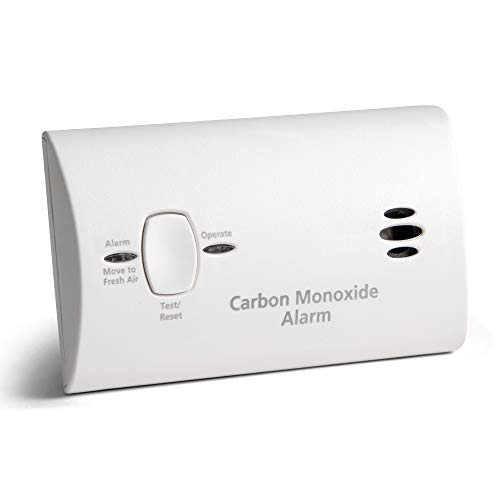
- Invest in a Portable CO Detector.
- Why: As a backup safety measure, a small, battery-operated carbon monoxide detector is an inexpensive and life-saving device. It will alert you to the presence of the odorless, colorless killer gas in the unlikely event of exposure from an external source.
- Park in an Open, Well-Ventilated Area.
- Why: Never park in an enclosed garage, even for a short nap with the engine off. Parking in the open ensures that any exhaust fumes from nearby vehicles can dissipate safely.
- Ensure Your Tailpipe is Clear.
- Why: Before settling in, especially in snowy or muddy conditions, double-check that your car’s exhaust pipe is not blocked. A blockage can force gases back into the car if the engine were to be started.
FAQs About can you run out of oxygen in a car
Is a car trunk airtight? Can you run out of oxygen in one?
A car trunk is significantly more airtight than the main cabin, making it extremely dangerous. While not perfectly sealed, the lack of designed ventilation means CO₂ can build up to lethal levels much faster, and oxygen depletion is a more realistic, albeit still slow, possibility. Trunks also lack emergency release latches in many older vehicles, posing a severe entrapment risk.
Does using the ‘recirculate’ button stop oxygen from coming in?
The recirculation button significantly reduces the amount of fresh air entering the cabin. While it doesn’t create a perfect seal, it closes the main external air intake vent. Using it for extended periods with multiple passengers will cause CO₂ levels to rise much more quickly than when using the fresh air setting. It’s intended for short-term use to block outside fumes or improve AC efficiency.
What about sleeping in an electric vehicle (EV) like a Tesla?
Sleeping in an EV with the climate control on is generally safer than in a gas car, but ventilation is still key. Since there’s no engine, there is zero risk of carbon monoxide (CO) poisoning. However, CO₂ from breathing will still build up. Modern EVs have sophisticated climate systems (like Tesla’s “Camp Mode”) that manage air circulation, but it’s still wise to ensure the fresh air intake is active and not set to full recirculation.
Can a pet, like a dog, run out of oxygen in a car?
A pet’s greatest danger in a parked car is heatstroke, which can be fatal in minutes. While CO₂ buildup is a risk over hours, the temperature inside a car can rise 20 degrees in just 10 minutes. A pet’s smaller body and panting (which increases CO₂ output) make them vulnerable, but the immediate, life-threatening risk is always the heat. Never leave a pet unattended in a car.
Are modern cars more airtight than older cars?
Yes, modern cars are generally more airtight than vintage cars to improve noise insulation and HVAC efficiency. They have better quality weather stripping and tighter manufacturing tolerances. However, they are still required to have passive ventilation systems (pressure relief vents) to prevent pressure buildup when closing doors, so they are not completely sealed. This means the risk profile (CO₂ over O₂) remains the same.
What are the first symptoms of CO2 poisoning I should watch for?
The earliest and most common symptoms are a dull headache, drowsiness, and feeling ‘stuffy’ or dizzy. You might also experience a slightly increased heart rate or shortness of breath. These symptoms are your body’s warning sign that CO₂ levels are rising. If you feel any of these, immediately introduce fresh air by opening windows or doors.
Is it safer to crack one window or two?
It is always safer to crack at least two windows, preferably on opposite sides of the car. This creates cross-ventilation. A single open window allows for some air exchange, but having an entry and exit point for airflow dramatically increases the rate at which CO₂ is flushed out and fresh air is brought in.
Can dry ice in a car be dangerous?
Yes, transporting dry ice in an enclosed car is extremely dangerous and can be lethal. Dry ice is frozen carbon dioxide (CO₂). As it sublimates (turns from a solid to a gas), it releases massive amounts of CO₂ gas, which displaces oxygen and can quickly create a toxic, oxygen-deficient atmosphere far faster than breathing would. Always transport dry ice in a separate, ventilated area or with all car windows fully open.
How can I monitor the air quality in my car?
Use a portable digital air quality monitor that measures CO₂ levels in Parts Per Million (PPM). These devices are small, battery-operated, and can provide real-time readings of CO₂, temperature, and humidity. For ultimate safety, especially when sleeping, a separate battery-operated Carbon Monoxide (CO) detector is also essential.
Does having more people in the car make it more dangerous?
Yes, every additional person dramatically increases the rate of CO₂ buildup. Two people will cause CO₂ to accumulate roughly twice as fast as one person. Four people will cause it to accumulate four times as fast. The time estimates for air becoming unsafe should be divided by the number of occupants.
Key Takeaways: Car Cabin Air Safety Summary
- CO₂ is the Real Threat, Not Oxygen Loss: You are far more likely to be incapacitated by the toxic buildup of carbon dioxide from your own breath than you are to run out of oxygen. Cars are not airtight, but the slow air exchange isn’t enough to prevent CO₂ accumulation.
- Carbon Monoxide (CO) is a Silent Killer: The risk of CO poisoning from a running engine is a more immediate and deadly threat than CO₂. Never run your engine in an enclosed space and ensure your exhaust system is in good condition.
- Time is a Factor: In a sealed mid-size car, CO₂ can reach concerning levels in 3-4 hours for one person, and half that time for two people. This demonstrates the need for active ventilation over long periods.
- Ventilation is Non-Negotiable: The single most important safety measure is creating cross-ventilation. Cracking two windows on opposite sides of the vehicle allows CO₂ to be flushed out and replaced with fresh air.
- Engine Off is Safest: The default and safest way to rest in a car is with the engine completely off. This eliminates the primary source of deadly carbon monoxide.
- Monitor Your Air: For maximum safety during car camping, invest in two separate, battery-operated devices: a portable CO₂ monitor (to manage air stuffiness) and a CO detector (to protect against the lethal, odorless gas).
- Trunks are Death Traps: Car trunks are significantly more airtight than the passenger cabin and lack proper ventilation. They should never be occupied under any circumstances.
Final Thoughts on Staying Safe in Your Vehicle
Understanding the air quality in your car isn’t about feeding a fear—it’s about empowering yourself with knowledge. Your initial concern about running out of oxygen was valid, but now you know the science points to a different culprit: carbon dioxide. By distinguishing between the slow risk of CO₂ buildup and the rapid danger of CO poisoning, you can make informed, life-saving decisions.
Remember the simple rules: engine off, two windows cracked for cross-ventilation, and park in the open. By following this advice, you can rest assured that you are managing the real risks and can use your vehicle as a safe shelter when needed.
Last update on 2026-03-14 / Affiliate links / Images from Amazon Product Advertising API