
Dreaming of a powerful, turbocharged engine for your daily driver? The allure of forced induction is undeniable, promising thrilling performance gains. However, this complex modification comes with significant challenges and potential pitfalls.
The feasibility of safely installing a turbocharger on any car is technically yes, but it is entirely dependent on three non-negotiable factors: performing a thorough engine health check, installing necessary supporting components like intercoolers and fuel upgrades, and obtaining mandatory professional ECU tuning. This isn’t a simple bolt-on job; it’s a high-level engineering project demanding precision. Drawing from comprehensive analysis of current data and proven methodologies, this guide unpacks what it truly takes. You’ll discover the critical steps to achieve a reliable, performance-boosting turbo setup.
Key Facts
- Turbocharging is Technically Universal: Any internal combustion engine can theoretically be turbocharged, utilizing exhaust gases to force more air into the cylinders for increased power.
Engine Health is Paramount: A compression and leak-down test is mandatory; results showing more than 10% leakage in any cylinder necessitate an engine rebuild before turbo installation.
ECU Tuning is Non-Negotiable: Installing a turbo without professional ECU tuning will lead to catastrophic engine failure because the stock computer cannot compensate for the increased airflow.
Fuel System Upgrades are Essential: Turbocharged engines require significantly more fuel; upgraded injectors and a higher-flow fuel pump are mandatory to prevent dangerously lean conditions.
Costs Often Exceed $5,000-$10,000: A safe, professionally installed, and tuned aftermarket turbo system requires a substantial financial investment, reflecting the complexity of components and labor.
Can You Put A Turbo On Any Car Safely? Engine Health and ECU Tuning
Yes, you can technically put a turbocharger on almost any naturally aspirated (NA) engine, but safe and reliable operation is critically constrained by engine health, necessary supporting component upgrades, and mandatory ECU tuning. This conditional “yes” means the physical act of attaching a turbo is often possible, yet the engine’s ability to withstand and utilize the added boost is where the real challenge lies. A turbocharger is a forced induction system that uses waste exhaust energy to compress intake air, dramatically increasing power. However, this process inherently places immense stress on an engine not originally designed for such conditions. The modification demands a holistic approach, ensuring every part of the engine and its supporting systems can handle the new power.

Neglecting any one of these three core constraints—engine health, component upgrades, or professional ECU tuning—guarantees catastrophic engine failure. This conversion is a high-stakes engineering endeavor, not a casual upgrade. It requires a deep understanding of thermodynamics, engine mechanics, and electronic control. Are you willing to invest the time, money, and expertise required to address these three critical non-negotiable factors? Answering this question honestly is the first step toward a successful and safe turbo conversion.
What Critical Engine Health Checks Are Mandatory Before Adding Boost?
Before installing a turbo, mandatory engine health checks include a compression test to measure cylinder pressure and a leak-down test, where results showing more than 10% leakage necessitate an engine rebuild. These diagnostic procedures are non-negotiable to ensure the base engine can withstand the significantly higher pressures and temperatures associated with forced induction. Skipping these steps is a direct path to engine failure, as even minor pre-existing wear will be rapidly exacerbated by boost.
- Perform a Compression Test:
- Purpose: This test measures the maximum pressure each cylinder can generate. It helps identify worn piston rings, damaged valves, or head gasket issues.
- Procedure: Warm the engine to operating temperature, remove all spark plugs, and disable the fuel and ignition systems. Screw the compression tester into one spark plug hole, crank the engine 4-5 times, and record the reading. Repeat for all cylinders.
- Threshold: Consistent readings across all cylinders, typically above 150 psi, indicate good health. Large discrepancies (more than 10-15% variance between cylinders) are a red flag.
- Conduct a Leak-Down Test:
- Purpose: The leak-down test is more precise than a compression test, measuring how much air leaks past the piston rings, valves, or head gasket. This directly assesses the sealing integrity of the combustion chamber.
- Procedure: Bring each cylinder to Top Dead Center (TDC) on its compression stroke. Apply compressed air (typically 100 psi) into the cylinder through a special leak-down tester. The gauge displays the percentage of air lost.
- Threshold: Professional mechanic standards typically deem results showing more than 10% leakage as a high risk for forced induction. Leakage above 10% often necessitates an engine rebuild, focusing on piston rings and valve seals.
- Assess the Engine’s Static Compression Ratio:
- Purpose: The static compression ratio (e.g., 10.5:1) is the mechanical ratio of the cylinder’s volume at BDC (bottom dead center) compared to TDC. When boost is added, this becomes dynamic compression. High static compression combined with forced induction significantly increases the risk of detonation.
- Impact: Ratios above 10.5:1 for a gasoline engine generally require lower boost (under 5 psi) or internal modifications like lower compression pistons to manage cylinder pressures safely.
- Expert Insight: For most stock OEM aluminum block engines, conservative, reliable boost levels range between 5 psi and 8 psi, depending on the static compression ratio. Running higher boosts on stock components like connecting rods and pistons significantly increases the risk of failure, even with a perfect tune. If your engine fails the leak-down test, are you prepared for the costly reality of a full engine rebuild, or should you pursue an alternative path?
What Is The Risk Of Detonation And How Do You Prevent It?
Detonation is the uncontrolled, premature combustion of the fuel-air mixture in the cylinder, primarily prevented by professional ECU tuning that reduces ignition timing under boost and ensures a rich air-fuel ratio. Often called engine knock or pinging, detonation is a catastrophic event where extreme heat and pressure cause the fuel mixture to ignite spontaneously before the spark plug fires, or simultaneously at multiple points. This creates powerful, opposing pressure waves that crash into each other, subjecting internal components like pistons, connecting rods, cylinder walls, and head gaskets to immense, destructive forces.
The primary causes of detonation under boost are:
- Excessive Cylinder Pressure: High static compression combined with boost, especially with advanced ignition timing.
- High Intake Air Temperatures: Hot compressed air is more prone to self-igniting.
- Insufficient Fuel (Lean Air-Fuel Ratio): A lean mixture burns hotter and faster, increasing detonation risk.
- Low Octane Fuel: Lower octane fuels have less resistance to pre-ignition.
Preventing detonation is paramount for engine survival:
- Professional ECU Tuning: This is the most crucial step. A skilled tuner adjusts the Engine Control Unit (ECU) to retard (delay) ignition timing as boost increases, ensuring the spark fires at the optimal, safe moment. They also adjust fuel delivery to maintain a safe Air-Fuel Ratio (AFR).
- Rich Air-Fuel Ratio (AFR) Under Boost: While a stoichiometric (ideal) AFR is 14.7:1 for complete combustion, turbocharged engines typically run a rich mixture, around 11.5:1, under wide-open throttle (WOT) and boost. The excess fuel acts as an internal coolant, absorbing heat from the combustion chamber and significantly increasing resistance to detonation. Competitors often omit the technical reason why running rich prevents detonation; this section explicitly explains the cooling effect of the excess fuel.
- High-Octane Fuel: High-octane fuels are more resistant to premature ignition, allowing for higher cylinder pressures and more aggressive timing without detonating. Always use the highest octane recommended by your tuner.
- Efficient Intercooling: Reducing the temperature of the compressed intake air directly reduces the likelihood of detonation. This is why intercoolers are a mandatory component.
- Knock Sensors: Modern engines use knock sensors to detect detonation and signal the ECU to temporarily retard timing, offering a last line of defense. However, constant reliance on these indicates a poor tune.
How Do You Design A Reliable Turbo System? Component Selection and Sizing
Designing a reliable turbo system requires proper turbo selection based on the engine’s displacement and intended power band (A/R ratio), mandatory intercooling for air density and heat management, and a fuel system upgrade (pump and injectors) capable of flowing at least 20% more than the target horsepower requires. Moving beyond the engine itself, the success of a forced induction system hinges on the careful selection and integration of supporting components. Each part plays a critical role in managing the increased airflow, fuel delivery, and heat generated by the turbocharger.
Proper component selection is categorized into three critical systems:
- Forced Air Components:
- Turbocharger Selection: This is paramount. The A/R ratio (Area divided by Radius) of the turbine housing dictates the turbo’s response (spool time) versus its peak flow potential. A smaller A/R will spool faster but choke at high RPM, while a larger A/R offers more top-end power but more lag. Selecting the right turbo also involves using a compressor map, which plots air flow (CFM) versus pressure ratio, identifying the turbo’s most efficient operating range for your engine’s volumetric efficiency.
- Intercooler: This is mandatory for street-driven turbo systems. Intercoolers reduce the temperature of the compressed air entering the engine, increasing air density (more oxygen molecules per volume) and dramatically reducing the risk of detonation. ‘Bar-and-plate’ intercoolers are highly efficient.
- Wastegate and Blow-Off Valve (BOV): The wastegate controls boost pressure by diverting excess exhaust gases away from the turbine. A BOV prevents compressor surge—a destructive condition caused by pressure waves hitting the compressor wheel when the throttle closes.
- Fuel System:
- Fuel Pump Upgrade: The stock fuel pump is rarely capable of delivering the increased volume of fuel required by a turbocharged engine under boost. A high-flow fuel pump is essential.
- Fuel Injector Sizing: Larger fuel injectors are necessary to supply the engine with the rich air-fuel mixture required for safety and performance under boost. The ‘20% Safety Margin’ framework recommends new injectors and a pump that can support 20% more horsepower than your maximum targeted output. Calculating fuel flow involves using brake specific fuel consumption (BSFC) relative to target horsepower.
- Control and Safety:
- Boost Controller: This device allows precise adjustment of boost pressure. Electronic boost controllers offer more flexibility and features than manual controllers.
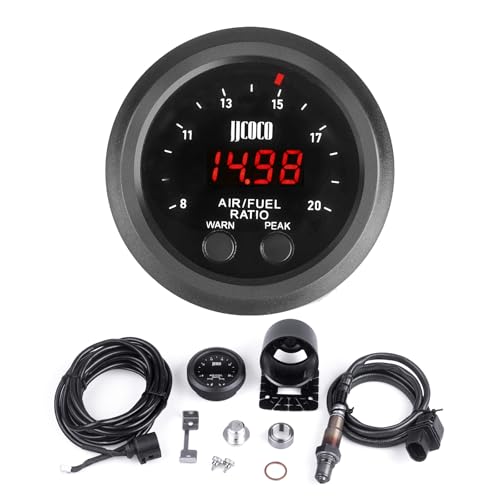
- Wideband Air-Fuel Ratio (AFR) Gauge: A wideband O2 sensor and gauge provide real-time, accurate readings of your engine’s AFR, which is critical for monitoring tuning health and preventing detonation.
Imagine you have a compact engine bay—which intercooler style (air-to-air vs. water-to-air) solves your packaging problem?
| Feature/Aspect | Air-to-Air Intercooler | Water-to-Air Intercooler | Universal Turbo Kit | Vehicle-Specific Kit |
|---|---|---|---|---|
| Cost | Lower upfront cost | Higher (requires pump/radiator) | Lowest component cost | Highest upfront cost |
| Space Required | Requires large frontal area | Small, remote charge core | Requires extensive fabrication | Designed to fit |
| Cooling Efficiency | Dependent on ambient air flow | Superior (stable IATs) | Component quality varies | High, tailored components |
| Installation Complexity | Moderate (long piping runs) | High (complex plumbing) | Very High (welding, cutting) | Low-Moderate (bolt-on) |
Why Is Proper Oil Management Crucial for Turbo Longevity?
Proper turbo oil management is crucial for longevity and requires a restricted high-pressure feed line and a large-diameter, gravity-assisted return line that must enter the oil pan above the oil level to prevent backup and seal failure. The turbocharger’s shaft spins at incredibly high speeds (up to 250,000 RPM) and operates at extreme temperatures. It relies entirely on a constant supply of clean, pressurized engine oil for both lubrication of its internal bearings and cooling. Without proper oil management, the turbo will quickly fail, often leading to a “smoking turbo” symptom.
Here are the critical steps for turbo oil management:
- Oil Feed Line and Restrictor:
- Function: This line delivers clean, pressurized oil from the engine block to the turbocharger’s center cartridge.
- Requirement: An oil restrictor is mandatory in the feed line. Turbochargers require a specific, often very small, amount of oil pressure; without a restrictor, excessive pressure can overwhelm the turbo’s seals, leading to oil leaks and consumption, or even blowing out the seals entirely. Oil restrictors typically have orifices between 0.030″ and 0.060″ depending on the turbo’s bearing type (journal vs. ball-bearing).
- Industry Standard: Use high-quality stainless steel braided AN fittings and lines (e.g., -4 AN) for the feed line to withstand heat and pressure.
- Oil Return Line (Drain):
- Function: This large-diameter line allows oil to rapidly drain from the turbocharger back into the engine’s oil pan.
- Requirement: This line must be a large diameter (at least -10 AN is an industry standard recommendation) and have a completely downhill, gravity-assisted path. There should be no kinks, tight bends, or horizontal sections where oil can pool.
- Placement: The oil drain line must enter the oil pan above the engine’s oil level. If it enters below the oil level, oil will back up in the turbo’s center section, forcing it past the seals and out the exhaust or intake. This is the most common cause of a new turbo smoking.
- Physics: The large size and gravity-only path are critical because the turbo’s internal seals are designed to keep low-pressure oil inside; they are not robust pressure seals. Any restriction in the drain path will quickly overcome them.
Common mistake explanation: Installing a drain line that is too small or too low relative to the oil level will inevitably lead to oil backing up, blowing past the turbo seals, and causing your new turbo to smoke. This troubleshooting insight often means a bad drain, not a bad turbo.
Why Is ECU Tuning The Single Most Important Safety Factor?
ECU tuning is mandatory when adding a turbo because the stock computer cannot compensate for the dramatic increase in airflow and requires calibration to deliver enough fuel and retard ignition timing to prevent immediate, catastrophic engine detonation under boost. Without a custom tune, the engine will run dangerously lean (not enough fuel for the air) and with excessive ignition timing advance, which, under the high pressures of boost, guarantees detonation and rapid internal engine destruction. The stock ECU (Engine Control Unit) is programmed for the factory naturally aspirated setup and simply lacks the ability to adjust for forced induction.
Professional ECU tuning is a highly specialized process, typically performed on a dynamometer (dyno), to ensure precise control over two critical parameters:
- Fuel Delivery (Air-Fuel Ratio – AFR): The tuner adjusts injector pulse width (how long the fuel injectors stay open) to ensure the engine receives adequate fuel under boost. The goal is to maintain a safe, rich AFR (typically around 11.5:1 to 12.0:1) under wide-open throttle (WOT), which provides the necessary cooling and detonation resistance.
- Ignition Timing: As boost pressure increases, the ignition timing must be retarded (delayed) to prevent detonation. A tuner meticulously adjusts the ignition timing map to find the optimal balance between power and safety across the entire RPM and boost range.
There are several options for ECU tuning, each with different levels of control and complexity:
- Standalone ECUs (e.g., MegaSquirt): These completely replace the factory ECU, offering full control over every engine parameter. They are the most flexible and safest for highly modified or high-boost builds but require extensive wiring and expert tuning.
- Piggyback ECUs (e.g., Hondata, Cobb Accessport): These systems work in conjunction with the factory ECU, intercepting and modifying signals to trick the stock computer into doing what the turbo setup needs. They offer more limited control than standalone units but are simpler to install and less expensive.
- Reflashing/Re-mapping the Stock ECU: Some factory ECUs can be reprogrammed with custom software maps. This is the least invasive but often offers the most limited control, suitable only for very conservative, low-boost setups.
A professional, certified tuner calibrates the engine on a dynamometer to verify safe operation under load. This allows them to precisely measure power output and monitor the AFR, ignition timing, and exhaust gas temperatures (EGT) in real-time. Why would you spend $5,000 on parts only to save $1,000 on the one step that keeps the engine alive? This rhetorical question underscores the criticality of professional tuning.
| Feature/Aspect | Standalone ECU (e.g., MegaSquirt) | Piggyback ECU (e.g., Hondata/Cobb) | Stock ECU Flash (Limited) |
|---|---|---|---|
| Control Level | Complete control over every parameter | Modifies existing signals/tables | Limited adjustment of OEM parameters |
| Cost (Hardware) | Highest ($1,000 – $3,000+) | Moderate ($500 – $1,500) | Lowest (Software license) |
| Safety Features | Full fail-safe settings (e.g., boost cut) | Limited depending on platform | Minimal built-in turbo safety |
| Complexity | Extremely high (requires wiring/setup) | Moderate (plugs into factory harness) | Low-Moderate |
| Recommended For | Custom, high-boost, high-power builds | Simple, low-boost, OEM-based builds | Only for very minimal boost gains |
How Does Turbocharging Compare To A Supercharger Or Engine Swap?
Turbochargers typically offer greater peak power and thermal efficiency because they utilize waste exhaust energy, whereas superchargers provide instant throttle response but suffer from parasitic power loss by drawing power directly from the engine’s crankshaft. When considering a significant performance upgrade, turbocharging is just one of several options. Understanding the alternatives can help you make an informed decision based on your priorities for power delivery, cost, and complexity.
Here’s how turbocharging compares to its main rivals:
- Supercharger:
- Power Source: Mechanically driven by the engine’s crankshaft via a belt. This creates “parasitic loss” because the engine expends some of its own power to drive the supercharger.
- Power Delivery: Instantaneous and linear. As soon as you press the throttle, the supercharger delivers boost without any lag. This provides excellent low-end torque and a very predictable power curve, making it ideal for daily driving.
- Efficiency: Generally less thermally efficient than a turbo due to the constant drag and heat generated.
- Complexity: Often simpler to install and tune than a turbo, as it typically doesn’t involve complex exhaust plumbing or as extreme heat management.
- Nitrous Oxide System (NOS):
- Power Source: Injecting a chemical (nitrous oxide) that releases oxygen when heated, allowing for a sudden, temporary increase in power.
- Power Delivery: Immediate and dramatic but temporary. Nitrous is typically used for short bursts of acceleration.
- Cost: The cheapest way to gain significant horsepower initially, but operating costs are ongoing (refilling bottles).
- Reliability: Can be reliable if meticulously installed and tuned with proper safety measures (e.g., fuel enrichment), but carries a higher risk of engine damage if misused.
- Engine Swap:
- Concept: Replacing your vehicle’s existing engine with a more powerful one, often from a different model or manufacturer.
- Reliability: Can offer OEM-level reliability if the swap is done professionally and correctly, as the engine itself was designed for that power output.
- Complexity & Cost: Can be extremely complex and expensive, often requiring custom engine mounts, wiring harnesses, and drivetrain modifications. However, it can provide a reliable, factory-tuned solution.
Which power delivery method aligns best with your primary use case: instant torque (supercharger) or high peak horsepower (turbo)?
| Feature/Aspect | Turbocharger | Supercharger | Nitrous Oxide System (NOS) |
|---|---|---|---|
| Power Source | Exhaust gases (waste energy) | Engine Crankshaft (belt driven) | Chemical injection (stored) |
| Power Delivery | Progressive, high peak power | Immediate, linear torque | Instant, temporary power boost |
| Thermal Efficiency | Highest (best MPG under normal load) | Lower (constant drag/heat) | Very high power density, no drag |
| Installation Complexity | High (heat management, plumbing, tuning) | Moderate (easier plumbing, minor tuning) | Low (bottles, solenoid, basic wiring) |
| Reliability | High, if tuned perfectly | High, if quality kit used | Variable (requires careful timing management) |
| Cost | High ($5k-$10k+) | High ($4k-$8k+) | Low ($500-$2k) |
What Are The Long-Term Reliability And Legal Risks Of Forced Induction?
Long-term reliability of an aftermarket turbo depends on strict maintenance, including accelerated oil change intervals (3,000 miles) and monitoring of turbo seals; furthermore, aftermarket forced induction systems often void manufacturer warranties and can lead to regulatory non-compliance in areas with strict emissions standards. The discussion around turbocharging often focuses on the initial build and power gains, but the long-term implications for reliability, legality, and financial costs are critical and frequently overlooked. These factors represent a significant competitive gap, often missing from general guides, yet they are crucial for a truly comprehensive understanding.
- Accelerated Maintenance Schedule:
- Increased Stress: Turbocharged engines operate under higher heat and pressure, accelerating wear on all components, especially engine oil.
- Oil Changes: An industry standard recommendation is to reduce oil change intervals by at least 50% compared to a naturally aspirated engine. This means oil changes every 3,000 miles, or even more frequently for high-performance use. Use high-quality synthetic oil to provide superior thermal stability.
- Component Monitoring: Regularly check for boost leaks, inspect turbo seals for any signs of oil leakage (blue/white smoke), and monitor coolant and oil temperatures. Cooling system upgrades (high-flow radiators, oil coolers) become essential.
- Expert Insight: Utilizing ceramic or high-nickel content exhaust manifold materials is essential to withstand the extreme sustained exhaust gas temperatures (EGTs) generated by turbocharging.
- Warranty Voidance and Insurance Implications:
- Manufacturer Warranty: Installing an aftermarket turbocharger will almost certainly void your vehicle’s powertrain warranty. Manufacturers explicitly exclude modifications that alter the engine’s design or performance.
- Insurance Coverage: Failing to disclose major modifications like turbocharging to your insurance provider can lead to a voided policy in the event of an accident. This could leave you entirely responsible for damages or injuries. Always inform your insurance company and be prepared for higher premiums.
- Resale Value Impact:
- Niche Market: Heavily modified vehicles, especially with aftermarket forced induction, typically appeal to a much smaller buyer pool.
- Perceived Risk: Many buyers are wary of reliability issues with non-OEM turbo setups, often leading to a significantly diminished resale value compared to a stock vehicle. The perceived high maintenance and potential for hidden problems can deter general buyers.
This section directly resolves major competitive gaps regarding regulatory/legal impact and long-term durability, positioning the content as responsible and authoritative. Challenge the reader to research their local emissions laws before purchasing any components to avoid costly compliance issues.
How Should You Handle Emissions And Street Legality Concerns?
In regions with strict emissions testing, aftermarket turbocharging a vehicle that was not originally forced-induction is often illegal unless the kit carries specific regulatory certification, as improper fueling and timing usually result in emissions test failures. The legality of a turbocharged street car is a significant and complex issue that varies widely by geographic location. What’s legal in one state or country may be strictly prohibited in another. This often-overlooked area presents substantial financial and legal risks if not addressed proactively.
- Emissions Regulations: While a turbocharger itself doesn’t inherently pollute, the necessary changes to the fuel system and ignition timing, coupled with potential modifications to the exhaust system (like removing or altering catalytic converters), frequently cause vehicles to fail emissions tests. Many jurisdictions, such as California with its strict CARB (California Air Resources Board) standards, require specific Executive Order (EO) numbers for aftermarket performance parts. Without this certification, the vehicle is deemed non-compliant.
- Catalytic Converter (CAT) Necessity: In performance builds, catalytic converters are sometimes removed to reduce exhaust back pressure and increase flow. However, running without a catalytic converter is illegal in most regions and will result in an immediate emissions test failure, in addition to significant environmental impact. A ‘tuned emissions profile’ aims to balance performance with legal compliance.
- Professional Consultation: The most effective strategy is to consult with a local regulatory expert or a certified performance shop specializing in emissions-compliant modifications before purchasing any components. They can provide guidance specific to your area’s laws. The legal requirement to consult a local regulatory expert or certified performance shop before commencing modification is paramount.
Failing to adhere to local emissions and street legality laws can result in hefty fines, mandatory vehicle impoundment, or even permanent registration bans. It’s a critical checkpoint before proceeding with any modification.
FAQs About Can You Put A Turbo On Any Car Safely
Can A Stock Engine Handle A Turbo Safely?
Generally, a stock engine can handle low boost, typically between 5 psi and 7 psi, provided the engine is healthy and has been professionally tuned to manage the resulting elevated cylinder pressures. Running higher boost levels on stock internal components (pistons and rods) significantly increases the risk of catastrophic failure due to detonation.
How Much Does A Safe, Complete Turbo Installation Cost?
Costs vary drastically based on component quality and installation method, but a safe and reliable professionally installed and tuned turbo system typically costs between $5,000 and $10,000. This includes the cost of the turbo unit, intercooler, necessary fuel system upgrades (injectors/pump), ECU tuning, and significant labor hours.
What Is Turbo Lag And How Do You Fix It?
Turbo lag is the momentary delay between pressing the throttle and the turbocharger reaching its target boost pressure, caused by the time required for exhaust gases to spool the turbine. It can be mitigated by selecting a smaller turbine housing (lower A/R ratio), choosing a physically smaller turbo, or by utilizing sequential turbo systems or anti-lag technologies.
Will Adding A Turbo Reduce My Engine’s Life Expectancy?
Yes, turbocharging inherently increases the thermal and mechanical stress on an engine’s internal components, which reduces its overall life expectancy compared to its naturally aspirated state. However, a conservative tune, strict maintenance schedule (e.g., frequent oil changes), and quality cooling components can minimize this reduction dramatically, allowing for high long-term mileage.
Do I Need To Weld Or Custom Fabricate Parts To Install A Turbo?
While vehicle-specific ‘bolt-on’ turbo kits minimize the need for custom fabrication, universal kits or high-performance setups often require significant custom TIG welding. This is typically necessary for the exhaust manifold, downpipe, and intercooler piping to ensure optimal flow and fitment within the engine bay.
What Are The Common Signs Of A Turbo System Failure?
Common signs of turbo system failure include excessive blue or white smoke coming from the exhaust (indicating oil or coolant leakage past seals), loud whining noises, decreased power output, or inconsistent boost delivery. These often indicate bearing wear or seal failure, frequently caused by improper oil management.
Can I Use My Car For Daily Driving After Turbocharging?
Yes, if the turbo system is designed with reliability in mind, utilizing conservative boost levels and a professional, safety-focused ECU tune, a turbocharged car can be a reliable daily driver. High-quality components, superior intercooling, and accelerated maintenance are non-negotiable for maintaining factory-like drivability and longevity.
Key Takeaways: Turbocharging Any Car Safely
- Feasibility is Conditional on Safety: While a turbo can technically fit any car, safe operation depends entirely on performing mandatory engine health diagnostics, proper component selection, and professional ECU tuning.
- Engine Health is the Foundation: A compression and leak-down test must show a healthy engine (less than 10% leak down) before modification. Stock internal components limit boost to very low, conservative pressures (5-7 psi).
- ECU Tuning is Non-Negotiable: Installing a turbo without professional dyno tuning to adjust ignition timing and fuel delivery (targeting a rich 11.5:1 AFR) will lead to immediate, catastrophic engine failure via detonation.
- Oiling System Design is Critical: Turbo longevity depends on a carefully restricted oil feed line and a large, gravity-assisted return line (-10 AN minimum) that prevents oil backup and subsequent seal failure.
- Turbo Selection Requires Engineering: Choosing the correct turbo involves technical sizing based on the engine’s volumetric efficiency, ensuring the A/R ratio is selected to balance spool time against peak performance needs.
- Alternatives Offer Different Trade-offs: Superchargers provide instant throttle response but incur parasitic loss, making them favorable for daily driving, while turbos offer higher peak efficiency and power, ideal for high-performance builds.
- Legal and Maintenance Risks are High: Turbocharging voids most warranties, accelerates maintenance requirements (frequent oil changes), and may violate local emissions and street legality regulations, requiring careful pre-planning.
Final Thoughts
Ultimately, the answer to whether you can safely put a turbo on any car is a resounding yes, provided you redefine “car” to mean “engine that is perfectly healthy, properly prepared, and expertly managed by an ECU.” This modification is not a simple bolt-on but a high-level engineering project governed by three non-negotiable pillars: pristine engine health, a meticulously designed supporting system (fueling, intercooling, oiling), and professional electronic tuning. The risks are substantial—detonation can destroy an engine in seconds—but the reward is a significant, reliable performance gain. If you are prepared for the necessary $5,000+ financial investment and the commitment to precision engineering, consult a certified performance tuner to begin your feasibility assessment today.
Last update on 2026-03-01 / Affiliate links / Images from Amazon Product Advertising API


