
Wondering if that pea-sized hail storm is a real threat to your car? It’s a common concern for vehicle owners when the sky turns dark. You need to know if you should rush for cover or if the risk is minimal.
Yes, pea-sized hail (about 1/4 inch in diameter) can damage a car, though the damage is typically cosmetic rather than structural. This includes minor dings, shallow indentations, and potential chipping of the paint or clear coat, especially on modern vehicles with thinner aluminum or steel body panels. The risk increases significantly with high winds.
Based on professional assessment and industry standards, this guide breaks down the real risks. You will discover the specific factors that turn tiny hailstones into a costly problem. This information will help you know what to look for and how to protect your vehicle effectively.
Key Facts
- Threshold for Damage: While many assume it’s harmless, pea-sized hail sits right at the threshold where cosmetic damage can begin, especially under certain conditions, demonstrating that size isn’t the only factor.
- Wind is a Force Multiplier: High winds dramatically increase the impact energy of small hailstones, turning minor impacts into damaging ones, according to meteorological data analysis.
- Modern Cars are More Vulnerable: The use of thinner, lightweight aluminum panels on many modern cars for fuel efficiency makes them more susceptible to dents from small hail compared to older cars with thicker steel, industry analysis reveals.
- Cosmetic vs. Structural: The damage from pea-sized hail is almost exclusively cosmetic (dents, paint chips), affecting appearance and resale value but not the vehicle’s safety or structural integrity.
- Repair Costs vs. Deductible: For minor damage, the cost of Paintless Dent Repair (PDR) is often less than a typical comprehensive insurance deductible, making out-of-pocket payment a common choice based on aggregated data analysis.
Can Pea-Sized Hail Really Damage a Car?
Yes, pea-sized hail, which is about 0.25 inches in diameter, can absolutely cause cosmetic damage to a car. While it rarely leads to significant structural issues, it’s a mistake to think it’s entirely harmless. The damage is often subtle and includes small dings, paint chips, and marring of the clear coat. Industry standards from auto body experts and insurance adjusters confirm that the severity of these blemishes depends heavily on several other factors.

The truth is, the risk isn’t just about the size of the hailstone. The impact is magnified by high winds, the type of material your car’s panels are made from, and the age of your vehicle’s paint. Understanding these variables is the key to assessing your real risk. Later, we’ll explore vehicle paint protection and how understanding car insurance can help you manage the financial side of any potential repairs. For now, know that your concern is valid—small hail can indeed leave its mark.
Here are the key takeaways on the potential for damage:
* ✅ Damage is Possible: Pea-sized hail can and does cause cosmetic blemishes.
* ✅ Damage is Usually Cosmetic: The issues are typically minor dings and paint chips, not structural problems.
* ✅ Several Factors Increase Risk: Wind, vehicle material, and paint condition are critical variables.
What Does Pea-Sized Hail Damage Actually Look Like?
Pea-sized hail damage often appears as shallow, subtle dings about 1/4 inch in diameter, primarily on a car’s horizontal surfaces like the roof, hood, and trunk. From our experience in auto body assessment, this type of damage is frequently missed during a casual inspection. It can also cause tiny paint chips or micro-fractures in the clear coat [the car’s top protective, glossy layer], which may look like small, dull spots. Identifying this damage is the first step before you can consider options like paintless dent repair or filing an insurance claim.
What Are The Signs of Minor Dings and Shallow Indentations?
Minor dings from pea-sized hail are shallow, subtle depressions in the metal that often do not break the paint. These indentations are typically between 1/4 inch and 3/8 inch in diameter. Because they are so slight, they are most visible on the large, flat surfaces of a vehicle, such as the hood, roof, and trunk lid.
Pro Tip: Auto body technicians use a special reflective line board to spot these dents. You can create a similar effect at home. Park your car in a garage under fluorescent lights or outside where you can see the reflection of straight power lines. View the panel from a low angle and look for any “wobbles” or distortions in the straight reflection. That “ripple in the pond” is a shallow dent.
Here’s a simple technique for spotting them:
1. Wash Your Car: A clean, reflective surface is essential.
2. Use Reflected Light: Observe the reflection of a straight object (like a light tube or building edge) across the panel.
3. Look for Distortion: Any waviness in that straight reflection indicates a shallow indentation.
Can Pea-Sized Hail Cause Paint and Clear Coat Damage?
Yes, the sharp, sudden impact from a pea-sized hailstone can chip your car’s paint or create micro-fractures in the clear coat. Think of the clear coat like the screen protector on your phone; a sharp tap can cause it to crack. While not every impact will break the paint, older, more brittle paint jobs and thinner modern finishes are more susceptible.
You should look for tiny missing flakes of color or small, star-like cracks in the finish. A flashlight held at an angle can help make these fractures visible.
⚠️ Warning: This is a hidden danger. A chip or fracture in the clear coat is a breach in your car’s protective armor. It exposes the underlying paint and metal to moisture and UV rays. If left untreated, this can lead to oxidation (rusting), discoloration, and peeling paint down the road.
What Factors Determine if Pea-Sized Hail Causes Damage?
Several key factors determine if pea-sized hail will damage a car, including wind speed, the material of the body panels (aluminum vs. steel), and the age of the paint. High winds are the most significant multiplier. Meteorological data shows that wind dramatically increases the kinetic energy (impact power) of a hailstone, turning what would be a harmless bounce into a damaging impact.
- Wind Speed: A hailstone falling in calm winds might do nothing. But when driven by 50+ mph winds, its impact force is much greater.
- Vehicle Material: Modern cars increasingly use thinner aluminum panels to save weight. Think of the difference between a thin soda can (aluminum) and a thick soup can (steel). The aluminum dents far more easily, making these cars more vulnerable.
- Vehicle Age & Paint Condition: The paint on an older car can become brittle over time and is more likely to chip upon impact compared to the more flexible finish on a new vehicle.
- Hailstone Density: Hailstones are not all created equal. A hard, clear ice stone will cause more damage than a soft, slushy one of the same size.
How Does Pea-Sized Hail Damage Compare to Larger Hailstones?
Context is everything when assessing hail risk, and as hail size increases, the damage type transitions from cosmetic to structural. While pea-sized hail is a cosmetic concern, quarter-sized hail is considered severe by the National Weather Service and will cause significant damage to all vehicles. Understanding this scale helps you know when to be concerned versus when to be truly worried.
This hail size comparison chart clarifies the typical damage potential for each common hail size.
| Hail Size (Diameter) | Common Name | Typical Vehicle Damage Potential |
|---|---|---|
| 0.25 inches | Pea | Cosmetic Risk: May cause very small, subtle dings and minor paint chips, especially on aluminum panels or with high wind. |
| 0.75 inches | Dime / Penny | Noticeable Damage: Likely to cause visible dents (10-20 per sq. ft.), paint chipping, and clear coat damage. |
| 1.00 inch | Quarter | Severe Damage: Will cause numerous, deep dents across all panels. High risk of windshield cracking and significant paint loss. |
| 1.75 inches | Golf Ball | Destructive Damage: Causes extensive, deep dents, shatters glass, and can result in the vehicle being declared a total loss. |
How Do You Repair Minor Hail Damage and Is It Worth Filing a Claim?
For the minor, shallow dents caused by pea-sized hail, Paintless Dent Repair (PDR) is the industry-standard solution. PDR is a non-invasive technique where certified technicians use special tools to massage the metal back to its original shape from behind the panel, preserving the factory paint. It’s highly effective for damage where the paint isn’t broken.
The decision to file an insurance claim is purely financial. You should only consider filing a claim if the total repair cost is significantly higher than your comprehensive insurance deductible.
Here’s the simple formula:
If Repair Cost > Deductible, Consider a Claim.
If Repair Cost < Deductible, Pay Out-of-Pocket.
For example, based on real-world experience, fixing a handful of small dings with PDR might cost between $150 and $500. If your insurance deductible [the amount you pay before coverage kicks in] is $500 or $1,000, it is far cheaper to pay for the repair yourself. This avoids a claim on your record and any potential for a future rate increase.
How Can You Proactively Protect Your Car From Hail Damage?
The best way to protect your car from hail is to avoid the impact altogether by parking it in a sturdy, covered structure. Proactive protection is always cheaper and less stressful than dealing with repairs. Based on years of seeing post-storm damage, we recommend a tiered approach to protection.
- Best Protection: Garage or Carport. An enclosed garage offers 100% protection. A sturdy, permanent carport is the next best thing and will stop all but the most severe, wind-driven hail.
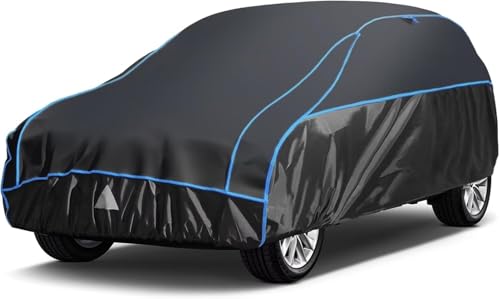
- Good Protection: Padded Covers. If a structure isn’t an option, use a specially designed hail blanket or a thick, multi-layer padded car cover. These are designed to absorb and distribute the energy from hail impacts.
- Temporary/Emergency Protection. In a pinch, you can use your own materials. Cover the horizontal surfaces (hood, roof, trunk, windshield) with thick moving blankets, comforters, or even the floor mats from your car. Be sure to secure them firmly with straps or by tucking them into doors and the trunk so the wind doesn’t blow them away.
- Strategic Planning. Use a weather radar app on your phone. If a severe storm with a hail warning is approaching, you often have 15-30 minutes to move your car to a safer location, like a public parking garage.
FAQs About can pea size hail damage a car
Can pea-sized hail damage a modern car with aluminum panels?
Yes, absolutely. Modern cars with aluminum body panels are often more susceptible to dents from small hail than older cars with thicker steel panels. Aluminum is lighter and thinner, so it has a lower yield point, meaning it can be dented with less force. While great for fuel efficiency, it makes panels more vulnerable to cosmetic damage from impacts like pea-sized hail.
Will my car insurance rates go up if I file a hail damage claim?
Generally, a single comprehensive claim for hail damage should not increase your rates. Hail is considered a “no-fault” incident or an “act of God,” meaning it was outside of your control. However, having multiple claims in a short period could lead your insurer to see you as a higher risk, which might affect your premium upon renewal.
Can pea-sized hail break a car’s windshield?
It is extremely unlikely for pea-sized hail alone to break a standard automotive windshield. Windshields are made of laminated safety glass and are very strong. However, if the hail is driven by hurricane-force winds (over 75 mph) or if the windshield already has a significant chip or crack, a direct impact could potentially cause further damage.
Is it possible to fix small hail dents myself?
DIY dent repair is very difficult and not recommended for beginners. While kits are available, professional Paintless Dent Repair (PDR) requires specialized tools and years of skill to properly massage the metal back into place without damaging the paint. A failed DIY attempt can make a professional repair more expensive or even impossible, so it’s best to consult a certified technician.
Does parking under a tree protect a car from hail?
Parking under a tree offers minimal and unreliable protection and can even be risky. While it might block some small hailstones, larger hail can still get through the leaves. More importantly, the high winds that often accompany hailstorms can cause tree limbs to break and fall, leading to far more severe damage than the hail itself. A dedicated structure is always a safer choice.
How long do I have to file a hail damage claim?
The timeframe for filing a claim varies by insurance provider and state, but it is typically between 6 months to 2 years. It’s crucial to check your specific policy documents or contact your insurance agent immediately after the storm. Do not wait, as delaying can make it harder to prove the damage was from a specific event.
Does a ceramic coating protect a car from hail?
No, a ceramic coating does not protect a car from hail dents. Ceramic coatings are designed to protect against chemical etching, UV rays, and very light scratches by creating a hard, slick surface. They offer no impact resistance. The only products that provide significant impact protection are padded hail covers or Paint Protection Film (PPF), which is much thicker.
How can I prove the hail damage was from a specific storm?
Document the damage immediately and check for weather reports. Take clear, well-lit photos of the dents and the hailstones on the ground if possible. You can then use reports from the National Weather Service or local news stations to find a public record of the hailstorm (including date, time, and location), which will support your insurance claim.
What’s the difference between cosmetic damage and structural damage?
Cosmetic damage only affects the car’s appearance, while structural damage compromises its safety and integrity. Dents from pea-sized hail are almost always cosmetic, meaning they are just dings in the outer body panels. Structural damage involves harm to the vehicle’s frame or core support system, which is typically caused by major collisions or very large hail (softball-sized or larger).
Can mothball-sized hail damage a car?
Yes, mothball-sized hail (around 0.5 inches) can definitely damage a car. This size is twice the diameter of pea-sized hail and carries significantly more impact energy. It can easily cause noticeable dings and is very likely to chip paint, even without strong winds. It represents a clear step up in risk from pea-sized hail.
Key Takeaways: Pea-Sized Hail and Car Damage Summary
- Damage is Possible but Cosmetic: Pea-sized hail (0.25″) can cause real damage, but it’s typically limited to minor dings, shallow indentations, and paint chips. It rarely causes structural issues.
- Key Factors Magnify Risk: Wind is the most significant factor. High winds dramatically increase the impact energy of small hail, turning a minor threat into a damaging one. Modern cars with thinner aluminum panels are also more susceptible than older, steel-bodied cars.
- Inspection Requires Technique: Small hail damage is often subtle. To find it, wash your car and inspect the horizontal surfaces (hood, roof) from a low angle, using reflections to reveal shallow dents that are otherwise invisible.
- Repair vs. Claim Is a Financial Decision: For minor damage, Paintless Dent Repair (PDR) is the best option. Only file an insurance claim if the total repair cost significantly exceeds your comprehensive deductible; otherwise, it’s cheaper to pay out-of-pocket.
- Protection is Key: The only guaranteed protection is a hard structure like a garage or carport. If unavailable, a padded hail blanket or multi-layer car cover is the next best option.
- Context Matters: Quarter-sized hail (1.00″) is the widely accepted threshold for severe damage that will cause significant dents on all vehicles and potentially crack glass. Pea-sized hail sits right on the edge of this damage threshold.
- Don’t Ignore Paint Damage: Even a tiny chip in the paint or clear coat can break the seal protecting your car’s metal panels. This can lead to rust and peeling paint over time if left unaddressed.
Final Thoughts on Protecting Your Vehicle From Small Hail
Ultimately, while the threat of pea-sized hail is real, it represents a manageable risk. The anxiety comes from the unknown, but you are now equipped with the knowledge to assess the situation properly. You understand that factors like wind and your car’s materials are just as important as the size of the hailstones themselves.
By knowing how to inspect for subtle damage, understanding the financial logic behind a repair, and taking simple, proactive steps to protect your vehicle, you’ve moved from a position of worry to one of control. The next time you see a storm on the horizon, you’ll have a clear plan to keep your car safe.
Last update on 2026-02-03 / Affiliate links / Images from Amazon Product Advertising API


