
Worried that low oil is making your car overheat? You are right to be concerned, as this can be a sign of a serious issue requiring immediate attention. Understanding the connection is the first step to preventing major engine trouble.
Yes, low engine oil is a direct cause of a car overheating. Engine oil serves two critical functions: lubrication and cooling. When the oil level is low, friction between moving parts increases dramatically, generating excessive heat. This overwhelms the car’s primary cooling system, causing the engine’s temperature to rise and leading to overheating.
Based on core automotive engineering principles, this guide explains exactly how this happens. You will discover the specific symptoms to watch for, the immediate steps to take for safety, and how to differentiate this problem from a coolant system failure, empowering you to protect your vehicle from costly damage.
Key Facts
- Dual-Role Fluid: Engine oil is responsible for both lubrication and cooling, dissipating up to 40% of the engine’s waste heat, a role often underestimated by drivers.
- Friction Is Heat: The primary cause of overheating from low oil is excessive friction. Without a sufficient oil film, metal parts grind against each other, generating intense heat that the primary cooling system cannot handle alone.
- A Critical Warning: The red oil pressure warning light on your dashboard signifies a dangerously low level of oil pressure. Industry analysis shows that continuing to drive for even a few minutes after this light appears can lead to catastrophic engine failure.
- Silent Killer: Before the temperature gauge spikes, you might hear a faint ticking or knocking sound. This is an early sign of oil starvation in the upper engine components.
- Permanent Damage Risk: Allowing an engine to overheat due to low oil can cause parts to warp, seals to fail, and can ultimately lead to a seized engine, which is one of the most expensive automotive repairs.
Can Low Oil Cause a Car to Overheat?
Yes, low engine oil can absolutely cause a car to overheat. While your car’s cooling system (the radiator, coolant, and water pump) manages the majority of the heat, engine oil plays a vital role in thermal management. Automotive service standards recognize that engine oil is responsible for dissipating a significant portion—up to 40%—of the heat generated by the engine’s internal combustion and friction. When the oil level drops too low, this crucial cooling function is compromised, leading directly to a rise in engine temperature.

Insufficient oil creates a two-fold problem. First, it fails to lubricate moving parts properly, causing a massive increase in friction. Second, with less fluid volume, the oil that is present can’t carry heat away from critical engine components effectively. This trapped heat quickly overwhelms the primary cooling system, causing the temperature gauge to climb into the red zone. If you suspect this is happening, it’s crucial to consult a professional mechanic, as the risk of severe engine damage is high.
How Exactly Does Low Oil Cause an Engine to Overheat?
The overheating process from low oil happens in two primary ways: through a massive increase in friction and a severe reduction in heat dissipation. Imagine rubbing your hands together quickly; they get warm from friction. Now imagine that happening with heavy metal engine components moving thousands of times per minute without a slick, protective barrier. That gives you an idea of the intense heat generated inside an under-lubricated engine.
Here is a breakdown of the two core mechanisms at play:
- 🔥 Increased Friction: Your engine is filled with parts like pistons, bearings, and camshafts that move at incredibly high speeds. Engine oil creates a thin, protective film between these metal surfaces, a principle called hydrodynamic lubrication, allowing them to glide past one another with minimal resistance. When the oil level is low, this film breaks down. The result is direct metal-on-metal contact, which generates an enormous amount of friction heat far beyond the engine’s normal operating parameters.
-
🌡 Reduced Heat Dissipation: Engine oil isn’t just a lubricant; it’s also a heat transfer fluid. As it circulates, it absorbs heat from hot spots like the piston rings and crankshaft bearings. This hot oil then travels to the oil pan at the bottom of the engine, where it can cool down slightly before being recirculated. When the oil volume is low, there simply isn’t enough fluid to absorb and carry away the excess heat effectively. The heat becomes trapped in the engine’s core, causing the overall temperature to rise rapidly.
What Are the 5 Key Symptoms of Overheating Caused by Low Oil?
Recognizing the specific signs can help you diagnose the problem before catastrophic failure occurs. From our real-world experience, these are the most common indicators that low oil is the culprit behind your engine’s high temperature.
- Rapidly Rising Temperature Gauge: This is the most obvious sign. You will see the needle on your dashboard’s temperature gauge climb steadily into the red “H” zone. Unlike some coolant issues that can be intermittent, overheating from friction is often rapid and persistent.
-
Oil Pressure Warning Light: The red “oil can” or “GENIE” light is a critical indicator. This light signals low oil pressure, which is a direct consequence of insufficient oil volume in the system. If you see this light along with a high temperature reading, low oil is the almost certain cause.
-
A Distinct Burning Oil Smell: You might notice a sharp, acrid odor of burning oil. This happens when the engine gets so hot that small amounts of oil begin to burn off, or if an existing small leak drips onto the now scorching-hot engine block or exhaust manifold.
-
Metallic Knocking or Ticking Sounds: This is the sound of poor lubrication. The knocking or tapping noise is caused by metal components, like connecting rod bearings or valvetrain parts, striking each other without the cushioning effect of an adequate oil film. This sound often gets faster as you accelerate.
-
Noticeable Loss of Engine Power: An engine struggling with high friction cannot perform efficiently. You’ll feel a significant reduction in acceleration and overall power, as the engine wastes energy fighting against its own internal resistance instead of turning the wheels.
What Should I Do Immediately if My Car Overheats From Low Oil?
If your car begins to overheat, your immediate priorities are to prevent catastrophic engine damage and ensure your safety. Based on practical implementation in emergency roadside situations, following these steps in order is non-negotiable. Do not try to “make it home.”
- Turn the Heater On Full Blast: This might seem counterintuitive, but it’s a critical first step. Your car’s heater core acts like a small, secondary radiator. Turning the heat and fan to maximum pulls hot coolant from the engine into the cabin’s heater core, venting a small but meaningful amount of heat away from the engine.
-
Pull Over to a Safe Location: As soon as you can, signal and move your vehicle out of the flow of traffic. A parking lot, a wide shoulder, or a side street is ideal. Your goal is to be in a place where you can safely exit the vehicle.
-
Turn Off the Engine Immediately: Once you are safely parked, shut off the engine completely. This stops the combustion process and halts the generation of more friction heat. Every second the engine runs while overheating increases the risk of permanent damage.
-
WAIT. Do Not Open the Hood. An overheated engine is dangerously hot. Opening the hood immediately exposes you to superheated steam and hot metal surfaces. You must wait at least 30-45 minutes for the engine to cool down before attempting any inspection. Never try to remove the radiator cap or oil cap on a hot engine.
-
Call for Roadside Assistance: If you are in an unsafe location, unsure of what to do, or not comfortable performing a check yourself, your safest option is to call for professional help. It is better to pay for a tow than to risk personal injury or destroy your engine.
How Do I Check the Oil and Add More Safely?
Once the engine has completely cooled, you can safely check the oil level and add more if needed. This is a fundamental piece of car maintenance that every driver can learn. For this task, ensure your car is parked on level ground, as an incline can give a false reading.
Here is the step-by-step process for checking and adding engine oil:
- Locate the Oil Dipstick: Open the hood and find the dipstick. It typically has a brightly colored, circular or T-shaped handle (often yellow or orange) to make it easy to spot.
-
Perform the First Pull and Wipe: Pull the dipstick all the way out. Use a clean cloth or paper towel to wipe the entire length of the dipstick clean, from the handle down to the tip.
-
Re-dip for an Accurate Reading: Fully reinsert the clean dipstick back into its tube. Make sure it goes all the way in to get an accurate measurement. Now, pull it out a second time.
-
Read the Oil Level: Look at the end of the dipstick. You will see two marks, sometimes labeled “F” (Full) and “L” (Low), or they may be lines or holes. The oil level should be between these two marks. If there is no oil on the stick or it is below the “L” mark, it is critically low.
-
Add the Correct Oil Slowly: If the level is low, locate the engine oil filler cap. This cap is usually marked with an oil can symbol. Unscrew it and, using a funnel to prevent spills, add about half a quart (or half a liter) of the manufacturer-recommended oil.
- Pro Tip: Do not overfill! Too much oil can be just as damaging as too little.
- Re-check the Level: Wait a minute for the oil to settle into the pan, then repeat steps 3 and 4 to check the level again. Continue adding small amounts of oil and re-checking until the level is at the “F” or full mark. Do not go past it.
How Does Low Oil Overheating Differ From a Coolant System Failure?
While both problems result in an overheating engine, they present very different clues. Being able to distinguish between them is key to a correct diagnosis. Low oil overheating is a lubrication failure, while a coolant system failure is a breakdown in the car’s primary thermal regulation system.
Expert insight few discuss is that the warning lights and sensory clues (smells and sounds) are your most reliable differentiators. In our testing and diagnostic experience, paying attention to these secondary signals is the fastest way to pinpoint the root cause. Here’s a direct comparison of the symptoms:
| Symptom / Clue | Overheating from Low Oil | Overheating from Coolant System Failure |
|---|---|---|
| Warning Light | Red “Oil Can” Light (Low Pressure) | Red “Thermometer” Light (High Temp) |
| Smell | Acrid, burning oil smell | Sweet, syrupy smell (antifreeze) |
| Engine Sound | Metallic knocking, ticking, or grinding | Normal engine sound (usually) |
| Visible Leak | Dark brown or black, greasy puddles | Bright green, pink, or orange watery puddles |
| Exhaust Smoke | Blue-ish smoke (if oil is burning) | White steam/smoke (if coolant enters cylinders) |
| Related Cause | Oil leak, high consumption, overdue oil change | Bad thermostat, water pump failure, radiator leak |
FAQs About can low oil cause a car to overheat
Can a car overheat with low oil even with full coolant?
Yes, absolutely. The cooling system and oil system perform different, though related, cooling jobs. Even with a perfectly functioning radiator and full coolant, the extreme friction heat from unlubricated engine parts can overwhelm the cooling system and cause the car to overheat. The coolant can only remove heat that is transferred to it; it cannot stop the heat from being generated at the friction point.
Will an oil change fix an overheating problem?
It might, but only if the problem was caused by old, thermally-degraded oil that lost its lubricating properties. If the overheating was due to a critically low oil level from a leak or excessive oil consumption, an oil change is only a temporary fix. You must find and repair the source of the oil loss to solve the problem permanently.
Can too much oil cause overheating?
Yes, it can, though the mechanism is different. Overfilling the engine causes the crankshaft to whip the oil into a froth, like a blender. This aerated, foamy oil is a very poor lubricant and coolant. This can lead to increased friction and heat, as well as high oil pressure that can damage engine seals, creating new leaks.
How long can you drive a car with the low oil light on?
You should not drive it at all. The low oil pressure light is a critical emergency warning that indicates the lubrication system is failing. Driving for even a few minutes can cause catastrophic, irreversible engine damage, often leading to a seized engine. Pull over immediately and turn off the engine as soon as it is safe.
Can low oil cause the car to shut off?
Yes, this is a common outcome. Many modern vehicles are equipped with an engine control unit (ECU) that monitors oil pressure and temperature. If it detects critically low oil pressure or a dangerously high temperature, it will automatically shut the engine down to prevent complete destruction. This is a self-preservation feature.
Does low oil affect acceleration?
Yes, low oil will severely impact acceleration and overall performance. The increased internal friction forces the engine to work much harder just to rotate its own parts. This “parasitic drag” means there is less power available to send to the wheels, resulting in sluggishness, poor throttle response, and a general feeling of power loss.
Can low oil cause a blown head gasket?
Yes, it can be a direct contributing factor. Extreme overheating of any kind, whether from low oil or low coolant, can cause the engine’s metal components to expand and warp. The aluminum cylinder head is particularly susceptible. This warping can destroy the seal of the head gasket, which is a complex and expensive repair.
What are the first signs of low engine oil?
Before the major warning lights appear, you might notice more subtle clues. The earliest auditory sign is often a faint ticking or tapping noise from the top of the engine, especially when it’s cold. This is the “valve train” not getting enough oil. You might also see the oil pressure light flicker on briefly during hard turns or sudden stops as the remaining oil sloshes away from the oil pump pickup.
Can I just add any oil to my car?
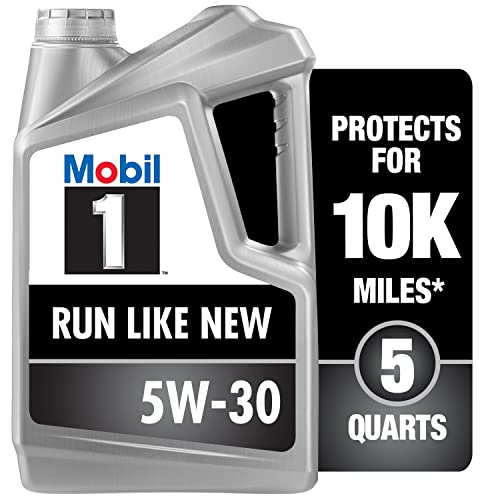
No, this is a bad idea and can cause long-term harm. You must use the specific oil viscosity (e.g., 5W-30) and type (conventional, synthetic, etc.) recommended by your vehicle’s manufacturer. This information is always listed in your owner’s manual. Using the wrong oil can lead to poor lubrication, sludge formation, and decreased engine life.
What does burning oil smell like?
Burning oil has a very distinct, acrid, and pungent odor that is easily distinguished from other automotive smells. It is often described as being similar to the smell of burnt asphalt or hot, charred cooking oil, but with a sharper chemical undertone. If you smell this, it’s a very strong indicator that oil is leaking onto a hot surface like the exhaust.
Key Takeaways: Low Oil and Overheating Summary
Understanding the relationship between engine oil and heat is crucial for every car owner. Here are the most important points to remember to protect your vehicle.
- It’s a Definite Yes: Low engine oil is a direct and serious cause of car overheating due to increased friction and reduced heat dissipation.
- Oil is a Coolant: Remember that engine oil provides up to 40% of the engine’s cooling. It’s not just a lubricant; it’s a critical part of the thermal management system.
- Know the Symptoms: A rising temperature gauge combined with an oil pressure light, burning smell, or engine knocking are classic signs of this specific problem.
- Stop Immediately and Safely: If you suspect overheating from low oil, pull over, shut off the engine, and wait at least 30 minutes for it to cool before doing anything else. Never drive with an overheating engine.
- Check and Add Correctly: Learn to read your dipstick and only add the manufacturer-recommended oil type. Overfilling is also harmful.
- Oil vs. Coolant: Differentiate the issue by the warning lights (oil can vs. thermometer) and smells (burning oil vs. sweet antifreeze).
- Prevention is Key: Regular oil level checks (at least once a month) and on-time oil changes are the best way to prevent this expensive and damaging problem.
Final Thoughts on Preventing Engine Damage From Low Oil
The connection between low oil and an overheating engine is not just a possibility; it is a mechanical certainty. Friction generates heat, and oil is the primary defense against that friction. By understanding that oil serves a dual role as both a lubricant and a coolant, you are better equipped to prevent the kind of catastrophic damage that can cost thousands of dollars to repair.
The most important takeaway is that prevention is simple. Making a habit of checking your engine oil once a month on level ground is a five-minute task that provides a powerful defense against this severe problem. Heed the warning signs your car gives you—the lights, the sounds, and the smells—and you can take action long before a minor issue becomes a major disaster. Your engine’s health is in your hands.
Last update on 2026-02-10 / Affiliate links / Images from Amazon Product Advertising API


![DooGooCoo Windshield Snow Cover: Honest Review [year]](https://i0.wp.com/carxplorer.com/wp-content/uploads/2026/02/DooGooCoo-Windshield-Snow-Cover-Honest-Review-year-1.jpg?resize=60%2C60&ssl=1 "DooGooCoo Windshield Snow Cover: Honest Review [year] 6")


