
Wondering if washing your car in 20-degree weather is a recipe for disaster? You’re not alone. Many drivers struggle with the need to remove corrosive road salt while fearing the risk of creating a car-cicle with frozen doors and locks.
Yes, you can wash your car in 20-degree weather, but it is risky and requires specific precautions. The general rule from automotive experts is to avoid washing below 32°F (0°C). At 20°F, water can freeze on contact, potentially freezing doors shut and even damaging your paint. It should only be attempted in a professional heated facility.
Based on an analysis of industry best practices, this guide details the exact risks involved. You will learn the safest methods and the critical post-wash steps you must take. This ensures you can protect your vehicle from salt without causing unintended damage.
Key Facts
- Critical Temperature Threshold: The vast majority of professional detailers agree that washing a car below 32°F (0°C) is not recommended without a heated space, as this is the freezing point of water.
- Salt’s Corrosive Power: Road salt (sodium chloride and calcium chloride) can accelerate rust formation significantly, making regular winter washing a necessity for vehicle longevity.
- Risk of Thermal Shock: Applying hot water to a frozen windshield or painted surface can cause a rapid temperature change, potentially cracking glass or the paint’s clear coat.
- Touchless Wash Advantage: In winter, touchless automatic car washes are often safer for paint as they prevent abrasive salt and grit from being dragged across the surface by brushes.
- Drying is Paramount: The single most important step after a cold-weather wash is thoroughly drying door jambs, locks, and rubber seals to prevent them from freezing solid.
Can I Wash My Car in 20-Degree Weather?
Yes, but it is generally not recommended without access to a heated space and proper drying tools. While you technically can wash your car at 20°F (-6°C), you are entering a high-risk zone. The primary concern is that water will freeze on contact with the cold surfaces of your vehicle. This can instantly freeze doors, windows, and locks shut, leaving you stranded. Automotive experts suggest that the absolute minimum temperature to consider an outdoor wash is above the freezing point of 32°F (0°C).

The main reason to even consider this risky task is to remove the highly corrosive road salt that coats vehicles in winter. This salt is a primary cause of rust and undercarriage damage. Therefore, you are caught between two choices: let the salt eat away at your car’s metal or risk freezing components shut. But is removing that salt worth the risk of a frozen door?
Understanding the “why” behind this dilemma is the first step. The damage from salt is slow but severe, while the damage from a frozen wash can be immediate. The key is to mitigate the risks of washing so you can safely combat the long-term threat of corrosion.
Why Is Washing Your Car in Winter So Important?
Washing your car in winter is essential to remove corrosive road salt and de-icing chemicals. These materials are a major cause of rust on a vehicle’s frame, undercarriage, and brake components. Left unwashed, this salty mixture accelerates the corrosion process, which can lead to expensive repairs and impact your vehicle’s safety.
Road salt, often a mix of sodium chloride and calcium chloride, works by lowering the freezing point of water. However, when this salty slush splashes onto your car, it creates an electrolyte solution. Think of it as a battery for rust; it dramatically speeds up the oxidation (rusting) process on any exposed metal. This is especially damaging to the parts of your car you can’t easily see.
Key areas vulnerable to salt damage include:
* The Undercarriage: The frame, floor pans, and suspension components are constantly bathed in salt spray.
* Brake Lines: Corrosion can weaken brake lines, creating a serious safety hazard.
* Exhaust System: Salt can quickly rust out mufflers and exhaust pipes.
* Wheel Wells and Fenders: These areas trap slush and salt, leading to rust from the inside out.
Failing to wash this salt off throughout the winter can significantly shorten the lifespan of your vehicle.
What Are the Main Risks of Washing a Car in 20-Degree Weather?
The primary risks of washing a car below freezing are frozen components that prevent access and potential damage to your vehicle’s paint and glass. Water expands when it freezes, and this expansion can exert incredible force on small, delicate parts.
Frozen Components: Doors, Locks, and Handles
This is the most common and immediate problem. Water from the wash seeps into the tiny mechanisms of your door handles, lock cylinders, and the space between your door and the car’s frame. When it freezes, you may face several issues:
* Frozen Door Locks: You can insert your key, but the internal tumblers are frozen solid and won’t turn.
* Frozen Door Handles: The handle mechanism itself freezes, preventing it from unlatching the door.
* Doors Frozen Shut: Water freezes on the rubber weather seals, effectively gluing the door to the car’s frame. Pulling too hard can tear the rubber seal, leading to a costly replacement.
Paint and Glass Damage: The Danger of Thermal Shock
Your car’s surfaces are also at risk. The danger here comes from “thermal shock,” which is a sudden, extreme temperature change that causes materials to crack.
* Cracked Windshield: Never use hot water on a frozen car. The rapid expansion from the heat hitting the cold glass can easily cause it to crack or shatter.
* Damaged Clear Coat: Your paint’s clear coat has a certain amount of flexibility (polymer elasticity). A sudden temperature change can cause it to contract too quickly, leading to micro-cracks that dull the finish and expose the paint underneath to moisture.
* Ice Expansion: Water that gets into small rock chips or crevices can freeze, expand, and make those chips even larger.
What Is the Safest Way to Wash a Car in Freezing Temperatures?
The safest ways to wash a car in freezing temperatures all involve avoiding the rapid freezing of water on the car’s surfaces. This is best achieved by using a professional car wash with a heated environment and a powerful drying system, or a heated self-service bay where you can meticulously dry the car yourself. A driveway hand wash in 20-degree weather is the riskiest method by far. But which option offers the best balance of safety, cost, and effectiveness? Let’s break it down.
How Do Different Car Wash Methods Compare in Winter?
Choosing the right method is critical for a safe winter wash. This table compares the most common options across the factors that matter most when it’s freezing outside.
| Feature/Aspect | Touchless Automatic Wash | Soft-Touch Automatic Wash | DIY Hand Wash (in Driveway) |
|---|---|---|---|
| Salt Removal | Good, especially with undercarriage spray. | Good, but brushes can hold abrasive salt. | Excellent, but requires manual effort for undercarriage. |
| Paint Safety | Excellent (no contact). | Fair (risk of micro-scratches from dirty brushes). | Good to Excellent (depends on user technique). |
| Risk of Freezing | Low (uses heated dryers). | Low to Medium (dryers are effective but not perfect). | Very High (water freezes on surfaces and ground). |
| Door/Lock Safety | Fair (forced air may not dry inside seals). | Fair (same as touchless). | Poor (high risk of water ingress and freezing). |
| Convenience | Excellent (fast and automated). | Excellent (fast and automated). | Poor (slow, requires effort and setup). |
| Cost | Medium | Medium | Low |
For most people, the touchless automatic car wash is the winning choice in sub-freezing temperatures due to its balance of safety and convenience.
How Can You Prevent Your Car from Freezing Shut After a Wash?
To prevent your car from freezing shut after a winter wash, you must focus on meticulously drying and lubricating all the vulnerable areas. Even after using a car wash’s blow dryers, residual moisture will remain in crevices. Taking five extra minutes to perform these steps is the most important part of the entire process.
- Thoroughly Dry Door Jambs & Seals: Immediately after the wash, open every door, the trunk, and the fuel door. Use a clean, dry microfiber towel to wipe down every inch of the rubber weather stripping and the painted surfaces they touch (the door jambs). Don’t forget the bottom of the doors where water pools.
Use a Blower for Hard-to-Reach Areas: A leaf blower or compressed air is an excellent tool for this. Use it to force hidden water out of your side mirrors, front grille, wheel wells, and around all door handles and lock cylinders.
Treat the Rubber Seals: Apply a thin coat of a silicone-based spray or a dedicated rubber care product to all the weather stripping you just dried. According to manufacturer recommendations, this repels any remaining moisture and prevents the rubber from sticking to the metal frame when it freezes.
Lubricate Locks and Handles: This is a crucial preventative step. Spray a small amount of lock de-icer or a dry graphite lubricant into each keyhole. This displaces any water inside the lock mechanism. Actuate the lock with your key a few times to spread the lubricant. Do the same for the moving parts inside your door handles.

FAQs About can i wash my car in 20 degree weather
What is the absolute minimum temperature to wash a car?
Most professional detailers avoid washing a car below 32-35°F (0-2°C), and consider anything below 20°F (-6°C) to be extremely risky. Below this point, water can freeze instantly on surfaces, making it impossible to wash or dry effectively and dramatically increasing the risk of frozen doors, locks, and paint damage. If a professional car wash is open in sub-freezing temperatures, it’s because they use heated facilities.
Is a touchless car wash better than a brush wash in winter?
Yes, a touchless car wash is generally considered safer for your paint in the winter. The primary reason is that the brushes in a standard “soft-touch” wash can become embedded with salt and abrasive grit from previous cars, which can cause micro-scratches on your paint. A touchless wash avoids this by using high-pressure water and strong detergents, minimizing physical contact.
How often should I wash my car in the winter?
Ideally, you should wash your car every 1 to 2 weeks during winter if roads are frequently salted. The goal is to not let corrosive salt sit on your vehicle’s surfaces for an extended period. A good rule of thumb is to wash it after any significant snowfall or when you can visibly see a layer of white salt film on the paint.
Can I just use a pressure washer to rinse the salt off?
While a pressure washer rinse is better than nothing, it’s not a complete solution. Simply rinsing with water may not fully neutralize or remove the bonded salt film. For effective salt removal, it’s best to use a quality car wash soap or a dedicated salt-neutralizing product, followed by a thorough rinse. An undercarriage spray is particularly important.
Will hot water damage my car in freezing weather?
Yes, using hot water on a frozen car is extremely dangerous and can cause “thermal shock.” A rapid, drastic change in temperature can cause your car’s cold glass to crack or shatter. It can also cause micro-fractures in the paint’s clear coat. Always use lukewarm or cool water if washing by hand in cold conditions.
Is it better to wash my car during the day or at night in winter?
It is always better to wash your car during the daytime in winter. Washing in direct sunlight, even weak winter sun, can raise the surface temperature of your car by a few crucial degrees. This helps slow down the freezing process, giving you more time to dry the vehicle properly and reducing the immediate risk of ice formation.
Does wax or ceramic coating help protect against salt?
Absolutely. A layer of wax or a ceramic coating acts as a sacrificial barrier between your car’s paint and the corrosive salt. These protective coatings prevent salt from directly contacting and bonding with the clear coat, making it much easier to wash off and significantly reducing the risk of corrosion and rust.
What should I do if my car door freezes shut after a wash?
Do not yank on the handle, as this can break the handle or tear the rubber seal. Instead, try pushing firmly on the door first to break the ice bond. If that doesn’t work, you can carefully pour lukewarm (never hot) water around the door frame to melt the ice. A de-icer spray is the safest commercial option.
Is it safe if the automatic car wash is still open when it’s 20 degrees?
Generally, yes. If a commercial car wash is open in sub-freezing temperatures, it’s because they have the necessary equipment to operate safely, such as heated wash tunnels and powerful blow dryers. However, you should still take the precaution of manually wiping down your door jambs and seals after exiting the wash.
Do I need special soap for a cold-weather wash?
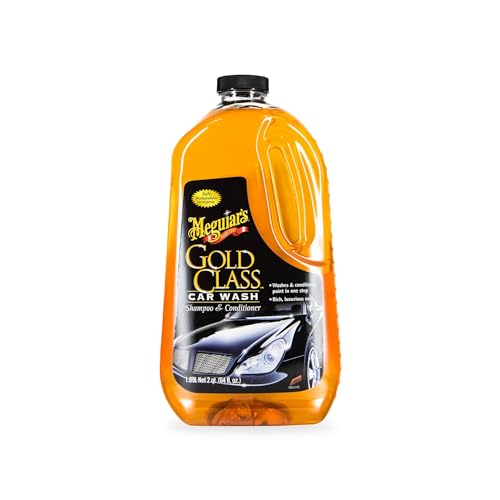
While not strictly necessary, some soaps perform better in the cold. Look for a high-lubricity, pH-neutral car soap that creates thick foam, like those used with a foam cannon. The lubrication is key to safely lifting abrasive salt and dirt off the paint without scratching. Avoid harsh detergents that can strip existing wax or sealant.
Key Takeaways: Washing Your Car in 20 Degree Weather Summary
- Risk vs. Reward: Washing your car in 20°F weather is risky but often necessary to remove corrosive road salt. The danger of frozen locks and paint damage must be weighed against the long-term risk of rust.
- Temperature is Key: Professional detailers recommend washing above 32-35°F. A wash at 20°F should only be attempted in a professional heated facility, not in a home driveway.
- Method Matters: A touchless automatic car wash with an undercarriage spray and heated dryer is the safest and most convenient option for most people in freezing temperatures.
- Drying is Non-Negotiable: The most critical step is thorough drying. Manually wipe all door jambs, rubber seals, locks, and handles with a microfiber towel to prevent them from freezing shut.
- Prevention is the Best Defense: Applying a silicone spray to rubber seals and a de-icer/lubricant to locks before they freeze is the most effective way to prevent getting locked out.
- Never Use Hot Water: Applying hot water to a frozen vehicle can cause thermal shock, leading to cracked glass and damaged paint. Always use cool or lukewarm water.
- Protect Your Paint: Applying a layer of wax or ceramic coating before winter provides a critical protective barrier against salt, making washing easier and safer.
Final Thoughts on Washing Your Car in 20 Degree Weather
Ultimately, deciding to wash your car in 20-degree weather comes down to a calculated decision between risk and necessity. While the ideal solution is to wait for a warmer day above freezing, the relentless attack of road salt doesn’t always give you that luxury. The information here empowers you to make the safest choice for your situation.
If you must wash your vehicle, prioritize using a professional heated facility and be absolutely meticulous about the post-wash drying process. Those five extra minutes of wiping down seals and lubricating locks are your best defense against a frozen-shut car. By understanding the risks and following these preventative steps, you can successfully protect your car’s finish and mechanical components from the harsh realities of winter.
Last update on 2026-03-13 / Affiliate links / Images from Amazon Product Advertising API




![Being Sued for a Car Accident Your Complete Action Guide [year]](https://i0.wp.com/carxplorer.com/wp-content/uploads/2026/03/Being-Sued-for-a-Car-Accident-Your-Complete-Action-Guide-year-2.jpg?resize=60%2C60&ssl=1 "Being Sued for a Car Accident Your Complete Action Guide [year] 12")