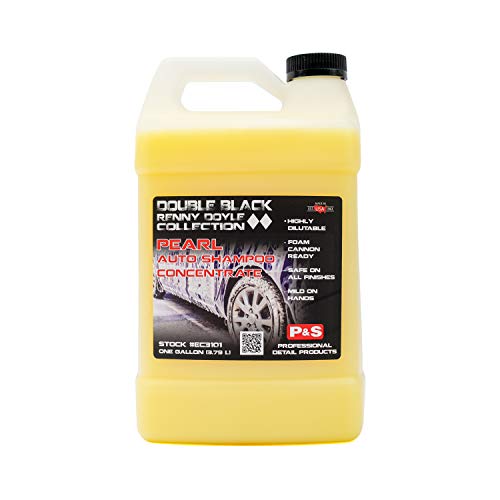
Thinking about a quick car wash and eyeing that bottle of hair shampoo? You’re not alone in wondering if it’s a safe shortcut. Many people consider it, hoping to save time and money.
While you can technically use some household shampoos to clean your car, it is not recommended as they often contain harsh detergents and lack the pH balance needed for safe automotive use, potentially stripping wax and damaging the paint’s clear coat over time. Using shampoo might remove surface dirt, but it lacks the specialized formulation of a dedicated car wash soap.
Based on an analysis of current automotive detailing best practices, this guide explains exactly why regular shampoo is a poor choice for your vehicle’s finish. You will discover the specific chemical risks involved, compare different household soaps, and learn the correct, safe alternatives to keep your car looking its best for years to come.
Key Facts
- Protective Wax Stripping: The primary risk of using household shampoo is that its harsh detergents are designed to strip oils, which will also remove your car’s essential protective wax layer, according to chemical composition analysis.
- Unbalanced pH Levels: Most hair shampoos have a pH level optimized for skin and hair (typically 4.5-6.5), which is too acidic for automotive paint that requires a neutral pH of 7-8 to prevent corrosion and clear coat degradation.
- Lack of Lubrication: Dedicated car wash soaps contain special lubricating agents that create a slick surface, allowing dirt to glide off without scratching the paint. Household shampoos lack this crucial feature, increasing the risk of swirl marks.
- Damaging Additives: Hair shampoos often contain silicones, conditioners, and oils that, while good for hair, leave a streaky, dirt-attracting film on a car’s surface, dulling its finish.
- Safer Alternatives Are Formulated Differently: Professional car wash soaps are engineered to be wax-safe, rinse clean without residue, and sometimes include polymers that enhance shine and add a layer of protection, something no household soap can do.
Can You Use Shampoo To Wash Your Car, And What Happens If You Do?
You can technically use some household shampoos to clean your car, but it is generally not recommended due to potential long-term damage to the paint and wax. While it might seem like a convenient car shampoo substitute, using shampoo may temporarily clean the surface but lacks the specialized formulations of dedicated car wash soaps needed to protect automotive finishes. Industry best practices from automotive detailing experts strongly advise against using a human shampoo car wash for regular cleaning.

The core issue lies in the chemical composition. Shampoos for hair are designed to strip oils and residue from organic fibers, a process that is far too aggressive for a car’s delicate clear coat and protective wax layer. While it might get the dirt off in a pinch, you’re trading short-term convenience for long-term paint health. Let’s break down the immediate effects you might see.
What Are The Potential Short-Term “Benefits” Of Using Household Shampoo To Wash Your Car?
In an emergency, you might notice a few temporary upsides. These perceived benefits are why the question comes up so often, but they don’t tell the whole story.
- Effective Dirt Removal: Household shampoos contain detergents (surfactants) that are very effective at breaking down and lifting away common road grime, dust, and dirt. In a pinch, it will make a dirty car look cleaner.
- Convenience and Availability: The most obvious “pro” is that you likely already have it at home. If you need a quick clean before an event and have no dedicated car soap, it’s a readily available emergency car wash solution.
- Cost-Effective Illusion: It feels like you’re saving money by not buying a specialized product. However, this is a false economy, as potential damage repair costs far outweigh the price of a proper car wash soap.
What Are The Immediate Downsides Of Using Shampoo On Your Car?
The negative consequences of washing a car with shampoo are far more significant and often appear immediately after the wash.
- Strips Protective Wax: This is the most critical and immediate downside. The powerful detergents in shampoo will strip away any wax or sealant you’ve applied, leaving your car’s paint exposed to UV rays, acid rain, and other environmental contaminants.
- Leaves Streaks and Residue: Shampoos, especially those with conditioners or silicones, are not designed to rinse cleanly from a non-porous surface like car paint. This often results in a hazy film or streaks that dull the finish, which is especially noticeable on dark-colored cars.
- Dulls the Finish: By stripping the protective, gloss-enhancing wax layer and potentially leaving a residue, the overall appearance of your car’s paint will be less vibrant and shiny. The deep, reflective look will be replaced by a flatter, dull finish.
Why Is Regular Shampoo Not Recommended For Car Washing?
Regular shampoos are not recommended for car washing because they typically have an unbalanced pH that can degrade car wax and clear coat, contain harsh detergents that strip protective layers, and lack lubrication, increasing the risk of swirl marks and scratches during washing. Unlike dedicated car wash soaps, these products are formulated for the specific biology of hair and skin, not the chemical resilience of automotive paint.
Paint science research confirms that a vehicle’s exterior finish is a multi-layered system, with the clear coat and wax acting as the primary defense. Regular shampoo compromises this entire system. From its chemical makeup to its physical properties, it is fundamentally the wrong tool for the job. Understanding these differences is key to preserving your car’s value and appearance.
How Does Unbalanced pH In Shampoo Affect Your Car’s Paint?
An unbalanced pH in shampoo, whether too acidic or too alkaline, can corrode the protective wax and sealant layers on a car, accelerating the degradation of the clear coat and making the paint vulnerable to oxidation, fading, and etching.
According to automotive paint integrity studies, car paint is most stable at a neutral pH, typically between 7 and 8 on the pH scale. Here’s how household shampoos deviate:
- Acidic Shampoos: Many shampoos, especially those with citrus or “clarifying” ingredients, are acidic. An acidic solution can begin to eat away at wax and sealants, and over time, can even etch the clear coat itself.
- Alkaline Shampoos: Stronger cleaning shampoos and degreasing products like dish soap are highly alkaline. These are even more aggressive at stripping protective layers and can dry out plastic and rubber trim, causing it to fade and become brittle.
A dedicated car wash soap is carefully formulated to be pH-neutral, ensuring it cleans dirt without chemically attacking your car’s finish.
Why Do Shampoos Strip Protective Car Wax And Sealants?
Shampoos strip protective car wax and sealants because they contain aggressive detergents, or surfactants, that are formulated to break down and emulsify oils and grease. These powerful cleaning agents, unlike those in dedicated car soaps, do not differentiate between unwanted grime and the car’s essential protective layers.
From a chemical engineer’s perspective, the process is simple. Car wax is made of oils and polymers that create a hydrophobic, sacrificial layer of protection. The surfactants in hair shampoo are designed to grab onto oils in your hair and wash them away. When applied to your car, these same surfactants attack the wax, breaking it down and washing it away just like dirt. Think of it like using strong dish soap to scrub a greasy pan—that same powerful action is what shampoo does to your car’s protective finish, leaving the paint exposed and vulnerable.
What Are The Specific Risks Of Using Different Household Shampoos On Your Car?
Different household shampoos pose specific risks to car paint: hair shampoo often leaves waxy residues, dish soap is highly aggressive at stripping protective layers due to its strong degreasing agents, and while baby shampoo is milder, it still lacks the lubrication and protective qualities of dedicated car wash soaps. Not all “shampoos” are created equal, and their intended purpose dictates the specific damage they can cause to a vehicle’s surface.
Based on chemical composition analysis, we can see a clear difference in how these products behave compared to a properly formulated car wash soap. This table breaks down the specific risks associated with the most common household alternatives.
| Feature/Aspect | Dedicated Car Wash Soap | Hair Shampoo (e.g., conditioner) | Dish Soap (e.g., Dawn) | Baby Shampoo (e.g., Johnson’s) | Laundry Detergent (e.g., Tide) |
|---|---|---|---|---|---|
| pH Balance | Neutral (7-8) | Often acidic/alkaline | Highly alkaline | Mildly acidic/neutral | Highly alkaline |
| Wax Stripping | No (wax-safe) | High (due to detergents & pH) | Very High (strong degreasers) | Medium (gentle detergents) | Very High (strong detergents & enzymes) |
| Lubrication | High (prevents scratches) | Low (can increase friction) | Very Low (no lubricity) | Low (minimal lubricity) | Very Low (no lubricity) |
| Residue/Streaks | Minimal/None (rinse clean) | High (conditioners, oils) | High (film, spots) | Low (rinses relatively clean) | Very High (film, dyes, fragrance) |
| Additives | Polymers, gloss enhancers, wax-safe | Conditioners, silicones, dyes | Strong degreasers | Tear-free agents, mild fragrances | Bleach, brighteners, dyes, enzymes |
| Long-Term Risk | None | Paint dulling, wax degradation | Clear coat damage, accelerated oxidation | Minimal immediate, long-term lack of protection | Severe paint and trim damage |
Why Is Hair Shampoo A Poor Choice For Car Washing?
Hair shampoo is a poor choice for car washing because its formulations include conditioners, waxes, and silicones that, while beneficial for hair, leave a streaky, sticky film on car paint, attracting more dirt and dulling the finish.
These additives are designed to bond with organic surfaces like hair strands, not inorganic automotive paint. When you use it on your car, you’re essentially smearing it with substances that won’t rinse away cleanly. It’s like trying to clean a window with lotion—you’ll just create a blurry mess that attracts dust. This residue can be difficult to remove and actively works against the clean, sharp reflection you want from your paint.
What Are The Dangers Of Using Dish Soap Or Laundry Detergent For Car Washing?
Dish soap and laundry detergent are dangerous for car washing because they contain extremely potent degreasers, enzymes, and brighteners formulated to strip heavy grease and stains, which will aggressively remove protective wax, dry out rubber and plastic components, and can etch or prematurely fade car paint.
These are some of the harshest cleaners in your home. Dish soap is designed to cut through baked-on food grease, a much more aggressive task than lifting road grime. Laundry detergents contain enzymes to break down organic stains and chemical brighteners to make clothes appear whiter. These powerful agents are catastrophic for a car’s finish, causing irreversible damage to paint, trim, and seals with even a single wash.
Is Baby Shampoo A Safer Alternative For Washing Your Car?
While baby shampoo is milder and less aggressive than other household detergents, making it a marginally safer emergency wash option for a car, it still lacks the specialized lubricating agents and pH-balanced formula of dedicated car wash soaps needed to protect wax, prevent scratches, and enhance shine.
Its “tear-free” formula is appealing because it suggests a gentler pH. And while it is less likely to strip wax as aggressively as dish soap, it offers no benefits. It provides almost no lubrication, meaning you’re still rubbing dirt against the paint with a higher risk of scratching. Think of it as the least bad option in a field of very bad choices—better than dish soap, but vastly inferior to a proper car wash product.
What Are The Safe & Recommended Alternatives To Household Shampoos For Car Washing?
The best alternatives to household shampoos for car washing are dedicated car wash soaps, which are pH-neutral, offer high lubrication to prevent scratches, and contain agents that preserve wax and enhance shine without damaging the paint or clear coat. Following manufacturer recommendations and professional car care guidelines is the surest way to protect your investment.
Once you understand the risks of using the wrong products, the solution becomes clear: use a product designed specifically for the task. The market offers several excellent types of safe car wash alternatives, each formulated to clean effectively while protecting your vehicle’s finish.
Why Is Dedicated Car Wash Soap The Best Choice For Your Vehicle?
Dedicated car wash soap is the best choice for vehicles because it is specifically formulated to be pH-neutral, highly lubricating to prevent scratches, and contains specialized polymers or wax-safe agents that clean effectively while preserving the car’s protective layers and enhancing its shine. According to detailing standards, these soaps are engineered with paint protection technology in mind.
Here are the key features that make it superior:
- pH-Neutral Formula: It cleans without chemically altering or damaging your car’s wax, sealant, or clear coat.
- High Lubricity: It creates an incredibly slick barrier between your wash mitt and the paint. This allows abrasive dirt particles to be lifted and swept away safely, dramatically reducing the risk of scratches and swirl marks.
- Clean Rinsing: These soaps are designed to be rinsed away completely, leaving no film, streaks, or residue behind.
- Protective Additives: Many modern car wash soaps contain gloss enhancers, polymers, or even trace amounts of wax to help boost your existing protection and leave a brilliant shine.

What Can You Use For An Emergency Car Wash When You Have No Dedicated Soap?
For an emergency car wash when dedicated soap is unavailable, plain water is the safest option to rinse off loose dirt, though it offers minimal cleaning power. As a last resort, a highly diluted solution of mild baby shampoo can be used with extreme caution, followed by immediate and thorough rinsing, understanding it will likely strip some wax.
If you are in a situation where the car must be cleaned (for example, to remove bird droppings or tree sap before it damages the paint) and you have no car soap, follow this emergency procedure:
1. First Choice: Plain Water. Use a steady stream of water to rinse the contaminant off. This is always the safest bet.
2. Last Resort: Highly Diluted Mild Soap. If water alone isn’t working, mix a very small amount—a teaspoon or less per gallon of water—of baby shampoo. Use this solution only on the affected area.
3. Rinse Thoroughly. Immediately and profusely rinse the area with clean water to remove all traces of the soap.
4. Dry and Protect. Dry the area and plan to apply a fresh coat of wax or sealant as soon as possible to restore protection.
How Do You Properly Wash Your Car To Protect Its Finish?
Properly washing your car involves using a dedicated car wash soap with the two-bucket method, washing from top to bottom with a microfiber mitt, rinsing thoroughly, and drying immediately with a clean, soft microfiber towel to prevent scratches, swirl marks, and water spots. The technique you use is just as important as the products you choose.
Following industry best practices for the washing process is the ultimate way to protect your finish. A safe and effective car wash is a systematic process designed to minimize contact between abrasive dirt and your paint. It ensures that you are only removing contaminants, not your clear coat.
What Are The Essential Steps For Washing Your Car Safely?
Following a simple, repeatable checklist ensures you avoid common mistakes and keep your car’s paint safe. This method is the standard recommended by professional detailers.
- Pre-rinse: Thoroughly pre-rinse the entire vehicle with a hose to dislodge and remove any loose dirt, grit, and debris. This step prevents you from grinding heavy contaminants into the paint.
- Prepare Two Buckets: Fill one bucket with your pH-neutral car wash soap solution and the other with plain, clean water. This is the foundation of the two-bucket method.
- Wash From Top Down: Submerge a clean microfiber wash mitt in the soapy water. Wash the car in small sections, starting from the roof and working your way down. This prevents dragging dirt from the dirtiest lower panels up to the cleaner top surfaces.
- Rinse the Mitt: After each section, rinse the dirty wash mitt in the plain water bucket before putting it back into the soapy water bucket. This isolates the dirt and keeps your wash water clean.
- Final Rinse: Once the entire car is washed, rinse it completely with a gentle stream of water, ensuring no soap residue is left behind.
- Dry Immediately: Use a large, clean, and soft microfiber drying towel to gently dry the vehicle. This prevents water spots from forming as minerals are left behind when water evaporates.
How Does The Two-Bucket Method Prevent Scratches And Swirl Marks?
The two-bucket method prevents scratches and swirl marks by dedicating one bucket for clean, soapy water and another for rinsing the wash mitt, effectively isolating abrasive dirt particles in the rinse bucket and preventing them from being transferred back onto the car’s paint during the wash.
This simple technique is a cornerstone of professional detailing. Every time your wash mitt leaves the car’s surface, it’s loaded with dirt and grit. By rinsing it in the clean water bucket first, you release those abrasive particles. When you then dip the mitt back into the soap bucket, you’re loading it with fresh, clean, and lubricating soap, not a gritty soup. Many detailers also place a “Grit Guard” at the bottom of each bucket—a plastic grid that traps dirt at the bottom and prevents it from being stirred back up onto your mitt. This reduces cross-contamination and is the single most effective way to prevent wash-induced scratches.
FAQs About can i use shampoo to wash my car
What Is The Main Difference Between Car Shampoo And Regular Shampoo?
The main difference is their formulation: car shampoo is pH-neutral and contains lubricating agents designed to protect automotive paint and wax, while regular shampoo has a pH optimized for hair/skin and contains harsh detergents or conditioners that can strip wax and leave residue on car surfaces. Car shampoos are engineered to clean effectively without damaging the clear coat, often including gloss enhancers, whereas household shampoos are not formulated for paint integrity.
Will Using Shampoo Once Seriously Damage My Car’s Paint?
While a single use of shampoo is unlikely to cause severe, irreversible damage to your car’s paint, it will almost certainly strip any protective wax or sealant layers, leaving the clear coat vulnerable to environmental damage until a new protectant is applied. Repeated use, however, can lead to accelerated oxidation, dullness, and potential etching over time due to unbalanced pH and lack of lubrication during washing.
How Can I Tell If My Car’s Wax Layer Has Been Stripped?
You can tell if your car’s wax layer has been stripped if water no longer beads up on the surface, but instead sheets flat across the paint, indicating a lack of hydrophobic protection. Additionally, the paint might feel rougher to the touch, and its shine could appear less vibrant or dull, lacking the deep gloss provided by a protective layer.
Are There Any Household Items That Are Safe For Car Washing?
Generally, very few household items are truly “safe” for car washing in the long term, as most lack the necessary pH balance and lubrication. Plain water for rinsing is safe but not a cleaning agent. Some mild, pH-neutral hand soaps or highly diluted baby shampoo can be an absolute last resort for an emergency spot clean, but dedicated car wash soap is always superior.
Why Do Some People Still Recommend Baby Shampoo For Cars?
Some people recommend baby shampoo for cars because its “tear-free” formula indicates a milder, less irritating pH than many other household cleaners, making it seem like a gentler alternative. However, despite its mildness, baby shampoo still lacks the crucial lubrication and specific protective agents found in dedicated car wash soaps that are essential for safe, scratch-free cleaning of automotive finishes.
What Should I Do Immediately If I Accidentally Washed My Car With Regular Shampoo?
If you accidentally washed your car with regular shampoo, immediately rinse the entire car thoroughly and repeatedly with clean water to remove all soap residue, then dry it with a soft microfiber towel to prevent water spots. After drying, inspect the paint for any visible damage or dullness, and promptly reapply a fresh layer of car wax or sealant to restore the lost paint protection.
Can Regular Shampoo Damage My Car’s Rubber Seals Or Plastic Trim?
Yes, the harsh detergents and imbalanced pH levels found in many regular shampoos can dry out and degrade your car’s rubber seals and plastic trim over time, leading to cracking, fading, and a brittle appearance. These components are particularly susceptible to chemical damage not designed for automotive surfaces.
Is “No-Rinse” Car Wash Product A Good Alternative To Traditional Shampoos?
Yes, “no-rinse” car wash products can be an excellent alternative, especially for light dirt and maintenance washes, as they use advanced polymers to encapsulate dirt, making it safe to wipe away without stripping wax or requiring excessive water. They are specifically formulated for automotive finishes and offer a safe, efficient cleaning solution when used correctly.
How Often Should I Reapply Wax After Washing With A Non-Car Shampoo?
If you’ve used a non-car shampoo, you should ideally reapply wax immediately after the wash, as it’s highly likely that the shampoo stripped away your existing protective layer. Regular car wax typically provides protection for several weeks to months, but any household detergent will significantly shorten its lifespan or remove it entirely.
What Are The Long-Term Effects Of Consistently Using Household Shampoo On My Car?
The long-term effects of consistently using household shampoo on your car include accelerated degradation of the clear coat, premature fading and oxidation of the paint, increased susceptibility to scratches and swirl marks due to lack of lubrication, and drying out/cracking of rubber and plastic components. This will severely diminish your car’s aesthetic appeal and resale value.
Key Takeaways: Can I Use Shampoo To Wash My Car Summary
- Avoid Regular Household Shampoos: Hair shampoo, dish soap, and laundry detergent are not formulated for automotive paint. They contain harsh chemicals that strip protective wax, degrade clear coat, and leave damaging residues.
- pH Imbalance Is a Major Risk: The pH levels in regular shampoos are often too acidic or alkaline for car paint. This accelerates corrosion and the breakdown of protective layers, which is crucial according to paint integrity studies.
- Lack of Lubrication Causes Damage: Unlike dedicated car wash soaps, household shampoos lack sufficient lubricating agents. This increases friction during washing, making your car highly susceptible to scratches and swirl marks.
- Baby Shampoo Is Milder, But Not Ideal: While less harsh, baby shampoo still lacks the necessary pH balance and lubricating properties of specialized car soaps, making it only a last-resort emergency car wash solution.
- Dedicated Car Wash Soap Is Essential: Always choose a dedicated car wash soap that is pH-neutral, highly lubricating, and designed to clean effectively while preserving your car’s wax for proper car care.
- Follow Proper Washing Techniques: Employing the two-bucket method, using a microfiber wash mitt, and drying immediately with a soft towel are critical steps to prevent damage, even with the right products.
- Reapply Protection After Accidental Use: If you use household shampoo, rinse thoroughly and reapply a fresh layer of wax or sealant immediately to restore paint protection and mitigate any strip wax damage.
Final Thoughts on Can I Use Shampoo To Wash My Car
While the convenience of grabbing a bottle of household shampoo is tempting, the evidence is clear: it’s a shortcut that leads to long-term damage. The fundamental mismatch in chemical composition—from pH levels and detergents to the utter lack of lubrication—puts your car’s expensive finish at risk. Preserving your vehicle’s paint, shine, and value starts with using the right products.
Investing in a quality, dedicated car wash soap and employing proper techniques like the two-bucket method isn’t an unnecessary expense; it’s the most effective insurance for your car’s appearance. By understanding the science behind what makes a car wash safe, you can confidently protect your vehicle and keep it looking brand new for years to come.
Last update on 2026-04-10 / Affiliate links / Images from Amazon Product Advertising API