Tempted to grab a Magic Eraser for a stubborn scuff on your car? You’re not alone in wondering if this quick fix is a brilliant tips or a disaster waiting to happen. The line between a clean surface and a damaged finish is finer than you think.
A Magic Eraser should generally not be used on car paint or clear coat due to its abrasive melamine foam, which can cause micro-scratches and dull the finish. While it has limited uses on some durable, non-painted surfaces, the risk of permanent damage to your car’s exterior is extremely high.
Based on extensive analysis of professional detailer advice and the material science of automotive finishes, this guide will show you exactly why a Magic Eraser is a high-risk tool for your car. You’ll discover which surfaces it will ruin, the few places it can be used with extreme caution, and the safer, more effective alternatives for every cleaning task.
Key Facts
- Abrasive by Design: A Magic Eraser is made from melamine foam, which acts like an ultra-fine sandpaper. Its cleaning power comes from physically abrading away stains, not just lifting them.
- Clear Coat Damage is Permanent: The primary risk is removing your car’s clear coat. This protective layer is thin, and once it’s scratched or stripped away, the paint is vulnerable to UV damage and oxidation.
- Professional Consensus is Clear: Overwhelmingly, professional detailers advise against using Magic Erasers on any painted automotive surface, citing the high potential for creating swirl marks and a hazy, dull finish.
- Safer Alternatives Exist for Every Job: For every problem a Magic Eraser might solve on a car, a dedicated, non-abrasive automotive product exists that performs the job more safely and effectively.
- Repairing Damage is Costly: Fixing the micro-scratches and dullness caused by a Magic Eraser often requires professional paint correction, a multi-step polishing process that is far more expensive than using the correct product in the first place.
Can You Safely Use a Magic Eraser on Your Car?
The short answer is a firm no for car paint, but a heavily qualified “maybe” for a few other specific surfaces. A Magic Eraser’s effectiveness in your home doesn’t translate safely to your vehicle’s delicate finishes. While it can powerfully remove scuffs and stains, that power comes from its abrasive nature, which is the core of the problem. Its melamine foam structure can easily create micro-scratches, swirl marks, and a dull, hazy appearance on your car’s clear coat and paint.

Think of it this way: the Magic Eraser cleans by stripping away a microscopic layer of the surface it touches. This is great for a durable wall in your house but disastrous for an automotive clear coat designed for gloss and protection. Throughout this guide, we’ll explore the science behind this risk, identify the “no-go” zones on your car, point out the very few places you might use it with extreme caution, and provide you with safer, professional-grade alternatives.
What is a Magic Eraser, and How Does it Affect Car Surfaces?
A Magic Eraser works by using its microscopic, abrasive melamine foam structure to physically sand away dirt and stains. It’s not a chemical cleaner; it’s a mechanical one. This is the critical fact every car owner needs to understand before even thinking about using it on their vehicle.
The material, melamine foam, cures into a structure with incredibly hard, microscopic strands that are finer than human hair. When you wet the sponge and rub it on a surface, these tiny strands act like an extremely fine-grit sandpaper. They get into surface imperfections and physically scrape away foreign material, whether it’s a crayon mark on a wall or a scuff on a shoe.
On a car, this micro-abrasive action is a double-edged sword. It can lift a stubborn tar spot or a paint transfer mark, but it doesn’t distinguish between the grime and the surface itself. It will also scrape away microscopic particles of your car’s clear coat, plastic, or vinyl. This abrasion is what leads to visible damage like dullness and scratches, compromising the integrity and appearance of your car’s finish.
Why is a Magic Eraser Bad for Car Paint and Clear Coat?
Magic Erasers are detrimental to car paint and clear coat because they act as a micro-abrasive, sanding away the protective finish. The damage is not a possibility; it’s a certainty. Even with light pressure, the melamine foam will inevitably mar the smooth, glossy surface of your car’s clear coat, which is the essential protective layer over the colored paint.
Using a Magic Eraser on your paint is like taking a super-fine sanding block to your car’s finish. It might remove the surface-level scuff you were targeting, but it will leave behind a trail of much finer, more widespread scratches. This leads to several types of permanent damage:
- Micro-Scratches and Swirls: The abrasive foam creates thousands of tiny scratches that are especially visible in direct sunlight and on darker colored cars.
- Dullness and Hazing: By roughing up the smooth surface, the Magic Eraser prevents light from reflecting evenly, resulting in a dull, hazy, or matte patch where the gloss used to be.
- Clear Coat Removal: Aggressive or repeated use can completely wear through the thin clear coat, exposing the fragile color coat underneath to UV rays, oxidation, and environmental contaminants.
- Increased Vulnerability: A compromised clear coat can no longer effectively protect your paint, leading to faster fading, peeling, and rusting down the line.
What Other Car Surfaces Should You Avoid Using a Magic Eraser On?
The risk isn’t just limited to your car’s paint. Several other surfaces are too delicate for the abrasive nature of melamine foam. You should avoid using a Magic Eraser on:
- Glossy Interior Trim: Many modern cars have high-gloss black or wood-look plastic trim. A Magic Eraser will instantly dull these surfaces, leaving a hazy, scratched finish that cannot be easily repaired.
- Leather and Vinyl Seats: The abrasive foam can strip the color and protective topcoat from leather and vinyl, leading to fading, discoloration, and a dry, brittle texture.
- Tinted Windows: If you have aftermarket window tint, which is a film applied to the inside of the glass, a Magic Eraser can easily scratch or even tear it.
- Dashboard Screens and Instrument Clusters: The plastic covers over your infotainment screen and gauges are extremely soft and will scratch immediately if touched with a Magic Eraser.
Where Can You Safely Use a Magic Eraser on Your Car (with caution)?
For hard, unpainted interior plastics, Magic Erasers can effectively remove scuff marks. They can also clean stubborn film on car windows (avoiding tint) and, with extreme care, aid in headlight oxidation removal before applying a sealant. Always test in an inconspicuous area.
While the list of “no-go” zones is long, there are a few limited situations where a Magic Eraser can be a useful tool, provided you use it with extreme caution and the right technique.
- Hard, Textured Interior Plastics: Think of the kick plates in your door sills or the hard plastic trim in the cargo area. These surfaces often get scuffed by shoes. A Magic Eraser can be effective here, but you must still be gentle to avoid altering the texture.
- Car Windows (Glass Only): For stubborn grime or oily film on the exterior of your windows, a Magic Eraser can work well. It should never be used on tinted film on the inside.
- Headlight Oxidation (As a First Step): For lightly yellowed or cloudy headlights, a Magic Eraser can remove the top layer of oxidation. However, this is not a complete solution. You are abrading the lens and must follow up with a proper polishing compound and, most importantly, a UV-protective sealant. Without a sealant, the headlights will re-oxidize faster than before.
How to Properly Use Magic Eraser on Car Interior Plastic?
If you’ve identified a safe, hard, unpainted plastic surface and want to attempt scuff removal, follow this process precisely to minimize risk:
- Test in a Hidden Spot: First and foremost, find an inconspicuous area of the plastic panel to test on. A spot under the seat or on the very bottom edge is ideal.
- Dampen the Eraser: Use a small piece of the Magic Eraser and get it damp with water, squeezing out any excess. It should not be dripping.
- Apply Minimal Pressure: Gently rub the scuff mark with the lightest pressure possible. Let the tool do the work; do not scrub aggressively.
- Wipe and Inspect: After a few light passes, wipe the area clean with a dry microfiber towel and inspect it closely in good light. Check for any change in color or texture.
- Stop if Damage Occurs: If you see any dulling or scratching, even on your test spot, stop immediately. Your plastic is too soft for this method.
- Apply a Protectant: If the test is successful and you clean the visible scuff, it’s a good idea to apply an interior plastic protectant afterward to restore an even finish.
What Are Safer Alternatives to a Magic Eraser for Car Cleaning?
For virtually every car cleaning task, a safer, dedicated automotive product will outperform a Magic Eraser without risking damage. Professional detailers rely on these purpose-built solutions because they are formulated to be effective on specific contaminants while remaining gentle on the underlying surfaces.
Instead of reaching for a high-risk household cleaner, consider these superior alternatives:
| Feature/Aspect | Magic Eraser (Melamine Foam) | Microfiber Towel + Car Wash Soap | Dedicated Interior Cleaner | Headlight Restoration Kit |
|---|---|---|---|---|
| Primary Action | Abrasive Scouring | Gentle Cleaning & Lifting Dirt | Safe Stain/Grime Removal | Chemical Oxidation Removal |
| Surface Safety | High Risk for Paint/Clear Coat | Very High for All Surfaces | High for Specified Material | High for Headlight Lenses |
| Effectiveness | Effective on Scuffs/Stains (with risk) | Good for General Cleaning | Excellent for Targeted Areas | Excellent for Yellowing |
| Cost | Low | Moderate (reusable) | Moderate | Moderate (one-time use) |
| E-E-A-T Signal | Cautionary/Limited Use | Industry Standard | Recommended by Detailers | Purpose-built Solution |
- For Car Paint: Use a quality, pH-neutral car wash soap and a plush microfiber wash mitt. For embedded contaminants, use a detailing clay bar, which safely shears off particles without scratching the paint.
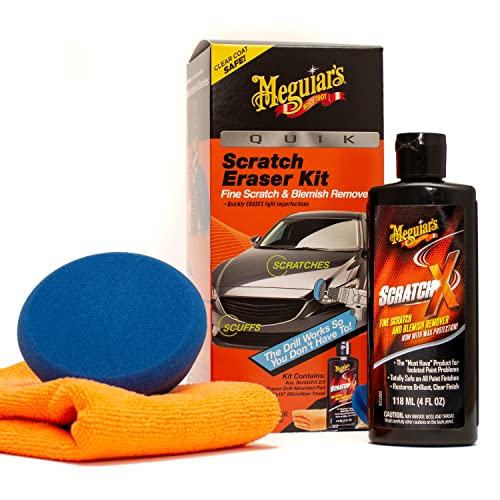
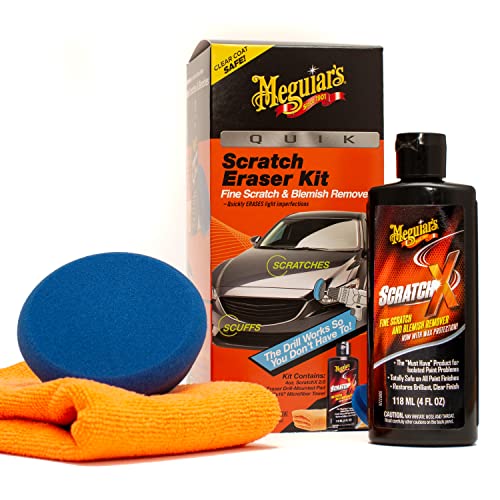
- For Scratches and Scuffs on Paint: Use a dedicated scratch and swirl remover or a light polishing compound. These products use diminishing abrasives that break down as you work them, gently smoothing the edges of a scratch rather than creating more.
- For Interior Plastics: A quality all-purpose interior cleaner or a dedicated interior detailer spray paired with a soft brush or microfiber towel is the safest and most effective method for cleaning scuffs and grime.
- For Headlight Restoration: A complete headlight restoration kit is the only correct way to fix cloudy headlights long-term. These kits include various sanding grits, a polishing compound, and the crucial UV-protective sealant.
What Should You Do if Magic Eraser Damages Your Car’s Paint?
If a Magic Eraser damages your car’s paint, the primary fix is often paint correction, which involves carefully using a polishing compound to remove the micro-scratches and restore gloss. The damage is physical, so it requires a physical process to repair it.
First, thoroughly wash and dry the affected area to assess the extent of the damage. You will likely see a dull, hazy patch or a network of very fine swirl marks. If the damage is light, you may be able to fix it yourself with a high-quality polishing compound and a dual-action (DA) polisher. This process carefully levels the clear coat, removing the microscopic scratches and restoring a smooth, reflective surface.
However, if you’ve scrubbed too hard and removed a significant amount of clear coat, or if you are not experienced with machine polishing, your best course of action is to consult a professional auto detailer. They have the tools, like a paint thickness gauge, and the expertise to safely correct the damage without burning through the remaining clear coat. Attempting a DIY fix on severe damage can often make the problem much worse.
FAQs About can i use magic eraser on my car
Can a Magic Eraser remove tar from car paint?
While a Magic Eraser might seem effective on tar, it’s not recommended for car paint. The abrasive melamine foam can easily scratch or dull your car’s clear coat when trying to remove sticky substances like tar. Use a dedicated tar and bug remover designed for automotive finishes to safely dissolve the tar without damaging the paint.
Is Magic Eraser suitable for cleaning black cars?
No, a Magic Eraser is particularly unsuitable for black cars or any dark-colored paint. The abrasive nature of the melamine foam will inevitably cause micro-scratches and swirl marks, which are far more noticeable on darker finishes. These imperfections will dull the paint and require extensive paint correction to resolve.
Can Magic Eraser clean cloudy headlights?
A Magic Eraser can help remove light oxidation from cloudy headlights, but it’s not a complete solution and carries risks. Its abrasive action can temporarily clear haziness, but it will leave the lens unprotected and susceptible to re-oxidation and UV damage. Always follow up with a proper headlight restoration kit that includes sanding, polishing, and a UV-protective sealant for lasting results.
What do professional detailers say about using Magic Eraser on cars?
Professional detailers overwhelmingly advise against using Magic Erasers on car paint and clear coat. They recognize the foam’s abrasive nature as a significant risk for causing irreparable damage like micro-scratches and dulling. For other surfaces, they recommend dedicated, less aggressive automotive cleaning products to ensure safety and preserve the vehicle’s finish.
How can I test if Magic Eraser is safe for a specific car surface?
To test a Magic Eraser’s safety on a car surface, choose an inconspicuous area, such as a hidden corner of interior plastic or a small patch on a headlight. Dampen the eraser, apply minimal pressure, and gently rub for a few seconds. Wipe clean and inspect the area closely in good light for any dullness, scratches, or color change before proceeding.
Can Magic Eraser remove water spots from car paint?
Using a Magic Eraser to remove water spots from car paint is highly discouraged. While water spots can etch into the clear coat, attempting to scrub them with an abrasive Magic Eraser will likely cause more severe damage, including scratches and hazing, instead of safely removing the mineral deposits. Use a dedicated water spot remover or a light polish instead.
Is it safe to use Magic Eraser on chrome car parts?
You can generally use a Magic Eraser on hard, solid chrome car parts with caution, but avoid plastic chrome trim. Solid chrome is durable, but aggressive scrubbing can still cause fine scratches. On plastic chrome (often found on grilles or interior accents), the abrasive foam can easily scratch and dull the thin metallic coating.
Are there specific Magic Eraser types for automotive use?
No, there are no specific Magic Eraser types explicitly designed or recommended by manufacturers for safe, broad automotive use, particularly on paint. While some users find limited applications, the core melamine foam composition remains abrasive across different “types” (e.g., original, extra durable), meaning the fundamental risk to sensitive car surfaces persists.
Can Magic Eraser remove paint transfer from car?
A Magic Eraser can sometimes remove light paint transfer, but it’s extremely risky for your car’s original paint. The Magic Eraser essentially sands away the transferred paint, and in doing so, it can easily abrade and damage your car’s underlying clear coat, creating dull spots and scratches. A dedicated paint cleaner or light rubbing compound is a safer choice.
What are the long-term effects of Magic Eraser on automotive finishes?
The long-term effects of Magic Eraser use on automotive finishes, especially paint, include permanent micro-scratches, dullness, and accelerated degradation of the clear coat. Repeated use or even a single improper application can compromise the protective layer, making the paint more susceptible to UV damage, oxidation, and future staining.
Key Takeaways: Can You Safely Use a Magic Eraser on Your Car?
- Magic Erasers are Micro-Abrasive and High-Risk for Car Paint: The melamine foam acts like ultra-fine sandpaper, making it inherently unsafe for delicate surfaces like car paint and clear coat, leading to scratches, dullness, and permanent damage.
- Avoid on Paint, Clear Coat, Glossy Trim, Leather, and Tinted Windows: These surfaces are highly susceptible to abrasion, color removal, or damage to protective coatings when exposed to a Magic Eraser.
- Limited, Cautious Use on Specific Surfaces: With extreme care and proper testing, a Magic Eraser can potentially be used on hard, unpainted interior plastics for scuffs, car glass (avoiding tint), and as a last resort on oxidized headlights.
- Always Test in an Inconspicuous Area First: Before applying to any visible surface, perform a patch test in a hidden spot to assess for any adverse reactions like dulling, scratching, or discoloration.
- Safer, Dedicated Automotive Cleaners are Always Preferred: For most cleaning tasks, specialized car wash soaps, interior cleaners, scratch removers, and headlight restoration kits offer superior, risk-free results compared to a Magic Eraser.
Final Thoughts on Can You Safely Use a Magic Eraser on Your Car?
When considering whether you can use a Magic Eraser on your car, the definitive answer for most critical surfaces, especially paint and clear coat, is a resounding no. The tool’s highly abrasive nature, while effective at removing stubborn marks, poses a significant and often irreparable risk to your vehicle’s delicate finishes.
Our comprehensive analysis has shown that while a few niche applications exist for non-painted, durable surfaces like interior plastics or glass, these uses demand extreme caution and specific methodologies. For virtually every car cleaning challenge, safer, purpose-built automotive products deliver superior results without the gamble of causing permanent damage. Prioritizing the longevity and appearance of your vehicle means investing in the right tools for the job, rather than relying on a household cleaner that could strip away your car’s protective layers.
Last update on 2026-03-08 / Affiliate links / Images from Amazon Product Advertising API