
Wondering if you can use dish soap to wash your car? You’re not alone when that bottle of car soap is empty and the Dawn looks tempting. This is a common question among car owners looking for a quick fix.
While you can physically use dish soap to wash a car, automotive experts do not recommend it for regular cleaning because its powerful degreasing agents strip away essential protective coatings like wax and paint sealants. This process leaves your car’s paint vulnerable to environmental damage, oxidation, and scratches.
Based on analysis of expert guidance from professional detailers and automotive authorities, this guide explains the full truth. You will discover exactly why dish soap is harmful, the specific risks involved, and the safe, effective alternatives that protect your vehicle’s finish for the long term.
Key Facts
- Strips Protective Layers: The primary function of dish soap is to remove grease and oils, which includes the beneficial wax and sealant coatings on your car’s paint.
- Alkaline pH Level: Dish soap is not pH-neutral. Research shows its pH level is typically between 8.7 and 9.3, making it alkaline and harsh on automotive surfaces.
- Lacks Lubrication: Unlike proper car wash soap, dish soap contains no lubricating agents, significantly increasing the risk of dragging dirt across the paint and causing swirl marks or fine scratches.
- Expert Consensus is Against Regular Use: Authoritative sources like Consumer Reports and professional detailing brands like Chemical Guys strongly advise against using dish soap for routine car washing.
- Used for Paint Prep: The one accepted use for dish soap in detailing is as a “stripping wash” to intentionally remove old layers of wax before a full paint correction and application of new protection.
Can You Use Dish Soap to Wash a Car?
The direct answer is yes, you can, but you absolutely should not for regular washing. While a non-abrasive dish soap like Dawn will effectively clean dirt and grime from your car, its formulation is fundamentally wrong for automotive paint. The very properties that make it a champion in the kitchen—its powerful grease-cutting abilities—are what make it a poor choice for your vehicle’s exterior. Think of it as using a harsh laundry detergent to wash your hair; it will get it clean, but it will also strip away all the natural oils, leaving it dry and unprotected.

Automotive experts and manufacturers of car care products are nearly unanimous in their advice: reserve dish soap for dishes. A single wash in an emergency situation is unlikely to cause immediate, visible damage. However, it effectively undoes the protection you or your detailer have carefully applied. The core issue is that Dish Soap is a degreaser designed to strip everything from a surface, including the Car Wax and Paint Sealant that act as a sacrificial barrier for your car’s delicate Clear Coat.
Using dish soap even once removes this vital protection, leaving the paint exposed to the elements. This includes harmful UV rays from the sun, acid rain, bird droppings, and road grime. Without its protective layer, the paint’s clear coat can begin to oxidize and fade much more quickly. For this reason, sticking to a product designed for the job is always the best practice for maintaining your vehicle’s health and appearance.
Why Is Dish Soap Formulated Differently Than Car Wash Soap?
The primary difference is their pH level and specialized ingredients. Dish soap is an alkaline degreaser engineered to attack and dissolve tough, baked-on food and grease. A dedicated car wash soap, on the other hand, is a pH-neutral cleaner formulated to gently lift dirt without harming the sensitive surfaces of a vehicle.
Let’s break down the two core differences:
- pH Level (The Chemical Power): The pH scale measures how acidic or alkaline a substance is. A pH of 7 is neutral. Dish soap is alkaline, typically with a pH between 8.0 and 9.5, which is what gives it the chemical force to strip oils and waxes. In contrast, a quality
Car Wash Soapis formulated to be pH-neutral, sitting right around 7.0. This neutrality allows it to be an effective cleaner without chemically stripping the protectiveCar Waxlayer. - Lubrication (The Physical Protection): This is a critical factor many people overlook. Car wash soaps are packed with special lubricating agents that create a slick, slippery surface. This allows your wash mitt to glide smoothly over the paint, lifting dirt particles and encapsulating them so they can be rinsed away safely. Dish soap lacks these lubricants. Without them, you are essentially rubbing abrasive grit and dirt directly against your car’s finish, which is a primary cause of fine scratches and swirl marks.
Here is a clear comparison of their intended functions and formulations:
| Feature | Dish Soap (e.g., Dawn) | Dedicated Car Wash Soap |
|---|---|---|
| Primary Purpose | Strip tough grease and food from dishes | Gently clean automotive paint |
| pH Level | Alkaline (8.0 – 9.5) | pH-Neutral (~7.0) |
| Effect on Wax/Sealant | Strips and removes the protective layer | Preserves and maintains the layer |
| Lubrication | Minimal to none | High (prevents scratches) |
| Rinsing | Can be difficult to rinse completely, may leave a film | Formulated for easy, spot-free rinsing |
| Safety on Trim | Can dry out and fade plastic/rubber over time | Safe for all exterior automotive surfaces |
What Are the Specific Risks of Washing a Car with Dish Soap?
Using dish soap introduces several specific risks that can degrade your vehicle’s appearance and long-term paint health. From stripping protection to dulling the finish, the damage, while not always immediate, is cumulative and works against your efforts to keep your car looking its best. Here are the main consequences professional detailers warn against.
Risk 1: It Strips All Forms of Protection
This is the most significant and immediate risk. Your car’s paint has a protective layer, whether it’s a traditional carnauba Car Wax, a synthetic Paint Sealant, or a spray-on coating. These layers are designed to be a sacrificial barrier. They take the brunt of environmental abuse so your clear coat doesn’t have to. Dish soap, as a powerful degreaser, does not distinguish between unwanted grease and desirable protective oils and polymers, so it removes them completely. This leaves your paint naked and vulnerable from the moment you rinse the soap off.
Risk 2: It Accelerates Paint Oxidation and Fading
Once the protective wax layer is gone, the Clear Coat is directly exposed to the elements. The most damaging of these is ultraviolet (UV) radiation from the sun. Prolonged UV exposure on an unprotected clear coat leads to oxidation, which breaks down the paint and causes it to look dull, hazy, and faded. That brilliant shine your car once had will diminish with every wash. The wax or sealant you apply is formulated with UV inhibitors to prevent this, and using dish soap effectively removes this critical shield.
Risk 3: It Damages Plastic and Rubber Trim
The negative effects aren’t limited to your paint. The harsh detergents in dish soap can pull the protective oils and conditioners out of porous Plastic/Rubber Trim pieces. This includes your window seals, bumper trim, and mirror housings. Over time, this drying effect can cause the black and grey trim on your car to fade to a chalky, greyish color and can even make rubber seals brittle and prone to cracking. A proper car soap is gentle enough to be used on all exterior surfaces without causing this type of damage.
Is It Ever Okay to Use Dish Soap on a Car?
While the rule is to avoid it for regular washing, there are a couple of very specific scenarios where automotive detailers might intentionally use dish soap. These are exceptions, not the rule, and understanding their purpose shows why it’s not for routine cleaning.
Scenario 1: As a Paint Prep Stripping Wash
The most common professional use for dish soap is as an intentional “stripping wash” before a major paint correction or detailing job. If the goal is to remove every trace of old wax, sealant, and oily residue to prepare the surface for polishing or a new ceramic coating, a wash with a small amount of dish soap is very effective. This ensures the new protective layer can bond directly to the clear coat for maximum durability.
⚠️ Pro Caution: This is an advanced step in a multi-stage process. It should always be followed immediately by, at minimum, a new application of wax or sealant. Never perform a stripping wash and then leave the paint unprotected.
Scenario 2: In a True Emergency
Imagine you’ve just returned from a road trip and your car is caked in bugs and grime, and you have no car soap. In a true one-time emergency, using a very small, heavily diluted amount of mild dish soap is less harmful than letting corrosive substances like bird droppings or bug guts bake into your paint. However, this should be seen as a last resort. You must rinse the vehicle extremely thoroughly and commit to applying a new coat of wax as soon as possible to restore the protection you’ve just stripped away.
How Does Dish Soap Affect Modern Ceramic or Graphene Coatings?
You should not use dish soap to maintain a Ceramic/Graphene Coating. This question represents an important evolution in car care. These modern coatings are a form of semi-permanent, chemically-resistant protection that is far more durable than traditional waxes.
While a single wash with dish soap is unlikely to remove a professionally installed Ceramic Coating (they are too tough for that), repeated use is still detrimental. The harsh detergents and potential residues in dish soap can degrade the coating’s top layer over time, diminishing its performance. More importantly, it can cause “clogging” of the surface, where a film is left behind that masks the coating’s hydrophobic (water-beading) properties. Your expensive coating will stop repelling water as effectively, making it seem like it has failed.
The Bottom Line: You’ve invested in advanced protection. Protect that investment by using a dedicated, pH-neutral shampoo designed to be safe for coatings.
What Are The Safest & Best Alternatives for Washing Your Car?
Now that you understand the risks of dish soap, choosing the right alternative is simple. The goal is to find a cleaner that is tough on dirt but gentle on your car’s paint and protective layers. Here are the best solutions in order of preference.
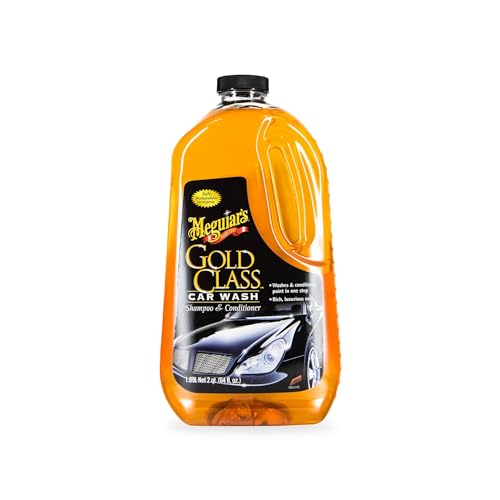
Best Choice: pH-Neutral Car Wash Soap
The safest and most effective product is a dedicated, pH-neutral Car Wash Soap. This is the undisputed champion for vehicle maintenance. These soaps are specifically engineered for automotive use and offer several key benefits:
* Safe Cleaning: Their pH-neutral formula cleans dirt and grime without stripping wax or sealants.
* High Lubricity: They are rich in lubricating agents that prevent scratches and swirl marks during the wash process.
* Spot-Free Rinsing: They are designed to rinse away cleanly without leaving a residue or film.
* Surface Safe: They are safe for all exterior surfaces, including paint, plastic, rubber, and glass.

Better Emergency Choice: Baby Shampoo
If you’re in a pinch and have no car soap, Baby Shampoo is a much safer emergency alternative than dish soap. Like car soap, baby shampoo is formulated to be pH-neutral and gentle to avoid irritating a baby’s skin and eyes. While it lacks the powerful cleaning agents and advanced lubricants of a dedicated car soap, it will provide some cleaning power without aggressively stripping your car’s wax protection. It’s a far better “lesser of two evils” in an emergency situation.
FAQs About can i use dish soap to wash car
What happens if I washed my car with dish soap once?
A single wash with dish soap is unlikely to cause any permanent damage to your car’s paint or clear coat. However, it will most likely have stripped off any wax or sealant that was on the vehicle. Your car will be clean, but its paint will be unprotected from the elements. It is highly recommended to apply a new coat of wax or paint sealant as soon as possible to restore that protective layer.
Can you use Dawn Powerwash to wash a car?
No, you should not use Dawn Powerwash for a regular car wash. Powerwash is an even more concentrated degreaser than regular dish soap, designed to cut through baked-on grease. While it can be effective for cleaning extremely dirty wheels and tires (if rinsed thoroughly), it is far too aggressive for car paint and will rapidly strip all forms of protection and potentially dry out plastics.
How much dish soap is safe to use in an emergency?
If you absolutely must use dish soap in an emergency, use the smallest amount possible. A good guideline is no more than one teaspoon (about 5ml) of mild dish soap (like original blue Dawn) in a 3-5 gallon bucket of water. The goal is to create minimal suds, just enough to add some cleaning ability to the water without being overly harsh. Always rinse the vehicle extremely thoroughly afterward.
Will dish soap leave swirl marks or scratches on my car?
Dish soap itself is not abrasive, but it dramatically increases the risk of swirl marks and scratches. This is because it lacks the special lubricating agents found in car wash shampoos. These lubricants create a slick barrier between your wash mitt and the paint, lifting dirt away safely. Without them, you are essentially just dragging dirt and grit across the surface, which is what causes micro-scratches (swirl marks).
Is it better to use laundry detergent or dish soap to wash a car?
Neither is a good option, but dish soap is marginally better than laundry detergent. Laundry detergents can contain even harsher chemicals, abrasives, and fabric softeners that are not meant for automotive paint and can be very difficult to rinse off. If forced to choose between the two in an emergency, a mild dish soap is the lesser of two evils. The best choice is always a proper car wash soap.
Can I use dish soap to clean my car’s windows?
While it will clean the glass, it’s not ideal. The main risk is getting the harsh dish soap runoff onto your car’s paint and trim, causing the issues already discussed. A dedicated automotive glass cleaner is much safer and more effective, as it is formulated to flash off quickly without leaving streaks and will not harm surrounding surfaces.
Does the temperature or sunlight matter when using dish soap?
Yes, it matters significantly. You should never wash a car with any soap, especially a harsh one like dish soap, in direct sunlight or when the surface is hot. The heat will cause the soapy water to evaporate too quickly, leaving behind concentrated soap residue and mineral deposits (water spots) that can be very difficult to remove and can even etch into the clear coat.
How can I fix the dull look of my paint after using dish soap?
The dull look is caused by the wax being stripped away, leaving the clear coat unprotected. To fix it, you need to restore that protection. First, wash the car again, this time with a proper car wash soap. Then, perform a paint decontamination step with a clay bar to ensure the surface is perfectly clean. Finally, apply a quality car wax, paint sealant, or ceramic spray to restore the protective layer and bring back the shine.
What’s the difference between car soap and car shampoo?
There is no functional difference; the terms are used interchangeably. “Car shampoo” is more common in European markets, while “car wash soap” is the more common term in North America. Both refer to pH-balanced cleaning products specifically designed to be safe for automotive paint and protective coatings.
Will dish soap remove tree sap or bird droppings?
It may help soften them, but it is not the best tool for the job. Dish soap is a degreaser, while tree sap is often sugar-based and bird droppings are acidic. A dedicated bug and tar remover or an isopropyl alcohol (IPA) solution is much more effective and safer for targeted removal of these stubborn contaminants without having to wash the entire car with a harsh soap.
Final Thoughts
While the temptation to grab that convenient bottle of dish soap is understandable, the evidence is clear: it’s the wrong tool for the job. Your car’s paint is a significant investment, and protecting it requires using products specifically formulated for the task. Using dish soap is a step backward, stripping away the very protection you need to maintain your vehicle’s shine and value.
By investing in a quality, pH-neutral car wash soap, you are not just cleaning your car—you are preserving its finish. The next time you find yourself out of car soap, remember the long-term consequences and make the choice that will keep your vehicle looking great for years to come. What’s been your experience with different washing methods?
Last update on 2026-03-15 / Affiliate links / Images from Amazon Product Advertising API



![Narrowest Car Seats Guide Infant Convertible Booster [year]](https://i0.wp.com/carxplorer.com/wp-content/uploads/2026/03/Narrowest-Car-Seats-Guide-Infant-Convertible-Booster-year-2.jpg?resize=60%2C60&ssl=1 "Narrowest Car Seats Guide Infant Convertible Booster [year] 6")


