Wondering if you can use dish soap to wash a car for a quick and easy clean? Many people reach for it out of convenience, but worry about potential damage. This is a valid concern.
No, you should not use dish soap to wash your car for routine cleaning. Dish soap [a degreaser] is designed to strip everything off a surface, including the essential car wax and paint sealant that protect your vehicle’s paint from damage. This leaves the finish exposed and vulnerable.
Based on an analysis of current methodologies and expert consensus from professional detailers, using dish soap is a costly mistake. This guide will reveal exactly why it’s harmful, what damage it causes, and what safe alternatives you should use to protect your investment.
Key Facts
- Strips Protective Layers: The primary function of dish soap is to break down grease and oils, which means it instantly removes the protective car wax or sealant from your paint.
- Harsh Chemical Composition: Dish soap is an alkaline substance with a high pH, typically between 8.7 and 9.3, while dedicated car wash soaps are pH-neutral (around 7.0).
- Causes Scratches: Unlike proper car wash soap, dishwashing liquid lacks lubricating agents, significantly increasing the risk of creating swirl marks and fine scratches on the clear coat during a wash.
- Accelerates Oxidation: By removing the protective wax layer, dish soap leaves the paint exposed to UV rays, which accelerates fading and oxidation, making the finish appear dull and chalky.
- Damages Trim: The same degreasing agents that are harsh on paint can dry out rubber and plastic trim, causing them to become brittle, fade to grey, and crack over time.
Can I Use Dish Soap to Wash a Car? The Definitive Answer
The definitive answer from professional detailers and automotive paint experts is a firm no; you should not use dish soap for a regular car wash. While it might seem like a cheap and convenient way to get dirt off your car, its formulation is fundamentally wrong for automotive paint. Dish soap is an aggressive degreaser designed to strip stubborn, baked-on food and grease from durable surfaces like ceramic and glass, not to gently clean a delicate clear coat.

Using a product like Dawn dish soap on your car is the equivalent of using a heavy-duty kitchen cleaner on a fine piece of furniture. It cleans aggressively by removing everything from the surface, including the vital layers of wax, paint sealant, and natural oils that are meant to protect your paint. This action leaves your car’s clear coat exposed to the elements, leading to potential long-term damage that far outweighs the short-term convenience. The core issue is the conflict between the soap’s design—to strip—and your car paint’s need—to be preserved.
The consensus in the car care industry is clear: reserve dish soap for dishes. For your car, using a pH-neutral car wash soap is essential for maintaining the health and appearance of your paint. But why exactly is dish soap so bad for your vehicle’s finish? The science behind it reveals three critical failure points.
Why Is Dish Soap So Bad for Car Paint? The Science Explained
The reason dish soap is so harmful to car paint is due to a trio of aggressive properties: a high alkaline pH, powerful degreasing agents, and a complete lack of lubrication. These factors work together to strip protective layers, dull the finish, and even create physical damage like scratches. Think of it this way: using dish soap on car paint is like washing your hair with laundry detergent—it gets “clean,” but it’s also stripped, dry, and damaged.
Here’s a breakdown of the three core reasons why dish soap and car paint are a terrible combination:
- High, Alkaline pH Level: Dish soap is chemically harsh. Its alkaline nature is designed to dissolve kitchen grease but is corrosive to the delicate polymers found in car wax and sealants, chemically breaking them down and washing them away.
- Powerful Degreasing Surfactants: The surfactants (cleaning agents) in dish soap are engineered to lift and remove all oils and greases without distinction. They cannot tell the difference between road grime and the essential oils within your paint’s clear coat or the protective layer of carnauba wax, so they strip everything away, leaving the paint vulnerable.
- Critical Lack of Lubricity: This is a major factor many overlook. Proper car wash soap creates a slick, slippery surface that allows your wash mitt to glide smoothly, lifting dirt particles and encapsulating them safely. Dish soap has virtually no lubricity. This means you are essentially dragging gritty dirt particles across the surface, causing microscopic scratches known as swirl marks.
What is the difference between dish soap’s pH and car soap’s pH?
The critical difference is that dish soap is alkaline, while car wash soap is pH-neutral. Most dish soaps, including popular brands like Dawn, have a pH level between 8.7 and 9.3. This alkaline nature is highly effective for breaking down acidic, fatty grease on dishes.
In contrast, dedicated car wash soaps are formulated to be pH-neutral, with a value of approximately 7.0, which is the same as pure water. This neutral balance ensures the soap is gentle enough to clean dirt and grime without chemically reacting with or stripping away the existing layers of car wax or paint sealant. The alkaline nature of dish soap is for ‘stripping,’ while the neutral nature of car soap is for ‘maintaining’.
What Actually Happens to a Car Washed with Dish Soap? (The Damage)
Using dish soap on your car initiates a rapid breakdown of its protective layers, leading to visible and often costly damage to the paint, trim, and other exterior surfaces. At first, the car might look clean, but beneath the surface, the damage has already begun. The immediate effect is the complete removal of any wax or sealant, leaving the clear coat exposed to the full force of the environment. Autobody experts and paint correction specialists note that this exposure is the starting point for long-term degradation that can be expensive to repair.
Here’s a closer look at the specific damage that occurs to different parts of your vehicle.
Paint & Clear Coat
Without its protective barrier, the automotive paint and its top clear coat are vulnerable. UV rays from the sun will begin to break down the paint pigments, a process called oxidation. This results in a dull, chalky, and faded appearance. The clear coat itself can begin to fail, leading to a hazy look that cannot be washed or polished away and may require professional paint correction.
Wax & Sealants
This is the most immediate and guaranteed damage. A single wash with a dish soap like Dawn will strip away virtually all types of traditional car wax and polymer paint sealants. These protective coatings are designed to be the sacrificial layer that takes the abuse from UV rays, bird droppings, and acid rain. Once this layer is gone, the damage is transferred directly to your car’s clear coat.
Plastic & Rubber
The damage isn’t limited to paint. Dish soap’s powerful degreasers pull the essential oils and plasticizers out of black plastic trim and rubber seals around your windows and doors. Over time, this causes them to dry out, fade from a rich black to a dull grey, and become brittle. This can eventually lead to cracking, which is irreparable.
How Does Dish Soap Compare to Professional Car Wash Soap?
Dish soap is a harsh degreaser designed to strip everything, while car wash soap is a gentle cleanser formulated to protect. While both are “soaps,” their purpose and chemical makeup are polar opposites. This direct comparison makes it clear why one is harmful and the other is essential for proper vehicle maintenance.
Based on industry-standard formulations, the differences are stark across every important metric, from chemical balance to physical properties. The following table breaks down the key attributes of each.
| Feature | Dish Soap (e.g., Dawn) | Dedicated Car Wash Soap |
|---|---|---|
| pH Level | Alkaline (8.7 – 9.3) | pH-Neutral (~7.0) |
| Primary Function | Strips Grease & Oils | Safely Lifts Dirt & Grime |
| Effect on Wax/Sealant | Strips and Removes | Preserves and Enhances |
| Lubricity | Very Low | High |
| Risk of Scratches | High | Low |
| Long-Term Effect on Paint | Causes Fading & Oxidation | Maintains Gloss & Protection |
| Designed For | Ceramic Plates, Glass | Automotive Paint, Clear Coats |
| Cost | Low (per bottle) | Low-to-Moderate (highly concentrated) |
The verdict is clear: for the health and longevity of your car’s paint, the choice must always be a dedicated car wash soap. Its formulation is specifically engineered to clean effectively without causing the collateral damage that is inevitable with dish soap.
Are There Any Exceptions? When Can You Use Dish Soap on a Car?
Yes, there is one specific, advanced scenario where professional detailers intentionally use dish soap: to strip old, failing layers of wax or sealant from a car before a full paint correction. This is not a wash; it’s a preparatory stripping process. By using dish soap, a detailer can ensure the paint surface is completely bare, providing a clean slate for compounding, polishing, and applying a new, durable protective coating like a ceramic coating or paint sealant.
⚠️ Expert Tip: This technique is for advanced users only. Using dish soap to strip paint must be immediately followed by the full detailing process. Never wash a car with dish soap and leave it unprotected, as you will be exposing the bare clear coat to immediate environmental damage.
If you are an experienced DIY detailer preparing for a major paint project, using dish soap can be a valid first step. The process looks like this:
- Strip Wash: Wash the car thoroughly with a diluted dish soap solution to remove all oils, waxes, and sealants.
- Decontaminate: Follow up with a clay bar treatment to remove any embedded contaminants from the now-bare clear coat.
- Correct (Optional): If needed, perform paint correction by polishing the paint to remove swirl marks and imperfections.
- Protect: Immediately apply a new layer of high-quality protection, such as a synthetic paint sealant or a ceramic coating, to the clean surface.
This process highlights that in the world of professional detailing, dish soap is considered a specific-use tool for stripping, not a general-purpose cleaner.
What Should You Use to Wash a Car Instead of Dish Soap?
The best and safest product to wash your car with is a dedicated, pH-neutral car wash shampoo. These products are scientifically formulated to provide the right balance of cleaning power and gentleness, ensuring your car gets clean while its protective layers remain intact. They offer excellent lubricity to prevent scratches and are easy to rinse, leaving a spot-free finish.
The Best Choice: Dedicated Car Wash Soap
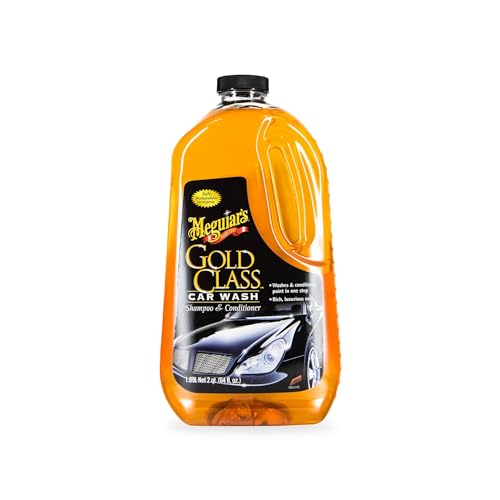
A quality car wash soap is the gold standard for a reason. Look for a pH-neutral formula that contains gloss enhancers and lubricating agents. These soaps create thick suds that lift dirt away from the surface and allow your wash mitt to glide effortlessly, which is the key to a scratch-free wash. Many are also highly concentrated, meaning a single bottle lasts for dozens of washes, making them very cost-effective.

In a Pinch: Can You Use Baby Shampoo?
If you’re in a true emergency and have no car soap available, a small amount of baby shampoo or gentle hair shampoo is a safer alternative than dish soap. Baby shampoo is generally pH-neutral or very close to it, meaning it’s less likely to strip your car’s wax. However, it lacks the advanced lubricants found in true car wash soaps, so the risk of scratching is still higher than with a dedicated product. This should only be considered a temporary, one-time solution.
FAQs About can i use dish soap to wash a car
Does dish soap remove ceramic coatings?
Generally, no, a single wash with dish soap is not strong enough to remove a professionally installed ceramic coating. However, repeated use can degrade the coating’s hydrophobic properties (its ability to repel water) and diminish its gloss, effectively weakening its performance and lifespan. Always use a pH-neutral, coating-safe soap.
Can I use dish soap on my car windows or tires?
While less risky than on paint, it’s still not ideal. On windows, dish soap can leave behind a film that causes streaks and glare. On tires, its harsh degreasers can dry out the rubber over time, leading to premature cracking and a faded, brown appearance. A dedicated glass cleaner and tire cleaner are far better choices.
Will washing my car with dish soap just one time ruin it?
One single wash is unlikely to cause catastrophic, visible ruin, but it does strip away all your wax or sealant protection. This leaves your paint immediately vulnerable to UV rays and contaminants. You would need to re-apply a layer of wax or sealant right away to restore that protection.
Can I use dish soap to clean bird poop or tree sap off my car?
You shouldn’t. While tempting, dish soap is overkill and puts the surrounding paint at risk. A better method is to use a dedicated bug and tar remover or a quick detailer spray. Let the product soak for a minute to soften the contaminant, then gently wipe it away with a clean microfiber towel.
What about other household soaps, like laundry detergent or hand soap?
No, you should avoid all of them. Laundry detergents are even more alkaline and abrasive than dish soap. Hand soaps often contain lotions and moisturizers that can leave a greasy, difficult-to-remove film on your car’s paint. Stick to products specifically designed for automotive use.
How often should I wash my car?
For most drivers, washing your car every two weeks is a good baseline. This prevents the buildup of corrosive contaminants like bird droppings, bug splatter, and road salt. If you live in a harsh environment (e.g., near the coast or where roads are salted), a weekly wash is recommended.
Does the “two-bucket method” really matter?
Yes, the two-bucket method is one of the most effective ways to prevent swirl marks and scratches during a wash. Using one bucket for your soapy water and a separate one to rinse the dirty wash mitt ensures you’re not reapplying grit and dirt back onto the paint with every pass.
What is the difference between car wax and paint sealant?
Wax is typically a natural product (like carnauba) that provides a deep, warm gloss but has a shorter lifespan (1-3 months). A paint sealant is a synthetic polymer that bonds chemically to the paint, offering longer-lasting protection (4-12 months) and a slick, reflective shine.
Is it safe to wash a vinyl-wrapped car with dish soap?
Absolutely not. This is even worse than using it on paint. The harsh degreasers in dish soap can dry out the vinyl, cause the colors to fade, and may even damage the adhesive, leading to peeling and lifting at the edges. Always use a pH-neutral soap specifically approved for vinyl wraps.
Does dish soap cause swirl marks?
Indirectly, yes. Dish soap lacks the essential lubricants found in car wash shampoo. This lack of lubricity means that when you wipe the surface with a wash mitt, you are essentially dragging tiny particles of dirt and grit across the paint, causing microscopic scratches that appear as swirl marks in direct sunlight.
Final Thoughts
Ultimately, using dish soap to wash your car is a costly mistake driven by convenience. While it may seem to get the car clean, you are trading short-term results for long-term damage. The science is clear: the high pH and harsh degreasers in dish soap strip vital protection, dull your paint, and dry out plastic and rubber components.
Protecting your vehicle’s finish requires using the right tool for the job. Investing in a quality, pH-neutral car wash shampoo is one of the easiest and most effective ways to preserve your car’s value and appearance for 2026 and beyond. Your car’s paint will thank you.
Last update on 2026-03-13 / Affiliate links / Images from Amazon Product Advertising API