
Wondering if you can use a marine battery in your car, especially in a pinch? You’re not alone in asking this, as many find themselves with a dead car battery and a boat battery on hand. You need a clear, safe answer.
While a marine battery can technically power a car, it is generally not recommended as a permanent replacement for a standard car battery due to fundamental differences in design, discharge characteristics, and charging requirements. This is best considered a temporary fix rather than an optimal, long-term solution for your vehicle’s health.
Based on industry recommendations and expert analysis of automotive electrical systems, this guide breaks down exactly why. You will learn the critical differences between these battery types, the risks involved, and the specific situations where temporary use might be acceptable. This will give you the knowledge to make a safe and informed decision.
Key Facts
- Purpose-Built Designs: Car batteries are Starting, Lighting, and Ignition (SLI) batteries built for high-current bursts, while most marine batteries are deep-cycle, designed for sustained power delivery, demonstrating a fundamental difference in function.
- Charging System Mismatch: A car’s alternator is optimized to quickly recharge an SLI battery and can either undercharge or overwork when connected to a deep-cycle marine battery, potentially damaging both components.
- Reduced Lifespan: Using a marine battery for frequent, high-amp engine starting can cause premature failure because its thicker plates are not designed for the intense, repeated demands of cranking a car engine.
- Cold Weather Performance Issues: Marine batteries often have a lower Cold Cranking Amp (CCA) rating than automotive batteries of a similar size, leading to unreliable starting performance in cold climates.
- Superior Alternatives Exist: For vehicles with high electrical demands (like car audio systems), an Absorbed Glass Mat (AGM) battery is a far better and more compatible alternative than a standard marine battery.
Can I Use a Marine Battery in My Car?
While you technically can use a marine battery in a car, it is generally not recommended for optimal performance or longevity in an automotive application. A marine battery, particularly a deep-cycle type, is engineered for different discharge cycles and operating conditions than a standard car battery. This distinction is the core reason experts advise against a permanent swap.

Think of it this way: a car battery is a sprinter, built to deliver an explosive burst of energy to start the engine. In contrast, a deep-cycle marine battery is a marathon runner, designed to provide steady, reliable power over a long time for accessories like trolling motors or fish finders. While a marathon runner could sprint a short distance, it’s not their specialty and they wouldn’t perform as well as a dedicated sprinter.
The primary user query about compatibility often arises from a need for an immediate battery replacement or an alternative power source. While a marine battery might get you out of a jam, understanding the “should you” and “what if” scenarios is crucial. The key differences lie in their construction and how they interact with your vehicle’s charging system, which we will explore next.
What Are the Key Differences Between a Marine Battery and a Car Battery?
The main difference is that car batteries are starting (SLI) batteries engineered to deliver a large surge of power to crank an engine, whereas marine batteries are typically deep-cycle or dual-purpose, designed for providing steady power for long periods and withstanding many discharge/recharge cycles. These design philosophies result in different internal constructions and performance characteristics. A car battery prioritizes high Cold Cranking Amps (CCA), while a marine battery often prioritizes a high Reserve Capacity (RC) and durability.
Here is a clear breakdown of the key attributes:
| Feature/Aspect | Marine Battery (Deep Cycle) | Car Battery (SLI) |
|---|---|---|
| Primary Function | Sustained power for accessories, engine starting (dual-purpose) | High current for engine starting |
| CCA (Cold Cranking Amps) | Lower to moderate | Higher |
| Deep Cycle Capability | High (designed for repeated deep discharge) | Very Low (not designed for deep discharge) |
| Reserve Capacity (RC) | Higher (longer accessory runtime) | Lower to moderate |
| Plate Thickness | Thicker | Thinner, more surface area |
| Vibration Resistance | Higher (often reinforced) | Moderate |
| Weight | Often heavier | Lighter (for similar CCA) |
| Lifespan (Automotive Use) | Shorter (if used as primary starting) | Longer (if used as intended) |
| Charging Profile | Slower, more controlled | Faster, higher current acceptance |
| Cost | Often higher | Generally lower |
The thicker plates in a deep-cycle marine battery allow it to be deeply discharged and recharged many times without significant damage. Conversely, the thinner, more numerous plates in a car battery create a larger surface area, which is essential for delivering the massive current needed for engine starting. According to the SAE J537 standard, CCA measures the amps a battery can deliver for 30 seconds at 0°F (-18°C) without dropping below 7.2 volts, a critical metric where car batteries excel. This structural difference is the primary reason why their roles are not easily interchangeable.
Why Is Using a Marine Battery in a Car Generally Not Recommended?
Using a marine battery in a car is not recommended because the mismatched design leads to several significant disadvantages. These issues can affect your vehicle’s performance, shorten the battery’s lifespan, and potentially strain your car’s electrical components. The problems stem directly from asking a battery designed for one job to do a completely different one.
Here are the primary disadvantages:
- 🔋 Incompatible Charging: Car alternators are optimized for the quick, high-current charging that SLI batteries need. A deep-cycle marine battery requires a slower, multi-stage charging profile. This mismatch can lead to chronic undercharging or overcharging, both of which are detrimental.
- 💩 Reduced Lifespan: The powerful current draw required to start a car engine is harsh on the thick plates of a deep-cycle battery. Subjecting it to this stress regularly can cause the plates to degrade quickly, leading to a much shorter battery lifespan than you would expect.
- ❄️ Poor Cold Weather Starting: Marine batteries typically have a lower Cold Cranking Amps (CCA) rating compared to car batteries of a similar physical size. In cold temperatures, engine oil thickens and more power is needed to crank the engine. A marine battery may not have enough power to reliably start your car in freezing conditions.
- ⚡ Potential Electrical Strain: A chronically undercharged marine battery can cause the car’s alternator to work continuously at its maximum output. This sustained effort generates excess heat and can lead to premature alternator failure, a much more expensive repair than a new battery.
What Are the Risks of Inadequate Charging and Alternator Strain?
The most significant risk is a feedback loop of damage: the car’s alternator cannot properly charge the marine battery, which in turn causes the alternator to overwork itself, leading to potential failure of both components. A car’s charging system is a simple, effective tool designed for a very specific task: quickly topping off the small amount of energy used to start the engine. It’s like using a garden hose to refill a glass of water—fast and efficient.
Asking that same system to recharge a deeply discharged marine battery is like trying to fill a swimming pool with that same garden hose. The alternator will run constantly, trying to meet a demand it wasn’t built for. This creates two major problems:
- Undercharging and Sulfation: Because the alternator’s voltage regulation is set for an SLI battery, it will likely shut off before the marine battery is fully charged. This state of partial charge leads to a process called sulfation, where lead sulfate crystals build up on the battery plates. Over time, these crystals harden, reducing the battery’s capacity and eventually rendering it useless.
- Alternator Overload and Failure: The constant high output required to charge the large-capacity marine battery puts immense strain on the alternator. It will run hotter and longer than intended, wearing out its internal components like bearings, diodes, and the voltage regulator. This leads to premature alternator failure, a costly and inconvenient repair. In rare cases, severe overcharging could even lead to thermal runaway, where the battery overheats uncontrollably.
When Can You Temporarily Use a Marine Battery in a Car, and What Are the Limitations?
A marine battery can serve as a temporary solution to start a car if your automotive battery is dead, especially if it’s a marine starting or dual-purpose battery with sufficient Cold Cranking Amps (CCA). This should only be considered an emergency measure to get you to a safe location or a repair shop, not for daily driving. Real-world experience shows this is a common field fix, but its success depends on understanding the strict limitations.
Here are scenarios where temporary use might be considered:
- Your primary car battery has failed unexpectedly.
- You need to move the vehicle a short distance.
- You are using it to jump-start the vehicle.
However, you must adhere to these critical limitations:
- Short-Term Use Only: Do not drive with the marine battery for an extended period. The car’s charging system is not compatible and will not maintain the battery correctly.
- Sufficient CCA is a Must: Ensure the marine battery’s CCA rating is adequate for your vehicle, especially in cooler weather. A low CCA rating will struggle to turn the engine over.
- Verify Fit and Connection: Marine batteries are often larger and have different terminal posts (like threaded studs instead of SAE posts). Ensure it can be securely mounted and connected.
- Monitor Performance: Pay attention to how the car starts and runs. Any signs of electrical issues or dimming lights mean you should stop immediately.
What Are the Considerations for Proper Installation and Fitment for Temporary Use?
For temporary installation of a marine battery in a car, you must prioritize a secure fit, correct terminal connections, and safety. An improperly installed battery is a significant hazard, as it can move around, short-circuit, and cause a fire or damage your car’s electronics.
Follow these steps for a safe temporary installation:
- 📏 Check the Fitment: Before anything else, measure the marine battery and your car’s battery tray. Marine batteries are often taller or wider than their automotive counterparts. The battery must sit flat and securely within the tray without wobbling. Never force a battery that is too large into the space.
- 🔌 Verify the Terminals: Car batteries almost universally use standard SAE post terminals. Marine batteries can have these, but many use threaded studs for ring connectors. If the terminals don’t match your car’s cable connectors, you will need appropriate adapters. Do not use makeshift connections, as they can come loose and create a dangerous electrical arc.
- 🔧 Secure the Mounting: Use the vehicle’s original battery hold-down bracket to lock the marine battery in place. If the original bracket doesn’t fit due to the battery’s size, you must find another way to secure it firmly. A loose battery is a major safety risk, especially from the heavy vibration of a running engine.
Pro Tip: When disconnecting a battery, always remove the negative (black) cable first. When connecting a battery, always attach the positive (red) cable first. This safety procedure prevents accidental short circuits if your wrench touches the car’s metal frame.
What Are the Best Battery Alternatives for Specific Automotive Needs?
For specialized automotive needs, consider superior alternatives like AGM or Lithium (LiFePO4) batteries, which offer advanced performance and are more compatible with car charging systems than a standard marine battery. If you’re looking beyond a basic car battery because you have high-demand accessories, these options provide a proper engineering solution.
Here are the best alternatives for common scenarios:
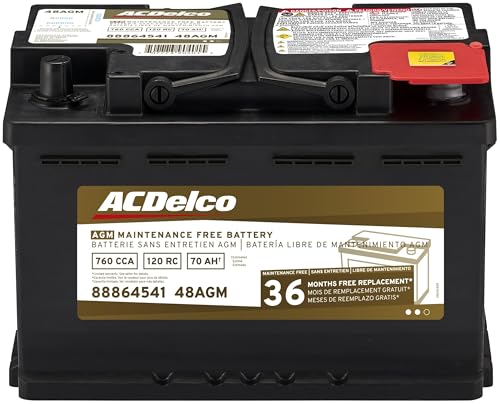
- AGM (Absorbed Glass Mat) Batteries: An AGM battery is a type of advanced lead-acid battery where the electrolyte is held in fiberglass mats. This makes them spill-proof and highly resistant to vibration. They offer excellent starting power like a traditional car battery but also tolerate deeper discharge cycles much better. This makes them ideal for vehicles with start-stop technology, high-powered car audio systems, or numerous electronic accessories.
-
Lithium (LiFePO4) Batteries: For ultimate performance in an auxiliary power system, a Lithium Iron Phosphate (LiFePO4) battery is the top choice. They are incredibly lightweight, can be discharged almost completely without damage, and offer a very long cycle life. While expensive, they are perfect for dedicated power in RV conversions, overland rigs, or competition-level car audio setups where a separate battery is used to power accessories. They typically require a dedicated battery management system (BMS) for safe charging.
How Do You Ensure Safety and Proper Maintenance for Any Car Battery?
To ensure safety and extend the life of any car battery, regularly inspect terminals for corrosion, maintain proper charge levels with a suitable charger, avoid deep discharges, and always follow manufacturer safety guidelines. Proper maintenance is the key to reliability and can save you from being stranded. These best practices apply whether you are using a standard car battery or an alternative type.
Follow these essential safety and maintenance tips:
- Regular Inspection: Once a month, check the battery terminals for any white or bluish powder, which is a sign of corrosion. Clean it off with a mixture of baking soda and water and a wire brush. A clean connection ensures proper current flow.
- Maintain Full Charge: If you don’t drive your car often, use a smart battery tender. These devices maintain the battery at its optimal voltage without overcharging, preventing sulfation and extending its life.
- Avoid Deep Discharge: Repeatedly draining a standard car battery will severely shorten its lifespan. Try to avoid leaving lights on or running accessories for long periods with the engine off.
- Ensure Secure Mounting: As mentioned earlier, vibration is a battery killer. Always make sure the battery hold-down bracket is tight and the battery cannot move in its tray.
- Practice Safety First: Always wear safety glasses and gloves when working with batteries. Lead-acid batteries contain corrosive acid and can release flammable hydrogen gas. Work in a well-ventilated area and never smoke or create sparks near a battery. If you are ever unsure, consult a certified battery technician.
FAQs About can i use a marine battery in my car
Can a Deep Cycle Marine Battery Start a Car?
Yes, a deep cycle marine battery can often start a car, provided it has a sufficient Cold Cranking Amps (CCA) rating for your vehicle’s engine and the ambient temperature. However, its design is for sustained power, not the high-current burst an engine needs. Using it for repeated starting will degrade the battery faster than a standard car battery.
Will a Marine Battery Charge Properly in a Car’s Electrical System?
No, a marine battery will not charge optimally in a standard car’s electrical system. Car alternators are designed for the charging profile of SLI batteries. This mismatch can lead to chronic undercharging of the marine battery, causing sulfation and a shortened lifespan, or it can overwork the alternator, leading to its premature failure.
Is It Safe to Use a Marine Battery in a Car?
While not immediately dangerous if installed correctly, it is not considered a safe long-term practice for the health of your vehicle’s electrical system. The primary risks are related to component longevity, not immediate personal safety. A mismatched charging system can strain the alternator, and an improperly secured battery can become a physical hazard.
What Is the Weight Difference Between Marine and Car Batteries, and Does It Matter?
Marine batteries are often significantly heavier than car batteries with a similar physical footprint due to their thicker, more robust internal plates. This added weight can affect a vehicle’s balance and handling, particularly in smaller cars. It also makes installation more difficult and places more stress on the battery tray and mounting hardware.
Can I Use a Marine Battery for My Car Audio System?
Yes, a deep cycle marine battery is an excellent choice for powering a high-demand car audio system, but it should be installed as a secondary, isolated battery. Its ability to provide long, steady power is ideal for amplifiers. It requires a battery isolator and a proper charging setup to prevent it from draining your primary starting battery.
What If My Car Battery Dies; Can I Use a Marine Battery to Jump Start It?
Yes, you can absolutely use a marine battery to jump-start a dead car battery. Treat it just like another car battery. Connect the jumper cables following the correct procedure (positive to positive, then connect the final negative clamp to a metal ground on the dead car’s frame). It’s a very effective way to get your engine started in an emergency.
What Are the Implications for Cold Weather Performance With a Marine Battery?
The primary implication is poor starting reliability, as marine batteries generally have lower Cold Cranking Amps (CCA) than dedicated automotive batteries. In freezing temperatures, an engine requires much more power to turn over. A marine battery may lack the necessary punch to start your car reliably in the cold, increasing the risk of being stranded.
How Does a Dual Purpose Marine Battery Compare to a Standard Car Battery?
A dual-purpose marine battery is a hybrid, designed to offer moderate starting power and withstand some deep cycling. It’s a jack-of-all-trades but a master of none. While more resilient than a standard car battery if deeply discharged, a dedicated SLI car battery will almost always provide superior starting performance for automotive use.
What Happens If a Marine Battery Is Overcharged by a Car’s Alternator?
Consistent overcharging can cause the electrolyte in a wet-cell battery to “boil off,” leading to internal damage, plate corrosion, and a significantly shortened lifespan. In severe cases, it can lead to a dangerous condition called thermal runaway, where the battery’s temperature rises uncontrollably, potentially causing the case to melt or rupture.
Are There Any Modifications Needed to Use a Marine Battery in a Car?
Yes, modifications are often necessary. You may need to replace or alter the battery tray to accommodate a larger size, use terminal adapters if the posts don’t match, and upgrade the hold-down bracket. For a permanent installation, a battery isolator and a dedicated charging system are highly recommended to manage the battery correctly and protect your vehicle.
Final Thoughts
Ultimately, while the question “can I use a marine battery in my car?” often receives a conditional “yes,” the more critical question is “should I?” Our in-depth analysis reveals that for optimal performance, longevity, and to avoid potential issues with your vehicle’s electrical system, it is generally best to stick with an automotive-specific starting battery. Marine batteries are superb at what they do, providing sustained power in challenging marine environments, but their design priorities differ significantly from the demands of a car’s starting and charging cycle.
For specialized needs like powerful car audio systems or auxiliary power, a deep-cycle battery (including certain marine types or more advanced AGM/LiFePO4 options) can be a suitable choice when properly integrated with an isolator and dedicated charging system. However, for the primary function of reliably starting your engine and integrating seamlessly with your car’s alternator, investing in the correct automotive battery designed for your vehicle’s specifications remains the most expert-recommended approach. Prioritizing the right tool for the job ensures both efficiency and safety in the long run.
Last update on 2026-02-20 / Affiliate links / Images from Amazon Product Advertising API


