
Discovering your car has been damaged by a towing company is a frustrating and often overwhelming experience. You’re left feeling powerless, questioning your rights and wondering if you have any real recourse against a company that holds your vehicle. The uncertainty about what to do next can be as damaging as the dent in your bumper.
Yes, you can absolutely sue a towing company for damaging your car. When a company takes possession of your vehicle, they assume a legal “duty of care,” making them liable for any damages caused by their negligence during the towing process.
This comprehensive guide, built on an analysis of legal principles and established data, will walk you through the exact five steps to take. We will unpack the critical evidence you need, the legal grounds for your claim, and how to navigate the process to hold a negligent towing company accountable and recover the compensation you deserve.
Key Facts
- Legal Responsibility is Automatic: Once a towing company takes possession of your vehicle, they form a legal relationship called a “bailment,” which automatically obligates them to use reasonable care to protect your property from harm.
- Negligence is the Core Issue: The most common basis for a successful claim is proving the company’s negligence—their failure to act with reasonable care, such as by using the wrong equipment or driving recklessly.
- Documentation is Your Strongest Weapon: Thoroughly documenting the damage with photos, videos, and repair estimates immediately after discovery is the single most critical factor in building a successful case.
- Your Own Insurance Can Help: Your comprehensive auto insurance policy may cover the damage, and your insurer can then pursue the towing company on your behalf through a process called subrogation.
- Time is a Critical Factor: Every state has a strict “statute of limitations,” a legal deadline for filing a lawsuit for property damage. Missing this deadline will likely forfeit your right to sue.
Yes, You Can Sue a Towing Company for Car Damage: 5 Steps to Take Now
Yes, you can sue a towing company for damaging your car. They have a legal “duty of care” the moment they take possession of your vehicle, making them liable for damages caused by their negligence.
The moment a tow truck hooks up to your car, a legal principle known as “bailment” is created. This means you (the bailor) have entrusted your property to the towing company (the bailee) for a specific purpose. Under this principle, the company has a legal duty to handle your vehicle with reasonable care and is responsible for any damage that occurs because they failed to meet that standard. It doesn’t matter if the tow was for a breakdown, an accident, or from an illegally parked spot—their responsibility to protect your car remains the same.
But what makes them legally responsible for your vehicle in the first place? It’s this assumed duty of care that gives you the right to seek compensation if they are careless.
Step 1: Immediately Document All Damage and Details
Your first and most crucial action is to thoroughly document everything. This is the foundation of your entire claim. Without clear, undeniable proof, it becomes your word against theirs, a battle that is difficult to win. Comprehensive documentation shifts the balance of power in your favor.

From the moment you notice the damage, your priority is to build a case file. This isn’t just about taking a few quick pictures; it’s about creating an irrefutable record that shows the condition of your car and connects the damage directly to the towing company’s actions. Based on our analysis of successful claims, here is the evidence you must gather:
- Photographs and Videos: This is your most powerful evidence. Take dozens of photos from every possible angle in good lighting. Get wide shots of the entire car and close-ups of every scratch, dent, or broken part. Video is even better—do a slow walk-around of the vehicle, narrating what you see.
- Written Repair Estimates: Do not rely on a single quote. Go to at least two, preferably three, reputable auto body shops and get detailed, written estimates for the cost of repairs. This validates the financial extent of your damages.
- Witness Information: If anyone saw the tow or was present when you discovered the damage, get their full name and contact information. An independent witness can be incredibly persuasive.
- Police Report (If Applicable): If the damage occurred after an accident or if you believe the tow was conducted illegally, file a police report. This creates an official, time-stamped record of the incident.
- All Paperwork: Keep every single piece of paper related to the incident. This includes the towing receipt, any notices left on your car, and any business cards or documents provided by the driver.
- Communication Log: Start a log immediately. Every time you speak with someone from the towing company or their insurance, write down the date, time, the person’s name, and a summary of the conversation.
Pro Tip: If you are present during the tow, record the entire process on your phone. This can be invaluable evidence, capturing exactly how your vehicle was handled from start to finish.
Create Your Evidence Checklist
To ensure you don’t miss anything in the heat of the moment, use this simple checklist. It covers the core items needed for a strong legal or insurance claim.
- Photos/Videos: Take clear, well-lit pictures and videos of the damage from all angles. Include close-ups and wider shots to show context.
- Repair Estimates: Obtain at least two detailed, written estimates from different certified auto repair shops.
- Witness Contact Info: Collect names and phone numbers of anyone who saw the incident.
- Police Report: Get a copy of the police report if one was filed.
- Towing Receipt & Paperwork: Keep the original receipt and any other documents you received.
- Personal Property List: If items inside your car were damaged or lost, make an itemized list with their value.
Step 2: Understand the Legal Grounds for Your Claim
To effectively sue a towing company for damaging your car, you need to understand why you have a case from a legal standpoint. Your claim isn’t just based on the fact that your car was damaged; it’s based on specific legal theories that hold the company accountable for their actions.
So, what does ‘negligence’ actually look like in a towing scenario? Your claim will likely be based on one of the following grounds.
Negligence
This is the most common and straightforward legal argument. Negligence means the towing company failed to use the level of care that a reasonably prudent tow operator would have used in a similar situation, and this failure directly caused the damage. It’s about carelessness, not necessarily malicious intent. Examples of negligence include:
- Improperly attaching your vehicle to the tow truck, causing frame or bumper damage.
- Using the wrong type of tow truck or equipment for your specific vehicle (e.g., towing an all-wheel-drive car with its drive wheels on the ground).
- Driving recklessly or too fast while your vehicle is in tow.
- Careless handling during the loading or unloading process, leading to dents, scrapes, or other impact damage.
- Failing to properly maintain their equipment, leading to a failure that damages your car.
Breach of Bailment
This sounds complex, but the concept is simple. As mentioned earlier, a “bailment” is created when the towing company takes possession of your car. By doing so, they implicitly agree to safeguard your property. If they return your car in a damaged condition, they have breached this duty of care. In many cases, the burden of proof shifts to the towing company to prove they were not negligent once you establish that the car was undamaged when they took it and damaged when they returned it.
Breach of Contract
If you had a direct service agreement with the towing company (for example, you called them for roadside assistance), their failure to perform the service without damaging your vehicle could be considered a breach of that contract.
Unlawful Business Practices or Illegal Tow
If the tow itself was illegal—for instance, if there were no proper signs, they towed you from a legal spot, or they engaged in predatory practices—it can significantly strengthen your case. Damage that occurs during an illegal act is often viewed more seriously by courts and can sometimes open the door to additional compensation.
Step 3: Formally Notify the Company and Your Insurer
Once you have documented the damage, the next step is to begin the formal communication process. How you handle these initial contacts can set the stage for either a quick resolution or a more prolonged dispute. The key is to be professional, firm, and to create a paper trail of every interaction.
- Contact the Towing Company (In Writing): Your first call should be to the manager or owner of the towing company. State the facts clearly and calmly. However, you must follow up this phone call with a formal written notice via email or certified mail. This written communication should state when and where the tow occurred, describe the damage, and state that you expect them to cover the cost of repairs. This creates an official record that they have been notified.
- Contact Your Insurance Company: Call your own auto insurance agent immediately. If you have comprehensive coverage, it may cover the damages caused by the tow truck. While you will likely have to pay a deductible upfront, this can be the fastest way to get your car repaired. Your insurer will then often pursue the towing company’s insurance on their own to get reimbursed (a process called subrogation), which takes the fight off your hands.
- Send a Formal Demand Letter: If the towing company is unresponsive, denies responsibility, or offers an unacceptably low amount, it’s time to escalate. A formal demand letter is a document you send (preferably via certified mail) that officially outlines your case. It should include a detailed description of the incident, a list of the damages, copies of your repair estimates and photos, and a clear statement of the total amount of compensation you are demanding. This letter signals that you are serious and prepared to take legal action if necessary.
Quick Fact: Your own comprehensive auto insurance may cover the damage, though you’ll likely have to pay a deductible. It’s often worth the call to understand your options, as it can be a much faster path to getting your car fixed.
Step 4: Choose Your Legal Path: Small Claims Court vs. Hiring a Lawyer
If your demand letter is ignored or rejected, you have reached a crossroads. You must now decide how to escalate your claim legally. The two primary paths are small claims court and filing a full civil lawsuit, and the right choice depends on the value and complexity of your case.

Pro Tip: Small claims court is designed to be faster and less expensive for claims under your state’s limit (e.g., $10,000 – $12,500), and you often don’t need a lawyer. It’s an excellent option for clear-cut cases of minor to moderate damage.
Here’s a breakdown to help you decide:
| Feature | Small Claims Court | Civil Court Lawsuit |
|---|---|---|
| Damage Limit | Limited by state law (typically $5,000 – $12,500) | No upper limit on damages |
| Cost | Low filing fees; minimal costs | Higher filing fees, discovery costs, expert witness fees |
| Attorney Needed? | Generally no, designed for self-representation | Highly recommended, as the process is complex |
| Process Speed | Much faster, often resolved in a few months | Much slower, can take a year or more to resolve |
For significant damages that exceed your state’s small claims limit, or in cases involving complex legal issues or serious disputes over liability, hiring an attorney and filing a civil lawsuit is the necessary path. While more expensive and time-consuming, it is the only way to recover compensation for major losses. Consulting a lawyer is highly advisable for these significant cases to ensure you navigate the formal legal process correctly.
Step 5: Understand the Compensation You Can Recover
When you sue a towing company for damaging your car, you are seeking financial compensation, legally referred to as “damages.” Understanding what you are entitled to recover is essential for setting realistic expectations and for making sure you demand the full amount you are owed. The damages are typically broken down into two main categories.
Compensatory Damages
This is the most common type of compensation. The goal of compensatory damages is to “make you whole” again by reimbursing you for all the direct financial losses you suffered because of the incident. This includes more than just the repair bill. You can seek recovery for:
- Cost of Repairs: The full amount required to restore your vehicle to its pre-damaged condition, as documented by your written estimates.
- Diminished Value: A car that has been in an accident and repaired is often worth less than one with a clean history. You can claim this loss in value.
- Rental Car Fees: The cost of a rental car or other transportation you needed while your vehicle was being fixed.
- Towing and Storage Fees: If the tow was illegal or improper, you can sue to have these fees returned.
- Lost or Damaged Personal Property: The value of any personal items that were inside your car and were lost or damaged during the tow.
Punitive Damages
Punitive damages are much rarer and are not intended to compensate you for your losses. Instead, they are designed to punish the towing company for extremely reckless, malicious, or fraudulent behavior and to deter other companies from acting in the same way. For example, if a company has a long history of damaging vehicles and lying about it, or if they intentionally damaged your car out of spite, a court might award punitive damages on top of your compensatory damages. Proving the level of gross negligence required for these damages is very difficult, so they are not awarded in most standard cases.
Don’t Forget the Statute of Limitations
Be aware of the statute of limitations in your state. This is a strict deadline for filing a lawsuit for property damage, and missing it will likely forfeit your right to sue.
This is a critical, non-negotiable deadline. Every state has a law called the statute of limitations that sets a maximum time frame within which you can initiate legal proceedings. For property damage claims, this can range from two to six years, depending on the state. If you fail to file your lawsuit within this window, the court will almost certainly dismiss your case, regardless of how strong your evidence is. You must check the specific statute of limitations for property damage in your jurisdiction as soon as possible.
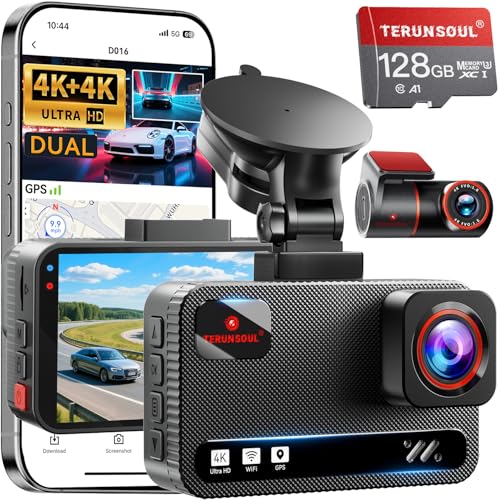
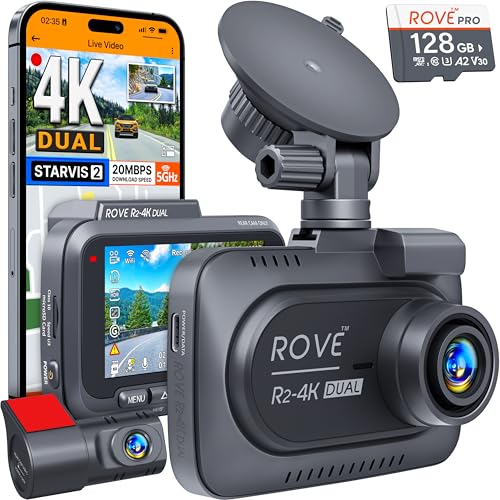
To help document any future incidents and protect yourself, having a reliable dash cam can provide indisputable video evidence of how your vehicle is handled.




FAQs About Suing a Towing Company for Damage
Here are answers to some of the most common questions people have when they find themselves in this difficult situation.
What kind of lawyer do I need to sue a towing company?
For a straightforward case involving only property damage to your vehicle, a personal injury lawyer is often the best choice, as they are experienced in handling negligence claims and dealing with insurance companies. If your case also involves issues like an illegal tow, fraudulent charges, or other violations of consumer rights, a consumer protection lawyer would be the ideal specialist to consult.
What is the most common damage caused by towing?
The most common types of damage reported are those caused by carelessness during the hook-up and transport process. Based on data from repair shops and legal claims, these frequently include:
* Body dents and deep scratches from chains, hooks, or contact with other objects.
* Bumper damage (cracked or torn) from improper attachment points.
* Transmission or drivetrain damage, especially on all-wheel-drive or rear-wheel-drive cars that are towed incorrectly with drive wheels on the pavement.
* Steering and alignment issues caused by rough handling or dragging the vehicle.
Can I still sue if the tow was illegal or I was parked illegally?
Yes. These are two separate issues. Whether you were parked illegally and the tow was justified has no bearing on the towing company’s responsibility to handle your property with care. They are still liable for any damage caused by their negligence during the towing process. In fact, if you can prove the tow itself was illegal, it can actually strengthen your overall claim against the company.
What if my car was damaged during a repossession?
The same legal principles apply. A company conducting a repossession has the same “duty of care” as a standard towing company. They are allowed to repossess the vehicle, but they are not allowed to damage it through unreasonable or careless actions in the process. If your car is damaged during a repossession due to the agent’s negligence, you can sue them for the cost of repairs.
How do I sue a towing company in a specific state like Texas or California?
While the fundamental steps outlined in this guide—document, notify, demand, and file—are universally applicable, the specific rules and limits will vary. For example, the monetary limit for small claims court is different in every state (e.g., $12,500 in California). You must check the specific laws for your state regarding the statute of limitations for property damage and the dollar limit for small claims court. The best course of action is always to consult with a local attorney who understands your state’s unique regulations.
Your Next Steps: Taking Action Against the Towing Company
Facing off against a towing company can feel daunting, but you are not powerless. By understanding their legal responsibilities and your rights, you can confidently take action. The entire process hinges on a foundation of meticulous documentation and clear, professional communication. Armed with irrefutable evidence, you can successfully hold a negligent company accountable for the damage they caused.
Remember the most critical takeaways from this guide:
* Document Everything, Immediately: Your phone is your best tool. Take extensive photos and videos of the damage before you do anything else.
* Put it in Writing: Follow up every phone call with a formal email or letter to create a paper trail. A verbal agreement is nearly impossible to prove.
* Know Your Options: Understand the difference between going through your own insurance, filing in small claims court, or hiring a lawyer. Choose the path that best fits the value of your claim.
Use this guide to confidently take the next step in holding the towing company accountable for the damage to your vehicle. Gather your evidence, understand the legal grounds, and pursue the compensation you rightfully deserve.
Last update on 2026-03-03 / Affiliate links / Images from Amazon Product Advertising API


![Female Luxury Lifestyle Model S: Stunning [year] EV Glamour](https://i0.wp.com/carxplorer.com/wp-content/uploads/2026/03/Female-Luxury-Lifestyle-Model-S-Stunning-year-EV-Glamour-1.jpg?resize=60%2C60&ssl=1 "Female Luxury Lifestyle Model S: Stunning [year] EV Glamour 16")
