
Wondering if you can put coolant in a hot car after seeing the temperature gauge spike? You’re in a stressful spot, and the thought of being stranded is pushing you to act fast.
No, you should never add coolant to a hot car engine. The cooling system is highly pressurized, and opening the cap can cause boiling coolant and steam to erupt violently. This poses an extreme risk of severe burns and can also cause catastrophic engine damage from thermal shock.
Based on established automotive safety principles and professional mechanic standards, this guide will walk you through exactly why this is so dangerous. You’ll learn the safe procedure for adding coolant and what to do in an overheating emergency to protect both yourself and your vehicle.
Key Facts
- Extreme Pressure: A hot cooling system can operate at over 15 PSI, which raises the coolant’s boiling point to over 250°F (121°C), creating a significant burn hazard.
- Thermal Shock Risk: Pouring cool liquid (e.g., 70°F) onto an engine block that can exceed 300°F can cause the metal to contract rapidly and crack, leading to catastrophic failure.
- Instantaneous Boiling: Opening the radiator cap on a hot engine instantly drops the system’s pressure, causing the superheated coolant to flash into an explosive release of steam.
- Costly Consequences: A cracked engine block or cylinder head is one of the most expensive automotive repairs, often costing thousands of dollars and potentially totaling the vehicle.
- A Sweet Smell Signals Danger: The distinct sweet smell after overheating is ethylene glycol, a toxic chemical. This indicates a definite coolant leak that is the root cause of the problem.
Can I Put Coolant in a Hot Car? The Definitive Safety Guide
The answer is an unequivocal no; you must never put coolant in a hot car. Industry standard practice and the fundamental principles of physics make this one of the most important safety rules in automotive maintenance. Attempting to add coolant to a hot engine exposes you to two immediate and severe dangers: an explosive release of scalding fluid from the pressurized cooling system and the potential for causing irreversible, catastrophic damage to your engine through thermal shock.

This isn’t just a recommendation; it’s a critical safety protocol followed by every ASE certified mechanic. The warning lights on your dashboard and a high temperature gauge reading are signals to stop safely and let the system cool down, not to intervene while it’s in a volatile state. Ignoring this rule can turn a manageable issue like a small leak into a personal injury and a repair bill that costs thousands.
⚠ Critical Safety Warning: Never attempt to remove the radiator cap or coolant reservoir cap on a hot or even warm engine. The risk of severe burns from pressurized steam and the potential to crack the engine block are extremely high. Always wait until the engine is completely cool to the touch.
Why Is Adding Coolant to a Hot Engine So Dangerous?
The danger of adding coolant to a hot engine stems from two distinct physical principles: stored pressure and thermal shock. Understanding these two hazards makes it clear why patience is not just a virtue but a necessity in this situation. One threatens your personal safety, while the other threatens the life of your engine.
Here’s the breakdown of what is happening inside your engine bay:
- 💥 Explosive Burn Hazard from a Pressurized System: When your engine is at operating temperature, the coolant is not only hot but also under significant pressure. This pressure serves a purpose: it raises the boiling point of the fluid. Opening the cap releases that pressure instantly, causing the superheated coolant to flash into steam and erupt with incredible force.
- 🧩 Catastrophic Engine Damage from Thermal Shock: Your engine’s primary components, like the engine block and cylinder head, are made of metal (typically cast iron or aluminum). When extremely hot, this metal is in an expanded state. Pouring cool liquid onto it forces a rapid and uneven contraction, which can easily crack the metal.
What Is Engine Thermal Shock and Why Does It Crack Metal?
Engine thermal shock happens when there is a drastic and sudden temperature change, causing a material to tear itself apart from internal stress. Think about pouring ice-cold water into a hot glass baking dish straight from the oven—it shatters instantly. The exact same principle applies to the metal components of your engine.
The metal of a running engine can easily exceed 300-400°F. Your coolant, even on a hot day, is at ambient temperature (e.g., 70-90°F). When you introduce this cold liquid, the surface of the hot metal tries to contract immediately. However, the metal deeper inside is still hot and expanded. This difference in the coefficient of thermal expansion creates immense internal forces that pull the component apart, leading to a cracked engine block or a warped cylinder head—both of which are among the most severe and expensive types of engine damage.
How Does a Pressurized Cooling System Cause Burns?
A hot cooling system is essentially a pressure cooker, and opening it is like taking the lid off while it’s still at full boil. The radiator cap is designed to hold pressure inside the system, typically up to 15 PSI or more. This is crucial because, according to engineering principles, raising the pressure also raises the boiling point of the liquid inside.
Here is the dangerous sequence of events:
1. Pressure Builds: The engine’s heat expands the coolant, building pressure in the sealed system.
2. Boiling Point Increases: Under pressure, your coolant won’t boil at the normal 212°F (100°C) but can remain liquid at temperatures well over 250°F (121°C).
3. Cap Is Removed: When you turn the cap, you instantly break the seal.
4. Pressure Drops: The system pressure immediately drops to atmospheric pressure.
5. Liquid Instantly Boils: With the pressure gone, the “superheated” coolant’s boiling point instantly drops. The fluid violently flashes into an enormous volume of steam, erupting from the radiator or reservoir with explosive force, causing severe scalding to anyone nearby.
What Is the Correct and Safe Way to Add Engine Coolant?
The only correct and safe way to add coolant is to do so when the engine is completely cold. This simple rule eliminates both the risk of burns from pressure and the risk of engine damage from thermal shock. Based on real-world implementation by professional automotive technicians, this step-by-step process ensures your safety.
Here is the safe refill procedure you should always follow:
- Park and Wait. Park your vehicle on level ground and turn off the engine completely. This is the most critical step.
- Let the Engine Cool Down. You must wait for the engine to cool. A general rule is to wait at least 30 to 60 minutes. The best practical test is to carefully touch the upper radiator hose or the engine block; if it’s cool enough to hold your hand on it comfortably, you can proceed.
- Locate the Coolant Reservoir. Identify the plastic coolant reservoir (also called an overflow tank). It is usually a semi-transparent plastic tank connected to the radiator by a small hose and has “MIN” and “MAX” lines marked on the side. This is where you should add coolant.
- Open the Cap Slowly. Even with a cold engine, it’s a good practice to use a thick rag to cover the reservoir cap. Turn it counter-clockwise about a quarter-turn to release any potential residual pressure before removing it completely.
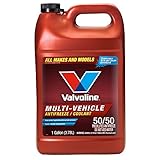
- Add the Correct Coolant. Slowly pour the correct type of 50/50 pre-mixed coolant into the reservoir. Fill it until the fluid level is between the “MIN” and “MAX” lines. Do not overfill.
- Secure the Cap. Screw the cap back on securely until it clicks or stops. A loose cap will prevent the system from pressurizing correctly, which can lead to overheating.
- Check for Leaks. After adding coolant, it’s wise to monitor the vehicle for a few days to see if the level drops again, which would indicate a leak.
What Should You Do in an Emergency If Your Car Is Overheating?
If you are driving and notice the temperature gauge climbing into the red or see steam coming from the hood, you are in an emergency situation that requires immediate, calm action. Your priority is to prevent catastrophic engine damage.
From years of working with roadside emergencies, here is the proven protocol:
- Turn On the Heater. This may seem counterintuitive, but immediately turn your car’s heater on to the highest temperature and the fan speed to full blast. The heater core acts as a small, secondary radiator, and this action pulls a significant amount of heat away from the overheating engine. This is an often-overlooked strategy that can help manage the temperature spike.
- Pull Over Safely. As soon as it is safe to do so, pull over to the side of the road and turn off the engine immediately. Continuing to drive an overheating car for even a few minutes can cause permanent damage.
- Do Not Open the Hood Immediately. If you see steam, wait for it to completely stop before even considering opening the hood. Wait at least 30 minutes for the engine to cool down before attempting to touch anything in the engine bay.
- Assess and Call for Assistance. Once the engine is cool, you can check the coolant level in the reservoir. However, overheating is almost always a symptom of a larger problem, like a leak or a failed component. The safest course of action is to call for roadside assistance.
FAQs About can i put coolant in a hot car
Can I add coolant to a warm engine instead of a hot one?
While safer than adding to a hot engine, it’s still not recommended. A warm engine can still hold residual pressure, and the temperature difference, though smaller, still poses a minor risk of thermal stress. The best and only manufacturer-recommended practice is to wait until the engine is completely cool to the touch before opening any part of the cooling system.
Does the car need to be running when adding coolant?
No, for simply topping up the coolant, the engine must be off and cold. Some advanced procedures, like a full system flush and bleed, require the engine to run briefly to circulate the fluid and remove air pockets. However, for the common task of adding coolant to the reservoir, always ensure the engine is off.
How long should I wait for the engine to cool down?
A minimum of 30 to 60 minutes is a safe guideline, but touch is the best indicator. The goal is for the engine and coolant to be close to the ambient air temperature. If you can comfortably place your hand on the upper radiator hose or the engine’s valve cover, it’s likely cool enough to proceed safely.
Can I just use water instead of coolant in an emergency?
Yes, in a true emergency, using distilled water is acceptable to get your vehicle to a safe location. However, water alone lacks the anti-corrosion inhibitors and boiling/freezing point protection of proper coolant. The system must be professionally flushed and refilled with the correct 50/50 mix as soon as possible. Never use tap water, as its minerals can cause damaging deposits.
What if my mechanic put coolant in my hot engine?
A professional mechanic may do this using specific techniques and safety equipment not available to the public. They might add coolant extremely slowly to a running engine, allowing it to mix gradually and minimize thermal shock. They are trained to manage the risks, but this is absolutely not a procedure to attempt at home.
Is antifreeze the same thing as coolant?
The terms are often used interchangeably, but there’s a technical difference. “Antifreeze” typically refers to the concentrated ethylene or propylene glycol liquid. “Coolant” usually refers to the 50/50 mixture of antifreeze and distilled water that is ready to be used in your car. Most products sold in auto parts stores today are pre-mixed coolants.
Why is my coolant reservoir empty or boiling?
An empty reservoir is a clear sign of a leak in the cooling system, which is the underlying cause of overheating. If the coolant is boiling, it means the system is failing to manage heat effectively. This could be due to a major leak, a stuck thermostat, a failing water pump, or a blockage, and requires immediate professional diagnosis.
What is the sweet smell after my car overheats?
That sweet smell is ethylene glycol, the main chemical in most antifreeze products. Smelling this is a definitive sign of a coolant leak. The fluid is toxic to people and pets, so be cautious of any puddles under your car and get the leak fixed promptly.
Will cold water definitely crack a hot engine?
While it’s not a 100% guarantee, the risk is extremely high, and the consequences are catastrophic. The likelihood depends on how hot the engine is and the temperature of the water. Given that a cracked engine block or cylinder head is one of the most expensive repairs possible, the risk is never worth taking.
Where do you put coolant in a car?
For topping up, you should almost always add coolant to the plastic coolant reservoir or overflow tank. This tank is designed for this purpose and is marked with ‘MIN’ and ‘MAX’ lines for easy reference. Only add coolant directly to the radiator if the system is completely cool and empty as part of a specific refill procedure.
Key Takeaways: Putting Coolant In a Hot Car
- Never Add Coolant to a Hot Engine: The absolute number one rule is to always wait for the engine to cool completely. The risk of severe burns and catastrophic engine damage is simply too high.
- Understand the Dual Dangers: The two main risks are severe burns from the highly pressurized system and cracking the engine block or cylinder head from thermal shock.
- The Safe Method is Simple: Wait: The correct procedure involves waiting 30-60 minutes, confirming the engine is cool to the touch, and then slowly adding the proper 50/50 coolant to the plastic reservoir.
- In an Emergency, Pull Over: If your car is overheating, turn the heater on full blast to help dissipate heat, pull over to a safe location, and shut off the engine immediately. Do not continue driving.
- A Sweet Smell Means a Leak: If you smell a sweet odor, your car is leaking coolant. This is the root cause of your overheating problem and requires professional diagnosis and repair.
Final Thoughts on Coolant Safety
Ultimately, navigating the issue of an overheating car comes down to prioritizing safety and patience over speed. The few minutes you might save by attempting a risky roadside fix are insignificant compared to the potential for serious injury or an engine-destroying repair bill.
By understanding that a hot cooling system is a pressurized and volatile environment, you can make the right call every time. Always let the engine cool down completely. This simple act of patience is the hallmark of a smart and safe vehicle owner. When in doubt, waiting or calling a professional is always the correct decision.
Last update on 2026-04-16 / Affiliate links / Images from Amazon Product Advertising API


![Fodsports FX-S Bluetooth Headset Review: Worth It? [year]](https://i0.wp.com/carxplorer.com/wp-content/uploads/2026/04/Fodsports-FX-S-Bluetooth-Headset-Review-Worth-It-year-scaled-1.webp?resize=60%2C60&ssl=1 "Fodsports FX-S Bluetooth Headset Review: Worth It? [year] 12")