Wondering if Goo Gone can be used on car paint to remove that stubborn sticker residue? You’re right to be cautious; using the wrong product can cause lasting damage. This is a common concern for car owners who want a clean finish without a costly trip to the body shop.
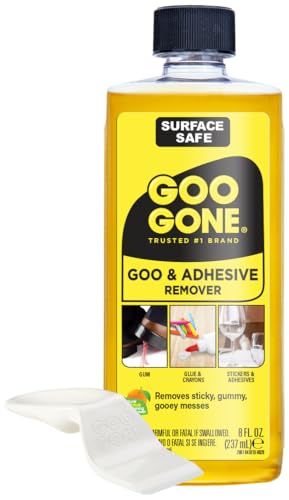
Yes, you can use Goo Gone on car paint, but it is critical to use the correct product: Goo Gone Automotive. This specific formula is engineered to be safe for modern car paint and clear coats. Using the Original Goo Gone formula is risky and can strip protective wax or dull the paint’s finish.
Based on an analysis of chemical formulations and professional detailing methods, this guide clarifies exactly which product to use and why. You’ll discover the essential step-by-step process for safe application. This ensures you remove the adhesive without harming your vehicle’s finish.
Key Facts
- Product Choice is Critical: Only the formula labeled “Goo Gone Automotive” is specifically designed and guaranteed safe for car paint and clear coats.
- Original Formula Strips Wax: The primary risk of using Original Goo Gone is that its petroleum-based solvents will remove your car’s protective wax layer, leaving the paint looking dull and exposed.
- Goof Off Is Not Safe: Goof Off should never be used on car paint, as it contains harsh industrial solvents like xylene that can dissolve and permanently damage the finish.
- Washing After is Mandatory: After using any Goo Gone product, you must thoroughly wash the area with car soap and water to neutralize the solvent and remove any oily residue.
- Dullness Is Usually Fixable: A hazy or dull spot after use is most often just stripped wax, not damaged paint. The shine can be restored by polishing the area and reapplying a layer of car wax.
Can Goo Gone Be Used On Car Paint? The Definitive Answer
Yes, but only the version specifically labeled “Goo Gone Automotive” is recommended as completely safe for car paint. The primary job of an adhesive remover like Goo Gone is to dissolve sticky substances. The Goo Gone Automotive formula is designed to remove residues like tar, tree sap, and bumper stickers without damaging your car’s clear coat. Using Original Goo Gone is risky because it contains more aggressive solvents that can strip your car wax and potentially dull the paint finish if not used with extreme care and washed off immediately.
The safety of using Goo Gone on your vehicle hinges entirely on choosing the right product. The “Automotive” version is a citrus-based cleaner formulated to be compatible with modern automotive paint systems. In contrast, the “Original” formula contains stronger petroleum distillates intended for general household use on surfaces that are more resilient than a car’s delicate clear coat. Misusing the original product is where most problems arise. But what makes one version safe and the other a risk? The answer lies in their chemical ingredients.
Why Are There Different Goo Gone Formulas?
The difference between Goo Gone formulas comes down to their primary solvent. Goo Gone Automotive is a citrus-based cleaner that uses d-Limonene, a solvent derived from orange peels that is safe for modern automotive clear coats. In contrast, Goo Gone Original contains petroleum distillates, which are more aggressive chemicals that can be harsh on a car’s finish. For comparison, a much stronger product like Goof Off contains harsh solvents like xylene, which will actively dissolve and destroy car paint.
Understanding these differences is key to protecting your vehicle. The table below breaks down the critical distinctions.
| Feature/Aspect | Goo Gone Automotive | Goo Gone Original | Goof Off (For Reference) |
|---|---|---|---|
| Primary Solvent | Citrus Power (d-Limonene) | Petroleum Distillates | Harsh Solvents (Xylene, Acetone) |
| Car Paint Safety | Safe for clear coats | Use with Caution | Unsafe – Will damage paint |
| Effect on Wax | Minimal Effect | Strips Wax | Strips Wax & Paint |
| Primary Use Case | Stickers, Tar, Sap on Cars | General Household Adhesive | Heavy-Duty, Non-Automotive Use |
| Risk Level | Low | Medium | Very High |
How Does Goo Gone Affect Car Paint Layers?
To understand the risk, it helps to know how your car’s paint is constructed. A modern automotive oem finish has several layers, each with a specific job.
- Basecoat: This is the layer that provides the actual color of your car. It has no gloss or protective properties.
- Clear Coat: This is the thick, transparent, and durable top layer. The clear coat is the paint system’s primary defense against UV rays, scratches, and chemical contaminants. It provides all the shine you see.
- Wax or Sealant: This is a very thin, sacrificial layer of protection you apply on top of the clear coat. It enhances gloss and provides hydrophobic (water-repelling) properties, acting like a renewable shield for the clear coat armor underneath.
The primary risk of using non-automotive Goo Gone is that its petroleum-based solvents can strip the protective layer of wax or sealant from your paint, leaving the clear coat exposed and appearing dull. While Goo Gone Automotive is much gentler, any strong cleaner can still degrade this top wax layer. This is why re-applying protection after treatment is a non-negotiable step in car paint maintenance.
How Do You Safely Use Goo Gone Automotive On Car Paint?
To safely use Goo Gone Automotive, you must first wash and dry the area, apply the product to a microfiber towel, gently rub the residue, and wash the area again afterward to neutralize the cleaner. This tested method ensures you only remove the adhesive, not your paint’s shine or protection.
Pro Tip: For this job, you will need Goo Gone Automotive, two or three clean microfiber towels, car wash soap, water, and a quality car wax or paint sealant.
Step 1: How Do You Prepare the Surface?
Before applying Goo Gone, thoroughly wash and dry the affected area to remove any dirt or grit that could scratch the paint. Applying any chemical and then rubbing it on a dirty surface is like using sandpaper. You will grind the loose dirt into your clear coat, causing swirl marks and fine scratches. Always work in the shade on a surface that is cool to the touch. Applying a solvent to a hot panel will cause it to evaporate too quickly, reducing its effectiveness and increasing the risk of staining.
Step 2: Apply and Let It Dwell
Spray a small amount of Goo Gone Automotive onto a folded, clean microfiber towel, not directly onto the car paint. Dabbing the product onto the residue gives you more control and prevents overspray. Gently press the towel against the adhesive and hold it there for 30-60 seconds. This allows the citrus solvent time to penetrate and dissolve the glue. Do not let the product sit for more than a minute or allow it to dry on the surface.
Step 3: Gently Wipe Away the Residue
After letting it dwell, use the microfiber towel to gently rub the area in small, circular motions. You should feel the adhesive residue soften and begin to lift away. Avoid aggressive scrubbing. If the residue is thick, like with a dealership badge, you may need to reapply the product and repeat the process. For stubborn decals, you can use a plastic razor blade at a gentle angle to help lift a corner after the solvent has worked.
Step 4: Wash and Neutralize the Area
This is a critical step that many people miss. After the residue is gone, you must wash the area thoroughly with car wash soap and warm water. This step neutralizes the solvent and removes any oily film left behind by the Goo Gone. If you skip this, the remaining residue can attract dirt and may interfere with the next step. Rinse the area completely.
Step 5: Protect the Paint
Any solvent-based cleaner, even a gentle one, will degrade or remove the existing layer of car wax or paint sealant. The final step is to restore that protection. After the surface is clean and dry, apply a fresh coat of your preferred car wax or paint sealant to the treated area. This will restore the gloss and hydrophobic properties, ensuring your clear coat remains shielded from the elements.
What Should You Do If Goo Gone Dulls Your Car’s Paint?
If your car’s paint looks dull or hazy after using Goo Gone, it is most likely because the product has stripped the protective wax layer, not damaged the paint itself. Don’t panic. This is usually a simple fix that restores the shine and protection to your vehicle’s finish. A true paint issue would involve discoloration or a rough texture that remains even after washing.
Here is the simple, two-step process to fix a dull spot.
- Polish to Restore Gloss: First, wash and dry the area completely. Then, use a high-quality, light-polishing compound on a microfiber applicator pad. Gently work the polish into the dull area. This fine abrasive will remove any trace residue and smooth the clear coat surface, bringing back the deep gloss.
- Wax to Restore Protection: After polishing, the surface will be shiny but unprotected. The final step is to apply a new coat of car wax or paint sealant. This restores the protective barrier and hydrophobic properties, bringing the finish back to its original state.
If the paint remains discolored, feels rough to the touch after washing, or appears to be peeling, you may have clear coat damage. This can happen if a very harsh chemical was used or left on for too long. In this case, you should consult a professional paint correction specialist for an expert assessment.
FAQs About can goo be gone be used on car paint
Can I use regular Goo Gone on my car if I’m careful?
While it is possible, it is not recommended due to the high risk. Regular Goo Gone’s petroleum-based formula will strip your car’s wax protection and can dull or soften the clear coat if left on for more than a few seconds. For a guaranteed safe result, you should always use the ‘Automotive’ formula, as it’s specifically designed for modern car paint.
How long can you leave Goo Gone Automotive on car paint?
You should not let Goo Gone Automotive sit for more than 60 seconds. According to manufacturer instructions and professional best practices, you should apply it, let it work on the adhesive for 30-60 seconds, and then gently wipe it away. Never let the product dry on the surface.
Does Goo Gone remove car wax?
Yes, any solvent-based cleaner, including both Regular and Automotive Goo Gone, will remove or degrade your car’s wax or sealant layer. This is why the final, most crucial steps in using the product are to thoroughly wash the area with soap and water and then re-apply a protective layer of wax.
What’s a safer alternative to Goo Gone for car paint?
A dedicated automotive tar and adhesive remover from brands like 3M, CarPro, or Gtechniq is an excellent alternative. These products are specifically formulated for paint and clear coat safety. For very light residue, you can also try a 50:50 mixture of isopropyl alcohol and water on a microfiber towel.
Can Goo Gone be used on car plastic trim or headlights?
Yes, Goo Gone Automotive is generally safe on modern, hard, unpainted plastic trim and polycarbonate headlights. However, you must always test on a small, inconspicuous area first. Do not use it on soft-touch plastics, rubber seals, or vinyl wraps, as it can cause discoloration or damage.
How do I remove the oily residue Goo Gone leaves behind?
The best way to remove the oily film is to wash the area thoroughly with a quality car wash soap and warm water. Use a clean microfiber towel and rinse the area completely. This step neutralizes the solvent and is critical for ensuring no residue remains on the paint.
Will Goo Gone remove a ceramic coating?
It can degrade it; a high-quality ceramic coating is more chemically resistant than wax, but strong solvents can still weaken its hydrophobic properties. If you have a ceramic-coated vehicle, it is best to use a pH-neutral cleaner or a product specifically approved for ceramic coatings to remove contaminants.
Can I use an eraser wheel instead of Goo Gone?
Yes, a 3M Stripe Off Wheel, or “eraser wheel,” is a professional tool for removing decals, but it requires skill. Used improperly, the friction can generate too much heat and burn through the clear coat. For most DIY users, a chemical solvent like Goo Gone Automotive is a much safer option.
Is Goo Gone safe for matte paint finishes?
No, do not use Goo Gone on matte or satin paint finishes. Matte paint is porous and often lacks a traditional clear coat for protection. The oils and solvents in Goo Gone will penetrate the finish, creating a permanent dark or glossy spot that cannot be polished out.
What removes tree sap and tar better, Goo Gone or a clay bar?
Goo Gone is better for large, thick deposits of tar or sap, as it is a solvent designed to dissolve them. A clay bar is designed to remove fine, bonded surface contaminants after the heavy deposits are gone. The correct professional process is to use Goo Gone first, wash the area, and then use a clay bar for a perfectly smooth finish.
Key Takeaways: Using Goo Gone on Car Paint Summary
- Only Use Goo Gone Automotive: This is the most critical point. The “Automotive” formula is specifically designed with citrus-based solvents that are safe for your car’s clear coat, while the “Original” formula can cause damage.
- The Main Risk is Stripped Wax: If you notice a dull or hazy spot after using an adhesive remover, it’s most likely stripped wax, not ruined paint. This can be fixed by polishing and reapplying wax.
- Always Test First: Before applying to a large or visible area, always test any chemical on a small, inconspicuous spot (like a door jamb) to ensure there is no adverse reaction with your specific paint.
- Preparation and Aftercare are Not Optional: Always work on a clean, cool surface. After using Goo Gone, you must wash the area with soap and water to remove all residue and then apply a new coat of wax to restore protection.
- Never Let It Dry: Apply the product for a short duration (30-60 seconds) and wipe it off. Allowing a solvent to dry on the surface significantly increases the risk of it penetrating and damaging the clear coat.
- Goof Off is NOT Safe for Car Paint: Never use Goof Off on your car’s exterior. It contains harsh solvents like xylene that are known to dissolve automotive paint and clear coats.
- Use a Microfiber Towel: Always use a soft, clean microfiber towel for application and removal. Using a rough cloth or paper towel can cause micro-scratches and swirl marks in your paint.
Final Thoughts on Using Goo Gone on Car Paint
Ultimately, using Goo Gone on your car’s paint can be done safely and effectively, but only with the right knowledge. The key is to respect the chemistry of the product and the delicacy of your vehicle’s finish. By choosing the Goo Gone Automotive formula, following a methodical process of preparation, application, and aftercare, you can confidently tackle sticky messes without fear. Remember that a little patience and the correct procedure will always yield better results than rushing with a product that is too aggressive for the job.