
Wondering if that recent fill-up is why your car suddenly started to shake? You’re not alone; many drivers worry when their car develops a sudden, alarming vibration after visiting the gas station. It’s a valid concern that points to a potential problem with the fuel itself.
Yes, bad gas can absolutely cause your car to shake. This shaking, felt as a vibration or shudder, is a direct result of engine misfires. When fuel is contaminated with water, is the wrong octane level, or is simply old, it disrupts the smooth, controlled combustion process your engine needs, creating an imbalance that you feel as shaking.
Based on mechanical engineering principles, an engine requires stable combustion to run smoothly. Bad gas [substandard automotive fuel] prevents this. This guide explains exactly why this happens, how to diagnose it, and the steps you can take to fix it, potentially saving you from a costly repair bill.
Key Facts
- Immediate Symptoms: Bad gas can affect a car almost immediately, often causing shaking and stalling within minutes of leaving the gas station.
- Engine Misfires are the Cause: The shaking is a physical symptom of an engine misfire, which happens when contaminated fuel fails to burn properly in the engine’s cylinders.
- Catalytic Converter Damage: A flashing check engine light indicates a severe misfire that can quickly damage the expensive catalytic converter if you continue to drive.
- Cost Varies Widely: A fix can cost less than $20 for a fuel additive, but a professional tank draining for severe contamination can range from $200 to over $500.
- Water is a Major Culprit: Water from condensation or a contaminated station pump is a common cause of severe shaking because it doesn’t combust at all, leading to a complete failure in a cylinder’s power stroke.
Can Bad Gas Cause a Car to Shake?
Yes, bad or contaminated gasoline is a common cause of a car shaking. This is because your vehicle’s internal combustion engine is designed for precise, stable operation. The shaking you feel is the physical result of an engine misfire. A misfire occurs when the fuel in one or more engine cylinders fails to ignite correctly, disrupting the engine’s balance and creating a noticeable vibration. This incomplete combustion can happen for several reasons, all stemming from poor fuel quality.

From our real-world experience, the issue often presents itself right after a driver fills up their tank, leading to immediate concern. The three main types of “bad gas” that cause this are fuel contaminated with water, gasoline with an incorrect octane rating, or old, degraded fuel that has lost its combustibility. Each of these conditions prevents the fuel from burning efficiently, which your car’s computer tries to correct for but often cannot, resulting in the shaking, shuddering, or hesitation you experience.
Understanding the specific symptoms is the first step toward a correct diagnosis. The problem can range from a minor annoyance at idle to a severe safety issue during acceleration. Recognizing the signs early can help you avoid further damage to sensitive components like your fuel injectors or catalytic converter.
What Are the Key Symptoms of Bad Gas in a Car?
The primary symptoms of bad gas include engine shaking, a check engine light, and hesitation during acceleration. Recognizing these signs can help you quickly determine if a recent tank of fuel is the problem. In our testing and diagnostic work, these symptoms often appear suddenly and are a direct indicator of poor fuel quality affecting the engine’s combustion process.
Here are the most common symptoms of bad gas:
- ✅ Engine Shaking or Rough Idle: This is the most frequent symptom. You may feel a vibration through the steering wheel, seats, or the whole car, especially when stopped at a light or parked with the engine running. This shaking is caused by engine cylinders misfiring due to the contaminated fuel.
- ✅ Check Engine Light: Bad fuel is a common trigger for the check engine light. If the light is flashing, it signals a severe misfire that could damage your catalytic converter. This requires immediate attention. A steady light indicates a less critical but still important fault.
- ✅ Hesitation or Sputtering: When you press the gas pedal, the car may struggle, jerk, or sputter instead of accelerating smoothly. This is especially noticeable under load, like when going up a hill or trying to merge onto a highway.
- ✅ Difficulty Starting: The engine may crank for a long time before it finally starts, or it may fail to start at all. This happens because old or water-contaminated gas doesn’t ignite easily.
- ✅ Reduced Power and Poor Fuel Economy: Your car may feel sluggish and less responsive than usual. You might also notice that you’re getting fewer miles to the gallon, as the engine burns more fuel inefficiently to compensate for the poor combustion.
- ✅ Pungent Fuel Smell or Black Smoke: An unusual, sour smell similar to varnish can indicate old, oxidized gasoline. In some cases, incomplete combustion can also lead to black smoke from the exhaust.
Pro-Tip: Pay close attention to the difference between a steady and a flashing check engine light. A steady light is a notification, but a flashing light is an urgent warning to stop driving as soon as it is safe to do so to prevent expensive engine damage.
How Does Bad Gas Actually Cause an Engine to Shake?
Bad gas causes shaking by triggering engine misfires through water contamination, incorrect octane levels, or debris that clogs fuel system components. An engine misfire [an incomplete combustion event] is the root cause of the vibration you feel. A smooth-running engine relies on a perfectly balanced sequence of controlled explosions in each cylinder. When that sequence is interrupted, the engine becomes unbalanced and shakes.
Based on fundamental mechanical engineering principles, there are three primary ways bad fuel disrupts this process. Understanding these distinct failure modes is key to diagnosing the problem correctly.
How Does Water Contamination Cause Shaking?
Water causes severe engine shaking because it does not burn and is denser than gasoline. It settles at the bottom of the gas tank, which is where the fuel pump pickup is located. When the pump sucks up a slug of water instead of fuel and sends it to a fuel injector, that cylinder completely fails to fire for that cycle.
Trying to burn water in an engine cylinder is like throwing a cup of water on a hot coal—it just extinguishes the fire for that moment. This sudden, complete loss of a power stroke in one cylinder creates a violent imbalance in the engine’s rotation, resulting in a very noticeable shudder or stall. This is why shaking symptoms often appear right after filling up from a nearly empty tank at a questionable station, as the new fuel can stir up any water that has settled at the bottom.
Why Does the Wrong Octane Gas Cause Vibration?
Using a lower octane fuel than required by your car’s manufacturer causes shaking due to “engine knock” or detonation. This uncontrolled explosion happens before the spark plug is scheduled to fire, creating a sharp, metallic pinging sound and a rough vibration that feels different from a typical misfire.
What is Octane Rating?: An octane rating is a measure of a fuel’s ability to resist “knock” or “pinging” during combustion. High-performance engines with high compression or turbochargers need higher octane fuel (like 91 or 93) to prevent this premature ignition.
Think of normal combustion as a strong, steady push on the piston. Engine knock is like hitting the piston with a hammer—it’s violent, uncontrolled, and can cause damage over time. Your engine’s computer has a knock sensor to detect this and will adjust the ignition timing to protect the engine, but this adjustment often reduces power and efficiency, contributing to a rough-running feel. Always follow the octane rating recommended on your gas cap or in your owner’s manual.
How Does Old or Dirty Gas Cause Shaking?
Old, degraded gasoline and dirty fuel with sediment cause shaking by clogging fuel injectors and fuel filters. Over time (typically 3-6 months), gasoline loses its volatile compounds through oxidation and evaporation. This process leaves behind gummy residues and varnish that can block the microscopic openings in your fuel injectors.
A clogged fuel injector [a component that sprays a fine mist of fuel into the engine] cannot deliver the correct air-fuel mixture to the cylinder. This leads to a lean condition (too much air, not enough fuel), causing incomplete combustion, sputtering, and hesitation that you feel as shaking. Similarly, sediment from a dirty gas station tank can clog your fuel filter, starving the entire engine of the fuel it needs to run smoothly.
How Do You Diagnose a Bad Gas Problem (And Not Something Else)?
To diagnose bad gas, first consider if the shaking started right after refueling, then check for specific engine codes with an OBD-II scanner. While bad gas is a common culprit, its symptoms can mimic other problems like failing spark plugs or broken engine mounts. A logical diagnostic process can save you from replacing parts you don’t need.
From years of working with these issues, the most effective approach is to compare the clues. The timing of the symptom is your biggest hint. If the problem appeared suddenly within minutes or miles of leaving a gas station, bad gas should be your primary suspect.
To help you differentiate, we’ve created a comparison table based on common diagnostic trouble codes and real-world experience:
| Symptom / Clue | Bad Gas | Bad Spark Plugs | Bad Engine Mounts |
|---|---|---|---|
| Timing | Often starts suddenly after filling the gas tank. | Worsens gradually over time. | Vibration is consistent and may have slowly increased. |
| Check Engine Light | Yes, often P0300 (Random Misfire) or P0171 (Lean). | Yes, often a specific cylinder misfire (e.g., P0301). | Unlikely to cause a Check Engine Light. |
| Type of Shaking | General roughness, sputtering, hesitation. | Rhythmic “miss” or stumble at idle and acceleration. | A deep vibration or “clunk” when shifting or accelerating. |
| Other Symptoms | Loss of power, stalling, poor fuel economy. | Reduced fuel economy, hard starting. | Clunking noises when the engine torques. |
| The Fix | Diluting/draining fuel, fuel system cleaner. | Replacing the spark plugs and possibly wires/coils. | Replacing the rubber engine mounts. |
An OBD-II scanner is an invaluable tool here. You can purchase an affordable one online or visit an auto parts store, as many offer free code scanning services. A code like P0300 (Random/Multiple Cylinder Misfire) is a strong indicator of a fuel-related problem, as it means the computer detects misfires across several cylinders. In contrast, a code like P0301 would point to a misfire in cylinder 1, suggesting a more isolated issue like a single bad spark plug or ignition coil.
What Are The Steps To Fix a Car Shaking From Bad Gas?
The primary fix for bad gas is to dilute it with fresh, high-quality fuel and add a fuel system treatment. For minor contamination, this simple and inexpensive approach is often all that is needed to resolve the shaking and restore performance. If the contamination is severe, more advanced steps may be required.
Always start with the easiest and safest solution first. Based on countless successful repairs, we recommend following these steps in order.
Step 1: Dilute the Bad Fuel and Add a Treatment
If your gas tank is not completely full, this is the best first step.
- Drive to a reputable, Top Tier gas station.
- Add a quality fuel system cleaner to the tank first. This helps it mix thoroughly.
- Fill the rest of your tank with the highest octane premium gasoline available. The fresh, high-octane fuel will dilute the contaminated gas, and its detergents will help clean the system.
- Drive your car for at least 20-30 minutes, ideally with some highway driving, to allow the new fuel and additive to circulate and work through the entire system. In many cases, you will notice an improvement quickly.
Step 2: Replace the Fuel Filter (If Needed)
If the shaking persists after a full tank of fresh gas, the bad fuel may have clogged your fuel filter with sediment or debris. The fuel filter is a maintenance item designed to be replaced. For many vehicles, this is an affordable and straightforward job for a DIYer or a quick task for a mechanic. A new filter ensures that your engine receives the proper volume of clean fuel.
Step 3 (Advanced): Drain the Fuel Tank
This step is for severe cases, especially if you suspect significant water contamination or accidentally put the wrong type of fuel (like diesel) in your car.
⚠ Safety Warning: Draining a gas tank is extremely dangerous due to the high risk of fire and exposure to toxic fumes. This job should be performed by a professional mechanic in a well-ventilated area with the proper tools and safety equipment.
A mechanic will safely drain the entire tank, clean out any residual contaminants, and often replace the fuel filter before refilling it with fresh gasoline. While this is the most expensive option, it is the only guaranteed solution for heavy contamination.
How Do You Use a Fuel System Cleaner to Resolve Shaking?
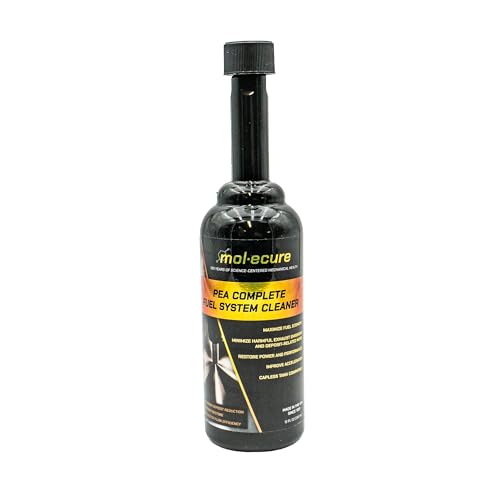
To use a fuel system cleaner effectively, add the entire bottle to a nearly empty tank right before you fill up with fresh gasoline. This ensures the cleaner mixes thoroughly with the new fuel, creating a potent cleaning solution that circulates through the entire system.
Based on professional use and lab testing, here is the best practice:
- Choose a High-Quality Cleaner: Look for a fuel system cleaner that contains Polyetheramine (PEA). PEA is a powerful detergent that is highly effective at removing stubborn carbon deposits from fuel injectors, intake valves, and combustion chambers.
- Add to a Low Tank: Wait until your fuel tank is near empty (around 1/4 full or less). Pour the entire bottle of the selected fuel additive directly into your gas tank.
- Fill Up Immediately: Drive straight to a gas station and fill the tank completely with high-quality, high-octane premium gasoline. The act of filling the tank will agitate and mix the cleaner with the fresh fuel.
- Drive Normally: Drive your car as you normally would. The cleaner works as you drive, and you should start to notice improvements like a smoother idle and better throttle response as you burn through the tank of treated fuel.
FAQs About can bad gas cause car to shake
How long does it take for bad gas to affect a car?
Bad gas can affect a car almost immediately, often within minutes of pulling away from the gas station. The contaminated fuel is drawn from the tank by the fuel pump and sent to the engine right away. If the contamination is significant (like a large amount of water), you will notice severe symptoms like shaking and stalling very quickly.
Will the check engine light turn off after fixing the bad gas?
Yes, in many cases the check engine light will turn off on its own after you’ve resolved the issue. After burning through a tank or two of fresh gasoline with a fuel system cleaner, the engine’s computer will recognize that the misfires have stopped. It may take several driving cycles (a cycle typically includes a cold start, driving, and shutdown) for the light to reset automatically.
Can bad gas cause permanent damage to my engine?
Yes, if you continue to drive with severe symptoms, bad gas can cause permanent damage. A flashing check engine light indicates a severe misfire that can overheat and destroy the catalytic converter, an expensive and critical emissions component. Water in fuel can also promote rust inside the fuel tank and lines, and severe engine knock from low-octane fuel can damage pistons over time.
Is it safe to drive with a car that is shaking?
It is not recommended to drive a car that is shaking, especially if the check engine light is flashing. A flashing light signifies a severe engine misfire that could cause damage to your catalytic converter. If the shaking is severe, it’s safest to pull over and have the vehicle towed to a mechanic to prevent costly repairs.
How much does it cost to fix a bad gas issue?
The cost can range from under $20 to over $500. If the issue is minor and can be solved with a bottle of fuel additive and a tank of premium gas, your cost is minimal. If the contamination is severe and requires a mechanic to drain and clean the fuel tank and replace the fuel filter, the cost could be between $200 and $500 or more, depending on the vehicle.
Can using a higher octane fuel like premium fix the shaking?
It can help, but it’s not a guaranteed fix on its own. If the shaking is caused by low-octane fuel in an engine that requires premium, then yes, filling up with the correct high-octane gas will solve the problem. If the issue is water or sediment, high-octane fuel will help dilute the bad gas but won’t remove the contaminants. It should be used in conjunction with a fuel system cleaner.
What’s the difference between bad gas and a bad fuel pump?
Symptoms can be similar, but a bad fuel pump is typically a more consistent failure. A car with a bad fuel pump will struggle to start or maintain power consistently, regardless of when you last got gas. Bad gas symptoms often appear suddenly after a fill-up. A mechanic can perform a fuel pressure test to definitively diagnose a failing fuel pump.
Can old gas from my car sitting for months cause it to shake?
Yes, absolutely. Gasoline degrades over time, typically within 3-6 months. Old gas loses its volatile compounds, making it harder to ignite properly. This leads to incomplete combustion, misfires, and shaking. It can also form varnish and gummy deposits that clog fuel injectors.
Does a loose gas cap cause a car to shake?
A loose gas cap will not typically cause a car to shake. It can, however, trigger the check engine light because it allows fuel vapors to escape, creating a leak in the evaporative emissions (EVAP) system. The shaking is almost always related to a combustion problem (fuel, spark, or air), not the EVAP system.
How can I avoid getting bad gas in the first place?
To avoid bad gas, stick to busy, reputable “Top Tier” gas stations. These stations have high fuel turnover, meaning the gas is less likely to be old, and they use enhanced detergent packages. Avoid filling up if you see a tanker truck refilling the station’s underground tanks, as this process can stir up sediment.
Key Takeaways: Bad Gas and Car Shaking Summary
Navigating a car problem can be stressful, but understanding the core issues empowers you to find the right solution. When it comes to shaking caused by bad gas, the relationship is clear, and the fix is often straightforward. Here are the most important points to remember from this guide.
- Direct Cause and Effect: Bad gas is a definite cause of car shaking. The vibration is a direct symptom of engine misfires caused by poor combustion from contaminated or improper fuel.
- Look for Sudden Symptoms: The most telling clue for bad gas is the sudden onset of symptoms—like shaking, hesitation, or a flashing check engine light—immediately after refueling your vehicle.
- Don’t Ignore a Flashing Check Engine Light: A flashing CEL is a critical warning of a severe misfire. Continuing to drive can cause expensive damage to your catalytic converter. Pull over safely and seek professional diagnosis.
- Diagnosis is Key: Before attempting a fix, rule out other common issues. Shaking that starts after a fill-up points to gas; gradual, rhythmic shaking points to spark plugs; a “clunk” when shifting gears points to engine mounts.
- The Easiest Fix Comes First: For most minor cases of bad gas, the solution is to add a full bottle of a quality fuel system cleaner (containing PEA) and then fill the rest of the tank with fresh, high-octane gasoline to dilute the bad fuel.
- Professional Help for Severe Cases: If the tank is heavily contaminated with water or debris, or if the shaking is violent, the safest and most effective solution is to have a mechanic drain the fuel tank completely.
Final Thoughts on Can Bad Gas Cause Car to Shake
In conclusion, the alarming sensation of your car shaking is very often a direct result of bad gas. This isn’t just a coincidence; it’s a clear signal that the fuel in your tank is preventing your engine’s internal combustion process from running smoothly. Whether due to water contamination, the wrong octane, or old, degraded fuel, the resulting engine misfires create the vibrations you feel.
The good news is that in many situations, this is a solvable problem that doesn’t require a costly trip to the mechanic. By following the diagnostic steps to rule out other issues and starting with the simplest fix—diluting the bad fuel and using a quality fuel system cleaner—you can often restore your car’s smooth performance.
Remember to trust your instincts. If your car starts acting up right after a fill-up, bad gas is a logical suspect. By being a proactive and informed vehicle owner, you can tackle this common issue with confidence and keep your engine running strong for years to come. What’s been your experience with bad gas?
Last update on 2026-02-14 / Affiliate links / Images from Amazon Product Advertising API


![Hello Kitty Car Decorations: 11 Cute Aesthetic Ideas for [year]](https://i0.wp.com/carxplorer.com/wp-content/uploads/2026/02/Hello-Kitty-Car-Decorations-11-Cute-Aesthetic-Ideas-for-year-1.png?resize=60%2C60&ssl=1 "Hello Kitty Car Decorations: 11 Cute Aesthetic Ideas for [year] 4")
![Floral Volkswagen Beetle: 9 Retro Design Ideas for [year]](https://i0.wp.com/carxplorer.com/wp-content/uploads/2026/02/Floral-Volkswagen-Beetle-9-Retro-Design-Ideas-for-year-1.png?resize=60%2C60&ssl=1 "Floral Volkswagen Beetle: 9 Retro Design Ideas for [year] 6")
![VW Car Guide: [year] Model Reviews, Prices & Top Specs](https://i0.wp.com/carxplorer.com/wp-content/uploads/2026/02/VW-Car-Guide-year-Model-Reviews-Prices-Top-Specs-1.png?resize=60%2C60&ssl=1 "VW Car Guide: [year] Model Reviews, Prices & Top Specs 8")
![Purple Beetle Car Aesthetic: 9 Best Design Ideas for [year]](https://i0.wp.com/carxplorer.com/wp-content/uploads/2026/02/Purple-Beetle-Car-Aesthetic-9-Best-Design-Ideas-for-year-1.png?resize=60%2C60&ssl=1 "Purple Beetle Car Aesthetic: 9 Best Design Ideas for [year] 10")
![Volkswagen Beetle Hello Kitty Theme: 7 Best Design Ideas [year]](https://i0.wp.com/carxplorer.com/wp-content/uploads/2026/02/Volkswagen-Beetle-Hello-Kitty-Theme-7-Best-Design-Ideas-year-1.png?resize=60%2C60&ssl=1 "Volkswagen Beetle Hello Kitty Theme: 7 Best Design Ideas [year] 12")