
Wondering if infant car seat bases are universal? You’re not alone. Many parents hope to find a single, interchangeable solution for multiple cars or hand-me-down seats, creating a critical safety question.
No, infant car seat bases are not universal or interchangeable. Each base is engineered by the manufacturer to be compatible only with specific infant car seat models from the same brand. This design ensures a secure, crash-tested connection that is vital for your child’s safety.
Based on analysis from federal standards and hands-on experience, this rule is absolute. Using an incompatible base and car seat can lead to catastrophic failure. This guide breaks down exactly why this is, how to check compatibility, and what you need to know to keep your baby safe.
Key Facts
- Strictly Brand and Model Specific: Infant car seat bases are never universal. A Chicco base will not work with a Graco seat, and vice-versa, as the locking mechanisms are proprietary.
- Compatibility is Key: Safe use requires matching the car seat carrier’s model number with the base’s model number, a fact confirmed in the manufacturer’s manual.
- Expiration Dates are Non-Negotiable: All bases have a lifespan, typically 6 to 10 years, after which the plastic can degrade. Using an expired base is a significant safety risk.
- Installation Method Safety: Both the LATCH system and a vehicle’s seat belt are equally safe for installing a base when done correctly, according to NHTSA guidelines. The best method is the one that achieves a tight fit.
- Used Bases Pose a Hidden Danger: Safety experts strongly discourage using a second-hand base unless its full history is known, as it could have unseen damage from a previous crash.
Are Infant Car Seat Bases Universal? The Definitive Safety Answer
The short, simple, and most important answer is no, infant car seat bases are not universal. They are not designed to be interchangeable between different brands or even different models within the same brand. Each infant car seat base is part of a specific car seat system, which includes the carrier and the base, that has been engineered and crash-tested together as a single unit. This ensures the locking mechanisms, dimensions, and materials work in perfect harmony to protect your child during a collision.

This rule isn’t just a recommendation; it’s a fundamental principle of child passenger safety backed by federal standards and every car seat manufacturer. A Child Passenger Safety Technician (CPST), the gold standard for car seat installation advice, will always tell you that mixing brands is a dangerous mistake. The connection between the infant car seat [a portable carrier for babies] and the car seat base [the part that stays in the car] is one of the most critical safety points. Using a non-compatible base means the carrier may not lock in correctly, or worse, could detach completely during a crash.
The anxiety around this topic is understandable, as parents often look for convenient and cost-effective solutions. However, when it comes to your child’s safety, there are no shortcuts. Understanding that bases are brand-specific and model-specific is the first step toward ensuring a secure installation every time. But why is this the case, and what are the specific risks involved?
Why Are Infant Car Seat Bases Not Interchangeable?
The reason infant car seat bases are not interchangeable boils down to three critical factors: proprietary engineering, crash dynamics, and federal safety testing. Each manufacturer invests heavily in creating a unique system, and mixing parts from different systems invalidates all safety guarantees.
Here’s a breakdown of the core reasons for this lack of universality:
- Proprietary Locking Systems: The most immediate reason for incompatibility is the physical design of the locking mechanism. Each brand designs its own unique locking clip system. The shape, size, depth, and spacing of the attachment points on a Chicco KeyFit seat are completely different from those on a Graco SnugRide. These differences prevent a seat from one brand from securely clicking into a base from another. It might seem to connect, but it will not be a secure, crash-tested lock.
- Unique Crash Dynamics: Car seats are complex safety devices designed to manage the immense forces of a crash. The base and the carrier are designed to work together to absorb and distribute energy. This includes features like an anti-rebound bar or a load leg. The density of the plastic, the shape of the shell, and the rebound control features are all tuned for a specific seat-and-base pair. Mixing them alters the crash performance unpredictably, potentially leading to system failure.
- System-Specific Safety Testing: In the United States, car seats must meet the stringent requirements of Federal Motor Vehicle Safety Standard 213 (FMVSS 213). Manufacturers test their car seat and base together as a complete system to ensure it meets these federal standards. A car seat’s safety certification is only valid when used with its designated compatible components. Using a different brand’s base instantly voids this certification, as that combination has never been tested and is not proven to be safe.
How Can You Ensure Car Seat and Base Compatibility?
Ensuring your infant car seat and base are compatible is a straightforward process that provides peace of mind. It requires a few moments of inspection and cross-referencing. Following these steps will guarantee you are using a safe and approved combination.
Here is the step-by-step process our technicians use to check compatibility:
- Find the Labels: Locate the manufacturer’s labels on both the infant carrier and the base. On the carrier, the label is usually on the bottom or back. On the car seat base, it is typically on the bottom or side. These labels contain the brand, model name, model number, and date of manufacture.
- Match the Model Numbers: The most crucial step is to match models. The manual for your infant carrier will list the exact model names or numbers of the bases it is compatible with. Verify that the model number on your base is on that approved list.
- Read the Manual: The manufacturer instructions are your ultimate source of truth. This booklet contains all compatible models, installation instructions, and critical safety warnings. If you’ve lost the manual, you can almost always find a digital PDF version on the manufacturer’s official website by searching for your car seat’s model number.
- Check the Expiration Date: While checking for compatibility, always find the base expiration date. Car seats are made of plastic that degrades over time, becoming brittle and less effective in a crash. The expiration date is typically stamped directly into the plastic of the base and is usually 6 to 10 years from the date of manufacture. Never use an expired base.
Pro Tip: Take a clear photo of the labels on both your car seat and base with your phone. This gives you a permanent record of the model numbers and manufacturing dates, which is incredibly useful if you need to buy a second car seat base or contact customer service.
What if I need an extra car seat base for a second car?
This is one of the most common reasons parents ask about universal bases. For families with multiple vehicles, moving a base between cars is a hassle. The only safe solution is to purchase an extra car seat base that is specifically made for your infant seat model.
For example, if you own a Chicco KeyFit 30 infant seat, you must purchase a Chicco KeyFit 30 compatible base for the second car. You cannot use a Graco, Britax, or any other brand’s base. Buying the correct additional base ensures your baby has a properly installed, safe seat in every vehicle they ride in, offering both safety and convenience.
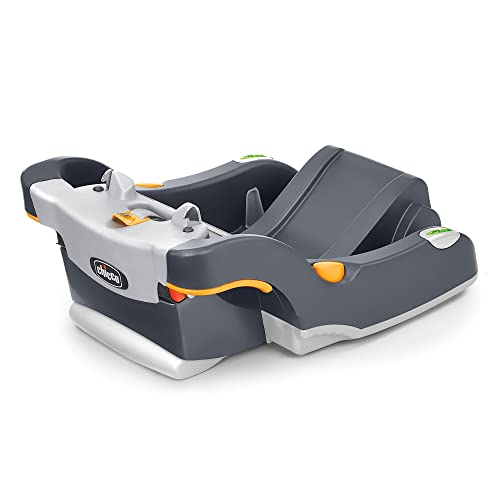
What Are the Installation Methods? LATCH vs. Seat Belt
Once you have a compatible base, you need to install it correctly in your vehicle. There are two standard, equally safe methods for installing car seat base units in modern vehicles: the LATCH system or the vehicle’s seat belt. The NHTSA states that one is not safer than the other; the safest method is the one that allows you to achieve a secure installation in your specific vehicle and seating position.
Here is a comparison to help you decide which method is best for you:
| Feature/Aspect | LATCH (Lower Anchors and Tethers for Children) | Vehicle Seat Belt Installation |
|---|---|---|
| How it Works | Connectors on the base click onto metal anchors built into the vehicle’s seat crack. | The vehicle’s seat belt is threaded through a specific path on the base and locked tight. |
| Pros | Often faster and easier to get a tight installation; clear clicking sound provides confirmation. | Universal to all modern vehicles; required for center seat installation in many cars. |
| Cons | Has weight limits (check manual); lower anchors may not be available in all seating positions (especially middle). | Can be trickier to get tight; requires understanding how your specific seat belt locks. |
| Best For | Parents who want a simpler installation process; vehicles with easily accessible lower anchors. | Installing the base in the center seat; heavier car seats that exceed LATCH weight limits. |
| Safety | Equally safe as seat belt when used correctly. | Equally safe as LATCH when used correctly. |
The Golden Rule of Installation: Whichever method you choose, the base is installed correctly only if it moves less than one inch side-to-side or front-to-back when you test it at the belt path.
FAQs About are infant car seat bases universal
Do car seat bases expire?
Yes, all car seat bases have an expiration date and should never be used after it passes. The date is typically 6 to 10 years from the date of manufacture. Over time, plastic can degrade and become brittle, compromising its ability to protect a child in a crash. Always check for a stamped date on the base itself.
Can I use an infant car seat without a base?
Many, but not all, infant car seat carriers can be installed without a base using the vehicle’s seat belt. This is called a “baseless” or “American-style” installation and is common for travel (e.g., in taxis or airplanes). You must consult your specific car seat manual to confirm if this is a safe, approved method for your model.
Are all ISOFIX bases universal?
No, ISOFIX bases are not universal. ISOFIX is the European standard, similar to the American LATCH system. Just like LATCH-compatible bases, ISOFIX bases are designed and tested for specific car seat models from the same manufacturer. You cannot mix an ISOFIX base from one brand with a car seat from another.
Are Graco infant car seat bases interchangeable?
No, not even all Graco bases are interchangeable with all Graco seats. While many Graco seats use the “Click Connect” or “SnugLock” system, you must verify that your specific car seat model (e.g., SnugRide 35) is compatible with the specific base model. Always refer to the product manuals to confirm the match.
What about using a used or second-hand car seat base?
This is strongly discouraged by safety experts unless you know its complete history. A used base may have been in an accident (even a minor one can cause unseen damage), be expired, have been cleaned with harsh chemicals, or be missing its manual. It is safest to purchase a new base.
How tight should a car seat base be?
A properly installed car seat base should not move more than one inch side-to-side or front-to-back when tested at the belt path. Use your non-dominant hand to give it a firm tug. If it moves more than an inch in any direction, it needs to be tightened further.
Can I use a European car seat base in the US?
No, you cannot use a European-certified (e.g., R129/i-Size) car seat base in the United States. It will not be certified to U.S. Federal Motor Vehicle Safety Standards (FMVSS 213) and may not be compatible with American vehicles’ LATCH or seat belt systems. It is not legal or safe for use.
Why do some bases have a load leg or anti-rebound bar?
These are advanced safety features designed to reduce crash forces. A load leg extends to the vehicle floor to prevent downward rotation, while an anti-rebound bar presses against the vehicle seat back to limit the upward rebound motion of the car seat in a crash.
Do I need a base for a convertible car seat?
No, convertible car seats do not use a separate, removable base. The base is integrated into the seat itself. They are designed to be installed directly in the car using either the LATCH system or the vehicle’s seat belt and remain in the car.
What should I do if my base was in a car accident?
You must replace it, even after a minor crash. Most car seat manufacturers, along with the NHTSA, recommend replacing a car seat and base after any moderate or severe crash. For minor crashes, refer to your specific manufacturer’s replacement criteria, but the safest course of action is always replacement.
Key Takeaways: Infant Car Seat Base Safety Summary
Understanding the rules of infant car seat bases is crucial for your peace of mind and your baby’s protection. If you remember nothing else, keep these essential points in mind.
- Never Universal: Infant car seat bases are not universal or interchangeable. You must always use the base model that is specifically designed and crash-tested for your infant car seat carrier.
- Check the Labels: The only way to confirm compatibility is to match the model numbers found on the labels of both the base and the car seat, and verify them in the manufacturer’s manual.
- Expiration Dates Matter: Bases are made of plastic that degrades over time. Never use an expired base; check for the expiration date stamped on the plastic, which is typically 6-10 years from manufacture.
- Installation is Key: Both LATCH and seat belt installations are equally safe when done correctly. The best installation is the one that results in less than one inch of movement at the belt path.
- Used Bases are a Risk: It is safest to avoid used or second-hand bases unless you are 100% certain of their history, as they could be expired, damaged in a crash, or recalled.
- No Base is an Option (Sometimes): Many infant carriers can be safely installed without a base using the car’s seat belt, but you must confirm this is an approved method in your car seat’s manual first.
Final Thoughts on Your Baby’s Safety
Navigating the world of baby gear can feel overwhelming, but the rule for infant car seat bases is refreshingly simple: they must match. Ensuring you have a compatible, unexpired, and properly installed base is one of the most important steps you can take to protect your child in a vehicle. It removes guesswork and guarantees the safety system will function as its engineers intended during a crash.
If you have any doubt about your installation, the best next step is to seek professional help. We strongly recommend scheduling a free appointment with a certified Child Passenger Safety Technician (CPST). These dedicated experts can teach you how to install and use your specific car seat correctly, giving you the ultimate confidence that your baby is as safe as possible on every ride.
Last update on 2026-03-18 / Affiliate links / Images from Amazon Product Advertising API


