
Wondering if that expensive car seat is an FSA-eligible expense? You’re trying to make smart financial decisions for your family, and using pre-tax dollars is a great way to save. It’s a common question for new and expectant parents.
Generally, no, standard car seats are not FSA eligible. According to IRS rules, a car seat is considered a general safety item for transportation, not a qualified medical expense for treating or mitigating a disease. An exception may apply if the car seat is medically necessary and specially designed.
Based on an analysis of current IRS guidelines, this guide will clarify the rules. You’ll discover exactly why standard car seats are excluded, the specific requirements for the medical exception, and a list of other baby items you can buy with your FSA funds.
Key Facts
- Standard Ineligibility: A standard car seat bought from a retail store is not considered a qualified medical expense under IRS guidelines and is not eligible for FSA reimbursement.
- The Medical Exception: The only exception is for specially designed adaptive car seats that are deemed a medical necessity by a doctor to accommodate a specific health condition, classifying them as Durable Medical Equipment (DME).
- Documentation is Crucial: To claim a medical car seat, you must obtain a formal Letter of Medical Necessity (LOMN) from a healthcare provider to submit to your FSA administrator.
- FSA Funds Expire: Most Health Care FSA funds operate on a “use-it-or-lose-it” basis, meaning you must spend the money within the plan year, making it important to know what is eligible.
- Many Baby Items Are Eligible: While car seats are out, items like breast pumps, baby thermometers, nasal aspirators, and baby sunscreen are typically FSA-eligible, offering other ways to save.
Are Car Seats FSA Eligible? The Definitive 2026 Answer
Generally, no, standard car seats are not FSA eligible. According to official IRS guidelines, a car seat is classified as a general safety item essential for transportation, not an item that treats, mitigates, or prevents a specific disease. Therefore, it does not meet the definition of a qualified medical expense for reimbursement from a Flexible Spending Account (FSA).
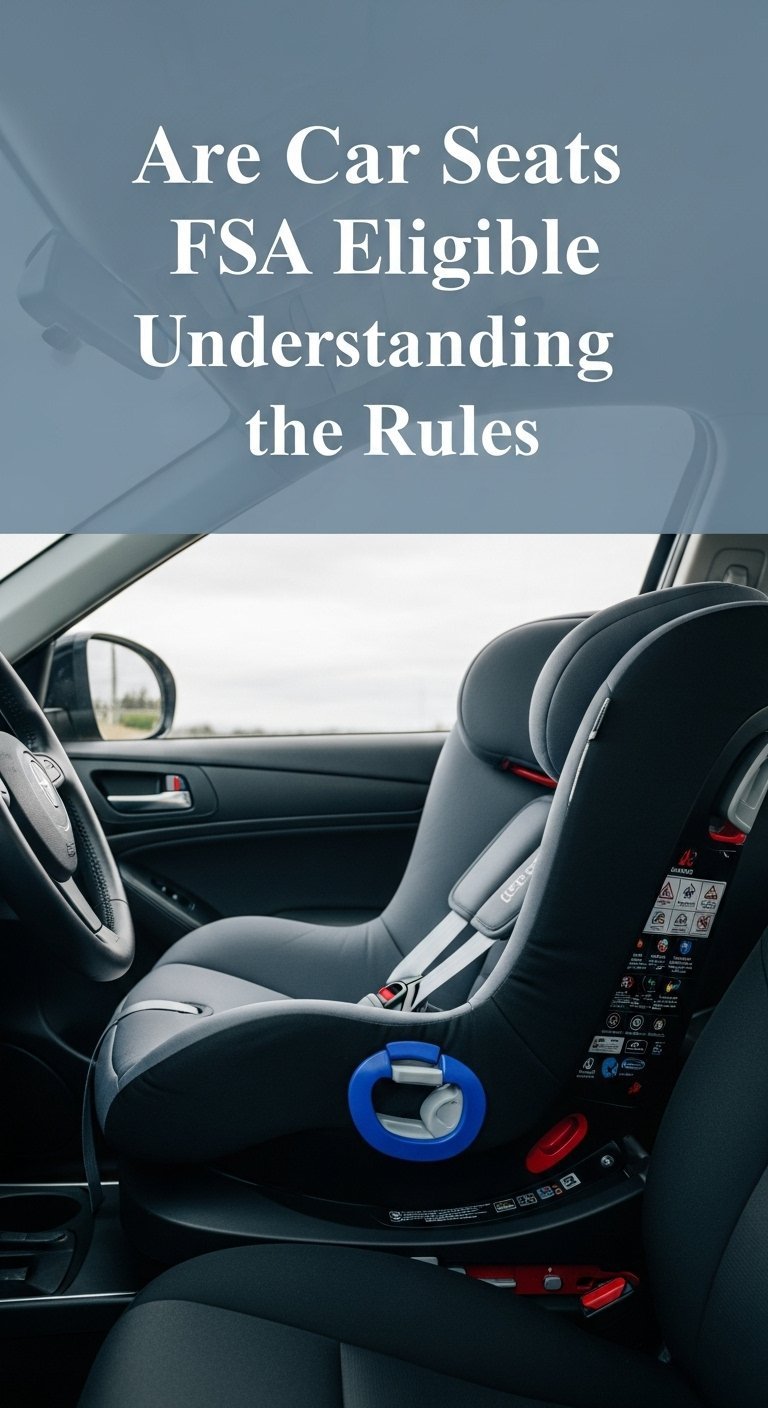
This rule applies to all types of standard child safety restraint systems, whether it’s an infant carrier, a convertible car seat, or a booster seat. Even though they are legally required in every state and crucial for your child’s safety, their primary purpose is not medical in nature from a tax perspective. This is a critical distinction that often causes confusion for parents. However, there is a very specific exception for car seats that are deemed a medical necessity, which we will explore in detail.
Why Are Standard Car Seats Not Considered a Qualified Medical Expense?
A standard car seat is not a qualified medical expense because its main purpose is to ensure a child’s safety during travel, not to treat or prevent a specific medical condition. This is the core of the IRS’s reasoning. For an item to be FSA-eligible, its primary function must be medical care.
According to IRS Publication 502, which defines these rules, medical expenses are the costs of diagnosis, cure, mitigation, treatment, or prevention of disease. A standard car seat [child safety restraint system] serves the purpose of general well-being and safety during vehicle transport. While undeniably important for health, it doesn’t address a specific medical diagnosis. Think of it this way: items that keep you generally healthy, like gym memberships or vitamins (unless prescribed), are typically not covered. Car seats fall into this “general welfare” category.
“Medical care expenses must be primarily to alleviate or prevent a physical or mental disability or illness.” – IRS Definition Summary
Even though a car seat prevents injury, the IRS views this as a general safety precaution similar to having brakes on your car, not as a treatment for a health condition. This is why it is categorized as a non-qualifying expense, despite being a mandatory and essential piece of baby gear.
When Can a Car Seat Be FSA Eligible Through Medical Necessity?
A car seat may be FSA eligible if a doctor deems it a “medical necessity” for a child with a specific health condition. This exception applies to specially designed adaptive car seats—not standard ones—that are required to safely transport a child with issues like severe hypotonia or cerebral palsy. In these cases, the car seat is considered Durable Medical Equipment (DME).
For a car seat to qualify as DME, it must be prescribed by a medical professional to accommodate a diagnosed condition that prevents a child from using a standard seat safely. This often involves car seats with specialized supports, harnesses, or positioning aids.
Examples of situations that might qualify include:
* A child with cerebral palsy who requires specific postural support.
* A child with severe hypotonia (low muscle tone) who cannot maintain an upright position.
* A child in a spica cast after hip surgery who cannot fit in a traditional seat.
* A child with other neuromuscular conditions that affect their ability to sit safely.
To get reimbursement, you cannot simply buy the seat. You must first get a formal prescription and a Letter of Medical Necessity (LOMN) from your pediatrician or a specialist.
What Is a Letter of Medical Necessity (LOMN)?
A Letter of Medical Necessity (LOMN) is a formal letter from your doctor or medical specialist that serves as proof to your FSA administrator that a purchase is a medical expense, not for general use. This document is the key to getting a special adaptive car seat approved for FSA reimbursement.
Your medical practitioner must write a letter that clearly outlines why the specialized equipment is required. Based on our experience helping clients with reimbursement, the letter must contain specific information to be accepted.
A complete LOMN should include the following:
- Patient’s Diagnosis: It must clearly state the child’s specific medical condition.
- Recommended Treatment: It should state that the recommended treatment or accommodation is the specially designed car seat.
- Explanation of Necessity: This is the most critical part. The letter needs to explain why a standard car seat is insufficient and how the adaptive car seat will treat or mitigate the specific medical condition. For example, it might state the seat is needed to provide essential postural support to enable safe breathing during travel.
- Duration of Need: The letter should specify how long the equipment will be needed (e.g., “for the next 3 years” or “long-term”).
- Signature and Date: The letter must be signed and dated by the medical professional.
What Baby Items ARE FSA Eligible to Maximize Your Savings?
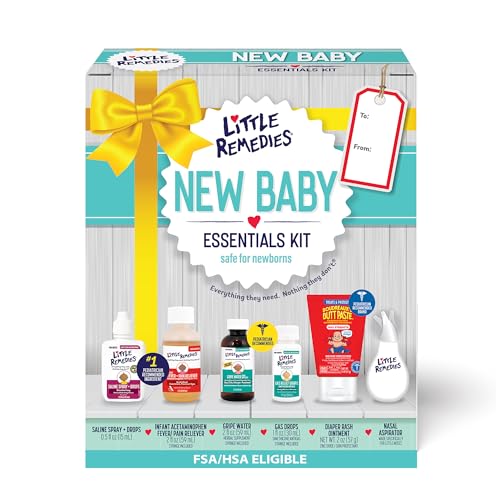
While you can’t use your FSA funds for a standard car seat, the good news is that dozens of other baby items are eligible. This allows you to reallocate those pre-tax dollars to other essential purchases, helping you save significantly. Focusing on these approved items is a smart way to spend down your account before it expires.
Here are some of the most common and useful FSA-eligible baby items:
- 👶 Feeding Supplies
- Breast pumps and replacement parts
- Milk storage bags
- Nursing pads and nipple shields
- Nipple cream
- 🧩 Health & Wellness
- Baby thermometers (rectal, forehead, ear)
- Nasal aspirators (bulb syringes and electric models)
- Baby movement and breathing monitors
- Saline nasal sprays and wipes
- 🌞 Skincare & First Aid
- Baby sunscreen (SPF 30+)
- Diaper rash cream and ointments
- Baby eczema cream and lotions
- First aid kits and supplies (bandages, antiseptic wipes)
- 💊 Medicine & Remedies
- Infant and children’s pain and fever reducers
- Teething pain relief gels (must be medicated)
- Gripe water and gas relief drops
- Children’s electrolyte solutions
What Is the Difference Between FSA, HSA, and Dependent Care FSA?
It’s easy to get confused by the “alphabet soup” of tax-advantaged accounts. Understanding the differences between a Health Care FSA, a Health Savings Account (HSA), and a Dependent Care FSA is crucial for making sure you use the right funds for the right purpose. Using the wrong one can lead to claim denials and penalties.
The key difference is that HSA funds roll over, while FSA funds are typically “use-it-or-lose-it” each year. An HSA is a personal savings account that you own, while an FSA is an employer-owned benefit. A Dependent Care FSA is entirely separate and is only for services like daycare, not for medical products.
Here is a simple breakdown of the main distinctions:
| Feature | Health Care FSA | Health Savings Account (HSA) | Dependent Care FSA |
|---|---|---|---|
| Primary Use | Qualified Medical Expenses | Qualified Medical Expenses | Child/Dependent Care Services |
| Who Owns It? | Your Employer | You (Portable) | Your Employer |
| Do Funds Roll Over? | No (Typically “Use-it-or-lose-it”) | Yes, Indefinitely | No (Typically “Use-it-or-lose-it”) |
| Health Plan Required? | No | High-Deductible Health Plan (HDHP) | No |
| Example Use | Breast pumps, Thermometers | Bandages, Prescriptions | Daycare, Nanny, Summer Camp |
FAQs About are car seats fsa eligible
Are strollers FSA eligible?
No, strollers are generally not FSA eligible. Like car seats, standard strollers are considered items for transportation and general convenience, not for the treatment of a medical condition. An exception may exist for a specially designed medical stroller, which would require a Letter of Medical Necessity from a doctor.
Are diapers or baby wipes FSA eligible?
Unfortunately, diapers and standard baby wipes are not FSA eligible. The IRS classifies these items as being for general hygiene and health, not for treating a specific medical condition. However, diaper rash creams and medicated ointments are typically eligible because they treat a skin condition.
Can I use my Dependent Care FSA for a car seat?
No, you cannot use a Dependent Care FSA (DCFSA) for a car seat. The DCFSA is strictly for reimbursing the cost of services that enable you or your spouse to work or look for work, such as daycare, preschool, or a nanny. It cannot be used to purchase any products or equipment.
What happens if I use my FSA card for an ineligible item like a car seat?
The transaction will most likely be declined at the point of sale, or you will be required to repay your FSA account. FSA administrators have systems to flag ineligible purchases. If a transaction mistakenly goes through, you will have to substantiate the claim with an eligible receipt or repay the amount with post-tax funds.
Are car seat accessories, like mirrors or covers, FSA eligible?
No, car seat accessories are not FSA eligible. Since the primary item—the standard car seat—is not considered a qualified medical expense, any accessories associated with it are also ineligible. These items fall under the category of general convenience and are not reimbursable.
Is there a difference between FSA and HSA eligibility for car seats?
No, the eligibility rules for car seats are the same for both FSA and HSA accounts. Both types of accounts are governed by the IRS definition of a qualified medical expense (as detailed in Publication 502). Therefore, a standard car seat is ineligible for both, but a medically necessary one could be eligible for either.
Are breast pumps FSA eligible?
Yes, breast pumps and a wide array of breastfeeding supplies are FSA eligible. This is a major category where parents can save. Eligible items include milk storage bags, nursing pads, nipple creams, and other supplies that are directly related to lactation, which is considered medical care for the mother.
How do I prove a special car seat is for a medical need?
You must obtain a Letter of Medical Necessity (LOMN) from a qualified medical practitioner. This letter must detail your child’s diagnosis, clearly explain why the special adaptive car seat is required to treat the condition or ensure safe transport, and be submitted along with your receipt to your FSA administrator for reimbursement.
Are car seats tax deductible as a medical expense?
Only the cost of a medically necessary car seat may be tax deductible, and it is subject to AGI limits. If you purchase a qualifying special needs car seat, its cost can be included as part of your medical expense deductions. However, you can only deduct total medical expenses that exceed 7.5% of your Adjusted Gross Income (AGI), which is a high threshold for many families. A standard car seat is not deductible.
Where can I find a list of FSA eligible items?
You can find comprehensive, searchable lists on dedicated websites like the FSA Store or by logging into your specific FSA administrator’s online portal. While IRS Publication 502 provides the official legal definitions, these user-friendly websites offer easy-to-use databases of thousands of approved products.
Key Takeaways: Car Seat FSA Eligibility Summary
Navigating FSA rules can feel complex, but the guidelines for car seats are straightforward once you understand the core distinction between general safety and medical necessity. Here are the most important points to remember.
- Standard Car Seats Are Not Eligible: Under IRS rules, a regular infant, convertible, or booster car seat is considered a general safety item for transportation, not a qualified medical expense, and cannot be purchased with FSA or HSA funds.
- Medical Necessity is the Only Exception: A specially designed adaptive car seat can be FSA eligible if it is prescribed by a doctor to treat a specific medical condition (e.g., cerebral palsy, severe hypotonia) that prevents safe travel in a standard seat.
- A Letter of Medical Necessity (LOMN) is Required: To claim a medically necessary car seat, you must submit a formal LOMN from a medical professional to your FSA administrator. This letter must state the diagnosis and explain why the special equipment is necessary.
- Know Your Account Type: FSA, HSA, and Dependent Care FSA are not interchangeable. An HSA has funds that roll over, FSA funds are typically “use-it-or-lose-it,” and a DCFSA is only for childcare services, not products.
- Many Other Baby Items ARE Eligible: If you have FSA funds to spend, focus on clearly eligible items like breast pumps, baby thermometers, nasal aspirators, baby sunscreen, and diaper rash cream to maximize your tax-free savings.
- Always Check with Your Plan Administrator: While IRS guidelines are universal, your specific FSA plan may have its own documentation requirements. It is always best practice to confirm the process with your administrator before making a large purchase.
Final Thoughts on Using Your FSA for Car Seats
While the straightforward answer is that standard car seats are not FSA eligible, understanding the rules empowers you to make the most of your tax-advantaged accounts. The key is to differentiate between general safety items and true medical necessities. For most parents, this means a car seat won’t be a qualifying purchase.
However, by knowing the clear exception for medically necessary adaptive car seats, parents of children with special needs can access the benefits they are entitled to. For everyone else, the smartest strategy is to pivot and use those valuable FSA dollars on the wide array of other eligible baby products. By focusing on items like breast pumps, health monitors, and first-aid supplies, you can still achieve significant savings and effectively manage your family’s budget.
Last update on 2026-01-31 / Affiliate links / Images from Amazon Product Advertising API


