
Worried about whether you can keep a gun in your car legally? You are right to be cautious, as the laws are complex and a simple mistake can lead to severe legal trouble. You need clear, accurate information to stay compliant.
In most U.S. states, you can legally keep a gun in your car, but the specific requirements for how it must be stored and whether you need a permit are dictated by state law. The legality hinges on factors like whether the firearm is loaded, if it’s in a “secured container,” and your concealed carry permit status.
Based on an analysis of current federal statutes and state-level legal frameworks, this guide will break down the complex rules. You will learn the core principles that govern vehicle carry laws nationwide. This will empower you to understand your rights and responsibilities, no matter where you drive.
Key Facts
- Legal Nuance is High: The legality of carrying a firearm in a car depends on a complex web of federal, state, and even local laws, with no single “one-size-fits-all” answer.
- Federal “Safe Passage” Exists: Federal law, specifically the Firearm Owners’ Protection Act (FOPA), allows for interstate transport of firearms under strict conditions, providing a legal “safe passage” through restrictive states.
- Permits Greatly Expand Rights: A valid concealed carry permit (CCP) recognized in the state you’re in typically allows you to carry a loaded, accessible handgun in your vehicle, a right not usually granted without a permit.
- Theft is a Major Risk: A significant percentage of stolen firearms are taken from vehicles, as reported by the Department of Justice, making secure storage not just a legal issue but a critical public safety one.
- “Constitutional Carry” is Growing: An increasing number of states have adopted “Constitutional Carry” laws, which allow legal gun owners to carry a firearm in their vehicle without a permit, though specific rules still apply.
Can I Legally Keep a Gun in My Car?
The legality of keeping a gun in your car depends entirely on a complex web of federal, state, and local laws. While generally permissible across the United States, the specific rules regarding the firearm’s condition (loaded or unloaded), its storage (secured in a container or unsecured), and the owner’s permit status vary significantly by jurisdiction. Think of it like driving laws—mostly similar everywhere, but the small, state-specific details are what can get you in trouble.

Understanding these rules is not just a suggestion; it’s a necessity for any responsible gun owner to avoid serious legal penalties. The core question isn’t just if you can have a firearm in your vehicle, but how you must do so to remain compliant. But what does “secured” actually mean? And how do concealed carry permits change the rules? These are the critical questions this guide will answer.
Legal Disclaimer: This article is for informational purposes only and does not constitute legal advice. Firearm laws are complex and subject to change. For guidance specific to your situation and location, you must consult with a qualified legal counsel and verify current laws with official sources like your state attorney general’s office for 2026.
How Do Federal and State Gun Laws for Vehicles Differ?
Federal law (FOPA) allows you to transport a firearm through any state as long as it’s unloaded, locked in a case, and stored in an area like the trunk. However, this federal protection only applies to continuous travel through a state. State law dictates how you can carry a gun within that state’s borders if you stop your journey or if it’s your final destination. This distinction is one of the most critical concepts for any gun owner to understand.
The primary federal law governing this is the Firearm Owners’ Protection Act of 1986 (FOPA), found in 18 U.S.C. § 926A. This statute provides a “Safe Passage” provision. It’s designed to protect gun owners from being arrested for violating local restrictions while they are traveling from one place where they can legally possess a firearm to another. It’s like a temporary ‘diplomatic immunity’ for your gun while you’re driving through a state, but only if you follow the rules exactly.
However, FOPA’s protection is narrow. It does not grant you the right to carry or use the firearm in the state you are passing through. Once your journey is no longer continuous (for example, if you stop for an overnight stay), you generally become subject to that state’s specific firearm laws. This is where state law, and the concept of “preemption”—where state law overrides local ordinances—becomes the governing authority.
What Are the Key Requirements of the “Safe Passage” Law (FOPA)?
To be protected by the federal “Safe Passage” provision under 18 U.S.C. § 926A during interstate travel, your firearm transport method must meet several strict, non-negotiable conditions. Failure to meet even one of these can void your protection.
- The Firearm Must Be Unloaded: This is an absolute requirement. There can be no round in the chamber, and in many interpretations, the magazine should not be inserted into the firearm. The firearm must be rendered incapable of being fired immediately.
- Stored in a Locked Container: Both the firearm and any ammunition must be stored in a locked container. This can be a dedicated hard-sided gun case with a lock or a vehicle gun safe. Some interpretations of the law also consider the trunk of a vehicle to be a qualifying locked container. A simple glove box or center console is often not sufficient unless it can be locked with a key.
- Inaccessible Storage: The locked container holding the firearm must be inaccessible to the driver and any passengers. This is why the trunk is often cited as the best location. Storing it in a locked case on the passenger seat, for example, would likely not meet this requirement.
Warning: FOPA protection applies only to “transporting” a firearm. It ends the moment your journey is no longer “continuous.” Stopping for sightseeing or an overnight hotel stay may subject you to local and state laws, which could be far more restrictive.
What Are the Core Rules for Storing a Gun in a Car?
The core rules for storing a gun in a car revolve around three fundamental factors: whether the firearm is loaded, whether it is concealed or openly carried, and whether it is properly secured. Each state has different laws governing the legal combination of these three conditions. Understanding these building blocks is key to interpreting any state’s specific regulations. For instance, a gun in a zipped soft case on the back seat is likely considered ‘concealed’ and ‘unsecured’ in most jurisdictions.
Here is a breakdown of these critical legal factors:
| Legal Factor | Definition & Common Interpretation | Typical Legal Status (Varies by State) |
|---|---|---|
| Loaded vs. Unloaded | Loaded: A round in the chamber OR a loaded magazine attached. Unloaded: No round in chamber, magazine removed. | Many states require firearms to be unloaded without a permit. Some permit loaded carry with a valid CCW. |
| Concealed vs. Open Carry | Concealed: Hidden from common observation (e.g., in a glove box, under a seat). Open: Visible to a person outside the vehicle. | Open carry may be legal in some states without a permit. Concealed carry almost always requires a permit. |
| Secured vs. Unsecured | Secured: Locked in the trunk or a dedicated, locked container. Unsecured: Easily accessible (e.g., on the seat, in a map pocket). | Most states have specific definitions. “Secured” is often a requirement for transport without a permit. |
Legal Trap: Never assume a glove box is a “locked container” just because it has a latch. Many state statutes require the compartment to be genuinely locked with a key to meet the legal definition, especially when transporting a firearm without a concealed carry permit.
Do You Need a Concealed Carry Permit to Have a Gun in Your Car?
A concealed carry permit is often not required to transport a firearm in your car if it’s unloaded and locked away. However, a permit is usually necessary if you want to keep the handgun loaded and accessible for self-defense. In a growing number of “Constitutional Carry” states, a permit may not be needed at all for eligible individuals.
A valid Concealed Carry Permit (CCP or CCW) is the single most important factor that expands your rights for carrying a firearm in a vehicle. Without one, you are generally limited to transport laws, which often require the gun to be unloaded and inaccessible. With a recognized permit, you typically gain the right to carry a loaded, concealed handgun within reach.
Here’s how a permit changes the rules:
- Loaded Carry: The primary benefit is the ability to keep your handgun loaded and ready for immediate self-defense.
- Concealed & Accessible: A permit generally allows you to store the handgun in accessible locations like a glove box, center console, or a vehicle-mounted holster.
- Reciprocity for Travel: Many states have reciprocity agreements, meaning they recognize and honor concealed carry permits issued by other states. This greatly simplifies legal travel for permit holders.
In states with “Constitutional Carry” (also known as permitless carry), these rights are extended to all law-abiding citizens who are legally allowed to own a firearm, without needing a permit. As of 2026, the list of these states continues to grow, but it is crucial to verify your state’s current status.
How Do Gun-in-Car Laws Vary By State?
Gun-in-car laws vary dramatically by state, ranging from highly restrictive states like California, which have strict rules on transport, to permissive “Constitutional Carry” states like Texas, where legal gun owners can carry without a permit. It is absolutely crucial to check the specific laws for each state you are in or traveling through, as ignorance of the law is not a valid legal defense.
To simplify this, we can group states into three general categories. Remember to always verify the specific statute with an official government source before acting.
Restrictive States (e.g., California)
In states with highly restrictive gun laws, the rules for vehicle carry are extremely strict, especially without a permit.
* Unloaded Mandate: According to California Penal Code, firearms must be transported unloaded.
* Locked Container Required: The unloaded firearm must be in a locked container or in the vehicle’s trunk. The glove box or utility compartment does not count as a locked container unless it is actually locked.
* Ammunition: Ammunition must typically be stored separately.
Moderate States (e.g., Virginia)
These states offer more flexibility, often distinguishing between concealed and open placement within the car.
* Accessible Carry: In Virginia, you can carry a loaded handgun in a secured but accessible location like a closed glove box or center console without a permit.
* Concealment Rules: However, if you place the gun in a way that it is concealed but not secured (e.g., under the seat), it may be considered illegal concealed carry without a permit.
* Permit Benefits: A valid Virginia concealed handgun permit removes these ambiguities, allowing for loaded, concealed carry virtually anywhere in the vehicle.
Permissive States (e.g., Texas)
“Constitutional Carry” states are the most permissive, granting significant rights to legal gun owners without requiring a permit.
* Permitless Carry: In Texas, if you are legally eligible to own a handgun, you can carry it loaded and concealed in your vehicle without a license to carry.
* Holster Requirement: As of 2026, Texas law removed the requirement for the handgun to be in a holster when carried in a vehicle.
* Prohibited Locations: Even in permissive states, there are still places where firearms are prohibited, such as schools and federal buildings, and these rules still apply to your vehicle if parked on their property.
How Can You Secure a Firearm in Your Vehicle to Prevent Theft and Comply with Laws?
To properly secure a firearm in your vehicle, use a dedicated car gun safe or lockbox that is physically secured to the vehicle’s frame with a steel cable or bolts. This method not only prevents theft but also helps you comply with “locked container” laws in most jurisdictions. Based on our analysis of law enforcement best practices, simply hiding a firearm under a seat or in an unlocked compartment is a leading cause of firearm theft from vehicles.
Choosing the right storage solution involves balancing security, accessibility, and legal compliance. Leaving a gun unsecured is a massive liability.
| Storage Method | Security Level | Accessibility | Legal Compliance (Typical) |
|---|---|---|---|
| Bolted Console Safe | High | Quick | High |
| Cabled Lockbox | Medium-High | Moderate | High |
| Trigger Lock | Low | Slow | Low (May not meet “secured” definition) |
| Glove Box (Unlocked) | Very Low | Quick | Very Low |
From years of working with vehicle security, experience shows that a quick-access safe, properly installed, offers the best blend of safety and readiness. Biometric or simple keypad safes allow you to retrieve your firearm in seconds while keeping it secure from unauthorized users and smash-and-grab thieves.
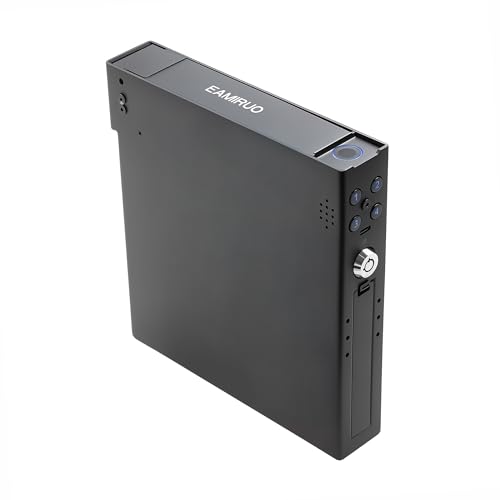
A quality vehicle safe is an investment in both personal safety and legal peace of mind. When choosing one, look for features like 12-gauge steel construction, a pry-resistant design, and a reliable locking mechanism.
FAQs About can i keep my gun in my car
Can I keep my gun in my car at work?
This depends entirely on state law and your employer’s policy. Many states have “parking lot laws” that protect your right to keep a firearm locked in your personal vehicle on company property. However, some states allow employers to ban firearms completely. Always check both your state’s specific statute and your company’s employee handbook.
What happens if I cross state lines with a gun in my car?
You become subject to the laws of the state you enter. Your home state’s permit or carry laws do not automatically apply elsewhere unless there is a reciprocity agreement. For transport through restrictive states, you must follow the strict federal FOPA “Safe Passage” rules: firearm unloaded, locked away, and inaccessible.
Can I have a gun in a rental car?
Check the rental company’s policy and the laws of the state. Most major rental companies have corporate policies that prohibit firearms in their vehicles. Violating this policy is a breach of contract, not necessarily a crime, but it can have serious consequences. You must still comply with all state and local gun laws.
What if my vehicle is stolen with a gun inside?
You should report the theft of both the vehicle and the firearm to law enforcement immediately. Many states have laws requiring the timely reporting of lost or stolen firearms. Prompt reporting helps law enforcement track the weapon and can protect you from potential liability if the gun is later used in a crime.
Can I store ammunition with my firearm in the car?
This is highly dependent on state law and context. For transport under FOPA, ammunition must also be in a locked container or the trunk. In many states, for permitted concealed carry, you can have ammunition with the firearm. Without a permit, many states require ammo to be stored separately from the firearm.
Is a soft case considered a “secured container”?
Generally, no. Most state laws and the federal FOPA imply a container that is hard-sided and can be locked. A simple zippered soft case is usually not sufficient to meet the legal definition of a “locked container” for transport without a permit. A lockable hard case or vehicle safe is the recommended standard.
What is the difference between open and concealed carry in a vehicle?
Open carry means the firearm is visible to someone outside the car; concealed means it is hidden from view. In some states, a gun on the passenger seat is considered open carry, while in a glove box (even unlocked) it’s concealed. The legality of each action is a critical distinction in state law and is often tied to your permit status.
Can a felon have a gun in a car?
No. Federal law prohibits any person convicted of a felony from possessing a firearm or ammunition. This prohibition applies everywhere, including within a personal vehicle. There are no exceptions. This is known as being a “prohibited person,” and the legal penalties are severe.
Can I keep my gun in my car overnight?
While it may be legal in your state, it is strongly discouraged for security reasons. Vehicles are common targets for break-ins, and stolen firearms contribute to violent crime. If you must leave a firearm in a vehicle overnight, it should be in a high-quality, bolted-down vehicle safe to minimize the risk of theft.
What documents should I carry when transporting a firearm?
At a minimum, you should have your government-issued ID and your concealed carry permit, if you have one. It is also wise to have proof of ownership, such as a bill of sale, though it is not legally required in most states. When traveling, having a printout of the relevant state laws can also be helpful.
Key Takeaways: Can I Keep My Gun In My Car Summary
- Legality is State-Specific: The answer to “Can I keep a gun in my car?” is almost always “yes,” but the how is determined by your specific state’s laws regarding permits, firearm condition (loaded/unloaded), and storage (secured/unsecured).
- Permits Grant Flexibility: A concealed carry permit (CCP) recognized by the state you are in generally allows you to carry a loaded, concealed handgun in your vehicle, offering much more flexibility than carrying without one.
- Federal Law Protects Travel: The Firearm Owners’ Protection Act (FOPA) allows you to transport firearms through restrictive states, but only if they are unloaded and locked in a container inaccessible to passengers, such as the trunk. This is for travel through, not to.
- “Secured Container” is a Legal Term: Simply placing a gun under a seat or in an unlocked glove box does not meet the legal definition of “secured” in most states. A locked hard case or a dedicated vehicle gun safe is the gold standard for compliance.
- Employer Policies and Restricted Zones Matter: Even if legal by state law, your employer may prohibit firearms on their property. Additionally, federal and state laws ban firearms in specific zones like schools, post offices, and federal buildings.
- Prioritize Security Against Theft: Vehicles are a primary source of stolen guns. Always use a high-quality, properly installed vehicle gun safe to prevent theft, especially if you must leave the firearm in the car unattended.
- When in Doubt, Verify: Gun laws are complex and change frequently. Always verify the current laws with official sources, such as the state police or attorney general’s website, before you travel.
Final Thoughts on Legally Keeping a Gun in Your Car
Navigating the landscape of firearm laws for vehicles requires diligence and a commitment to responsible ownership. The core principle is that legality is a function of location and preparation. Understanding the interplay between federal protection for travel, state-specific carry laws, and the powerful rights granted by a concealed carry permit is essential.
Your primary goal should always be twofold: ensuring personal safety and maintaining strict legal compliance. This is achieved by knowing the law of any state you are in, understanding how your permit status affects your rights, and investing in a proper, high-quality vehicle safe to prevent theft. By taking these proactive steps, you can confidently and legally exercise your right to bear arms while on the road.
Last update on 2026-03-11 / Affiliate links / Images from Amazon Product Advertising API


![Rent a Car in Italy Should You Do It Expert Guide [year]](https://i0.wp.com/carxplorer.com/wp-content/uploads/2026/03/Rent-a-Car-in-Italy-Should-You-Do-It-Expert-Guide-year-2.jpg?resize=60%2C60&ssl=1 "Rent a Car in Italy Should You Do It Expert Guide [year] 6")


