Wondering if that quick duct tape fix will damage your car’s paint? You’re right to be cautious, as a temporary solution can easily lead to a permanent and costly problem. Many drivers reach for this common household item without understanding the risks involved.
Yes, duct tape can significantly damage car paint, especially when left on for extended periods or exposed to heat and sunlight. Its aggressive rubber-based adhesive can bond with the clear coat. Upon removal, it can peel off not just the clear coat but the paint layers underneath, leading to expensive repairs.
Based on consensus from automotive paint experts, this guide explains exactly why this damage happens. You will discover the professional, paint-safe method for removing duct tape and its stubborn residue. We’ll also cover the best alternatives to use for your next temporary repair.
Key Facts
- Aggressive Adhesion: Duct tape’s strong, rubber-based adhesive is designed for rough surfaces, not delicate automotive finishes, creating a bond that can be stronger than the paint itself.
- Accelerated Damage: Exposure to sunlight and heat can cause the adhesive to bake into the paint’s surface, with potential damage starting in as little as 24 hours.
- Clear Coat Peeling: The most common issue is “clear coat delamination,” where the tape pulls off the top protective layer of your paint, leaving the color coat exposed and vulnerable.
- Costly Repairs: What starts as a simple fix can lead to professional paint correction or even repainting a panel, a significantly more expensive outcome than using the correct tape.
- Safe Alternatives Exist: Tapes like painter’s tape and automotive masking tape use less aggressive, acrylic-based adhesives designed for clean removal from painted surfaces.
Will Duct Tape Damage Car Paint? A Detailed Analysis
Yes, duct tape can and often does damage car paint, sometimes severely. According to automotive paint experts, its powerful, rubber-based adhesive is not formulated for the delicate layers of an automotive finish. When you pull off the tape, it can take the clear coat and even the underlying color coat with it, a process known as delamination. The risk isn’t just theoretical; it’s a common issue seen by professional car detailers.

The likelihood of causing harm isn’t always the same. The severity of the damage depends on a few critical factors that can turn a minor issue into a major repair. Understanding these variables is key to assessing your risk. But what exactly is happening to the paint when the tape is applied?
The main risk factors include:
* Time: The longer duct tape stays on the paint, the stronger its adhesive bond becomes. A few minutes might not cause an issue, but leaving it on for days or weeks dramatically increases the chance of damage.
* Heat and UV Exposure: Sunlight is the biggest enemy. Heat from the sun softens the adhesive, allowing it to seep into the microscopic pores of your paint. At the same time, UV radiation breaks down the tape’s backing and hardens the glue, making it brittle and difficult to remove cleanly.
* Paint Condition: The age and condition of your car’s paint play a huge role. Older, single-stage paints, or paint that is already chipping or oxidized, have a much weaker bond to the car’s body. Applying strong tape to these surfaces almost guarantees it will pull off loose paint.
Why Does Duct Tape Cause Such Severe Paint Damage?
The severe damage duct tape inflicts on car paint stems from a fundamental mismatch between the tape’s design and the paint’s composition. Material science principles show that the aggressive adhesive creates a powerful chemical bond with the car’s clear coat. This bond is often stronger than the bond holding the paint layers together, leading to failure at the paint’s weakest point when the tape is removed.
This problem is amplified by environmental factors. Exposure to UV rays from the sun degrades the tape’s structure, causing the adhesive to harden and become brittle, almost like cement. Furthermore, the daily cycle of heating and cooling causes the adhesive to expand and contract, which can weaken the bond of the clear coat to the paint beneath it, making it more susceptible to peeling.
There are three primary mechanisms at play that work together to cause this damage:
1. The Aggressive Adhesive: The type of glue used is the primary culprit.
2. Environmental Exposure: Heat and sunlight act as catalysts, accelerating the damage.
3. Paint Condition: The existing health of your paint determines its vulnerability.
What Is The Role of the Aggressive Adhesive?
The primary reason duct tape is so damaging lies in its aggressive, rubber-based adhesive. This type of glue has a very high “initial tack,” meaning it is engineered to grab onto surfaces instantly and aggressively. It’s designed for permanent or semi-permanent fixes on rough, porous materials like wood, concrete, and cloth—not the delicate, non-porous surface of an automotive clear coat. Think of it like using construction glue for a scrapbook; it’s the wrong tool for the job and will cause damage. In contrast, paint-safe tapes, like painter’s tape, often use a gentler acrylic adhesive designed for clean removal.
How Do Heat and Sunlight 2026 Worsen the Damage?
Heat and sunlight are powerful accelerators that significantly worsen the potential for damage. This happens through two distinct processes that make clean removal nearly impossible. The interaction between environmental factors and the tape’s chemical makeup creates a worst-case scenario for your vehicle’s finish, especially in 2026‘s intense sun.
- Heat Expansion & Softening: Direct sunlight can easily heat a car’s surface to temperatures that soften the duct tape’s rubber adhesive. This allows the now-gummy glue to seep into the microscopic pores and imperfections of the clear coat, effectively “baking” it onto the surface.
- UV Radiation & Adhesive Hardening: At the same time, ultraviolet radiation from the sun causes photodegradation. This process breaks down the tape’s fabric and polymer chemical bonds in the adhesive, causing it to cure and harden. What was once a flexible adhesive becomes a brittle, cement-like residue that is extremely difficult to remove.
How Do You Safely Remove Duct Tape and Its Residue?
Based on tested methods used by professional detailers, safely removing duct tape and its residue requires patience, the right tools, and a gentle approach. The key is to soften the adhesive before attempting to peel the tape, which minimizes the force exerted on the paint. Ripping the tape off quickly or using the wrong tools, such as a razor blade, will almost certainly cause damage.
To safely remove duct tape, gently heat the tape with a hairdryer on a low setting to soften the adhesive. Then, slowly peel the tape back at a 180-degree angle, keeping it low against the surface to reduce tension on the paint. For any remaining residue, apply an automotive-safe adhesive remover to a clean microfiber towel and gently rub the area in small circles until the residue dissolves.

Step 1: How Do You Prepare the Area for Removal?
First, thoroughly wash and dry the tape and the surrounding paint with car soap and water. This crucial preparation step removes any abrasive dirt, dust, or grit from the surface.
Why this matters: If you skip this step, you risk grinding these abrasive particles into your paint while rubbing off the residue later, causing a web of fine scratches in your clear coat. Preventing scratches is always easier and cheaper than fixing them.
Step 2: How Do You Gently Loosen the Tape’s Adhesive?
Use a standard hairdryer on its lowest setting or a heat gun on a very low setting. Hold the device 6-8 inches away from the tape and move it continuously back and forth for about 30 to 60 seconds. The goal is to warm the adhesive, not to make the panel hot. The tape should feel warm to the touch, not hot. This gentle, controlled heat will soften the hardened glue, breaking its bond with the paint and making it much easier to peel off without taking the paint with it. Too much heat can damage the paint you’re trying to save.
What Are The Best Paint-Safe Alternatives to Duct Tape?
When you need a temporary fix for your vehicle, choosing the right tape is critical to avoid damaging the paint. Unlike duct tape’s aggressive rubber adhesive, several alternatives use gentler acrylic adhesives designed for clean removal from delicate surfaces. The best choice depends on your specific need, whether it’s for masking during a project or temporarily holding a light part in place.
Automotive body shop guidelines strictly forbid the use of duct tape on finishes. Instead, professionals rely on tapes engineered for paint safety and performance. For long-term protection against scratches and chips, paint protection film (PPF) is the undisputed industry standard.
Here is a comparison of the best paint-safe alternatives:
| Tape Type | Adhesive Strength | Paint Safety | Best For | Removal Cleanliness |
|---|---|---|---|---|
| Painter’s Tape | Low | Very High (short-term) | Masking clean lines, holding stencils | Excellent |
| Automotive Masking Tape | Medium-Low | High (heat resistant) | Body shop work, high-temp areas | Very Good |
| Gaffer’s Tape | Medium | Good (short-term) | Holding wires, temporary labels | Good (can leave residue) |
| Paint Protection Film | Very Low (static/gentle) | Excellent (designed for it) | Long-term scratch/chip protection | Excellent |
Painter’s Tape: This is the most common and accessible option. Its low-tack adhesive is perfect for short-term applications like masking off areas for touch-up paint or holding a stencil. It is not strong enough to hold car parts.
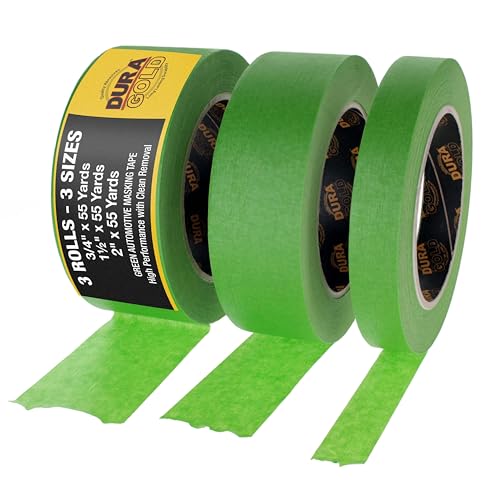
Automotive Masking Tape: This is what professionals use. It offers a slightly stronger bond than standard painter’s tape but is still designed for clean removal. It’s also resistant to higher temperatures, making it ideal for engine bay work or masking near components that get warm.
Gaffer’s Tape: Often used in the entertainment industry, gaffer’s tape has a strong cloth backing but uses an adhesive that typically removes more cleanly than duct tape. It’s a good choice for temporarily holding wires or very light trim pieces, but should still be removed as soon as possible.
FAQs About will duct tape damage car paint
Will Gorilla Tape damage car paint even more?
Yes, Gorilla Tape is significantly more likely to damage car paint than standard duct tape. It uses a much more concentrated and aggressive adhesive designed for permanent bonding on rough surfaces. Applying it to a car’s clear coat poses a very high risk of peeling off paint upon removal and leaving behind extremely difficult-to-remove residue.
How long can you leave duct tape on a car before it causes damage?
Damage can begin in as little as a few hours, especially in direct sunlight or high heat. While there’s no exact timeline, it’s highly recommended to remove it as soon as possible. After 24-48 hours, the risk of adhesive hardening, bonding with the clear coat, and causing permanent damage increases exponentially.
Can duct tape pull off the clear coat specifically?
Yes, damaging the clear coat is the most common form of harm from duct tape. The tape’s adhesive often forms a stronger bond with the clear coat than the clear coat has with the underlying base paint. When you pull the tape off, this bond breaks at the weakest point, delaminating and peeling the clear coat away with the tape.
What if the car paint is already old or chipped?
Applying duct tape to old, oxidized, or chipped paint is extremely risky. The existing paint is already compromised and has a weak bond to the vehicle’s body. The tape’s adhesive will almost certainly pull off loose chips and flakes of paint, making the original problem much worse. It can turn a small chip into a large area of missing paint.
Is there any situation where duct tape is safe for car paint?
No, there is no truly safe situation to apply standard duct tape directly to car paint. For any temporary fix, even for a few minutes, using a designated painter’s tape or automotive tape is always the superior and safer choice. The potential cost of paint repair far outweighs any temporary convenience offered by duct tape.
Will duct tape residue wash off in a car wash?
No, standard car wash soaps and pressure are not strong enough to remove hardened duct tape residue. The adhesive is designed to be water-resistant and requires specific solvents or adhesive removers to break it down chemically. Attempting to scrub it off aggressively can also scratch the paint.
Does the color of the duct tape matter?
The color of the tape does not change the type of adhesive used, so all colors pose the same risk. However, darker colors like black will absorb more heat from the sun, potentially accelerating the process of the adhesive baking onto the paint surface and worsening the potential damage.
What about using duct tape on a car window instead of the paint?
Using duct tape on glass is generally safer than on paint, but it’s still not ideal. It will leave a very stubborn residue that can be difficult to remove without harsh chemicals or scraping, which risks scratching the glass. For holding a broken window, clear packing tape is a slightly better, though still imperfect, temporary solution.
Can I put duct tape over a layer of car wax?
While a thick layer of high-quality wax or a ceramic coating can provide a small buffer, it is not a guarantee of protection. The strong solvents in the duct tape’s adhesive can still eat through the wax layer over time and bond with the clear coat underneath. It might reduce the risk slightly, but it does not eliminate it.
Is painter’s tape really strong enough to hold a car part on?
Painter’s tape is not designed for holding heavy parts like a side mirror or bumper. Its low-tack adhesive is for masking only. For temporarily holding light parts, multiple layers of a high-quality automotive masking tape or gaffer’s tape are much better options, as they have a better balance of adhesion and safe removal.
Key Takeaways: Duct Tape and Car Paint Summary
- Direct Damage is a High Risk: Duct tape’s aggressive, rubber-based adhesive is not designed for automotive finishes and can easily peel off the clear coat and paint upon removal.
- Heat and Sun are Accelerants: Leaving duct tape on your car in the sun is the worst-case scenario. UV rays harden the adhesive while heat bakes it into the paint, making damage almost certain.
- Safe Removal Requires Patience: To remove duct tape, you must use low, indirect heat from a hairdryer to soften the adhesive, then peel slowly. Never rip it off quickly.
- Residue Requires Specific Solvents: Stubborn adhesive residue will not come off in a car wash. You need a dedicated, paint-safe automotive adhesive remover and a microfiber towel.
- Always Choose a Safe Alternative: For any automotive application, use the right tool. Painter’s tape is ideal for masking, while high-quality automotive tape is designed for temporary repairs without damaging paint.
- Condition of Paint Matters: Applying duct tape over old, chipped, or oxidized paint is a guaranteed way to make the problem worse, as it will pull off any loose flakes.
- Gorilla Tape Is Even Worse: Gorilla Tape and other heavy-duty tapes use even stronger adhesives and should be kept away from your car’s paint at all costs.
Final Thoughts on Using Duct Tape for Car Repairs
The expert consensus is clear: do not use duct tape on car paint. While it may seem like a quick and convenient fix, the high risk of permanent damage, including peeling the clear coat and underlying paint, far outweighs any short-term benefit. The potential for a multi-hundred-dollar repair bill makes it one of the riskiest choices you can make for your vehicle’s finish.
Instead of reaching for the duct tape, make a small investment in the right tool for the job. Keeping a roll of automotive masking tape or even high-quality painter’s tape in your garage ensures you’re prepared for any temporary fix without putting your car’s expensive paint job in jeopardy. Prevention is always the best policy.
Last update on 2026-03-10 / Affiliate links / Images from Amazon Product Advertising API