Why is my dog panting in the car? Seeing your furry friend gasp for air during a drive is stressful, leaving you wondering if they are anxious, sick, or overheating. Identifying the root cause quickly is essential to ensure your pet’s safety and make travel bearable for everyone involved.
Dog panting in the car is most commonly caused by anxiety, motion sickness, or overheating. While dogs naturally pant to regulate body temperature, excessive rapid breathing accompanied by drooling, shaking, or whining often signals travel stress or nausea related to the vestibular system. Other potential triggers include excitement, pain exacerbated by vibration, or underlying medical conditions that require immediate attention.
Based on current veterinary advice and animal behaviorist protocols for 2026, understanding your dog’s physiological signals is the first step toward a solution. This guide breaks down the specific causes of canine travel distress and provides proven strategies to stop it, covering everything from behavioral desensitization to proper ventilation.
Key Facts
- Anxiety is the Leading Cause: Behavioral analysis indicates that travel anxiety is the most frequent reason for excessive panting in cars, often triggered by negative past associations or fear of confinement.
- Motion Sickness Mechanism: Just like humans, dogs experience a disconnect between visual inputs and the inner ear (vestibular system), leading to nausea that manifests primarily as heavy panting and drooling.
- Thermoregulation Differences: Dogs cannot sweat effectively and rely on panting to cool down; a car interior can heat up rapidly, making even mild temperatures dangerous without airflow.
- Safety Restraints Reduce Stress: Studies from pet safety centers show that securing a dog with a crash-tested crate or harness significantly reduces panting by providing physical stability and a sense of security.
- Desensitization Success: Gradual exposure therapy, or counter-conditioning, has a high success rate in resolving behavioral panting when practiced consistently over time.
Why Is My Dog Panting in the Car and 7 Ways to Stop It
Dog panting in the car is typically a symptom of underlying distress caused by anxiety, motion sickness, or overheating. While some light panting is a normal cooling mechanism, heavy or frantic breathing usually indicates that your dog is struggling with the vehicle’s environment, movement, or temperature.

Unlike humans, dogs have limited ways to express discomfort. Panting serves as a multi-purpose physiological response. It regulates body temperature, but it is also a primary stress response mechanism. When a dog pants in the car, they are communicating a physiological or emotional need. To stop the behavior, you must first accurately diagnose the trigger. Is your dog drooling? Are they shaking? Is the car too hot?
Addressing this issue requires a systematic approach. We will categorize the causes into behavioral, physiological, and environmental factors to help you pinpoint the exact issue. Following this diagnostic overview, we will explore seven actionable methods to resolve the problem, ensuring your next trip is calm and safe.
Why Is My Dog Panting in the Car? (5 Key Causes)
Common causes of dog panting in the car include anxiety and stress, motion sickness, overheating, excitement, and physical pain. To choose the right solution, you must observe the accompanying symptoms, as “happy panting” looks very different from “nauseous panting.”
Anxiety and stress are frequently the culprits. If your dog associates the car with trips to the vet or being away from home, the mere sound of the engine can trigger a cortisol spike, leading to rapid breathing. Motion sickness is another major factor, particularly in puppies whose inner ears are not fully developed. Identifying the specific cause prevents you from treating a behavioral issue with a medical solution, or vice versa.
How Can You Tell if It Is Motion Sickness?
Signs of motion sickness in dogs include excessive drooling, lip licking, lethargy, and eventual vomiting, often accompanied by panting.
Motion sickness occurs when the vestibular system (the inner ear balance mechanism) detects movement that contradicts what the dog’s eyes are seeing. Unlike anxious dogs who might pace or whine, carsick dogs often become strangely quiet and inactive before they get sick. If you see thick, ropey saliva or your dog yawning repeatedly, they are likely nauseous, not just scared.
Is It Anxiety or Just Excitement?
Anxious panting is often accompanied by a low tail, pinned ears, and trembling, whereas excited panting typically involves a wagging tail, alert ears, and loose body posture.
Distinguishing between high arousal (happiness) and high stress (fear) is critical. A dog panting from excitement will look “bright” and engaged, perhaps moving from window to window. An anxious dog will often display a “grimace” with the corners of the mouth pulled back tight, a lowered body, and may refuse treats.
Comparison: Anxiety vs. Motion Sickness vs. Excitement
| Feature/Symptom | Anxiety/Stress | Motion Sickness | Excitement |
|---|---|---|---|
| Panting Intensity | Rapid, often with tight mouth | Heavy, rhythmic | Rapid, “happy” open mouth |
| Drooling | Minimal to moderate | Excessive/Thick | Minimal |
| Body Posture | Tense, low, shaking | Lethargic, head down | Loose, wiggly, alert |
| Vocalization | Whining, high-pitched barking | Usually silent or moaning | Barking, yipping |
| Movement | Pacing, trying to hide | Still, bracing self | Moving window to window |
| Primary Trigger | Entering the car/Engine start | Car movement/Turns | Destination cues |
When Is Dog Panting in the Car an Emergency?
Dog panting in the car becomes an emergency if accompanied by dark red or blue gums, vomiting, collapse, or unresponsiveness. These are classic signs of heatstroke or severe medical distress requiring immediate veterinary intervention.
Heatstroke is a life-threatening condition that can occur even on mild days if ventilation is poor. If your dog’s panting is extremely loud (raspy), their tongue appears swollen, or they seem disoriented, pull over immediately. Move the dog to a shaded area and offer small amounts of water. Never ignore these red flags, as organ damage can occur quickly.
What Are the 7 Ways to Stop Dog Panting in the Car?
To stop a dog from panting in the car, optimize ventilation, use calming pheromones, secure the dog in a crash-tested crate, and practice desensitization training. Implementing a combination of environmental changes and behavioral training usually yields the best results.
1. Optimize Vehicle Temperature and Ventilation
Ensure the car is cool before the dog enters and maintain airflow using AC or open windows to prevent heat-related panting.
Because dogs cannot sweat like humans, they are far more susceptible to overheating. Even if the car feels comfortable to you, the lack of airflow in the back seat or cargo area can be stifling. Pre-cool the car for 10 minutes before departure. If your dog is in a crate, ensure the AC vents are directed toward them or use a battery-operated fan to keep air moving.
2. Secure Your Dog with a Crate or Harness
Securing a dog in a crate or harness reduces motion sickness by limiting swaying and alleviates anxiety by providing a sense of security.
A loose dog spends a significant amount of energy just trying to keep their balance as the car turns and brakes. This physical exertion increases panting. A crash-tested crate or harness acts like a seatbelt, stabilizing the dog’s body. For anxious dogs, a crate also provides a “den” that can be covered to block out frightening visual stimuli.

3. Manage Motion Sickness Proactively
To manage dog motion sickness, withhold food for 2-3 hours before travel and ensure the dog faces forward to stabilize the vestibular system.
Physiological nausea is best managed by controlling the stomach and the eyes. Traveling on a full stomach can lead to vomiting, while facing forward helps the brain reconcile movement signals.
* Fast before travel: Avoid large meals immediately before a trip.
* Fresh air: Crack a window slightly to equalize air pressure.
* Forward facing: Use a harness that tethers the dog in a seated, forward-facing position.
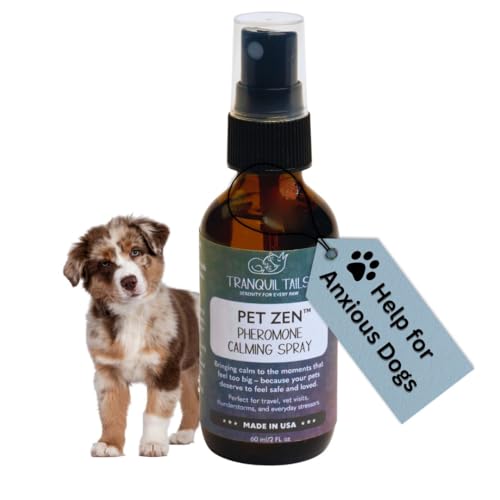
4. Use Natural Calming Aids and Pheromones
Natural calming aids like Dog Appeasing Pheromones (DAP), calming wraps (ThunderShirt), and CBD treats can help reduce mild car anxiety panting.
For dogs with mild to moderate stress, non-pharmaceutical options can be highly effective. Products containing DAP mimic the comforting pheromones released by a nursing mother dog. Anxiety wraps apply gentle, constant pressure to the dog’s torso, which has a calming effect similar to swaddling an infant.
5. Desensitize Your Dog to the Car (Counter-Conditioning)
Desensitization involves gradually exposing the dog to the car while providing high-value treats, starting with a parked vehicle and progressing to short trips to build positive associations.
This is a long-term solution that addresses the root cause of the fear. The goal is to change the dog’s emotional response from “Car = Scary” to “Car = Treats.”
Step 1: Create Positive Associations Parked
Start with the engine off. Open the car door and reward your dog just for looking at it or stepping near it. Feed them their dinner inside the parked car to build a positive association.
Step 2: Introduce Engine Noise
Once they are comfortable sitting in the parked car, turn the engine on and immediately offer high-value treats (like chicken or cheese). Turn the engine off and stop the treats. Repeat this until the engine sound predicts good things.
Step 3: Short “Happy” Drives
Progress to driving just around the block or to a fun destination like a park. Avoid driving only to the vet or groomer, which reinforces the negative association.
6. Consult Your Vet About Medication
For severe cases, veterinarians may prescribe anti-nausea medication like Maropitant (Cerenia) or anti-anxiety medications like Gabapentin or Trazodone.
If training and natural remedies fail, or if the anxiety is causing panic (clawing at windows, self-injury), pharmacological intervention is necessary. Modern veterinary medicine offers safe options that do not just sedate the dog but actually block the anxiety or nausea pathways in the brain. Always consult a vet; never give human medication without approval.
7. Drive Smoother and Plan Your Route
Reducing speed on corners, braking gently, and taking frequent breaks can significantly reduce a dog’s motion sickness and stress-related panting.
Your driving style has a direct impact on your dog’s comfort. Sharp turns and sudden stops throw the dog off balance, triggering the vestibular system. Drive as if you have an open cup of coffee on the dashboard. Plan routes that avoid winding roads where possible and stop every 1-2 hours to let the dog walk and reset their equilibrium.
Frequently Asked Questions About Dog Panting in the Car
Why Does My Dog Pant and Yawn in the Car?
Yawning combined with panting is a “displacement behavior” indicating conflict or stress, not tiredness. Dogs often yawn to calm themselves when anxious. If your dog is panting and yawning repeatedly during a car ride, they are likely experiencing significant travel anxiety rather than motion sickness or excitement.
Why Does My Dog Only Pant on Highways?
Highway panting is usually triggered by the higher sensory overload of speed, wind noise, and vibration. The increased decibel level and visual blurring on highways can overwhelm a dog’s senses. The rapid movement of other cars and the vibration of the chassis at high speeds can trigger anxiety in dogs that are otherwise calm on city streets.
Can I Give My Dog Benadryl for Car Panting?
Benadryl (Diphenhydramine) can cause mild sedation, but it is not an anti-anxiety medication and should only be used under veterinary guidance. While some owners use it for motion sickness, it is not effective for true anxiety and can sometimes cause hyperactivity (paradoxical effect). Always consult your vet for the correct dosage and to ensure it doesn’t interact with other conditions.
Why Is My Dog Panting in the Car When It’s Cold?
Panting in a cold car is a definitive sign of stress, pain, or nausea, as it cannot be attributed to heat regulation. If the temperature is comfortable or cool, the panting is purely behavioral (anxiety) or physiological (nausea/pain). This helps rule out overheating and points directly to the need for anxiety management or motion sickness treatment.
How Long Can a Dog Pant in the Car Before It’s Dangerous?
Continuous heavy panting for more than 10-15 minutes without signs of calming down warrants a break to assess the dog. While not always a medical emergency, prolonged hyperventilation alters blood chemistry (respiratory alkalosis) and can lead to physical exhaustion. If the dog is also unresponsive or has dark gums, stop immediately.
Does My Dog Need a Seatbelt to Stop Panting?
A seatbelt/harness primarily provides stability, which can reduce panting caused by the physical stress of balancing. While a seatbelt itself doesn’t “cure” anxiety, preventing the dog from sliding around corners reduces the physical effort required to stand, which can lower stress levels and motion sickness nausea.
Why Does My Older Dog Suddenly Start Panting in the Car?
Sudden onset panting in senior dogs can indicate new joint pain, vision loss, or cognitive decline (dementia) making travel confusing. Arthritis makes the vibration of the car painful, while vision loss can make movement disorienting. Consult a vet to rule out pain or Cognitive Dysfunction Syndrome (CDS).
Is It Better to Feed My Dog Before or After a Car Ride?
It is best to feed your dog a light meal 2-3 hours before travel or wait until after you arrive to prevent nausea. Traveling on a completely full stomach increases the risk of vomiting, while an empty stomach can sometimes cause acid stomach. A small amount of food hours prior is usually ideal.
Do Thundershirts Work for Car Anxiety?
Anxiety wraps like Thundershirts can be effective for mild to moderate car anxiety by applying gentle, constant pressure. They work on the principle of swaddling to release oxytocin. While not a cure-all for severe panic, they are a safe, drug-free tool to help lower the threshold of the dog’s panting and stress response.
What Is the “Open Mouth” Face vs. Stress Panting?
A relaxed “happy” pant involves a loose tongue and soft eyes, whereas stress panting involves a wide “grimace,” retracted lips (commissures), and tense facial muscles. Learning to read these micro-expressions helps distinguish between a dog that is enjoying the breeze and one that is terrified.
Key Takeaways: Reducing Dog Car Panting
- Diagnose the Cause First: Distinguish between anxiety (shaking, vocalizing), motion sickness (drooling, lethargy), and overheating to choose the right solution.
- Prioritize Safety: If panting is accompanied by dark gums, collapse, or vomiting, pull over immediately as these are signs of heatstroke or severe distress.
- Optimize the Environment: Keep the car cool with AC and improve airflow; heat stress is the fastest danger to a panting dog.
- Secure for Stability: Use a crash-tested crate or harness to reduce physical swaying, which helps with both motion sickness and insecurity.
- Train, Don’t Just Travel: Practice desensitization by associating the car with high-value treats while parked before attempting long drives.
- Manage Motion Sickness: Withhold food 2-3 hours before travel and encourage your dog to face forward to keep their inner ear balanced.
- Consult Your Vet: For severe cases, prescription anti-anxiety or anti-nausea medication may be necessary and is safer than untested home remedies.
Final Thoughts on Safe Car Travel
With patience and the right strategy, most dogs can learn to travel calmly without excessive panting.
Resolving car anxiety or motion sickness is rarely an overnight fix. It requires a commitment to observing your dog’s signals and adjusting your approach accordingly. Whether it involves upgrading your travel gear, modifying your driving habits, or spending weeks on desensitization training, the investment is worth it.
Remember that every dog is different. What works for a high-energy puppy might not work for a senior dog with joint pain. By systematically ruling out medical issues and addressing behavioral triggers using positive reinforcement, you can transform car rides from a stressful ordeal into an enjoyable adventure for you and your companion. Start small, stay consistent, and always consult your veterinarian if symptoms persist.
Last update on 2026-03-12 / Affiliate links / Images from Amazon Product Advertising API