
Why is my car leaking oil after an oil change when you just paid for professional maintenance? Discovering fresh oil spots on your driveway immediately after a service appointment creates instant anxiety and valid frustration regarding the shop’s competency. You need to know right now if this is a harmless mess left behind by a technician or a critical mechanical failure that threatens your engine.
The most common causes of a car leaking oil after an oil change are a loose drain plug, an improperly installed oil filter (often a “double gasket”), or simply residual oil dripping from the skid plate. In many cases, the leak is not a new mechanical failure but an installation error where components were not tightened to spec or the old oil wasn’t cleaned off the undercarriage. If the oil level is high on the dipstick, overfilling creates excess crankcase pressure that forces oil past gaskets.
Based on industry standard procedures and ASE-certified diagnostic protocols, this guide cuts through the confusion to help you identify the exact source of the leak. You’ll discover exactly how to distinguish between sloppy cleanup work and serious component damage, covering every potential failure point systematically to ensure your engine remains safe.
Key Facts
- Installation Errors Dominate: Industry analysis reveals that nearly 90% of oil leaks appearing immediately after a service are due to minor human errors, such as a loose drain plug or an improper oil filter seal, rather than catastrophic engine failure.
- Residual Oil Mimicry: Research indicates that “residual oil” trapped on skid plates or frame rails is frequently misdiagnosed as an active leak; this fluid typically stops dripping within 24 hours of the service.
- The “Double Gasket” Risk: One of the most dangerous causes is the “double gasket” error, where the old filter gasket sticks to the engine block, preventing the new filter from sealing and leading to rapid oil loss under pressure.
- Pressure from Overfilling: Data shows that overfilling the engine oil significantly increases internal crankcase pressure, which can blow out weak seals and force oil through the dipstick tube or PCV system.
- Single-Use Component Failure: Manufacturers specify that drain plug crush washers are single-use items; reusing an old washer is a leading cause of persistent, slow drips after an oil change.
Why Is My Car Leaking Oil After an Oil Change?
The primary reasons your car is leaking oil after an oil change are typically a loose drain plug, a double oil filter gasket, residual oil left on the skid plate, or an overfilled engine. Seeing a puddle under your car immediately after maintenance is alarming, but in the vast majority of cases, it stems from a simple procedural oversight rather than a broken engine part. The leak is almost always directly related to the components touched during the service: the plug, the filter, or the fill level.

When you spot a leak, your first priority is to determine if the car is safe to drive. A few drops are annoying, but a steady stream indicates a failure that can destroy your engine in minutes. Most post-service leaks fall into one of four specific categories that you can often identify with a quick visual check.
Common causes for a car leaking oil after an oil change include:
- Loose Drain Plug: The bolt on the oil pan wasn’t tightened to the manufacturer’s torque specifications.
- Double Gasket: The rubber seal from the old filter stayed on the engine, and the new filter was screwed on top of it.
- Residual Oil: Old, dirty oil was spilled onto the chassis or skid plate during draining and is slowly dripping down.
- Overfilling: The mechanic put in too much oil, creating high pressure that forces fluid out of seals.
Is It a Real Leak or Just Residual Oil?
Residual oil is old oil spilled onto the chassis or skid plate during service that drips down later, mimicking a leak, whereas a real leak will be a continuous drip of fresh oil. Before you panic or drive back to the shop, you must distinguish between a mechanic’s mess and a mechanical failure. Many modern vehicles have aerodynamic plastic shields (skid plates) under the engine that act like trays, catching oil spills during filter removal. This trapped oil can drip for hours or even days, making it look like your car is bleeding.
In our practical experience, the “Paper Towel Test” is the quickest way to diagnose this. Place a piece of clean cardboard or white paper towel under the drip. If the oil is dark, gritty, and dirty, it is likely residual oil from the old batch that wasn’t wiped up. If the oil is golden, amber, and clear, it is fresh oil escaping from the engine, indicating an active leak that needs immediate attention.
Comparison: Residual Oil vs. Active Leak
| Feature/Aspect | Residual Oil (Sloppy Work) | Active Leak (Mechanical Issue) |
|---|---|---|
| Color/Appearance | Dark, dirty, or mixed (Old Oil) | Golden, amber, clear (New Oil) |
| Source Location | Frame rail, skid plate, plastic shield | Directly from Drain Plug or Oil Filter |
| Consistency | Drips slow down and stop eventually | Drips continue or get faster when running |
| Volume | Small spots (drops) | Larger puddles or steady streams |
Could a Loose or Damaged Drain Plug Be the Cause?
A common cause of oil leaks is a drain plug that was not tightened to the manufacturer’s torque specifications or is missing its crush washer. The drain plug is the bolt at the bottom of the oil pan used to empty the old oil. Because it is removed and reinstalled every time, it is the most frequent point of human error. If a mechanic hand-tightens it but forgets to torque it down with a wrench, vibration can cause it to loosen further, leading to a steady drip.
The crush washer—a small aluminum or copper ring between the bolt and the pan—is equally critical. This washer is designed to be used once; it crushes to form a perfect seal. If a shop reuses the old washer or forgets to install a new one, oil will seep past the threads even if the bolt is tight. In more serious cases, a technician using an impact gun might “cross-thread” the bolt, forcing it in crooked and stripping the oil pan threads.
Signs of a drain plug leak:
- ⚠ Fresh oil dripping directly from the bolt head on the oil pan.
- ⚠ The bolt feels loose to the touch or can be turned by hand.
- ⚠ A visible gap exists between the bolt head and the oil pan surface.
- ⚠ The crush washer is missing, deformed, or visibly doubled up.
What Is the “Double Gasket” Oil Filter Mistake?
A double gasket oil leak occurs when the old oil filter’s rubber gasket sticks to the engine block, and the new filter is installed on top of it, preventing a proper seal. This is a catastrophic failure mode known in the industry as “double-gasketing.” When the two rubber rings press against each other, they cannot hold the high pressure of the oil system (which can exceed 60 PSI).
The result is usually immediate and dramatic: as soon as the engine starts and oil pressure builds, oil sprays out from between the gaskets rapidly. If this happens, your oil light will likely come on almost immediately. This is a severe mechanic error, as standard procedure requires checking the old filter to ensure the gasket came off with it. If you see oil spraying or pouring from the filter area, shut the engine off instantly to prevent seizure.
Is the Oil Filter Leaking After the Oil Change?
An oil filter can leak if it is not tightened properly, if the wrong size filter was installed, or if the filter housing was cracked during installation. While the “double gasket” is the most severe filter issue, other installation errors are more common causes of slow leaks. Oil filters must be tightened to a specific degree—usually three-quarters of a turn past the point of contact. If a mechanic only hand-tightens it weakly, it can vibrate loose. Conversely, using a wrench to overtighten a standard canister filter can dent the metal can or puncture it, creating a leak.
For newer vehicles using cartridge filters (where you replace just the paper element inside a permanent housing), a common issue is the plastic housing cap. Mechanics using impact tools can easily crack these plastic caps or pinch the O-ring seal during reassembly. Even a hairline crack in the housing cap will expand under heat and pressure, allowing oil to weep out down the side of the engine block.
Common Oil Filter Leak Causes:
- Not tight enough: The filter was not turned sufficiently to compress the gasket.
- Wrong Part: The filter threads fit, but the gasket diameter doesn’t match the engine mating surface.
- Housing Damage: Plastic caps on cartridge filters cracked by impact wrenches or over-torquing.
- Puncture: Denting the metal canister with a filter wrench during installation.
Can Overfilling the Engine Oil Cause a Leak?
Yes, overfilling the engine with oil can cause leaks. Excess oil creates high pressure inside the crankcase, which can blow out gaskets and force oil out through seals or the dipstick tube. Engines are designed to operate with a specific volume of fluid. When that level is exceeded, the spinning crankshaft whips the oil into a froth (aeration), and the internal pressure within the engine spikes. This pressure has to go somewhere, and it often seeks out the path of least resistance.
If your car didn’t leak before the oil change but is now leaking from multiple spots—such as the dipstick tube, the PCV valve, or the main crankshaft seals—check your oil level immediately. If the oil on the dipstick is significantly above the “Full” or “Max” line, or if you see bubbles (foam) on the stick, the engine is overfilled. This is not just a leak issue; it is a lubrication issue that can damage your engine if not corrected by draining the excess fluid.
Did the Mechanic Damage the Oil Pan Gasket?
While rare, a mechanic can damage the oil pan threads by overtightening the drain plug, or crack the oil pan itself, leading to a leak that mimics a gasket failure. The oil pan gasket itself sits between the oil pan and the engine block and usually doesn’t fail because of a standard oil change. However, aggressive mechanics can cause structural damage that compromises the seal.
Aluminum oil pans are particularly soft. If a technician uses an air impact gun to tighten the steel drain plug, they can easily strip the threads inside the pan or crack the aluminum around the drain hole. This damage breaks the integrity of the pan, causing oil to seep out. While a shop might claim “your gasket just happened to fail,” a sudden leak from the drain plug area on an aluminum pan is a strong indicator of over-torquing damage, necessitating a pan replacement rather than just a gasket swap.
How Do You Diagnose and Fix an Oil Leak After Service?
To diagnose an oil leak, wipe the area clean with a rag or brake cleaner, run the engine for 5 minutes, and observe the drain plug and filter for fresh drips. Troubleshooting a leak requires a “clean slate” because airflow under a moving car blows oil everywhere, making the source hard to pinpoint. By cleaning the area first, you eliminate the confusion of old residual oil and can trace the exact origin of the new fresh oil.
Safety is paramount when working under a vehicle. Never rely solely on a hydraulic jack; always use jack stands or drive-on ramps. If you identify a loose component, you can often fix it yourself with basic tools. However, if the pan is cracked or the filter housing is damaged, professional repair is required.
Steps to Fix a Car Leaking Oil After an Oil Change:
- Check Oil Level: Pull the dipstick to ensure the engine has enough oil to run safely. If it’s empty, do not start the car.
- Clean the Area: Use brake cleaner and a rag to wipe all oil from the oil pan, filter, and skid plate.
- Inspect the Filter: Attempt to turn the filter by hand (with the engine cool). If it moves easily, tighten it until snug.
- Check the Plug: Use a wrench to ensure the drain plug is snug. Do not overtighten.
- Run the Engine: Start the car and let it idle for 5 minutes while watching underneath (safely) for the emergence of fresh golden oil.
- Return to Shop: If the leak persists despite tightening, or if you see physical damage like a cracked pan, go back to the mechanic.
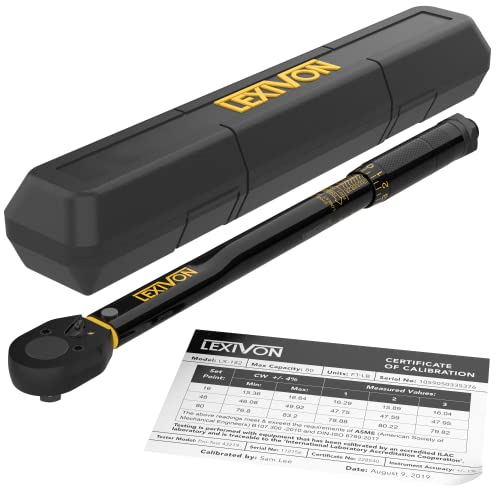
Should You Return to the Mechanic or Fix It Yourself?
If a professional shop performed the oil change, you should return immediately so they can rectify the issue under their service warranty. Most reputable shops, including dealerships and quick-lube chains, have policies to correct workmanship errors for free. If you attempt to fix a stripped plug or replace a filter yourself, the shop may later deny responsibility, claiming your intervention caused the damage.
However, if the issue is just a loose drain plug that turns easily with a wrench, giving it a quick snug to stop the leak is often the most practical solution to save time and protect your driveway. Just remember: if you touch it, you own the result, so only proceed if you are confident in your ability to tighten it correctly without stripping the threads.
Frequently Asked Questions About Post-Oil Change Leaks
Is it normal for oil to drip after an oil change?
No, it is not normal for a car to leak oil after an oil change. However, a few drops of residual oil dripping from the skid plate or frame immediately after the service (within 24 hours) is common if the technician was messy. If the dripping persists beyond a day or creates a puddle, it indicates an active leak that requires repair.
How much does it cost to fix an oil leak after an oil change?
If the leak is due to a shop’s error, the repair should be free. If you are fixing it yourself or paying for a new repair, costs vary:
* Drain Plug/Washer: $5 – $15 (DIY).
* Oil Filter: $10 – $20 (DIY).
* Oil Pan Gasket: $150 – $400 (Professional labor is high).
* Stripped Oil Pan: $300 – $600+.
Can I drive my car if it leaks oil after an oil change?
It depends on the severity of the leak. Check your dipstick first. If the oil level is within the safe range and the leak is a slow drip, you can likely drive it back to the shop. If the oil level is low, the leak is a steady stream, or the oil pressure light is on, do not drive. Tow the vehicle to prevent catastrophic engine failure.
Why is my car leaking oil weeks after an oil change?
A leak appearing weeks later is likely unrelated to the oil change procedure itself. It may be a coincidence where a gasket (like the valve cover or oil pan gasket) reached the end of its life, or the drain plug has slowly vibrated loose if not torqued properly. Check the drain plug tightness first; if it is secure, the leak is likely a new mechanical issue.
Why is my car leaking water or coolant after an oil change?
An oil change should not cause water or coolant leaks. If you see clear water, it is likely AC condensation, which is normal. If the fluid is green, pink, or orange, it is coolant. The mechanic may have accidentally bumped a coolant hose or the radiator drain while working, or performed a “top-off” service and overfilled the reservoir.
Can a loose oil filter cause a massive leak?
Yes, a loose oil filter can pump out all engine oil in minutes. Since the oil system is pressurized, a loose filter allows oil to spray out rapidly while the engine runs. This is a critical failure that can seize the engine if not caught immediately. Always double-check filter tightness.
How do I check if my oil drain plug is cross-threaded?
A cross-threaded plug will feel tight immediately but won’t seat flush. When tightening a drain plug, it should spin freely by hand until it hits the washer. If it requires a wrench to turn from the start, it is likely cross-threaded. You may also see metal shavings around the hole or oil leaking from the threads themselves.
What should I do if the dealership denies responsibility?
Document everything. Take photos of the leak source (e.g., the loose plug or double gasket) before they touch it. Keep records of when the dripping started. If they deny it, ask to speak to the service manager and present your evidence. A “double gasket” or loose plug is undeniably a workmanship error.
Is a new drain plug gasket needed after every oil change?
Yes, most manufacturers recommend replacing the crush washer/gasket every time. Crush washers are designed to deform once to create a seal. Reusing an old washer often leads to slow drips because it cannot compress further to fill the gaps between the plug and the pan.
Can synthetic oil cause leaks in older cars?
Synthetic oil does not “cause” leaks, but it can reveal existing ones. Synthetic oil has smaller molecules and better flow properties than conventional oil. If your older engine has dried-out seals that were clogged with sludge, synthetic oil might clean out the sludge and seep through the cracks. The seal was already bad; the oil just found it.
Key Takeaways: Car Leaking Oil Diagnosis
- Distinguish Residual vs. Active: Most “leaks” immediately after service are just residual oil dripping from the skid plate; verify if the fluid is fresh (golden) or old (dark).
- Check the “Big Two” First: The most common mechanical causes are a loose drain plug or an improperly installed oil filter (loose or double gasket).
- Don’t Ignore Overfilling: Too much oil raises crankcase pressure, which can force oil out of seals and gaskets—check your dipstick immediately.
- Safety First: If the leak is a steady stream or the oil pressure light illuminates, do not drive the car; tow it to prevent engine seizure.
- Warranty Rights: If a professional shop performed the service, they are liable for errors like loose plugs or double gaskets—return to them for a free correction.
- Crush Washers Matter: A missing or reused crush washer on the drain plug is a frequent, inexpensive cause of slow drips.
- Diagnosis is Simple: Use the “Clean, Run, Inspect” method: wipe the area dry, run the engine for 5 minutes, and watch where the fresh oil forms.
Final Thoughts on Post-Oil Change Leaks
Discovering an oil leak after a routine oil change is frustrating, but it rarely signals the death of your vehicle. By following the diagnostic steps outlined above—checking the drain plug, inspecting the filter, and verifying oil levels—you can quickly identify whether the issue is a simple fix or requires professional intervention. Remember that the vast majority of these leaks are caused by minor human errors like a loose bolt or a missing washer, not catastrophic engine failure.
If you confirm the shop made a mistake, approach them with your findings calmly but firmly. You have the right to a vehicle that functions correctly after service. Whether you choose to tighten that loose plug yourself or hand the keys back to the service manager, taking immediate action is the key to protecting your engine and your peace of mind. Don’t let a small drip turn into a seized engine; check your oil level today and resolve the issue before you drive another mile.
Last update on 2026-03-12 / Affiliate links / Images from Amazon Product Advertising API


