
Is your car fuse blowing repeatedly? It’s a frustrating sign that often hints at a deeper electrical problem. Understanding why this happens is the first step toward a lasting solution. Many drivers struggle with this recurring issue, turning a simple fuse replacement into a constant headache.
A car fuse keeps blowing primarily due to either a short circuit (where a wire touches metal/ground) or an overloaded circuit (too many accessories drawing power). Other causes include using the wrong amperage fuse or a damaged component like a seized motor.
From extensive experience with automotive electrical systems, addressing this issue systematically prevents further damage and potential hazards. You’ll discover the core causes, learn to diagnose the specific fault, and find actionable steps to fix your car’s electrical gremlins with confidence.
Key Facts
- Fuse Functionality: Car fuses act as critical safety devices, designed to melt and break a circuit when current exceeds a safe limit, protecting more expensive components and wiring.
- Primary Causes: Repeatedly blown fuses are most commonly caused by either an electrical short to ground (direct path to chassis) or an overloaded circuit (drawing too much power), according to industry analysis.
- Safety Risk: Replacing a blown fuse with one of a higher amperage rating can lead to overheating, melted wiring harnesses, and a significant risk of vehicle fire, as highlighted by electrical safety warnings.
- Diagnostic Necessity: Identifying the underlying fault (short vs. overload) is crucial, as visual inspection alone often misses the specific cause requiring systematic diagnostic steps.
- Common Culprits: High-use components and aftermarket accessories, such as cigarette lighter sockets, car radios, and trailer lights, are frequent sources of recurring fuse issues due to wear or poor installation.
Why Does the Fuse Keep Blowing in My Car? (Core Causes & Diagnostics)
A car fuse keeps blowing because there is a fault in the circuit causing more current to flow than the fuse is rated for. The two main causes for a repeated blown fuse are a short circuit to ground or an electrical overload. Think of the fuse like a security guard that sacrifices itself to save the expensive wiring. This blowing fuse is a symptom, not the disease.

Understanding amperage, which is the amount of electricity flow, helps clarify why fuses blow. Every circuit has a maximum safe amperage it can handle. If something causes that flow to spike, the fuse’s filament, an intentionally weak point, melts to break the connection. This prevents damage to your car’s wiring and components, which are much more costly to repair. The fuse protects the circuit by melting during excess current flow.
The problem, however, arises when a fuse blows again shortly after replacement. This signals a persistent issue within the car’s electrical system, indicating something is consistently demanding more power than the fuse is designed to allow. Ignoring this underlying fault can lead to more serious, and expensive, electrical system damage. It is essential to address the root cause rather than simply swapping fuses.
⚠ Safety Warning: Never Use a Higher Amperage Fuse ⚠
Do not be tempted to install a fuse with a higher amperage rating than specified in your vehicle’s manual. This is extremely dangerous. The fuse is sized to protect the wiring harness and components on that specific circuit. A larger fuse will allow excessive current to flow, causing wires to overheat, melt their insulation, and potentially ignite a vehicle fire. Always replace a fuse with one of the exact same amperage rating. This action aligns with critical electrical safety warnings and prevents catastrophic failure.
What Is The Risk Of Installing A Higher Amperage Fuse?
Never install a fuse with a higher amperage rating than specified. Doing so bypasses the circuit protection, causing the wiring to overheat, melt the insulation, and potentially start an electrical fire. Your car’s wiring harness is designed with specific insulation heat tolerance. A higher amperage fuse removes the designed fail-safe.
The electrical system’s wiring is rated for a specific current capacity. When you install a fuse with a higher amperage rating, you allow more current to flow than the wiring can safely handle. This excess current generates heat. This heat can be enough to melt the wire’s insulation, exposing bare conductors that can then short to the car’s metal frame. This exact scenario is a primary cause of vehicle fires. Putting a bigger fuse in is like putting a penny in a household breaker box.
What Is The Difference Between A Short Circuit And An An Overload?
A short circuit occurs when a hot wire touches the ground path directly, bypassing the component, while an overload happens when the components on the circuit draw more power than the circuit is designed to handle. Both cause fuses to blow but have different physical causes. Differentiating these concepts is key to successful troubleshooting.
To properly diagnose a repeatedly blown fuse, you must understand the distinction between these two electrical faults. A short is a “path issue,” meaning the wiring itself has a fault. An overload is a “component issue,” meaning something connected to the circuit is drawing too much power. This could be due to a seized motor or too many accessories. Think of it with a water pipe analogy: a short circuit is like a broken pipe where water gushes out uncontrollably. An overload is like connecting too many sprinklers to a single pipe, causing the pump to work too hard or the pressure to drop significantly.
| Feature/Symptom | Short Circuit (Short-to-Ground) | Electrical Overload |
|---|---|---|
| Primary Cause | Exposed wire touching metal frame (Ground) | Too many accessories or seized motor |
| Fuse Reaction | Blows Immediately / Instantly | Blows after a few seconds or minutes |
| Visual Sign | Fuse wire vaporized/black marks | Fuse wire melted/sagging but clean |
| Common Culprit | Chaffed insulation, pinched wires | Aftermarket amps, seizing fans/motors |
| Multimeter Reading | Near 0.0 Ohms (Continuity to Ground) | High Amperage Draw (above rating) |
How Do You Identify A “Short To Ground”?
A short to ground happens when the insulation on a power wire wears away, allowing the bare copper to touch the vehicle’s metal frame. This creates a direct, unintended path for electricity, causing an infinite current draw and an immediate fuse blow. The mechanism is simple: copper touches steel, creating a pop.
In your car’s electrical system, the chassis acts as the negative return path or chassis ground. When a positive (hot) wire, often due to chaffed insulation, makes contact with this metal frame, it bypasses the intended component and creates a “short.” Common places to find such an exposed copper wiring issue include door jambs, under seats where wiring can be pinched, or near hot exhaust manifolds. Vibration is a frequent cause of insulation failure. Did you just install a screw that pierced a wire?
How Do You Diagnose And Fix A Repeatedly Blown Fuse? (Step-by-Step)
To diagnose a blown fuse, first identify the circuit using the fuse box diagram, then disconnect all components on that circuit, and use a multimeter in continuity mode to test the power wire for a short to ground. This systematic approach saves time and prevents you from repeatedly wasting fuses. You can stop guessing about the electrical system.
This core instructional segment walks you through the actionable process of troubleshooting your car’s electrical problem. It shifts from understanding the “why” to executing the “how.” The goal is to provide specific, numbered methodologies that go beyond vague suggestions like “check the wires.” The process differentiates between simple visual inspections and more accurate multimeter testing.
Step 1: Perform A Visual Inspection And Isolate The Circuit
The first step in diagnosing a blown fuse is to inspect any recently installed aftermarket accessories like radios or trailer lights. Start by looking at any recent modifications. Many shorts are visually obvious if you know where to look. This initial triage helps save time before using complex tools.
Begin by consulting your car’s fuse box diagram to identify which circuit the problematic fuse protects. Once you know the circuit, perform a thorough visual inspection. Look for obvious signs of damage such as blackened wires, melted fuse plastic, or exposed copper wiring, especially around aftermarket accessories. If you recently installed a new radio, check behind the unit for crushed wires. Shorts often happen where wires pass through metal firewalls or into doors. Check these three spots first: areas with recent work, places where wires bend, and points where harnesses rub. Disconnect all components on the affected circuit to help isolate the problem.
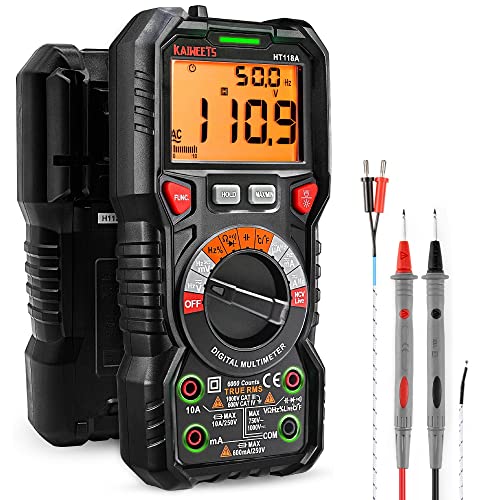
Step 2: Use A Multimeter To Test For Continuity (The “Scientific” Method)
To find a short with a multimeter, set it to continuity mode, then touch one probe to a good ground and the other to the load side of the blown fuse socket. A beep indicates a short to ground. This is the definitive way to find a short without wasting 20 fuses.
Using a multimeter set to Ohms/Continuity mode provides a scientific approach to finding a short. First, ensure the car’s negative battery terminal is disconnected for safety. Locate the blown fuse socket. On one side of the socket is constant power (battery side); the other side leads to the components (load side). Probe the load side of the fuse holder and a known good ground connection on the vehicle chassis. If the multimeter beeps or shows a reading close to 0.0 Ohms, it indicates a complete path, meaning you have a short to ground. Continuity means a complete path for electricity. If it does not beep, the short is likely in one of the components you disconnected in Step 1.
Step 3: The “Wiggle Test” (Locating Intermittent Shorts)
The wiggle test involves moving wiring harnesses while a multimeter is connected to detect intermittent shorts caused by vibration. This hands-on technique helps solve the hardest type of short to locate: those that only happen when driving or vibrating.
If your fuse only blows when you hit a bump, you might have an intermittent short. For this, keep your multimeter connected in continuity mode as described in Step 2, and gently wiggle the wiring harnesses in the suspected area. Start near components on the affected circuit. When the multimeter reading changes, beeps, or stops beeping (if it was consistently beeping), you’ve likely found the general location of the short. This practical trick is not often found in manuals but is a real-world mechanic technique. Wiggle the harness near the engine for an example.
Which Components Commonly Cause Repeated Blown Fuses?
The most common components that cause repeated blown fuses are cigarette lighter sockets (often blocked by coins), aftermarket radios with poor wiring, and corroded trailer light connectors. Users often suspect a specific part. This section validates their suspicion and offers specific fixes for high-probability culprits.
It is helpful to know which specific components tend to be problematic. High-use items or those frequently modified are prime suspects. These components are prone to failure or user damage. Understanding why these parts typically fail (e.g., internal motor seizure versus external wiring issues) helps in diagnosis. Check your 12V socket for a penny right now.
- Cigarette Lighter / 12V Accessory Sockets: 💰 Often collect metal debris.
- Aftermarket Stereo / Radio: 🎧 Can have poor installation or internal faults.
- Trailer Lights & Wiring: 🀄 Prone to corrosion and water damage.
- Blower Motor / AC Compressor: 🌤 Can seize, drawing excessive current.
- Fuel Pump: ⛽ Internal wear can lead to high current draw.
- Window Motors: 🚗 Can bind or seize, causing an overload.
Why Does The Cigarette Lighter / 12V Socket Fuse Blow?
Cigarette lighter fuses often blow because a metal object, like a coin, has fallen into the socket, creating a direct short circuit. This usually happens when metal debris bridges the center pin (positive) to the wall (ground). It’s a quick win solution, often caused by metal debris.
The open design of a 12V accessory socket makes it a magnet for loose change, paper clips, or other small metallic items. These items can easily bridge the positive terminal at the bottom of the socket to the negative contact on the side, causing an immediate short. Always check your 12V socket with a flashlight first. If you spot a coin, ensure the battery is disconnected before carefully fishing it out. Do not stick a screwdriver in to clean it while the battery is connected. Check your charger in another car.
Why Do Trailer Light Fuses Blow Repeatedly?
Trailer light fuses blow frequently due to water intrusion in the lights or corrosion in the connector plug causing a short circuit. Exposure to elements makes the trailer harness vulnerable. Water conducts electricity between pins, especially common after launching a boat.
Trailer wiring and connectors are constantly exposed to harsh environmental conditions, including road grime, salt, and water. This exposure leads to corrosion within the connector plug or on the lights themselves, which can create unintended electrical paths, or shorts. Pinch points along the trailer frame can also abrade insulation. Focus on the connector plug and the wiring near the hitch. Grease your connections to prevent this. Disconnect the trailer to see if the fuse holds.
FAQs About Why Does the Fuse Keep Blowing in My Car?
Can A Bad Battery Cause A Fuse To Keep Blowing?
No, a bad battery itself rarely causes a fuse to blow. Fuses blow due to excessive current drawn by the circuit, usually from a short or overload. A bad battery typically has low voltage and low power, meaning it cannot push enough current to blow a fuse. However, if the battery was installed backward (reverse polarity), it can blow the main fusible link immediately.
Can A Bad Alternator Cause Fuses To Blow?
Yes, a faulty alternator can cause fuses to blow, specifically the main fuse or fusible link. If the alternator’s voltage regulator fails, it can send a voltage spike (over 15+ volts) through the system. While fuses are amperage-sensitive, extreme voltage spikes can cause components to draw more current, leading to blown fuses or melted wires.
Does A Blown Fuse Always Mean There Is A Short?
Not always; it can also indicate an electrical overload. While a short circuit (wiring touching ground) is the most common cause of an immediate blown fuse, an overload occurs when a component (like a window motor or fan) is working too hard due to age or mechanical resistance, drawing more power than the fuse allows over time.
How Much Does It Cost To Fix An Electrical Short In A Car?
The cost to fix an electrical short varies widely, typically between $100 and $500. Labor is the main factor. A mechanic might find a simple short in one hour ($100-$150), or it could take five hours of diagnostic time to trace a hidden wire inside the dashboard ($500+). The material cost (wire, tape, fuse) is usually negligible.
Why Does My Fuse Blow Immediately After Replacement?
An immediate blow indicates a “Hard Short” or “Dead Short” to ground. This means the power wire for that circuit is in direct, permanent contact with the vehicle’s metal frame. Do not keep replacing the fuse; you must find where the wire insulation is damaged or disconnected before the circuit will hold power.
Can Rain Or Car Washes Cause Fuses To Blow?
Yes, water intrusion is a common cause of electrical shorts. If your windshield seals, sunroof drains, or headlight housings leak, water can enter electrical connectors or the fuse box itself. Water conducts electricity, creating a bridge between the power and ground pins, causing the fuse to blow.
Can I Use A Paperclip Instead Of A Fuse?
Absolutely not. Using a paperclip is extremely dangerous. A paperclip does not melt like a fuse; it will carry unlimited current until the wiring itself becomes red hot and ignites the insulation. This is a primary cause of total vehicle loss due to fire.
Why Does My Radio Fuse Keep Blowing?
Radio fuses usually blow due to poor aftermarket installation or internal failure. If you recently installed a new stereo, check behind the unit for crushed wires or loose connections touching the metal cage. If the radio is old, an internal component failure could be drawing excessive amperage.
What Is A “Parasitic Draw” And Does It Blow Fuses?
A parasitic draw typically drains the battery but does not usually blow fuses. A parasitic draw is a small, constant current drain when the car is off (like a glovebox light stuck on). This current is usually too low to blow a fuse but high enough to kill your battery overnight.
Is It Safe To Drive With A Blown Fuse?
It depends on which circuit the fuse protects. If it is a non-essential circuit like the radio or cigarette lighter, it is safe to drive. However, if the blown fuse controls the fuel pump, cooling fan, headlights, or brake lights, the car is either inoperable or unsafe to drive legally.
Key Takeaways: Troubleshooting Blown Fuses
Troubleshooting a repeatedly blown car fuse can seem daunting, but a systematic approach makes it manageable. By understanding the core principles and applying the right diagnostic techniques, you can pinpoint the problem and restore your car’s electrical integrity. Remember, electrical issues are logical, not magical.
- Safety Is Paramount: Never replace a blown fuse with one of a higher amperage rating. This defeats the safety mechanism and can cause wiring harnesses to melt or catch fire. Always use an OEM specified fuse.
- Short vs. Overload: Identify the difference. A short circuit (wire touching ground) usually blows the fuse immediately, while an overload (too many accessories) may take time to blow.
- Visual Inspection First: Before using tools, check for obvious signs like blackened wires, melted plastic, or recently installed aftermarket accessories (radios, trailer lights).
- Use The Right Tools: Stop guessing. Use a multimeter in continuity mode to definitively locate the short without wasting multiple fuses.
- Isolate The Circuit: Unplug components (fuel pump, lights, radio) one by one to see if the short to ground disappears, helping you pinpoint the faulty part.
- Check Common Culprits: Inspect high-failure items first, such as cigarette lighter sockets (look for coins!) and trailer wiring connectors (look for corrosion).
- The Wiggle Test: For intermittent issues that only happen while driving, wiggle the wiring loom while monitoring your multimeter to find loose or damaged insulation.
Final Thoughts on Fixing Your Electrical Gremlins
Dealing with a car fuse that keeps blowing can be a true test of patience, but armed with the right knowledge and tools, it’s a problem you can often tackle yourself. We’ve explored the fundamental causes, differentiated between critical electrical faults, and walked through a step-by-step diagnostic process. The key is to remain systematic, prioritize safety, and remember that a blown fuse is always a warning sign, not the problem itself.
While many electrical shorts are accessible with basic DIY skills, some, particularly those hidden deep within the dashboard or integrated into complex multiplex wiring systems, may require professional diagnosis. Do not hesitate to consult an ASE certified mechanic if your diagnostic steps fail to locate the short. Understanding your car’s electrical system, even at a basic level, empowers you to make informed decisions and prevents potential hazards.
Last update on 2026-03-04 / Affiliate links / Images from Amazon Product Advertising API


