
Wondering where you can legally sleep in your car? Many travelers struggle with understanding the varied and often confusing regulations. Navigating these laws is crucial for a stress-free journey, ensuring both legality and personal safety.
Legally sleeping in your car varies significantly by location, requiring research into state, county, and city ordinances, as well as private property rules. Many areas prohibit overnight parking, while others permit it in designated zones like rest stops, truck stops, or specific business parking lots.
Based on extensive analysis of current legal frameworks and real-world travel experiences, this guide reveals exactly how to identify legal overnight spots and what precautions to take, covering state-specific nuances and essential safety measures systematically.
Key Facts
- Legality Varies Widely: The ability to legally sleep in your car is not uniform across the U.S., varying significantly by state, county, and city ordinances.
“Sleeping” vs. “Camping”: Laws often differentiate between temporary rest (“sleeping”) and establishing a presence (“camping”) with external setup, impacting legality.
Common Legal Spots: Designated rest stops, truck stops, and some private business parking lots (with permission) are frequently permissible for overnight stays.
Public Lands Options: Bureau of Land Management (BLM) land and National Forests often allow free dispersed car camping, subject to specific rules.
Research is Essential: Always verify local laws for specific destinations, as ordinances can change and often supersede general state guidelines.
What Are The Laws Governing Sleeping In Your Car? A Legal Overview
Legality of sleeping in a car is dictated by a complex interplay of federal, state, and local laws, often distinguishing between temporary rest and long-term habitation. Many municipalities enforce “no overnight parking” or anti-vagrancy ordinances, which directly impact vehicle dwellers. Understanding these layers of regulation helps ensure a legal overnight stay.
Sleeping in your car in the U.S. involves navigating a patchwork of regulations. There isn’t a single federal law that broadly permits or prohibits overnight vehicle stays across the entire country. Instead, the rules cascade down from state to local levels, often becoming more restrictive the closer you get to a specific city or town. This complexity makes thorough research indispensable for anyone considering car camping.
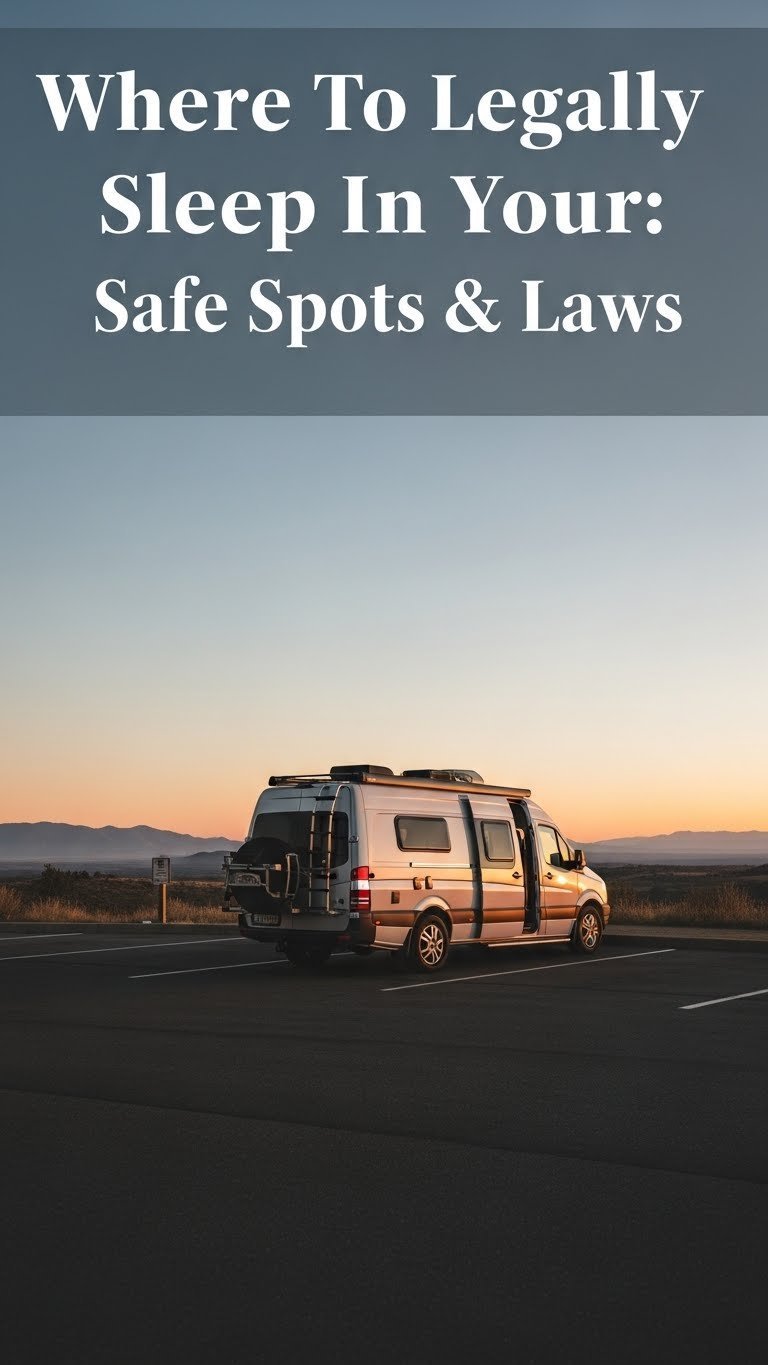
While state laws might offer a general framework, municipal codes usually hold the most sway for where you can park and rest. These local ordinances frequently define what constitutes an “overnight stay” or “camping” within a vehicle, and where such activities are allowed or expressly forbidden. For example, a state might not have a ban, but a city within that state could have strict “no overnight parking” rules in effect, especially in residential areas or tourist zones.
What Is The Difference Between “Sleeping” And “Camping” In A Vehicle?
Legally, “sleeping” in a vehicle typically implies temporary rest without external setup, while “camping” often involves establishing a presence with amenities like chairs, tents, or extended stays, which can trigger different regulations. This distinction is crucial for vehicle dwellers to avoid misinterpretation of local ordinances. Understanding these legal nuances is vital for compliance.
Many local ordinances draw a sharp line between simply sleeping inside your vehicle and engaging in what’s defined as “camping.” Sleeping generally refers to a temporary rest, often discreetly done, with no visible external signs of habitation. It implies a short duration, usually just for one night. In this scenario, your vehicle functions primarily as a place to momentarily recuperate.
On the other hand, “camping” typically involves more. This could mean deploying external equipment like awnings, chairs, tables, or cooking devices. It might also involve staying for multiple nights, occupying more than one parking space, or creating a visible “camp-like” setup around your vehicle. Laws governing “camping” are often far stricter, carrying heavier penalties than mere parking violations. If in doubt, keep your setup minimal and your stay brief to avoid being classified as camping.
Which Types of Locations Allow You to Legally Sleep In Your Car?
Several locations generally permit legal overnight car sleeping, including many truck stops, authorized rest areas, and certain private retail parking lots like Walmart and Cracker Barrel if explicit permission is granted. Additionally, some public lands, like those managed by the BLM or National Forests, allow dispersed camping in vehicles. Knowing these options empowers informed travel choices.
Finding a legal spot for an overnight vehicle stay requires understanding different location types and their specific rules. Many road travelers rely on these tried-and-true options. However, it’s always essential to verify current regulations, as policies can change.
- Designated Rest Areas and Welcome Centers: These are often managed by state departments of transportation and usually permit short-term overnight stays (e.g., 2-4 hours, or up to 24 hours). They provide a safe, well-lit environment but are meant for temporary rest, not extended stays. Always look for posted signs detailing time limits.
- Truck Stops: Facilities like Pilot Flying J, TravelCenters of America, and Love’s are generally welcoming to cars for overnight parking. They cater to professional drivers but often have designated areas for all types of vehicles. Many offer amenities like restrooms, showers, and food services. Be mindful of truck noise and traffic.
- Private Business Parking Lots:
- Walmart & Cracker Barrel: These retail chains are well-known for sometimes allowing overnight parking. However, it is crucial to always ask the store manager upon arrival. Policies vary greatly by individual location, and local ordinances often override corporate guidelines. Never assume permission.
- 24-Hour Gyms (e.g., Planet Fitness): Some members use these parking lots for stealth camping, especially for access to showers. Always check with the specific gym or property management about their overnight parking rules.
- Casino Parking Lots: Many casinos have large, monitored parking lots and may permit overnight stays, particularly for RVs, which can extend to cars. Inquire with security before settling in.
- Public Lands (Bureau of Land Management – BLM & National Forests): These federal lands are excellent options for free, dispersed camping. This typically means you can park your vehicle off-road in undeveloped areas for up to 14 days. Rules vary by district, so check with the local Ranger District or BLM field office for specific regulations, fire bans, and any restricted areas. ‘Leave No Trace’ principles are paramount here.
| Location Type | Typical Legality | Key Considerations | Amenities (often) |
|---|---|---|---|
| Designated Rest Areas/Welcome Centers | Generally Legal (time limits apply) | State/local rules vary, 24-hr max common | Restrooms, picnic tables, info |
| Truck Stops | Generally Legal | Can be noisy, check for designated areas | Fuel, food, restrooms, showers |
| Walmart Parking Lots | Varies by location (ask manager) | Not all Walmarts allow it; specific policies | Restrooms (in-store), some security |
| Cracker Barrel Restaurants | Often Allowed (ask manager) | Specific to location; typically well-lit | Restrooms, restaurant |
| BLM (Bureau of Land Management) Land | Generally Legal for Dispersed Camping | Primitive, no amenities, ‘Leave No Trace’ | None |
| National Forests | Generally Legal for Dispersed Camping | Check local Ranger District for fire bans/rules | None |
| 24-Hour Gyms (e.g., Planet Fitness) | Possible (check gym/lot rules) | Parking lot specific, privacy concerns | Showers (with membership) |
| Casino Parking Lots | Varies (ask security) | Often monitored, some offer RV parking | Restrooms, food, security |
Where Is It Generally Illegal To Sleep In Your Car? Avoid These Spots
It is typically illegal to sleep in your car on public city streets, residential areas, public park parking lots without specific permits, and on any private property without the owner’s explicit consent. Violations can result in tickets, towing, or being asked to move by authorities. Avoiding these areas is key for a trouble-free experience.
Understanding where you should not park overnight is just as important as knowing where you can. Ignoring these prohibitions can lead to unpleasant encounters with law enforcement, fines, and even having your vehicle towed. The consequences can range from a minor inconvenience to significant financial penalties.
- Public City Streets and Residential Areas: Most cities have ordinances against “no overnight parking” on public streets, particularly in residential zones. This is often enforced to prevent perceived blight, maintain neighborhood aesthetics, or manage limited parking. Parking on these streets can attract unwanted attention and complaints from residents.
- Private Property Without Permission: This includes business parking lots (other than those explicitly known for permitting it, and even then, permission is key), vacant lots, or private driveways. Parking on private property without the owner’s consent is trespassing, which can lead to your vehicle being towed and potential legal action.
- Public Parks and Recreational Areas (without specific designation): While some parks may offer designated campgrounds, most public park parking lots are closed overnight. Sleeping in your car in these areas is often considered illegal camping or a violation of park hours, leading to fines.
- Areas with “No Overnight Parking” or “No Camping” Signage: These signs are explicit warnings. Ignoring them is a direct violation of local ordinances and will almost certainly lead to a ticket or being asked to move. Always scan for these signs, especially in coastal towns, tourist hotspots, or commercial zones.
- School Parking Lots: These areas are generally off-limits for overnight parking due to safety concerns and specific school district regulations.
- Hospital Parking Lots: While tempting in an emergency, most hospital parking lots are for patients and visitors and are not intended for overnight stays.
How Do State Laws Differ For Car Sleeping? A State-by-State Look
State laws on sleeping in your car differ widely; some, like California, allow temporary overnight stays with restrictions, while others have no statewide ban, leaving it to local jurisdictions. Always verify current municipal ordinances in addition to state statutes to ensure legality. This granular approach is vital for multi-state travel.
While federal regulations are sparse, state laws often provide a baseline. However, the real complexity emerges at the municipal level, where city and county ordinances layer on further restrictions. It’s not uncommon for a state to have no explicit ban, yet many of its cities strictly prohibit vehicle dwelling. This section summarizes general stances, but remember to always research your specific destination.
| State | General Stance on Car Sleeping | Key Considerations / Restrictions |
|---|---|---|
| California | No statewide ban, but cities vary; often legal on private property with permission or in designated areas. | Some cities (e.g., LA) have strict bans; 24-hour limit in some legal parking. |
| Florida | No statewide ban; heavy local regulation. | Many coastal towns and tourist areas have “no overnight parking” ordinances. |
| Texas | No statewide ban; local ordinances vary greatly. | Truck stops and Walmarts (with permission) are common spots; city laws are key. |
| Virginia | No statewide ban; local laws apply. | Rest areas typically have time limits (e.g., 2-4 hours); check county/city rules. |
| Oregon | No statewide ban; strong local enforcement. | Focus on designated parking areas, public lands (BLM, National Forests). |
| Colorado | No statewide ban; many cities prohibit it. | Emphasis on dispersed camping on public lands; check specific city parking rules. |
As seen, while many states lack a direct statewide prohibition, they empower local jurisdictions to set their own rules. This means a traveler might be perfectly legal in one county, but just across the border, face a fine in the next. This highlights the importance of checking city-specific ordinances, often found on municipal government websites under “parking” or “vehicle habitation” laws. Always cross-reference multiple sources, including official government sites, for the most accurate and up-to-date information.
How Can You Find Safe and Legal Car Sleeping Spots On The Go?
Finding safe and legal car sleeping spots on the go involves using dedicated apps such as iOverlander and FreeCampsites.net, checking local government websites for ordinances, and asking permission directly from managers at private businesses like Walmart or Cracker Barrel. Always prioritize well-lit areas and trust your instincts. A proactive approach to research is your best defense.
Successfully finding a legal and safe spot for the night requires a combination of technology, direct communication, and common sense. Experienced car campers rely on several strategies to ensure a peaceful and lawful night’s rest. The right tools can make all the difference, especially when in unfamiliar territory.
- Utilize Car Camping Apps and Websites:
- iOverlander: This community-driven app is invaluable. It provides user-submitted locations for everything from official campgrounds to stealth parking spots, including reviews, photos, and critical information on legality and safety. It’s often the first stop for many vehicle dwellers.
- FreeCampsites.net: As its name suggests, this website focuses on free camping locations, which often include public lands and some private parking areas. Users contribute information, and it’s an excellent resource for budget travelers.
- Campendium: While primarily for RVs, Campendium also lists many campgrounds and dispersed camping spots suitable for cars, often with detailed reviews and amenity information.
- Check Official Sources: Always cross-reference app information with official government websites. Look up “[city name] parking ordinances” or “[county name] vehicle dwelling laws.” This ensures you’re relying on the most accurate legal information. State departments of transportation often list rules for rest areas.
- Ask for Permission: For private business parking lots, the simplest and most effective strategy is to go inside and politely ask the manager if overnight parking is permitted. This proactive step can prevent misunderstandings and potential issues later.
- Look for Clues: Keep an eye out for “no overnight parking” or “no camping” signs. If you don’t see any, but an area feels off, trust your gut. Conversely, areas with other RVs or vans often indicate a more welcoming environment.
- Prioritize Safety: Look for well-lit areas that aren’t too secluded. Consider parking near other people (like at a truck stop) or where there’s some activity, which can deter unwanted attention. Always have a plan for quick departure if needed.
How Do You Prioritize Safety While Sleeping In Your Car? A Checklist
Ensuring safety while sleeping in your car requires selecting well-trafficked, reputable locations, securing all vehicle entry points, utilizing window coverings for privacy, and keeping an emergency kit accessible. Always trust your instincts and relocate if a spot feels unsafe. Proactive safety measures create peace of mind.
Safety is paramount when sleeping in your car. While finding a legal spot is the first step, taking proactive measures to protect yourself and your vehicle is equally important. Experience shows that preparedness significantly reduces risks and builds confidence. Here’s a checklist to help you prioritize your well-being:
- Choose Your Location Wisely:
- Well-Lit and Populated: Opt for areas with good lighting and some level of activity, such as truck stops, 24-hour retail parking lots (with permission), or safe parking programs. Avoid secluded, dark areas.
- Reputation: Use apps like iOverlander to read reviews about a spot’s safety. If previous users report issues, choose another location.
- Escape Route: Always park with an easy exit strategy. Don’t box yourself in.
- Secure Your Vehicle:
- Lock All Doors: This is non-negotiable. Double-check all doors and windows before settling in.
- Window Locks: If possible, use additional window locks or wedges to prevent them from being pried open.
- Keep Valuables Hidden: Don’t leave electronics, bags, or other tempting items visible. Store them out of sight, ideally in the trunk or under seats.
- Maintain Discretion and Privacy:
- Blackout Window Covers: Use Reflectix, cardboard, or fabric covers for all windows. This provides privacy and makes it harder for outsiders to see you inside, giving the impression the car is empty.
- Low Profile: Avoid deploying external camping gear like chairs or cooking stoves if you’re in an urban or sensitive area. The less you look like you’re “camping,” the better.
- Don’t Draw Attention: Keep noise to a minimum. Avoid loud music, bright internal lights, or extended periods of engine idling unless for specific needs like charging.
- Personal Safety & Emergency Preparedness:
- Emergency Kit: Have a kit accessible with a first-aid kit, flashlight, fully charged phone, external battery pack, and a portable self-defense alarm.
- Communication: Always let someone know your general location and plans. Share your location via GPS with a trusted contact.
- Self-Defense: Consider carrying a personal safety device (e.g., pepper spray) if legal in your area and you feel comfortable using it.
- Trust Your Gut: If a spot feels unsafe or you notice suspicious activity, relocate immediately. Your intuition is your best safety tool.
- Stay Prepared for Authorities:
- Keep Documents Ready: Have your driver’s license, registration, and insurance readily accessible but out of plain sight.
- Understand Your Rights: Know your rights regarding police interactions. Be cooperative but firm.
How Do You Prepare Your Car For Overnight Sleeping? Essential Gear & Tips
Preparing your car for overnight sleeping requires blacking out windows for privacy, ensuring proper ventilation to manage condensation, leveling the vehicle for comfort, and organizing a sleeping area with essentials like an air mattress or sleeping pad and appropriate bedding. These steps enhance both comfort and discretion, making for a restful experience. Practical preparation is key.
Converting your vehicle into a comfortable and functional sleeping space involves more than just throwing a blanket in the back. Experienced vehicle dwellers meticulously prepare their cars to maximize comfort, privacy, and safety. Here’s how to set up your car for a successful overnight stay:
- Window Coverings for Privacy and Stealth:
- Blackout: The most crucial step is to black out all windows. This provides complete privacy and prevents light from escaping, making your presence less obvious.
- Materials: Use Reflectix (insulating and reflective), heavy blackout fabric, or even custom-cut cardboard covered in dark material. Attach them with Velcro strips or magnets for easy removal and installation.
- Front Windshield: A standard sunshade often works well for the front, perhaps supplemented with a custom-fit piece.
- Ensure Adequate Ventilation:
- Condensation Control: Breathing inside a closed vehicle creates significant condensation, which can lead to dampness and mold.
- Window Screens: Install mesh screens over slightly cracked windows (rear windows are often best) to allow airflow while keeping bugs out. Magnetic screens are easy to use.
- Portable Fan: A small, battery-powered fan can greatly improve airflow, especially on warmer nights.
- Create a Comfortable Sleeping Surface:
- Leveling: If your seats don’t fold flat, consider a sleeping platform or a portable air mattress designed for car use. Even small inclines can disrupt sleep. Use leveling blocks under tires if necessary.
- Sleeping Pad/Mattress: A self-inflating sleeping pad, foam mattress, or even a twin-size air mattress can provide a much-needed buffer from hard surfaces and improve insulation.
- Bedding: Bring a sleeping bag appropriate for the expected temperatures, or comfortable blankets and a pillow.
- Organize Your Space Efficiently:
- Storage: Use storage bins, cargo nets, and seat-back organizers to keep your essentials tidy and easily accessible.
- Essentials: Have water, snacks, headlamp, first-aid kit, and an emergency phone charger within reach.
- Minimize Clutter: A clean and organized space feels more comfortable and less conspicuous.
- Lighting and Power:
- Battery-Powered Lights: Use headlamps, fairy lights, or small LED lanterns for interior lighting. Avoid using your car’s dome light to conserve battery and maintain stealth.
- Portable Power Bank: A large power bank is essential for charging phones, fans, and other small electronics without draining your car’s battery.
- Insulation (for colder climates):
- Beyond Reflectix on windows, consider insulating the floor with foam mats or a thick rug. A good sleeping bag is your primary defense against cold.
- Toilet and Hygiene:
- Portable Toilet: A small, portable toilet or a “Wag Bag” system is essential for discreet waste management, especially in urban areas or places without public restrooms.
- Wipes/Hand Sanitizer: Keep these readily available for basic hygiene.

What Should You Do If Approached By Authorities While Car Sleeping?
If approached by law enforcement while sleeping in your car, remain calm, be polite, and cooperative, providing identification and vehicle registration if requested. Be prepared to explain your situation concisely and move your vehicle if instructed to do so. Understanding your rights and responsibilities is crucial for a positive outcome.
Encounters with law enforcement can be stressful, especially when you’re caught off guard in your sleeping vehicle. However, knowing how to respond appropriately can de-escalate the situation and prevent further complications. Based on advice from experienced vehicle dwellers and legal professionals, here’s a protocol to follow:
- Stay Calm and Cooperative: Your demeanor can significantly influence the interaction. Keep your hands visible, avoid sudden movements, and speak in a calm, respectful tone. Officers are often responding to a call or a suspicious vehicle report; cooperation can quickly resolve the situation.
- Acknowledge and Comply (within reason):
- Roll Down Window: Partially roll down your window to communicate clearly.
- Provide Identification: If asked for your driver’s license, vehicle registration, and proof of insurance, provide them without hesitation. These are standard requests.
- Explain Your Situation Briefly: You can politely state that you are just resting or traveling and needed a place to stop for the night. Avoid lengthy explanations or argumentative tones.
- Know Your Rights:
- You Have the Right to Remain Silent: While you should provide identification, you generally do not have to answer questions beyond that, particularly if they delve into why you are sleeping there or your long-term plans. Politely state, “I prefer not to answer questions at this time.”
- Search and Seizure: Officers generally cannot search your vehicle without your consent, a warrant, or probable cause. If asked to search, you can politely decline: “Officer, I do not consent to a search of my vehicle.”
- Be Prepared to Move: Most often, if you’re in a prohibited area, authorities will simply ask you to move along. Comply immediately and without argument. Arguing can escalate the situation. Ask for directions to the nearest legal spot if you are genuinely unsure.
- Avoid Argument or Confrontation: Even if you believe you are in a legal spot, a calm and respectful interaction is always best. You can note the details of the interaction and research the ordinance later if you feel it was unjust, but do not argue with an officer on the spot.
- Document if Necessary: If you feel your rights are being violated, you may consider discreetly recording the interaction (check local laws regarding recording police). Note the officer’s badge number and the time/location.
What Are Some Alternatives To Sleeping In Your Car?
Alternatives to sleeping in your car include traditional campgrounds, free dispersed camping on public lands, budget-friendly motels or hostels, and safe parking programs offered by some cities or churches. These options can provide more amenities, comfort, or guaranteed legality, offering flexibility for travelers. Exploring these options can enhance your travel experience.
While sleeping in your car can be a cost-effective and adventurous way to travel, it’s not always the most comfortable or legally straightforward option. Sometimes, an alternative might be a better fit for your needs, budget, or the specific location. These options provide different levels of amenities, privacy, and cost.
- Traditional Campgrounds (Paid): These offer designated campsites, often with amenities like restrooms, showers, picnic tables, and fire pits. They range from basic state park sites to full-hookup private RV resorts. They provide legality and convenience but come with a fee.
- Dispersed Camping on Public Lands (Free): On Bureau of Land Management (BLM) land and in National Forests, you can often find free, undeveloped sites. While legal and offering solitude, they typically lack amenities, requiring you to be self-sufficient (pack in, pack out).
- Budget Motels/Hotels: Sometimes, a night in a cheap motel can be a welcome break for a hot shower, a comfortable bed, and a guaranteed legal stay. Look for budget chains like Motel 6, Super 8, or independent local establishments.
- Hostels: For solo travelers or those looking for a social experience, hostels offer affordable bunk beds in shared rooms and sometimes private rooms. They are common in urban areas and tourist destinations.
- Safe Parking Programs: In some cities, particularly those with a significant population of vehicle dwellers, non-profit organizations or churches offer designated “safe parking” lots. These are secure, legal places for people to sleep in their vehicles overnight, often with access to basic services.
- Friends and Family: If your travels take you near acquaintances, asking to park in their driveway can be a comfortable and safe option, often with the added bonus of hospitality. Always ask permission first.
- Airbnb/VRBO (Budget Rooms): Renting a single room in someone’s home can sometimes be comparable in price to a budget motel, offering more comfort and local insight.
- Glamping Sites: For a more luxurious camping experience without needing your own gear, glamping (glamorous camping) options provide pre-set tents, cabins, or yurts. These are typically more expensive but offer unique stays.
Frequently Asked Questions About Where Can You Legally Sleep In Your Car?
Is it legal to sleep in your car everywhere in the U.S.?
No, it is not legal to sleep in your car everywhere in the U.S. Legality varies significantly by state, county, and especially by city, with many municipalities having “no overnight parking” or anti-vagrancy ordinances. Always check local laws and private property rules for specific locations, as there is no universal blanket permission.
Can you sleep in your car at a Walmart or Cracker Barrel?
Often, yes, but it is crucial to always ask the store manager for explicit permission before parking overnight at a Walmart or Cracker Barrel. Policies vary by individual location, and some stores may have specific restrictions or local ordinances that override a general corporate policy, so direct inquiry is always best practice.
What are the main risks of sleeping in your car illegally?
The main risks of sleeping in your car illegally include receiving fines or parking tickets, having your vehicle towed, and potential encounters with law enforcement who may ask you to move on. In some areas, repeated violations could lead to more serious legal consequences like impoundment or more substantial fines.
Are national parks or BLM lands good options for car sleeping?
National parks generally do not permit sleeping in your car outside of designated campgrounds, requiring a fee and reservation for most sites. However, Bureau of Land Management (BLM) land and National Forests often allow free dispersed car camping, but rules regarding duration and location must be followed to avoid issues.
How can I find out the specific car sleeping laws in a city?
To find specific car sleeping laws in a city, you should check the municipal code or local government website, often found under “parking ordinances” or “vehicle habitation.” Additionally, local police departments or visitor centers may provide up-to-date information, making them valuable resources for on-the-go research.
Is it safe to sleep in your car in urban areas?
Sleeping in your car in urban areas can be riskier due to higher crime rates and increased police patrols enforcing local ordinances. It requires heightened vigilance, discretion, and choosing well-lit, relatively populated areas where you are less likely to draw unwanted attention or encounter issues.
What should I do to ensure privacy while sleeping in my car?
To ensure privacy while sleeping in your car, use blackout window covers or Reflectix for all windows, and avoid parking in highly visible or isolated spots. Maintaining a discreet appearance and not deploying external camping gear helps avoid drawing attention to your presence, enhancing personal security.
Can I get a permit for overnight car parking in some areas?
In some areas, particularly in cities with safe parking programs or designated temporary shelters, it may be possible to obtain a permit for overnight car parking. These programs are often aimed at vehicle dwellers and provide secure, sanctioned locations, though availability varies by city and program.
What is the best way to research local laws before traveling?
The best way to research local laws before traveling is to use search engines to look up “[city/county name] overnight parking laws” or “[city/county name] vehicle dwelling ordinances.” Cross-reference information from official government websites, not just forum discussions, to ensure accuracy and current regulations.
What if I’m approached by a property owner instead of the police?
If approached by a private property owner, be polite and immediately move your vehicle if requested, even if you believe you have permission. Private property owners have the right to revoke parking privileges at any time, and arguing can unnecessarily escalate the situation, leading to further problems.
Key Takeaways: Where Can You Legally Sleep In Your Car?
- Legality is Local: The ability to legally sleep in your car is not uniform across the U.S., varying significantly by state, county, city, and even specific private properties, often distinguishing between “sleeping” and “camping.”
- Designated Spots Are Key: Common legal and safe places include authorized rest stops, truck stops, certain public lands (BLM, National Forests), and some private business parking lots like Walmart or Cracker Barrel (always with permission).
- Avoid Prohibited Areas: Never park overnight in residential zones, city streets with “no overnight parking” signs, or private property without explicit consent, as these often lead to fines or being asked to move.
- Research is Essential: Always research local ordinances and property rules for your specific destination using government websites and specialized car camping apps like iOverlander before settling in for the night.
- Prioritize Safety & Discretion: Choose well-lit, somewhat populated areas, secure your vehicle, ensure privacy with window coverings, and maintain a low profile to avoid drawing unwanted attention or potential risks.
- Know How to Interact with Authorities: If approached by police or property owners, remain calm, polite, cooperative, and be prepared to move your vehicle if requested to avoid escalating the situation.
- Prepare Your Vehicle Thoughtfully: Enhance comfort and safety by equipping your car with blackout window covers, proper ventilation, a comfortable sleeping setup, and essential emergency supplies.
Final Thoughts on Legally Sleeping In Your Car
Navigating the legal landscape of sleeping in your car can feel daunting, but with the right knowledge and preparation, it’s a perfectly viable and rewarding option for many travelers. The key lies in understanding that “legality” is a dynamic and localized concept, not a universal one. From state-level guidelines to city-specific ordinances and private property rules, every location presents its own set of considerations.
As you plan your journey, remember that proactive research is your most powerful tool. Utilize the resources available, from official government websites to community-driven apps, and always prioritize safety and discretion. By being informed, prepared, and respectful of local regulations and private property, you can enjoy the freedom and flexibility that car sleeping offers, transforming your vehicle into a legal, safe, and comfortable haven on the road.
Last update on 2026-01-10 / Affiliate links / Images from Amazon Product Advertising API


![What Car Is Chevy Bringing Back in [year]? New Lineup Revealed](https://carxplorer.com/wp-content/uploads/2026/01/What-Car-Is-Chevy-Bringing-Back-in-year-New-Lineup-Revealed-1-1-60x60.jpg "What Car Is Chevy Bringing Back in [year]? New Lineup Revealed 10")
