
Worrying about when to move out of infant car seat can feel overwhelming, can’t it? Many parents struggle with conflicting advice, unsure when the safest time is to transition their little one. Understanding the definitive rules now ensures your child’s safety later.
A child should be moved out of an infant car seat only when they exceed one of the manufacturer’s limits for that specific seat, which includes the maximum height, maximum weight, or the fit requirement that the top of their head must be at least one inch below the top of the car seat shell. This transition is based on safety and size, not a specific age.
Based on extensive safety research and expert-backed advice from organizations like the American Academy of Pediatrics (AAP) and the National Highway Traffic Safety Administration (NHTSA), this guide provides clear, actionable criteria. You’ll discover exactly how to determine the precise moment for a safe and compliant car seat transition.
Key Facts
- Car seat transitions are based on size, not age: Manufacturers set specific height and weight limits, and a child must move out of an infant seat once any single limit is reached.
- The “one-inch rule” is critical for safety: There must be at least one inch of space between the top of a baby’s head and the car seat shell for proper protection during a crash.
- Rear-facing is five times safer for children under two: Research indicates that children remain significantly safer riding rear-facing, supporting extended use of infant seats up to their limits.
- Infant car seats typically last 9-24 months: While age is not the primary factor, most babies outgrow their infant car seat by height or head clearance within this general timeframe.
- Manufacturer manuals are the ultimate authority: The specific height and weight limits for your car seat model are found on the seat’s labels and in its official manual, demonstrating a critical need for consultation.
When Should You Move Your Baby Out of an Infant Car Seat?
You should move your baby out of an infant car seat only when they have reached or exceeded one of the specific limits set by the manufacturer for that particular seat. These limits include the maximum height, the maximum weight, or the crucial head-to-shell clearance (known as the “one-inch rule”). This decision should always prioritize safety based on your child’s physical dimensions and the seat’s specifications, rather than a general age or a perceived milestone. Keeping your child in their rear-facing infant seat for as long as they fit safely provides optimal protection.

The American Academy of Pediatrics (AAP) and the National Highway Traffic Safety Administration (NHTSA) consistently recommend keeping children rear-facing for as long as possible. This means utilizing your infant car seat to its absolute maximum manufacturer-specified height and weight limits. Transitioning early based on age, or because a child seems uncomfortable, is a common misconception that can compromise safety. The safest car seat is one that fits your child, your vehicle, and is used correctly every time, aligning with stringent safety standards.
Most babies transition from an infant car seat between 9 and 24 months, but this is a broad average. The definitive sign for an infant car seat transition is when your child reaches any single limit—be it height, weight, or the head clearance rule. Ignoring these limits can significantly reduce the seat’s effectiveness in a crash, posing unnecessary risks. So, how do you know for sure if your baby has outgrown their seat? The upcoming sections will break down the precise criteria.
How Do You Know If Your Baby Has Outgrown Their Infant Car Seat?
To determine if your baby has outgrown their infant car seat, you must check three specific manufacturer-defined criteria: the weight limit, the height limit, and the crucial one-inch rule for head clearance. As soon as your child meets or exceeds any one of these limits, it is time to transition them to a different, appropriate car seat. These signs are not suggestions; they are non-negotiable safety standards established through rigorous crash testing and child passenger safety research. Prioritizing these physical fit requirements ensures your child remains protected.
It’s common for parents to anticipate this transition, often looking for signs like their baby’s legs touching the vehicle seat or a general sense of being “cramped.” However, these are typically not indicators that the car seat is outgrown. Only the specific manufacturer specifications, clearly detailed in your car seat’s manual and often on labels affixed to the seat itself, dictate when a move is necessary. Knowing precisely how to measure and assess each of these three critical factors is paramount for maintaining safety.
Understanding these detailed car seat safety rules is vital. Each limit is set to ensure the seat performs optimally during a collision, protecting your child’s developing body. Ignoring even one of these criteria can compromise the structural integrity and protective capabilities of the seat. We’ll explore each rule in detail, providing you with clear guidance on how to accurately check if your child still fits their infant car seat safely.
What Is The Weight Limit Rule for Infant Car Seats?
The weight limit rule for infant car seats dictates the maximum weight a child can be to safely use that specific seat, typically ranging from 22 to 35 pounds. This limit is established by the manufacturer through crash testing and ensures the seat’s harness and structure can adequately protect a child of that weight during an impact. Exceeding this limit means the seat may not provide the intended level of restraint and protection, significantly increasing injury risk.
You will find your infant car seat’s specific weight limit clearly printed on a label on the side or back of the seat, and in the official car seat manual. It is imperative to check this for your exact model, as limits vary significantly between brands and models. Many parents assume the weight limit is the first criteria a baby will outgrow, but often, the height or head clearance limits are reached much sooner.
- Common Misconception: Many parents believe their baby is safe as long as they are under the weight limit. However, the height and head clearance rules are equally important and often outgrown first.
What Is The Height Limit Rule for Infant Car Seats?
The height limit for an infant car seat refers to the child’s total standing height that can be accommodated by the seat, typically falling between 30 and 32 inches. If a baby’s height exceeds this manufacturer-specified limit, the seat is considered outgrown and unsafe, regardless of their weight. This limit ensures that the child’s body remains fully contained and protected by the seat’s shell and harness system.
It is common for babies to be tall but still under the weight limit. In such cases, the height limit is the defining factor for transitioning out of the infant car seat. When a child is too tall, their head may sit too high, or their body positioning may not align with the seat’s protective design in a crash. Ensuring proper fit means routinely checking your baby’s height against the specified limit in your car seat’s manual.
- Practical Tip: To measure your baby’s height, lay them on a flat surface. Gently straighten their legs and mark the top of their head and the bottom of their heels. Then, measure the distance between these two marks to get an accurate standing height.
What Does The “One-Inch Rule” Mean for Car Seats?
The one-inch rule means there must be at least one inch of space from the top of your baby’s head to the very top of the car seat’s hard plastic shell. This crucial headrest clearance rule ensures that in the event of a crash, your child’s head is fully contained within the protective boundaries of the car seat. It is a fundamental safety measure to prevent head and spinal cord injuries.
This rule exists because during a crash, a child’s body can experience upward movement. If their head extends beyond the protective shell, they lose critical protection, significantly increasing the risk of severe injuries to their head and neck. It’s important to measure to the hard shell, not any soft inserts or adjustable headrests. This rule is often the very first limit that a rapidly growing baby will meet, especially taller infants, even before the overall height or weight limits are reached.
- Did You Know? This rule is crucial because in a rebound (secondary) motion during a crash, the child’s body can move upwards in the seat. This clearance ensures their head stays protected, highlighting the importance of proper car seat shell design for crash force distribution.
To check the one-inch rule:
1. Place your baby in the infant car seat and buckle them securely.
2. Imagine a flat object, like a ruler or a thin book, placed horizontally across the very top edge of the car seat’s hard plastic shell.
3. Observe the space between the top of your baby’s head and this imaginary line.
4. If there is less than one inch of space, your baby has outgrown the seat.
Why Is It Safer To Maximize Your Infant Car Seat’s Limits?
Keeping a baby rear-facing as long as possible is safest because it protects their disproportionately large head and developing spine, distributing crash forces more effectively. In a frontal collision, a rear-facing seat cradles the child’s entire back, neck, and head, absorbing and distributing the impact forces across the seat’s shell. This design significantly reduces the risk of severe head and neck injuries, which are particularly vulnerable in infants and toddlers.
An infant’s head makes up about 25% of their total body weight, compared to 6% for an adult. Their neck vertebrae are not fully ossified, and their ligaments and muscles are weaker. In a forward-facing seat during a frontal crash, the child’s head is thrown forward, putting immense strain on their fragile neck and spine. According to the AAP, extended rear-facing benefits include significantly lower rates of head, neck, and spinal cord injuries in children up to age two, making it approximately five times safer.
Research on crash force distribution demonstrates that the rear-facing position minimizes the forces exerted on a child’s delicate neck. Instead of snapping forward, the child is pushed deeper into the car seat, allowing the shell to manage the energy of the collision. This is why organizations like the AAP and NHTSA strongly recommend keeping children rear-facing until they reach the maximum height or weight limit of their convertible car seat, not just the infant seat.
- MYTH: My baby’s legs are bent, they must be uncomfortable!
- FACT: Children are very flexible, and their legs bending is not a safety concern. A leg injury is far less severe than a head or spinal injury, emphasizing why the rear-facing position remains paramount.
What Is The Difference Between An Infant Car Seat And A Convertible Car Seat?
An infant car seat is a portable, rear-facing-only seat designed specifically for newborns and smaller infants, typically used from birth up to 9-24 months. It often features a handle for carrying and clicks into a separate base that remains installed in the vehicle, and sometimes into a compatible stroller to form a travel system. A convertible car seat, conversely, is a larger, stationary seat that can be used rear-facing for infants and toddlers, and then “converts” to a forward-facing seat for older children.
The key differences lie in their design, features, and how long they can be used. Infant car seats prioritize portability and ease of use for newborns, offering a snug fit. Convertible car seats, while not portable, offer extended use in the rear-facing position for much longer, accommodating higher weight and height limits. This means they can serve your child through their toddler years and beyond, reducing the need for multiple seat purchases. Understanding these distinctions helps parents make an informed decision for their child’s next car seat stage.
| Feature | Infant Car Seat (“Infant Carrier”) | Convertible Car Seat |
|---|---|---|
| Facing Direction | Rear-Facing ONLY | Rear-Facing, then transitions to Forward-Facing |
| Portability | Highly Portable; clicks in/out of a base | Stays installed in the vehicle |
| Typical Weight Limit | 22 to 35 lbs | Rear-Facing: up to 40-50 lbs; Forward-Facing: up to 65+ lbs |
| Typical Height Limit | Until head is 1″ from top of shell | Longer usage, with higher rear-facing and forward-facing limits |
| Lifespan | Short-term (approx. 9-24 months) | Long-term (from birth to preschool/kindergarten) |
| Convenience | Clicks into compatible strollers (travel system) | Less convenient for sleeping newborns; requires unbuckling |
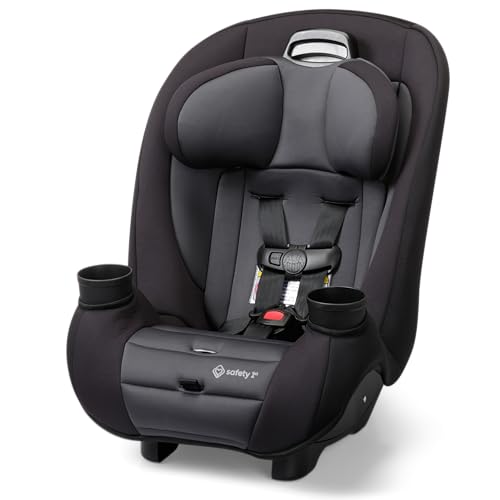
Ultimately, the choice between starting with an infant car seat or going straight to a convertible often comes down to lifestyle and budget. If you value the convenience of a portable carrier and a travel system, an infant seat is a great start. If you prefer a one-time purchase and maximizing rear-facing time without needing to carry the seat, a convertible car seat used from birth is an excellent option. Both are safe when used correctly according to their respective manufacturer specifications.
What Are Common Mistakes When Switching From an Infant Car Seat?
Common mistakes when switching from an infant car seat often involve turning the child forward-facing too soon, incorrect car seat installation, and failing to adjust the harness straps properly. These errors can severely compromise child passenger safety, highlighting why adherence to car seat safety rules is paramount. The primary risk stems from the misunderstanding that once a child outgrows an infant seat, they are automatically ready for a forward-facing position, which is rarely the case.
Many parents, driven by a fear of switching too early or a misinterpretation of milestones, inadvertently create an unsafe car seat transition. According to certified child passenger safety technicians (CPSTs), these mistakes are largely preventable with careful attention to detail and a commitment to following manufacturer and expert guidelines. Understanding these pitfalls allows you to avoid them, ensuring your child remains protected.
Here are the most common mistakes and their solutions:
- Mistake: Switching to Forward-Facing Too Soon.
- Solution: Your child must remain in a rear-facing position until they reach the maximum height or weight limit of their new convertible car seat, typically well beyond age two and often up to age four or five. The American Academy of Pediatrics strongly recommends this extended rear-facing use for optimal spinal protection.
- Mistake: Incorrect Car Seat Installation.
- Solution: Always read the manuals for both your new car seat AND your vehicle. Car seat installation mistakes are prevalent. Ensure the seat is tightly secured (less than one inch of movement at the belt path), is at the correct recline angle, and that the vehicle’s LATCH system or seat belt is routed correctly. When in doubt, schedule a free car seat inspection with a certified CPST.
- Mistake: Incorrect Harness Height.
- Solution: For rear-facing car seats, the harness straps MUST originate from slots at or just BELOW the child’s shoulders. This prevents them from sliding up and out of the harness in a crash, ensuring proper restraint and distributing crash forces across their strong shoulders. Check this adjustment every time.
- Mistake: Not Reading the Manuals.
- Solution: Every car seat and vehicle is different. The manufacturer specifications in both manuals contain crucial, model-specific information for safe installation and use. Do not rely on general advice; always consult your specific manuals to prevent unsafe car seat transitions and comply with car seat laws.
FAQs About When To Move Out Of Infant Car Seat
What age do most babies outgrow infant car seats?
Most babies physically outgrow their infant car seat by height or the one-inch rule between 9 and 18 months. However, there is no set “age limit.” The only factors that matter are the specific height and weight limits of your car seat model. Always prioritize the manufacturer’s limits over your child’s age, as individual growth varies significantly.
Can a baby stay in an infant car seat after 1 year?
Yes, a baby can absolutely stay in an infant car seat after 1 year, and it is often the safest choice. As long as they are still within the seat’s height and weight limits and meet the one-inch rule, you should continue using it. The AAP recommends staying rear-facing for as long as possible, aligning with child passenger safety best practices.
What if my baby’s feet are touching the vehicle seat back?
A baby’s feet touching the vehicle’s seat back is completely normal and is not a safety concern. It is not a sign that the car seat is outgrown. Children are flexible and will find a comfortable position; their legs can bend or cross. It is far safer for their legs to be bent than to turn them forward-facing too soon due to perceived discomfort.
Do babies need to be able to sit up unassisted before switching to a convertible seat?
No, babies do not need to sit up unassisted to use a rear-facing convertible car seat. Most convertible seats are designed to be used from birth (typically 5 lbs and up) and have proper recline angles and newborn inserts to safely support an infant who does not yet have independent head or neck control. This ensures correct positioning for spinal development infants.
Is it okay to switch to a convertible car seat before my baby reaches the limits of the infant seat?
Yes, you can switch to a rear-facing convertible car seat at any time, even if the infant seat is not yet outgrown. As long as your baby meets the minimum weight and height requirements for the new convertible seat and it is installed correctly in the rear-facing position, this is a safe option. Some parents prefer the extended rear-facing capabilities or features of convertible car seats.
Do all infant car seats have the same height and weight limits?
No, all infant car seats do not have the same limits. These limits are set by each manufacturer based on the seat’s specific design and crash testing. It is critical to read the labels and manual for your exact car seat model to know its unique limits. Never assume the limits are the same as another brand’s; always consult official car seat manual information.
My baby seems cramped and cries in the infant seat. Should I switch?
While comfort is important, it should not override safety limits. First, ensure the harness and inserts are adjusted correctly for your baby’s size. If they are still within all the safety limits, the seat is still safe. You can switch to a roomier rear-facing convertible seat if you prefer, but don’t switch just because of perceived comfort if the infant seat still fits safely according to all safety-rated infant seat criteria.
What is more important: the height or the weight limit?
Both the height and weight limits are equally important, along with the one-inch rule. You must move to a new car seat as soon as your child meets any single one of these limits. For most babies, the height or one-inch rule is reached long before the weight limit, making the “baby outgrows infant seat by height” a more common transition trigger.
What happens if I use an infant car seat after my baby exceeds the limits?
Using a car seat after a child has exceeded its limits is extremely dangerous as the seat may not perform correctly in a crash. The manufacturer cannot guarantee its structural integrity or ability to protect your child, significantly increasing the risk of severe injury. The harness may not hold, or the shell could break, leading to catastrophic child passenger safety failures.
Where can I get my new car seat installation checked for free?
You can find a certified Child Passenger Safety Technician (CPST) to check your installation through organizations like Safe Kids Worldwide. They often host free car seat check-up events or have technicians available by appointment in your community to ensure your seat is installed correctly. A CPST approved inspection is invaluable for peace of mind and proper car seat installation.
Key Takeaways: When to Move Out Of Infant Car Seat Summary
- Transition Based on Limits, Not Age: The decision to move out of an infant car seat must be based on the manufacturer’s height, weight, or one-inch head clearance rule, never on age or milestones alone. The “when to move out of infant car seat” query is definitively answered by these physical parameters.
- Check Three Key Rules: Your baby has outgrown the seat if they exceed the height limit, the weight limit, OR the top of their head is less than one inch from the top of the seat’s shell. Reaching just one of these infant seat limits means it’s time to switch.
- Rear-Facing is Safest: The AAP recommends keeping your child rear-facing for as long as possible. Maxing out the limits of the infant car seat is the safest practice before moving to the next stage, which should always be a rear-facing convertible car seat.
- Read Your Manual: Every car seat is different. The labels on your specific seat and its official manual are the ultimate sources of truth for its limits and installation rules, crucial for preventing an unsafe car seat transition.
- The Next Step is a Rear-Facing Convertible Seat: When your infant seat is outgrown, the next step is a convertible car seat installed in the rear-facing position. Do not turn your child forward-facing; prioritize extended rear-facing safety for their developing neck.
- Bent Legs Are Not a Safety Risk: A child’s feet touching the back of the vehicle seat is normal and does not mean they are too big for their rear-facing seat. A head or spine injury is far more severe than a leg injury.
Final Thoughts on Your Infant Car Seat Transition
Navigating the journey of parenthood means making countless decisions focused on your child’s well-being, and the infant car seat transition is undoubtedly one of the most critical. This guide underscores a fundamental truth: safety is rooted in precise, measurable facts, not assumptions or general timelines. By meticulously adhering to your car seat’s manufacturer-specified height and weight limits, and especially the crucial one-inch rule, you’re not just following guidelines; you’re actively ensuring your child’s protection.
Remember, the goal is to maximize the time your child spends in the safest position possible – rear-facing – before transitioning them to a convertible car seat, also in the rear-facing mode. This approach, supported by extensive research from leading safety organizations, provides unparalleled defense for their vulnerable head and neck. Empower yourself with this knowledge, check your car seat’s manual diligently, and never hesitate to seek expert advice from a certified Child Passenger Safety Technician. Your vigilance makes all the difference in keeping your little one secure on every journey.
Last update on 2026-03-11 / Affiliate links / Images from Amazon Product Advertising API


