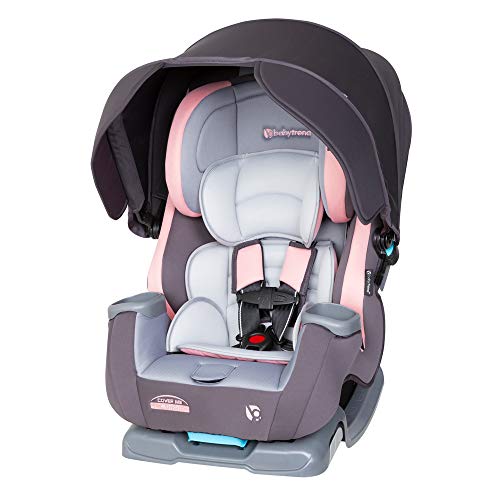
Is your baby on the way, leaving you to wonder when should you put car seat in car? Many expecting parents struggle with this specific timing. Knowing the right moment is essential for both preparation and safety.
The ideal time to install your infant car seat is between 35 and 37 weeks of pregnancy. This timing ensures you are prepared for an early arrival while minimizing the period the seat is exposed to potential damage or temperature fluctuations in an empty car before the baby is born. This is the expert-recommended window.
Based on insights from certified Child Passenger Safety Technicians (CPSTs) and current pediatric guidance, this guide provides the precise timing and steps. You will learn exactly how to ensure your car is safely prepared for your newborn’s arrival and hospital discharge.
Key Facts
- Optimal Installation Window: The recommended time to install an infant car seat is between 35 and 37 weeks of pregnancy, according to child safety experts.
- Accident Replacement Rule: Car seats must be replaced after any car accident, even minor ones, due to potential unseen structural damage.
- Safest Position: The center rear seat is statistically the safest placement for a car seat, as it is furthest from side impacts.
- Professional Verification: Having a certified Child Passenger Safety Technician (CPST) inspect your car seat installation is the most reliable way to ensure safety.
- Rear-Facing Duration: Children should remain in a rear-facing car seat for as long as possible, up to the seat’s maximum height or weight limits, as recommended by the American Academy of Pediatrics (AAP).
When Should You Put a Car Seat in Your Car Before Your Baby is Born?
The ideal time to install your infant car seat is between 35 and 37 weeks of pregnancy. This specific window ensures readiness for an early arrival while protecting the seat from unnecessary pre-use wear. This is a critical part of your pregnancy preparation checklist, ensuring you are hospital-ready.

This timeframe balances preparedness with practical considerations for the car seat’s longevity and safety integrity. Installing too early can expose the car seat to risks it was not designed to endure before active use. By waiting until the third trimester, you reduce the time the seat spends installed and unattended in your vehicle.
This precise recommendation comes from pediatric guidance and experienced Child Passenger Safety Technicians (CPSTs). It allows ample time to practice the installation and even schedule a professional safety inspection before your due date. Why not earlier? This timing minimizes the period the seat is exposed to potential damage or temperature fluctuations in an empty car before the baby is born.
- Expert Recommendation: The most widely recommended period for car seat installation is between 35 and 37 weeks of pregnancy.
Why Is the Timing of Car Seat Installation So Important?
Installing a car seat too early exposes it to unnecessary risks, such as being in a vehicle during a minor accident, which would require replacement. It also starts the clock on environmental wear from sun and temperature changes. Waiting too late can cause stress if the baby arrives early. Proper timing protects your investment and, more importantly, your child’s safety.
Understanding the “why” behind the recommended installation window helps parents make informed decisions. An unoccupied car seat, left in a vehicle for an extended period, faces several potential issues that can compromise its ability to protect a newborn. Ensuring a safe car seat installation means minimizing these pre-use challenges.
Consider the car seat’s lifecycle and the various factors that can affect its structural integrity. From unexpected events to gradual environmental effects, choosing the right installation timing is a proactive step in newborn safety. This protects during travel and ensures the car seat performs as designed when it truly matters.
What Are the Risks of Installing a Car Seat Too Early?
The primary risk of installing a car seat too early is being involved in a car accident, which would require you to replace the seat before the baby ever uses it, per manufacturer and NHTSA guidelines. Even a minor fender-bender without the baby in the car can render the car seat unsafe for future use.
Here are the key risks associated with premature car seat installation:
- Accident Risk: An empty car seat is still vulnerable. If your vehicle is involved in an accident, even a minor one, the car seat’s structural integrity can be compromised. This necessitates replacing the car seat before use, costing time and money. Think of an unused car seat in a minor accident like a new helmet you drop on the pavement—the damage might not be visible, but its safety integrity is now compromised.
- Environmental Wear: Prolonged exposure to extreme temperatures (hot summers, cold winters) and direct sunlight can degrade the car seat’s plastic components and harness webbing. This can weaken materials over time, potentially affecting its performance in a crash.
- Expiration Dates: Car seats have expiration dates, typically 6-10 years from the date of manufacture. Installing it significantly earlier than needed effectively shortens its useful life for the child who will actually use it.
- Forgetting Key Steps: Installing too early and then leaving it can lead to forgetting critical installation steps or harness adjustments by the time the baby arrives. This could result in an incorrect car seat installation when it’s needed most.
- Pest Infestation: Although uncommon, an unused car seat can become a temporary home for insects or other small pests if left in the car for months. While not a safety risk in terms of crash protection, it creates an unsanitary environment for a newborn.
How Do You Properly Install a Car Seat For a Newborn?
To properly install a car seat, first read both the car seat and vehicle manuals. Choose between the LATCH system or the vehicle’s seatbelt to secure the base, ensuring it moves less than one inch side-to-side. Finally, check the recline angle indicator to ensure it’s correct for a newborn.
Proper car seat installation is a critical skill for new parents, ensuring maximum newborn safety. Following a clear, step-by-step process is crucial to securing the infant car seat base. Each step ensures a secure car seat fit that follows manufacturer guidelines and meets AAP recommendations. Remember, the goal is to safely install the car seat base so that it’s ready for the infant carrier.
The American Academy of Pediatrics (AAP) and certified Child Passenger Safety Technicians (CPSTs) consistently emphasize the importance of correct installation. A properly installed car seat means a safer ride for your little one. Let’s break down how to properly install a car seat for a newborn, focusing on key actions and checks.
Step 1: How Do You Read the Manuals and Choose a Location?
Before installing a car seat, always read the car seat manual for installation options and the vehicle manual’s section on child restraints to identify LATCH anchor locations and airbag safety warnings. This critical first step is non-negotiable for 100% of CPSTs.
- Consult the Car Seat Manual: This document is your primary source for instructions on how to install your specific infant car seat model. It details whether it supports LATCH system installation, seatbelt installation, weight and height limits, and specific recline angle requirements for newborns.
- Review the Vehicle Manual: Your vehicle’s owner manual contains vital information about where child restraints can be safely installed.
- In the Vehicle Manual, find: LATCH anchor locations, Top tether points (if applicable), Seating positions to avoid (e.g., due to advanced airbag systems).
- Choose the Safest Spot: Determine the best car seat placement based on your vehicle’s capabilities and safety guidelines, prioritizing the rear seat.
Step 2: How Do You Install Using LATCH vs. a Seatbelt?
You can install a car seat using either the vehicle’s LATCH system or the seatbelt, but not both simultaneously. The LATCH system is often easier, but a seatbelt installation is equally safe when done correctly and the belt is locked.
Choosing the correct method (LATCH or seatbelt installation) is pivotal for a secure car seat fit. Both methods are safe when used properly, but you should never use both at the same time unless explicitly permitted by both your car seat and vehicle manuals.
Using the LATCH System
The LATCH (Lower Anchors and Tethers for Children) system provides dedicated anchors in your vehicle for car seat installation.
- Locate Anchors: Find the LATCH anchors in your vehicle’s rear seat, typically marked with small symbols.
- Connect Lower Anchors: Attach the car seat base’s lower connectors to these anchors.
- Tighten: Press the car seat base firmly into the vehicle seat while pulling the LATCH straps to tighten, ensuring there’s no more than one inch of movement at the belt path.
Using the Vehicle Seatbelt
Seatbelt installation is a universal option, especially if your vehicle lacks LATCH or the child exceeds LATCH weight limits (check your car seat manual for specific limits, usually around 65 lbs total for child and seat).
- Route Seatbelt: Follow the car seat manual’s instructions to route the vehicle’s lap and shoulder belt through the designated belt path on the car seat base.
- Lock the Seatbelt: Pull the shoulder belt all the way out until you hear a click, then let it retract to lock the seatbelt in place. This prevents the car seat from loosening.
- Tighten: Press the car seat base firmly into the vehicle seat while pulling the shoulder belt to remove all slack. Ensure less than one inch of movement.
| Feature | LATCH System Installation | Seatbelt Installation |
|---|---|---|
| Best For | Simplicity, reducing user error | Universal compatibility, vehicles without LATCH |
| Key Action | Click connectors to lower anchors | Route belt through path, lock the retractor |
| Weight Limit | Yes (check manual, usually 65 lbs total) | No (uses vehicle’s full belt strength) |
| Common Error | Using both LATCH and seatbelt | Forgetting to lock the seatbelt |
Where Should You Put the Car Seat in the Car?
The safest place to install a car seat is in the center of the rear seat, as it offers the most protection from a side-impact collision. If a secure installation isn’t possible in the center, a properly installed seat on either side of the rear seat is a safe alternative. A secure fit is paramount.
The placement of your car seat within the vehicle is a critical aspect of child passenger safety. While the center rear seat is often cited as the safest car seat position, the most important factor is achieving a secure car seat fit. This requires understanding the nuances of vehicle seat compatibility and overall vehicle safety basics.
Evidence-based guidance from organizations like the American Academy of Pediatrics (AAP) and government safety standards consistently support the center rear seat. This is due to its distance from potential side-impact points. However, some vehicles or car seat models may not allow for a secure fit in the middle.
Crucial Warning: Never place a rear-facing car seat in the front passenger seat where there are active airbags. The force of an airbag deploying can cause severe injury or death to an infant. The rear seat is the only safe location for a newborn.
| Seating Position | Pros | Cons | Safest For |
|---|---|---|---|
| Center Rear Seat | Furthest from side impacts (statistically safest) | Can be difficult to install securely; may have a “hump” | One child, if a secure fit is achievable |
| Side Rear Seat (Driver/Passenger) | Often easier to install securely (LATCH is common); easier access to baby | Closer to potential side impacts | When a center install is not secure; for multiple children |
| Front Passenger Seat | NEVER ACCEPTABLE | EXTREME DANGER from airbag | NEVER a rear-facing seat |
How Do You Confirm Your Car Seat Is Installed Correctly?
To confirm a car seat is installed correctly, perform the 1-inch test by pulling the base at the belt path—it should not move more than one inch. Check that the recline angle indicator is in the newborn zone. The ultimate confirmation is to have it inspected by a certified Child Passenger Safety Technician (CPST).
After installing your infant car seat, verification is crucial for peace of mind and maximum newborn safety. Even if you meticulously followed the manual, a quick check can prevent common mistakes. This safety inspection checklist helps ensure a properly installed car seat.
A properly installed car seat should not move more than one inch at the belt path. This “1-inch rule” is a fundamental test that every parent should know. However, even with this self-check, the gold standard remains a certified professional. Child Passenger Safety Technicians (CPSTs) are certified experts dedicated to supporting infant safety.
Here’s how to confirm your car seat is installed correctly:
- Perform the 1-Inch Test: Grab the car seat base at the belt path (where the LATCH strap or seatbelt passes through) and try to move it side-to-side and front-to-back. It must not move more than 1 inch in any direction. If it does, it’s too loose.
- Check the Recline Angle: Ensure the bubble or line on the car seat’s angle indicator is in the correct position for a newborn. This typically means the baby is reclined enough to prevent their head from slumping forward, which could obstruct breathing.
- Verify Harness Height: For rear-facing seats, the harness straps should be at or just below the baby’s shoulders. The chest clip should be at armpit level.
- Schedule a CPST Inspection: For complete peace of mind, have your car seat installation checked by a certified Child Passenger Safety Technician (CPST). They can double-check your work, make adjustments, and teach you how to use the seat correctly. You can find a local CPST through organizations like Safe Kids Worldwide.
FAQs About When Should You Put Car Seat In Car
Is 35 weeks too early to install a car seat?
No, 35 weeks is not too early; it is the ideal time to start. Installing your car seat between 35-37 weeks is recommended by most child safety experts. This timeframe gives you plenty of opportunity to ensure a correct installation and have it checked by a professional before a potential early arrival, without leaving it in the car for an excessive period.
Do hospitals check car seat installation before discharge?
Generally, no, hospitals do not and are not certified to check your car seat installation. While hospital staff will require you to have a car seat to take your baby home, they are not trained Child Passenger Safety Technicians (CPSTs). Their role is to ensure you have the seat, not to verify its installation. It is your responsibility to have it checked beforehand.
Can you put an infant car seat in a car without its base?
Yes, most infant car seats are designed to be safely installed without the base. This method, called a “European belt path” or baseless install, uses the vehicle’s seatbelt routed through specific guides on the carrier itself. It’s a safe option for travel in taxis or other vehicles, but you must read the car seat manual for exact instructions.
How long should a baby stay in a rear-facing car seat?
A child should remain in a rear-facing car seat for as long as possible, until they reach the maximum height or weight limit allowed by the seat’s manufacturer. The American Academy of Pediatrics (AAP) strongly recommends this, as rear-facing is the safest position, protecting the child’s head, neck, and spine. This is often well past their second birthday.
What if my baby arrives before I’ve installed the car seat?
Don’t panic. One parent or a support person can install the car seat base while the other parent and baby are recovering in the hospital. It’s a good idea to practice the installation once before your 35-week target. Keep the car seat manual with the seat so it’s readily available for a helper to use if needed.
Should I leave the infant carrier in the car after the base is installed?
No, it is best to only leave the car seat base installed in the car. Keep the infant carrier (the part the baby sits in) inside your home until it’s time to go to the hospital. This protects the carrier from extreme temperatures, direct sunlight, and potential theft, ensuring it’s in perfect condition for your newborn.
Does the car seat need to be replaced after a car accident?
Yes, you should almost always replace a car seat after any car accident, even a minor one. Car seat manufacturers and the NHTSA have specific criteria, but the safest rule is to replace it. A crash can cause unseen structural damage that compromises the seat’s ability to protect your child in a future accident.
When should you turn your car seat to face forward?
You should only turn the car seat to face forward after your child has exceeded the maximum height or weight limit for rear-facing mode, as specified by the seat’s manufacturer. Do not rush this transition. This is a matter of safety, not a developmental milestone. Most children can remain rear-facing until age 3 or 4.
Where can I find a certified technician to check my car seat?
You can find a certified Child Passenger Safety Technician (CPST) through organizations like Safe Kids Worldwide. They maintain a national database of technicians and local inspection stations. These checks are often free and are the most reliable way to ensure your installation is 100% correct and safe.
Is the center seat really the safest if it doesn’t have LATCH?
Yes, the center seat is still statistically the safest location, even if you must use a seatbelt for installation. A secure installation with a seatbelt in the center position is safer than a LATCH installation in a side position. However, the most important factor is a secure fit, so if you cannot get one in the center, a side position is the next best choice.
Key Takeaways: Car Seat Installation Timing Summary
- Optimal Timing is 35-37 Weeks: Install your infant car seat during this window to be prepared for birth without exposing the seat to unnecessary pre-use risks like car accidents.
- Location Matters—Center is Safest: The rear center seat is the safest position as it’s furthest from side impacts. However, a secure installation in a side position is safer than a loose one in the middle.
- Read Both Manuals First: Before you begin, always read the car seat manual and your vehicle’s owner manual. This is the first step to a safe and correct installation.
- The 1-Inch Rule is Non-Negotiable: After installing the base, grab it at the belt path and pull. It should not move more than one inch in any direction. This is the key test for a secure fit.
- Professional Inspection is Gold Standard: The only way to be 100% certain of a safe installation is to have it checked by a certified Child Passenger Safety Technician (CPST).
- Rear-Facing is Safest, Longer is Better: Keep your child rear-facing until they reach the maximum height or weight limit of their seat. This is the single most effective way to protect their head, neck, and spine.
- Replace After Any Accident: For maximum safety, a car seat should be replaced after any crash, no matter how minor, as its structural integrity may be compromised.
Final Thoughts on Preparing Your Car Seat for Your Newborn
Preparing for a newborn’s arrival involves many steps, but correctly timing and executing your car seat installation is one of the most important. It’s a fundamental act of love and protection, ensuring your little one’s first journeys are as safe as possible. By following the recommended timeline of 35-37 weeks of pregnancy, you balance preparedness with the car seat’s long-term safety integrity.
Remember, a properly installed car seat is paramount. Always prioritize reading both your car seat and vehicle manuals, understanding the nuances of LATCH versus seatbelt installation, and confirming a snug fit using the 1-inch rule. The insights from pediatric experts and certified technicians underscore that while self-installation is achievable, a professional inspection offers unparalleled peace of mind. Make this final check a non-negotiable part of your pre-baby preparations. Your newborn’s safety begins the moment they leave the hospital, and a securely installed car seat is the first step in that journey.