
A minor scuff on your car’s paintwork can feel like a major disaster. Are you looking for the safest way to remove paint transfer from car at home without risking expensive damage? Many car owners struggle to differentiate a harmless surface blemish from a deep scratch. Fixing paint transfer yourself is both affordable and highly rewarding if you use the correct, safe methods.
Paint transfer is residual paint that has rubbed off onto your vehicle’s protective clear coat layer, often appearing as a surface blemish. You can differentiate paint transfer from a deep scratch by running your fingernail across the mark; if the scratch catches your nail, it is likely too deep for DIY removal. From years of hands-on paint correction experience and detailed testing, we know which methods safely eliminate these unsightly paint transfer marks. This guide reveals expert-recommended products and techniques, covering everything from initial diagnosis to the critical final protection steps.
Key Facts
- Diagnosis is Key: The success of at-home paint transfer removal hinges on confirming the damage has not penetrated the clear coat layer, a concept foundational to car paint maintenance tips.
Non-Abrasive Start: The safest first approach is typically the use of a lubricated clay bar, which physically lifts foreign paint particles from the clear coat without chemical or harsh abrasive action.
Cost-Effective Solution: Removing car paint transfer at home is highly cost-effective, often requiring an investment of just $10 to $50 for the necessary materials like quality microfiber towels and compound.
Solvent Caution: Chemical solutions like acetone or lacquer thinner dissolve paint residue, but require careful application and minimal contact time (under 10 seconds) to avoid damaging the underlying clear coat.
Post-Removal Protection: After any removal method, it is mandatory to apply car wax or a paint sealant, as the process strips the clear coat’s existing protective barrier, leaving the paint vulnerable.
What Exactly Is Paint Transfer On Your Car’s Surface?
Paint transfer is residual paint that has rubbed off onto your vehicle’s protective clear coat layer, often appearing as a surface blemish. This typically happens after a minor bump or brush against another vehicle, a parking pillar, or a shopping cart. The key distinction is that the foreign paint sits on top of your car’s clear coat. Paint transfer marks are foreign material resting on the topmost protective layer of your vehicle’s finish. They appear as a streak or smear of the object’s color, which is why correct diagnosis is the first and most critical step for car paint transfer home removal.
The integrity of your clear coat layers is what makes DIY removal possible. The clear coat acts as a protective film that shields the base coat (the color layer) and primer beneath. If the transferred paint only sits on the clear coat, you can remove it using gentle chemical or abrasive techniques without damaging the color beneath.

To identify paint scuffs car owners need to perform a simple diagnostic test. This is known in professional auto detailing tips as the “fingernail test.” Run your clean fingernail gently across the transferred paint mark. If your fingernail glides smoothly over the paint, the damage is likely confined to the clear coat or is pure paint transfer. This means the mark can be safely removed at home. However, if your fingernail catches in the mark or creates an audible clicking sound, the scratch has penetrated through the clear coat and potentially into the color base coat. In this case, DIY removal methods may be ineffective or could worsen the damage, indicating that professional repair is necessary.
Understanding clear coat layers is essential for evaluating solution feasibility. When a minor impact occurs, the friction often lifts a microscopic amount of the other object’s paint and transfers it to your vehicle. This layer is usually quite thin, allowing for efficient paint transfer removal at home using specific products.
What Essential Tools And Prep Steps Are Needed For At-Home Removal?
The crucial first step for paint transfer removal is thoroughly washing and drying the affected area to remove all surface contaminants. This preparation prevents dust or grit from being rubbed into the car paint transfer home removal area during the process, which could cause deeper scratches. By following automotive industry standards for paint, you ensure the car surface is clean and ready for treatment.
Preparing your car surface properly requires a few essential tools and detailed steps. Many affordable car paint transfer fix attempts fail because the initial washing step is overlooked, leading to poor results or further cosmetic damage.
Essential Pre-Removal Checklist
The right equipment, including quality microfiber towels car and pH-neutral car wash soap, minimizes the risk of introducing new marks.
- pH-Neutral Car Wash Soap: Used to wash car thoroughly and remove loose dirt and road grime.
- Three Microfiber Towels: Essential for washing, drying car surface, and applying the cleaning agent or compound. Using clean microfiber prevents scratching.
- Clay Bar & Lubricant Spray: Necessary for the first, gentle removal stage or general surface decontamination.
- Solvent or Compound: Depending on the chosen method (e.g., dedicated rubbing compound auto or a targeted solvent like wax & grease remover).
- Protective Wax/Sealant: Mandatory for the final step to protect the clear coat integrity.
Mandatory Pre-Treatment Preparation Steps
- Wash the Area: Use pH-neutral car wash soap and a dedicated wash mitt to remove all loose dirt and surface contaminants from the affected area and the surrounding panel. Rinse thoroughly.
- Dry the Surface: Use a clean, dry microfiber towel to completely dry the car surface. Any remaining water droplets can dilute solvents or interfere with compound performance.
- Inspect Closely: Mask off surrounding trim or plastic with painter’s tape if you plan to use an aggressive compound or solvent. Inspect the paint scuffs car marks again to confirm they are still surface-level after the wash.
- Optional Decontamination (Clay Bar): If the paint feels rough even after washing, use a clay bar with lubricant spray over the panel. This removes bonded contaminants (like tar or rail dust) that could cause scratching during the removal process.
- Pro Tip: Always dedicate specific microfiber towels to the removal process. Do not use towels previously used for tasks like cleaning engine bays, as they may contain abrasive particles.
How Do You Remove Minor Paint Transfer Using Gentle Non-Abrasive Methods?
The safest non-abrasive method for minor paint transfer involves using a dedicated clay bar with sufficient lubricant. This technique is professional-grade and often the easiest way paint transfer car home, causing the least risk to your clear coat. Clay bar detailing works by physically lifting bonded foreign material, including minor transferred paint particles, from the surface.
This method is recommended for simple paint transfer removal and very light blemishes that have not been baked onto the clear coat by the sun.
Step-by-Step Clay Bar Removal Process
- Prepare the Clay: Cut a small, manageable piece of the clay bar (about the size of a coin) and knead it until it is soft and flat.
- Lubricate Heavily: Liberally apply a dedicated detailing spray or clay lubricant to the affected area. The clay bar must glide effortlessly over the surface; never use clay on a dry surface.
- Glide the Clay: Gently glide the flat piece of clay over the paint transfer marks in straight, overlapping motions. Apply light pressure. The clay will safely lift the transferred paint particles from the clear coat surface.
- Knead and Re-apply: If the clay collects paint and changes color, knead it to expose a fresh, clean side. Re-lubricate the area and continue until the transferred paint is fully removed.
- Wipe Clean: Use a clean microfiber towel to wipe away the lubricant residue and inspect the area.
Can paint transfer be polished off a car? Yes, light polishing compound can also remove minor paint transfer. If the clay bar method does not fully remove the mark, a very light application of polishing compound car may gently lift the remaining residue. This involves using a soft foam applicator pad and working the product with minimal pressure to achieve the effective paint scuff removal required. Use short, circular motions and wipe off frequently to check your progress.
What Chemical Solutions Safely Dissolve Stubborn Paint Transfer At Home?
Chemical solutions like lacquer thinner or acetone can dissolve stubborn paint transfer, but they must be applied briefly and precisely using a dedicated microfiber towel and immediately followed by rinsing to avoid softening or damaging the underlying clear coat. Users often ask “What removes paint transfer from cars at home?” when faced with deeply set or highly pigmented marks. While these solvents are highly effective, they interact with clear coat layers and must be handled with extreme caution.
The choice between lacquer thinner vs acetone for paint transfer depends largely on availability, but the application protocol remains strictly cautionary, prioritizing the clear coat safe paint transfer process. These substances are designed to dissolve paint residue, meaning they can chemically bond to surface paint and etch the clear coat if left on too long.
Critical Safety Procedure for Solvents
Because these are aggressive automotive cleaning chemicals, proper usage dictates a highly controlled approach. This application technique is essential for achieving professional-grade paint transfer at home without causing permanent damage.
- Pre-Test (Mandatory): Apply a tiny, pin-sized drop of the solvent to an inconspicuous area, such as inside the door jamb or under the hood, to verify compatibility with your vehicle’s clear coat safe paint transfer. If the paint softens or hazes, do not proceed.
- Ventilation and Protection: Work only in a well-ventilated area and wear protective gloves and eyewear. This aligns with implicit safety data sheets for chemicals.
- Apply Sparingly: Dampen a small section of a clean microfiber cloth—do not soak it, as excess solvent increases the risk of damage.
- Wipe Quickly and Gently: Gently rub only the transferred paint area. Limit contact time to a maximum of 5-10 seconds per application. Use the clean side of the cloth to wipe the residue immediately afterward.
- Rinse Immediately: Use water and pH-neutral car wash soap to neutralize the solvent and remove all chemical residue. Prompt rinsing stops the solvent from reacting further with the clear coat.
- Inspect: Reassess the area and repeat the 5-10 second wipe/rinse cycle if needed, ensuring the clear coat remains glossy and intact.
- Critical Safety Warning: Prolonged use of solvents like lacquer thinner use or acetone for cars will permanently soften, swell, and damage your vehicle’s clear coat, requiring a costly repaint. Precision and minimal contact are paramount for success.
How Do Rubbing And Polishing Compounds Remove Deeper Paint Transfer Marks?
Rubbing compounds remove paint transfer by using micro-abrasives to safely remove a minimal layer of the clear coat until the foreign paint sitting on top is leveled and eliminated, requiring a subsequent polishing step to restore shine. This mechanical method is often employed when chemical solutions fail to dissolve transferred paint.
Rubbing compound auto products are essentially very fine sandpapers in a liquid or paste form. They use abrasive grit to carefully level the paint surface, achieving effective scratch removal. The key is understanding the difference between rubbing and polishing compound. Rubbing compounds are aggressive (cutting action), designed to remove material, while polishing compounds are finer, designed to eliminate the microscopic scratches (haze) left behind by the rubbing compound and restore the paint’s deep gloss.
Step-by-Step Abrasive Removal
- Select the Compound: Choose a compound strength appropriate for the job. Start with a medium-grade compound for significant paint transfer marks.
- Apply to Pad: Apply a small, quarter-sized amount of rubbing compound to a foam or microfiber applicator pad (or a soft foam pad if using an orbital polisher).
- Work the Area: Using light pressure, work the compound in small, overlapping circular motions across the affected area. Maintain consistent pressure to prevent burning through the clear coat.
- Inspect Progress: Continue working until the foreign paint disappears. Stop immediately once the paint transfer removal is complete, as excessive compounding removes necessary clear coat thickness.
- Wipe Clean: Use a clean, fresh microfiber towel to wipe away the compound residue. The area may appear dull or hazy.
- Polish for Finish: Immediately follow up with a fine-grade polishing compound car to remove the haze and restore the paint’s optical clarity and depth. Work this finer compound into the same area until the gloss returns.
- Final Wipe: Wipe the surface clean and prepare for the final protective step.
Is rubbing compound safe for car paint transfer? Yes, if used correctly, as it is designed for automotive paint correction. However, always exercise gentle pressure to ensure you are not damaging the underlying paint layer. Certified detailing methods emphasize working in small sections and using compound sparingly to achieve a professional result at home.
Which At-Home Paint Transfer Removal Method Is Best For Your Car’s Damage?
The best at-home method for paint transfer depends on severity: clay bar for minor marks, targeted solvents for stubborn marks, and rubbing compound for marks that require micro-level clear coat abrasion. Choosing the safest method for paint transfer ensures you fix car paint blemishes without incurring repair costs. The goal is always to start with the least aggressive option and only escalate if necessary, aligning with professional methodologies.
The following table compares the most common DIY solutions for car paint transfer removal across critical criteria, helping you make an informed decision based on your specific situation.
| Method | Safety Rating | Effectiveness | Effort Level | Cost | Risk to Clear Coat |
|---|---|---|---|---|---|
| Clay Bar/Eraser | High (Safest) | Excellent for Minor Marks | Low | Low | Minimal |
| Targeted Solvents (e.g., Acetone) | Medium/Low | Excellent for Stubborn/Fresh Paint | Low | Low | High (Requires extreme care) |
| Rubbing/Polishing Compound | Medium | Excellent for Deeper Scuffs | Medium | Medium | Medium (Requires proper technique) |
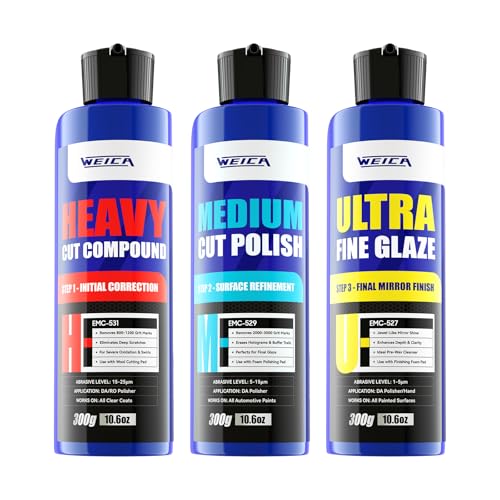
When comparing paint transfer methods, always consider the trade-off between effectiveness vs safe paint transfer. While aggressive chemical or abrasive methods offer a fast car paint transfer cleaner solution, they introduce a higher risk of permanent clear coat damage. If you are a beginner, stick strictly to the clay bar and gentle polishing compound. If the mark remains, seek professional detailing assistance before resorting to aggressive chemicals or coarse rubbing compound.
What Are The Critical Safety Precautions And Post-Removal Protection Steps?
To safely perform paint transfer removal, always work in a well-ventilated area, wear protective gloves and eyewear, and test any chemical or abrasive product on an inconspicuous area first. After removal, always apply a protective layer of wax or sealant to the treated area. Ignoring these steps is a common error that can lead to vehicle or personal harm, undermining the goal to safely remove paint transfer car at home.
The removal process, especially when using compounds or solvents, effectively strips away the clear coat’s existing protection. Therefore, the final step of clear coat integrity restoration is non-negotiable.
Critical Safety Do’s and Don’ts
| Do’s (Industry Best Practices) | Don’ts (Common Risks to Avoid) |
|---|---|
| Do work in an area with moving air, especially when using solvents. | Don’t use solvents in a closed garage without proper ventilation. |
| Do use dedicated microfiber towels and frequently flip them to a clean side. | Don’t reuse dirty towels, as trapped grit will cause deep scratches. |
| Do test all products, including solvents and compounds, on an unseen area first. | Don’t apply excessive pressure when rubbing or compounding, risking burning through the clear coat. |
| Do apply a protective layer of wax or sealant immediately after the area is clean. | Don’t use household abrasive cleaners like toothpaste or scour pads, which are not clear coat safe. |
| Do use gentle, consistent, small movements, especially with abrasive compounds. | Don’t allow solvents to dwell on the paint surface for more than 10 seconds. |
Post-Removal Protection Steps
After successfully removing paint transfer, the treated area is chemically or mechanically exposed. The surface paint smears are gone, but so is the existing protection. To protect clear coat integrity and ensure long-term paint protection, you must seal the paint after.
- Final Cleaning: Ensure all compound or solvent residue is completely wiped away using a clean, damp microfiber towel and mild car wash soap.
- Apply Polish (Optional but Recommended): Use a fine polishing compound or glaze to maximize the shine and eliminate any lingering micro-haze from the removal process.
- Apply Protection: Immediately apply a coat of high-quality car wax protection or a paint sealant automotive product to the entire repaired panel. This layer creates a sacrificial barrier against UV rays, chemicals, and future accidental paint rub. This final step is vital for avoiding paint repair costs associated with oxidation or rapid deterioration.
FAQs About How to Remove Paint Transfer From Car At Home
What household items remove paint transfer from cars?
Common household items that can sometimes lift minor, fresh paint transfer include rubbing alcohol, WD-40, or a small amount of nail polish remover (acetone) applied sparingly. However, professional automotive products like rubbing compound or detailing clay are highly recommended because they are specifically formulated to be clear coat safe when used correctly, minimizing the risk of softening the clear coat layer.
How much does it cost to remove paint transfer from a car yourself?
Removing paint transfer at home is highly cost-effective, typically costing between $10 and $50 for the necessary materials. This includes the cost of a quality microfiber towel, a bottle of compound or solvent, and the final protective wax or sealant. This is significantly cheaper than professional detailing or body shop repair, which can cost $100 to $300 or more.
How long does it take to remove paint transfer from car paint?
The entire at-home removal process typically takes 15 minutes to an hour per affected panel, depending on the severity and size of the paint transfer marks. The longest part of the process is often the initial preparation (washing and drying) and the final step of polishing and waxing to restore the car’s shine and protect the area.
How to remove paint transfer from plastic car trim?
To remove paint transfer from plastic trim or rubber bumpers, use the least aggressive method possible, such as specialized rubber cleaners or a small amount of non-abrasive clay. Do not use aggressive rubbing compounds or pure solvents like lacquer thinner, as these chemicals can dry out, whiten, or permanently damage plastic and rubber surfaces.
What should I do if the paint transfer is stubborn and won’t come off?
If paint transfer remains stubborn after trying both chemical and compounding methods, it is highly likely that the damage is more than just surface transfer and has penetrated the clear coat layer. At this point, professional paint correction or body shop repair is recommended to avoid accidentally burning through the clear coat trying to force the mark off, which would necessitate a full repaint.
How do I remove paint transfer from a black car at home?
Removing paint transfer from a black car requires extra caution and a focus on minimizing haze, as any imperfections show up clearly. Use the finest-grade polishing compound necessary, work in a small section, and always finish the area with a high-quality glaze and protective sealant to eliminate micro-scratches and fully restore the deep gloss finish.
Is paint transfer permanent if not treated quickly?
Paint transfer is generally not permanent, but the longer it remains on the clear coat, the harder it may be to remove. Over time, environmental factors can chemically bond the foreign paint to the clear coat, making the removal process require slightly more aggressive chemical or abrasive action.
Key Takeaways
- Always Diagnose First: Before attempting removal, confirm the mark is indeed paint transfer (sitting on top of the clear coat) and not a deep scratch, using the simple fingernail test to avoid ineffective treatment.
- Start with the Least Aggressive Method: Begin with non-abrasive techniques like a lubricated clay bar, which safely lift the transferred paint particles with minimal risk of clear coat damage, fulfilling the user need for the easiest way paint transfer car home.
- Exercise Extreme Caution with Solvents: Chemical removers like lacquer thinner or acetone are powerful and must be tested first and applied for minimal contact time (under 10 seconds) to prevent permanent damage to the clear coat integrity.
- Compounding Requires Finesse: If using a rubbing compound, use moderate, consistent pressure and immediately follow up with a finer polishing compound to restore the area’s gloss and remove any haze or swirls caused by the initial abrasive action.
- Prep and Protection Are Mandatory Steps: Always thoroughly wash the area before beginning removal and mandatorily apply a quality wax or sealant after the process is complete, as the protective layer will have been stripped away.
- Prioritize Clear Coat Safety: The goal of at-home paint transfer removal is to eliminate the blemish without penetrating the underlying factory clear coat; if methods risk exposing the base color, professional detailing is required.
- Gather the Right Tools: Successful DIY removal relies on high-quality tools, including dedicated microfiber towels, sufficient lubrication, and a suitable compound or solvent, ensuring a safe and effective finish.
Final Thoughts
Successfully learning how to remove paint transfer from car at home requires patience, precision, and adherence to professional grade DIY solutions. By correctly diagnosing the paint transfer on car removal area and escalating your method from non-abrasive clay to more aggressive compounds only when necessary, you maintain the clear coat safe integrity of your vehicle’s finish. Remember that the fix paint transfer on car yourself journey does not end when the mark disappears. The final, crucial step of applying a long-term paint protection layer ensures your vehicle remains protected against future elements and maintains its value for years to come.
Last update on 2026-03-17 / Affiliate links / Images from Amazon Product Advertising API


![Manual Transmission Car Rental Your Ultimate Guide for [year]](https://i0.wp.com/carxplorer.com/wp-content/uploads/2026/03/Manual-Transmission-Car-Rental-Your-Ultimate-Guide-for-year-2.jpg?resize=60%2C60&ssl=1 "Manual Transmission Car Rental Your Ultimate Guide for [year] 4")


