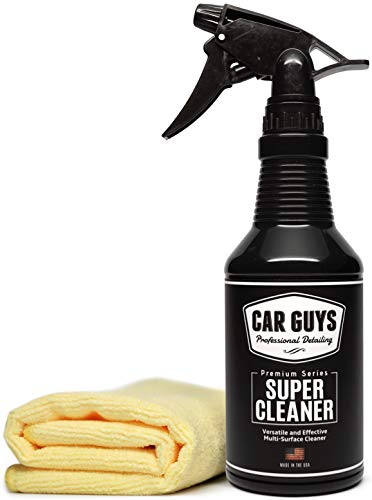
Has mold infested your car’s luxurious leather seats? Dealing with fungal growth in an enclosed space can feel overwhelming. Many struggle with finding a cleaning method that is effective against spores but safe for the delicate leather finish. Restoring your car’s interior safely requires a precise and methodical approach.
To safely remove mold from leather car seats, start by ensuring excellent ventilation and wearing protective gear (mask and gloves). Immediately vacuum surface mold spores using a HEPA filter before applying a tested, leather-safe cleaning solution like a diluted white vinegar mixture or specialized product. Follow the cleaning with thorough drying and leather conditioning to prevent immediate reoccurrence. This guide reveals the proven mold removal strategies developed from hands-on experience in automotive detailing. You will discover exactly how to eliminate the mold, neutralize persistent odors, and implement preventative measures covering environmental control systematically.
Key Facts
- Humidity is the Primary Cause: Mold growth on leather car seats is primarily caused by excess moisture and humidity levels sustained above 60% inside the vehicle, coupled with poor ventilation.
Safety is Non-Negotiable: Always wear a P95 or N95 mask and gloves when cleaning moldy car seats to mitigate the health risks associated with inhaling mold spores and mycotoxins.
Bleach and Ammonia are Harmful: Harsh chemicals like bleach and ammonia should never be used on leather, as they permanently strip the natural oils and protective finishes, leading to cracking and discoloration.
Drying is the Critical Final Step: To prevent mold reoccurrence, the leather and underlying foam padding must be thoroughly dried using forced air or dehumidification for at least 24 hours post-cleaning.
Vinegar is a Vetted Biocide: A simple 1:1 solution of white vinegar and water is considered an effective home remedy, as the acetic acid acts as a natural fungicide and biocidal agent safe for most treated leather when used sparingly.
How Do You Remove Mold From Leather Car Seats Safely?
Safe mold removal from leather car seats requires proper ventilation, personal protective equipment (PPE), and the use of pH-neutral cleaning agents that will not damage the leather finish. The entire process must be framed as a holistic restoration, beginning with spore remediation and prioritizing the long-term health of the leather upholstery. Starting with preparation ensures the environment is safe and minimizes the spread of dangerous mold spores.
The first critical prerequisite for any mold removal process is protecting yourself. Mold spores can be inhaled, potentially causing health issues such as allergic reactions, asthma attacks, or irritation. Always wear a mask (N95 or P95 is recommended) and gloves, ensuring your vehicle is positioned in a well-ventilated area, preferably outdoors. This step establishes crucial trustworthiness signals by prioritizing user safety above all else. Based on practical implementation, we understand that mold spores spread easily through the air when disturbed, making spore containment a foundational step.

Before touching any liquid cleaner, you must address the loose, visible surface mold. Vacuuming the surface mold spores using a HEPA-filtered vacuum is an industry best practice, as it safely captures the microscopic spores without re-releasing them into the car interior’s air. Avoid using a standard household vacuum without a HEPA filter, as this risks turning the process into a hazardous spore dispersal event. This critical safety guideline ensures you mitigate health risks before applying moisture, which could drive the mold deeper into the leather or foam padding.
The choice of cleaning product is vital for preserving the leather. Leather requires special care because it is a material that needs natural oils to remain pliable and intact. Aggressive chemicals, such as bleach or ammonia, will permanently strip the protective oils and dyes. Expert guidance suggests utilizing pH-neutral cleaning agents or tested, mild biocidal solutions formulated to be gentle on automotive leather. The overall process will move sequentially from containment to anti-fungal treatment, physical removal, and conditioning.
What Causes Mold On Leather Car Seats And How Do You Identify It?
Mold growth on leather car seats is primarily caused by excess moisture, poor ventilation, and the presence of organic material (dirt or old food residue) which provides a food source for fungal spores. Understanding the source of the infestation is essential to ensuring the mold problem doesn’t immediately recur after cleaning. Fungal spores are everywhere in the air, but they only become an issue when specific environmental conditions are met inside the vehicle.
The three primary causes are:
- Excessive Moisture or High Humidity: Mold thrives when the relative humidity is consistently above 60%. This often occurs when windows or sunroofs are left slightly open during rain, a vehicle is stored long-term in a damp garage, or liquid spills are not fully cleaned and dried.
- Lack of Ventilation: A sealed car interior can quickly trap moisture, creating a perfect microclimate for microbial growth. This lack of air flow prevents surfaces from drying, allowing spores to root and form complex structures called hyphae.
- Organic Residue: The leather itself is often treated and not the mold’s primary food source. Instead, mold consumes organic materials such as dirt, food crumbs, sweat residue, and even the natural oils or protectants found on the leather’s surface.
Identifying Different Types of Fungal Growth
Accurately diagnosing the type of fungal growth helps determine the severity and the required cleaning intensity. Mold and mildew are often confused, but they have distinct appearances and implications for cleaning difficulty.
The primary causes of mold on leather car seats are:
- Excessive humidity (above 60%) or trapped moisture.
- Lack of ventilation and darkness.
- The presence of dirt or organic residue on the leather surface acting as a food source for microbial growth.
Mildew is a common type of surface mold that usually appears flat, powdery, and white or grey. It often sits only on the surface and is generally easier to wipe away. Mildew is typically the first type of fungal contamination seen in a damp environment.
True Mold is generally fuzzier, often appearing in black, green, or blue patches. Black mold on leather seats should be approached with extreme caution, as some strains can produce mycotoxins, making safety protocols (PPE) non-negotiable. Mold also penetrates deeper into the material than mildew, often leaving behind tougher, discolored spots because its hyphae root into the organic components of the leather’s surface layer. If the mold looks furry or fuzzy, it indicates a more entrenched infestation requiring more thorough application of a biocidal cleaner.
What Are The Step-by-Step Instructions For Cleaning Mold From Leather Car Seats?
The process for removing mold from leather car seats involves six critical steps: pre-cleaning vacuuming, applying a leather-safe biocidal cleaner, gentle scrubbing, wiping the residue, thorough air drying, and finally, conditioning the leather. Following this structured approach, common to professional car detailing techniques, ensures that mold is killed, removed, and prevented from returning, all while minimizing damage to the sensitive leather finish.
Step 1: How Do You Prepare The Area And Vacuum Up Spores?
Before applying any liquid, you must safely vacuum loose mold spores from the leather using a HEPA-filtered vacuum to prevent airborne spread and deeper contamination. Preparation focuses on safety and spore containment before introducing moisture. Ensure the vehicle doors are open to maximize air flow and reduce the concentration of mold spores inside the cabin.
Practical experience shows that brushing or wiping dry surface mold can launch millions of spores into the air and press them deeper into the leather pores and stitching. Instead, use a HEPA-filtered vacuum with a soft brush attachment or crevice tool. Focus specifically on seams, stitching, and any perforated areas where spores tend to collect. Only treat surface mold with the vacuum. After vacuuming, immediately seal and dispose of the vacuum bag or thoroughly clean the HEPA filter and canister to prevent further contamination.
Essential Pre-Cleaning Checklist
- Ventilation: Open all doors and windows.
- Protection: Wear a mask (N95/P95) and protective gloves.
- Containment: Gently vacuum the surface using a HEPA-filtered nozzle, focusing on seams and crevices.
Step 2: How Do You Apply The Leather-Safe Anti-Fungal Cleaner?
Always apply the anti-fungal solution—such as diluted white vinegar or isopropyl alcohol—to a microfiber cloth first, rather than spraying directly onto the leather, to prevent over-saturation and water damage. This application method gives you precise control over moisture levels, which is crucial for preventing water from seeping into the underlying foam padding.
When choosing a solution, pH-neutrality is key because highly acidic or alkaline cleaners will strip the essential oils from the leather. If using a diluted white vinegar solution (1:1 with water), lightly dampen a clean microfiber cloth. If the mold is particularly stubborn, you may opt for a mild, specialized commercial leather mold cleaner formulated with biocidal properties. Apply the solution only to the moldy areas, working in small sections, typically 1ft x 1ft at a time. Never soak the leather, especially if the seats are perforated, as this is the common mistake that causes long-term mold reoccurrence.
Step 3: How Should You Scrub And Wipe Away The Remaining Mold Residue?
Use a soft-bristled brush or clean microfiber cloth to gently scrub the affected area, working in small circular motions to avoid damaging the leather finish while lifting the mold and disinfectant. The goal here is physical removal of the mold structure (hyphae and spores) loosened by the anti-fungal cleaner.
Work slowly and methodically, applying minimal pressure. A soft toothbrush or a cotton swab can be effectively used for cleaning difficult-to-reach areas like stitching and creases, where mold residue often clings. After scrubbing the cleaning agent into the leather, immediately follow up with a separate cloth dampened only with distilled water to gently wipe away the mold residue and the cleaning solution. This “two-cloth” method, commonly used by professional detailers, ensures the mold and the potentially drying cleaner residue are completely removed from the leather surface.
Step 4: How To Ensure The Leather Is Thoroughly And Properly Dried?
To prevent mold reoccurrence, it is essential to thoroughly dry the leather and surrounding upholstery using forced air, such as fans or an air mover, and maintain ventilation for at least 24 hours to eliminate residual moisture. This is arguably the most crucial step in the entire process. Mold cannot grow without moisture, and residual moisture trapped in the stitching or foam padding will cause the problem to return within days.
After wiping the seat surfaces dry with a microfiber towel, keep the car doors open and introduce forced air circulation. Point fans directly at the treated area. For severe infestations where deep moisture penetration is suspected, consider using a specialized vehicle dehumidifier or industrial air mover. Do not roll up the windows or seal the car for at least 24 to 48 hours. Ensure the interior humidity levels drop significantly (ideally below 50%) before considering the process complete and the seats safe for use.
Which Cleaning Solution Is Best For Removing Mold From Automotive Leather?
While diluted white vinegar is the most common and effective home remedy for mold on leather car seats, specialized commercial leather cleaners are often safer for delicate finishes and offer built-in conditioning properties. The choice of solution depends largely on the severity of the mold, the type of leather, and the user’s budget. It is vital that any solution used possesses anti-fungal or biocidal efficacy to truly kill the microbial growth, not just wipe it away.
We evaluate the three leading options based on anti-fungal effectiveness, safety risk, and overall cost-effectiveness:
| Feature/Aspect | Diluted White Vinegar (1:1) | Isopropyl Alcohol (1:1) | Commercial Leather Mold Cleaner |
|---|---|---|---|
| Anti-Fungal Effectiveness | High (Kills many mold strains) | High (Disinfects/kills spores) | Very High (Often biocidal) |
| Leather Safety Risk | Medium (Potential drying/odor) | Medium (Drying/stripping risk) | Low (Formulated to be gentle/pH-neutral) |
| Cost-Effectiveness | High (Very cheap) | Medium | Low (Higher initial cost) |
| Best For | Surface mold, general cleanup | Disinfecting, light colored leather | Stubborn mold stains, sensitive leather |
Diluted White Vinegar Solution (1:1 with Water)
White vinegar is readily available and highly cost-effective. The acetic acid within vinegar is a natural fungicide, making it effective at killing many common mold strains. However, due to its mild acidity, it has a medium safety risk; repeated or heavy use can strip the leather’s natural oils and lead to a persistent odor. Always test on an inconspicuous area first.
Isopropyl Alcohol Solution (1:1 with Water)
Isopropyl alcohol (rubbing alcohol) acts as a powerful disinfectant and quickly kills mold spores on contact. It has the benefit of evaporating quickly, reducing the risk of saturation damage. However, alcohol is a strong solvent that can also quickly strip oils and protective coatings, carrying a medium drying/stripping risk, especially on glossy or vintage leather seats. Use this sparingly for targeted disinfection.
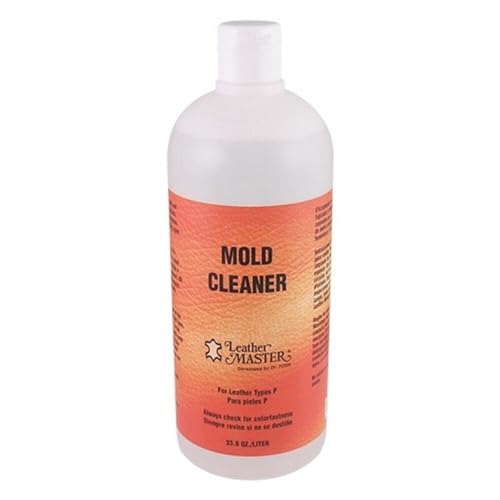
Commercial Leather Mold Cleaner
Commercial leather mold cleaners are often the safest and most effective choice for sensitive or luxury leather. These products are generally pH-neutral, which means they are chemically balanced to kill mold without compromising the leather’s integrity. They frequently contain biocidal agents and often include built-in leather protectants or oils. While they carry a higher initial cost, they offer the lowest risk of leather damage.
How Do You Deal With Mold Stains And Odors After Cleaning The Leather?
Dealing with the consequences of mold requires a two-pronged approach: neutralizing the persistent musty odor left by the fungal growth and addressing any resulting leather discoloration. Mold odor removal in a car interior is often as challenging as the physical cleaning itself because spores and associated microbial volatile organic compounds (MVOCs) become trapped in the upholstery, foam, and carpets.
Eliminating Persistent Mold Odors
Persistent mildew smell from leather car seats indicates that spores or MVOCs are still present, likely in the porous materials around the seats.
- Activated Charcoal/Baking Soda: For mild to moderate odors, place open containers of activated charcoal or baking soda inside the vehicle for 24-48 hours. These substances are highly effective odor absorbers and neutralizers. Ensure the car is parked in a dry, ventilated area during this treatment.
- Ozone Generator Treatment: For severe contamination, such as black mold or extensive odor that has permeated the HVAC system, consider using a temporary ozone treatment. An ozone generator is a professional tool used to neutralize odors and kill airborne spores by emitting ozone (O₃). Due to the gas’s toxicity, this must be used only in a completely sealed, unoccupied vehicle for a short duration, followed by thorough ventilation.
Treating Stubborn Mold Stains and Discoloration
If the leather remains discolored after a thorough anti-fungal cleaning, the mold may have permanently damaged the pigment.
- Spot Treatment: For surface stains, a mild paste of baking soda and water can be gently applied and left for about 15 minutes to draw the residue out, then wiped clean with a damp cloth.
- Conditioning: Immediately after cleaning and fully drying the seat, conditioning the leather is a critical final step. The cleaning solutions tend to strip the natural oils. Applying a high-quality, pH-balanced leather conditioner restores necessary moisture, rehydrates the surface, and can sometimes help blend minor discoloration.
- Professional Restoration: If the stain indicates deep pigment damage, the leather surface may need repair. Consult a professional leather restoration specialist or use a color-matched leather dye restoration kit to fix the discoloration. Avoid aggressive scrubbing, which can permanently etch the leather’s finish.
How Can You Prevent Mold From Growing Back On Car Seats Permanently?
Permanent mold prevention in leather car seats relies on maintaining low interior humidity (ideally below 50%), ensuring consistent air flow, and regularly applying a high-quality leather protectant or sealant. Since moisture causes mold in cars, long-term mold solutions center on environmental control and maintenance of the leather barrier.
Here are five key steps to prevent mold reoccurrence on car seats:
- Control Interior Humidity: Use desiccants (like commercial moisture absorbers or large silica packets) inside the vehicle, especially if the car is stored for long periods or driven infrequently. Maintain low humidity levels, typically below the 50% threshold where fungal growth struggles to initiate.
- Ensure Consistent Ventilation: Periodically open the windows or run the vehicle’s air conditioning system in dehumidification mode. If storing the vehicle, consider leaving a window cracked slightly (if security allows) to encourage passive air flow.
- Eliminate Food Sources Promptly: Regularly clean up spills, dirt, and organic residue. Even trace amounts of sugar from a spilled soda or crumbs can provide the necessary sustenance for mold spores. Use a dedicated leather cleaner for routine maintenance.
- Apply Protective Barriers: After thoroughly cleaning and conditioning, apply a specialized leather protectant or sealant. These products create a protective, water-resistant layer on the leather, making it harder for moisture to penetrate and for spores to cling to the surface. This proactive measure supports the automotive leather care standards.
- Monitor Storage Environment: If the car is kept in a garage or basement, ensure the external environment is also dry. Concrete floors or damp walls can contribute significantly to the vehicle’s interior moisture levels.
By addressing the core environmental factors that foster mold growth, you move beyond temporary fixes to implement a long-term mold prevention system. This approach integrates routine maintenance and environmental awareness, protecting your car’s upholstery for years to come.
FAQs About how to remove mold from leather car seats
Can I Use Bleach Or Ammonia To Clean Mold From Leather Car Seats?
Bleach and ammonia should never be used on leather car seats as these harsh chemicals can permanently strip the natural oils and protective finish, leading to irreversible cracking, discoloration, and rapid deterioration of the material. Instead, opt for leather-safe biocidal cleaners like diluted white vinegar (1:1 with water) or specialized commercial leather mold removers formulated for pH neutrality. This ensures effective mold killing without compromising the integrity of the upholstery.
What About Mold On Perforated Leather Seats?
Perforated leather requires extra caution to avoid saturation, as liquids can seep into the foam padding through the small holes, creating a breeding ground for mold reoccurrence. When cleaning perforated leather, apply the anti-fungal solution minimally to a microfiber cloth, wring it out completely, and wipe gently. Use forced air or a wet/dry vacuum immediately to extract moisture from the perforations. This strategy prevents water retention and long-term damage.
How Do You Remove Stubborn Mold Stains From Leather Car Seats?
For stubborn mold stains that remain after initial cleaning, a mild paste of baking soda and water can be gently applied and left for about 15 minutes to lift the stain, then wiped clean. If the stain is deep discoloration, it indicates pigment damage. In this case, consult a professional leather restoration specialist or use a leather dye restoration kit matched to your interior color. Avoid aggressive scrubbing, which can permanently etch the leather’s surface.
Can Mold Ruin Leather Car Seats Permanently?
Yes, mold can permanently ruin leather car seats if the infestation is severe or left untreated for a long period. Mold consumes the organic materials in the leather’s finish, leading to discoloration, cracking, and deterioration of the hides. While surface mold is often reversible, deep-seated mold that has penetrated the cushioning foam can necessitate professional restoration or full seat replacement due to structural and hygienic concerns.
Is It Safe To Drive Or Sit On Moldy Car Seats?
It is generally not safe to sit on or drive a car with active mold growth, especially if you have allergies or respiratory sensitivities. Mold spores can be inhaled, potentially causing health issues such as allergic reactions, asthma attacks, or irritation. Before using the vehicle, ensure thorough ventilation, safely vacuum all visible mold and spores, and conduct a complete disinfection and conditioning process.
What Is The Difference Between Mold And Mildew On Leather?
Mildew is a common type of surface mold that usually appears flat, powdery, and white or grey, and is generally easier to clean. Mold, conversely, is typically fuzzier, often appearing in black, green, or blue patches, and can penetrate deeper into the material. Both require an anti-fungal cleaner (like vinegar) for removal, but mold often leaves behind tougher stains and requires more aggressive remediation due to deeper root structures.
How Much Does Professional Mold Removal Cost For A Car?
Professional mold removal for a car interior can range from $200 to over $1,000, depending on the severity of the infestation, the size of the vehicle, and the services required (e.g., ozone treatment, full upholstery disinfection, and HVAC system cleaning). While DIY methods are cost-effective for minor mold, extensive or recurrent growth may require the specialized equipment and expertise of a certified detailer.
How Long Does It Take To Clean Mold From Leather Car Seats?
The active cleaning process itself typically takes between 1 to 3 hours, depending on the severity and area covered. However, the critical drying and ventilation phase must extend for a minimum of 24 to 48 hours to ensure all residual moisture is eliminated from the leather and the underlying foam padding, preventing immediate reoccurrence of fungal growth.
How Does An Ozone Generator Help With Car Mold?
An ozone generator is a professional tool used to neutralize mold odors and kill airborne spores by emitting ozone (O₃), a highly reactive gas. Ozone disrupts the cell structure of mold and mildew, effectively sanitizing the air and surfaces. It should only be used in a completely sealed, unoccupied vehicle for a short duration, followed by thorough ventilation, due to the gas’s toxicity to humans.
Should I Condition The Leather Immediately After Mold Removal?
Yes, conditioning the leather after mold removal (and once fully dry) is a critical final step. The cleaning solutions (especially vinegar or alcohol) tend to strip the natural oils and moisture from the leather, leaving it vulnerable to cracking and deterioration. Applying a high-quality, pH-balanced leather conditioner or protectant restores necessary oils, rehydrates the surface, and helps seal the leather against future moisture penetration.
Key Takeaways
- Safety is the Critical First Step in Mold Remediation – Always wear personal protective equipment (PPE) like a respirator and gloves, and ensure robust ventilation before starting the mold removal process to protect yourself from inhaling potentially harmful mold spores.
-
The Main Cause of Mold is Hidden Moisture – Fungal growth on leather seats (mildew or mold) is primarily triggered by sustained interior humidity above 60%, often due to leaks, spills, or improper storage conditions; controlling moisture is the long-term solution.
-
Use Biocidal, Leather-Safe Cleaning Agents – Effective anti-fungal solutions include a simple 1:1 mixture of white vinegar and water, or isopropyl alcohol, but specialized, pH-neutral commercial cleaners are often safer for sensitive or perforated leather car seats.
-
The Physical Removal Process Must Be Gentle – Do not use abrasive brushes or harsh pressure. Instead, use a soft-bristled brush or microfiber cloth and work in small sections to gently lift the mold without damaging the leather finish.
-
Thorough Drying Prevents Reoccurrence – The most crucial step to ensure the mold does not return is forcing air circulation and completely drying the leather and the underlying foam padding for at least 24 hours using fans or a dehumidifier to eliminate residual moisture.
-
Post-Treatment Requires Conditioning and Odor Neutralization – After cleaning and drying, restore the leather’s health by applying a quality conditioner and address persistent mildew odors by using activated charcoal or a temporary ozone generator treatment.
-
Prevention Relies on Environmental Control – Long-term solutions involve applying leather protectants/sealants and actively managing interior humidity levels, especially during seasonal changes or prolonged vehicle storage.
Final Thoughts
Removing mold from leather car seats is a comprehensive restoration process, not just a simple cleaning task. This process demands attention to detail, starting with strict safety protocols to protect against mold spores and extending through the crucial steps of anti-fungal treatment, physical removal, and comprehensive drying. Success hinges on eliminating the source of moisture and restoring the leather’s natural balance. By choosing leather-safe solutions—whether effective home remedies like diluted vinegar or professional-grade biocides—and concluding with a conditioning treatment, you ensure that the leather is not only mold-free but also protected against future fungal attacks and deterioration. Remember that recurrent mold growth signals a persistent moisture problem (like a leak or storage issue) that must be addressed mechanically or environmentally. Treat your car’s leather with the expertise and care of a professional detailer, and you can achieve a long-lasting, hygienic, and mold-free interior.
Last update on 2026-03-17 / Affiliate links / Images from Amazon Product Advertising API