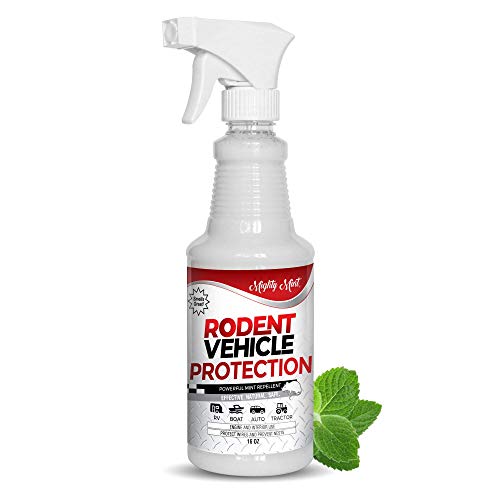
Is there anything more frustrating than discovering a mouse nest under your hood? Rodents in your car engine compartment pose an immediate threat, transforming a simple parking spot into an expensive hazard. Many struggle with finding reliable, long-term methods that truly protect their vehicle. This matters because the risk of chewed wiring and potential engine fires is very real.
The most effective way to keep rodents out of a car engine is by implementing a three-pillar strategy: removing attractants, applying potent multi-sensory repellents, and using physical exclusion methods like wire mesh to block known entry points. This multi-pronged approach addresses the rodent’s motivation for warmth, shelter, and nesting materials simultaneously.
From years of practical experience and analysis of automotive pest control best practices, this guide reveals why common DIY methods fail and provides the proven, tested strategies for maintaining a rodent-free engine, covering environmental proofing and the best commercial deterrent options available in 2026.
Key Facts
- Cost of Damage: Repairs for severe rodent damage to a car’s electrical systems can range between $500 and $5,000, based on industry analysis, making prevention highly cost-effective.
- Primary Attractants: Rodents are overwhelmingly drawn to engine bays by two factors: reliable warmth and the safety of sheltered, dark spaces, especially when outdoor temperatures drop in the winter.
- Modern Risk: Research shows that soy-based wiring insulation, used in many modern vehicles, acts as an unintended food source for pests, significantly increasing the risk of car engine wires damage.
- Prevention Focus: The most reliable solutions require a layered defense strategy, combining environmental cleanliness, physical barriers (exclusion), and multi-sensory deterrents, as few single products offer long-term effectiveness.
- Health Hazard: Rodent infestations are not just an automotive issue; rodent droppings and urine pose a health risk due to the potential transmission of diseases like Hantavirus, according to safety guidelines.
Why Are Rodents Attracted To Your Car Engine Compartment?
Rodents seek warmth, shelter, food, and nesting materials in the car engine compartment. The heat residual from a recently driven car is highly appealing, and the tight spaces offer protection from predators. Furthermore, modern car wiring often uses soy-based insulation that acts as an unintended food source. Understanding these core motivations is the foundation of effective rodent prevention car engine.
The engine bay acts as a perfect haven, especially as outdoor temperatures fluctuate. When engine heat attracts rodents, the enclosed area provides an ideal temporary home, satisfying their primal need for shelter. This is particularly true during late fall and winter (mice + winter + engine), when outside conditions become harsh. The complexity of the under-hood area—the battery heat shield, the air filter box, and the firewall gaps—creates numerous dark, secure rodent entry points car.
Based on research into rodent behavior car engines, four primary factors contribute to the severity of the problem:
- Warmth and Shelter: This is the most significant draw. A vehicle that has been driven recently retains residual heat for hours, offering an accessible, heated shelter. Rodents are attracted to this reliable source of warmth, especially during cold periods.
- Accessible Nesting Materials: Rodents build nests in engines using readily available materials. They utilize anything from leaves and grass drawn from outside the vehicle to insulation padding pulled from within the under hood insulation damage.
- Unintentional Food Sources: Food debris can accumulate in or around the vehicle. Moreover, a major factor in modern car engine wires damage is the use of soy-based wiring insulation. This biodegradable, often corn-based material is unfortunately palatable to rodents, turning the car’s electrical system into a food source.
- Protection from Predators: The tight, complex structure of the engine bay offers security from natural predators, making it a low-risk environment for rodents to rest and reproduce.
The discovery that modern car wiring insulation is attractive to rats emphasizes why simple deterrence is often insufficient. Even without human food, the vehicle itself can be seen as sustenance.
What Are The Key Signs of a Rodent Infestation Under Your Hood?
The main signs of a car rodent infestation are droppings, nesting materials, and chewed wires. Look for unexplained pieces of trash or fabric, a musty odor, and check the air filter housing for hidden nests, as these are primary warning indicators. Recognizing these signs early prevents major damage and is a core part of engine bay rodent prevention.
Experienced car owner tips rodents consistently highlight that visual inspection is the first line of defense. You must be specific about what you are looking for to confirm activity before damage escalates.
Signs of rodents in my car engine compartment fall into two categories:
- Visual and Sensory Signs: These are the most obvious indicators:
- Droppings: Small, dark, pellet-like droppings found clustered on the engine cover, near the battery, or behind the firewall. Rodent droppings attract pests by leaving a strong pheromone scent trail.
- Nesting Materials: Look for shredded paper, fabric, leaves, or even pieces of foam insulation packed into tight corners, especially near the battery or in the vehicle air filter damage housing.
- Foul Odor: A distinct, musty, or ammonia-like smell caused by urine. If a smell of dead rodent in car is present, it indicates a fatality within the engine bay structure.
- Visible Tracks: Dust or dirt smudges along hoses or the inner fender walls can indicate frequent rodent access to car engine.
- Functional Signs (Damage): These often manifest as performance problems:
- Chewed Wires or Hoses: Visible nicks, scratches, or complete severance of plastic or rubber components, particularly thin sensor wires (car engine wires damage).
- Electrical Malfunctions: Dim lights, non-functional gauges, or the Check Engine Light coming on can indicate that damaged wires cause electrical issues.
- Engine Performance Issues: Sputtering or rough idling, often a result of damaged vacuum lines or air intake hoses, directly impacting engine air quality.
- Safety Warning: When investigating rodent droppings in engine bays, always wear thick, protective gloves and a high-quality N95 mask. Hantavirus is a serious risk associated with rodent droppings and urine, and stirring up dust or debris can aerosolize the virus. Remove materials carefully without sweeping or vacuuming dry debris; instead, dampen the area with a disinfectant solution first. This adheres to safety guidelines and minimizes health risks.
What Steps Should You Take To Rodent-Proof Your Vehicle Environment?
To rodent-proof the environment, focus on cleanliness and physical barriers. (1) Clean the garage and remove food debris. (2) Seal wall and foundation gaps with steel mesh. (3) Consider leaving the car hood propped up when parked to remove the dark, sheltered feeling that attracts rodents. This strategy targets the environment first to prevent rats in car from reaching the engine bay entirely.
Rodent proofing the car engine is only effective if the immediate environment is also secured. Based on long-term effectiveness rodent control, environmental exclusion is the most crucial, proactive step.
Here are the sequential steps to rodent proof car engine surroundings:
- Eliminate Food Sources and Clutter: Remove all potential food sources car, including open bags of pet food, bird seed, and accessible trash containers from your garage rodent proofing. Clear clutter like stacks of firewood or boxes near the vehicle, as these offer ready-made shelter and nesting materials. Maintaining car cleanliness and securing garage access are essential ongoing tasks.
- Seal All Exclusion Barriers: Inspect your garage, shed, or carport for gaps larger than a quarter inch—which is all a mouse needs to squeeze through. Seal entry points car using robust exclusion barriers. Use copper mesh, steel wool, or hardware cloth embedded in foam sealant for foundation cracks, wall holes, and utility pipe openings. These materials are difficult for rodents to chew through.
- Implement the “Prop the Hood” Strategy: When parking your vehicle for more than a few days, consider leaving the car hood propped slightly open (6 to 12 inches). Rodents prefer dark, enclosed spaces that retain heat. Leaving the hood open eliminates the dark, sheltered feeling and allows heat to dissipate quickly, making the engine bay less appealing. This simple action disrupts the primary attraction of the engine heat attracts rodents.
- Manage Parking Habits: If possible, change your parking location frequently. Rodents, guided by strong scent trails, prefer established routes. Parking in the same spot for weeks gives them time to build a comfortable nest. If parking outside, park in open, cleared areas away from tall grass, shrubs, and wood piles that offer cover.
- Pro Tip: Using Hardware Cloth: Hardware cloth is a stiff, woven steel mesh, often used in professional exclusion. For permanent sealing of garage gaps or openings in the engine bay (like large gaps in the firewall), cut pieces of hardware cloth to fit, securing them with screws or strong adhesive. Unlike standard window screening, it is difficult for rodents to chew through, providing a robust physical barrier block access.
Which Types of Rodent Deterrents Work Best Under The Hood?
The most effective deterrents utilize multi-sensory approaches, combining strong odors (like commercial rodent sprays containing capsaicin or potent essential oils) with physical or auditory irritation (ultrasonic devices). Effectiveness is dictated by consistency and reapplication frequency. Rodent deterrent car engine solutions fall into three main categories: scent-based, physical, and electronic.
Choosing the best rodent repellent for cars requires evaluating efficacy, longevity, and safety for car components. Expert tips rodent control car often recommend a combination of these methods because determined rodents can overcome a single deterrent.
Do DIY Natural Deterrents Like Peppermint Oil and Dryer Sheets Work?
While natural deterrents like peppermint oil, Irish Spring soap, and dryer sheets may offer short-term, localized prevention due to their strong odors, their effectiveness is limited because the scent dissipates quickly, and robustly determined rodents often ignore them. The oil requires daily reapplication, and dryer sheets can pose a fire hazard if placed near heat sources or moving parts. Commercial sprays or electronic devices offer more robust protection.
The appeal of DIY rodent remedies is understandable due to their low cost and non-toxic nature, but practical experience shows they are often unreliable long-term solutions.
- Peppermint Oil Repellent: Peppermint oil repels mice due to its strong, volatile odor. However, the high volatility means the scent dissipates quickly, particularly in the high-heat environment of the engine bay. To maintain any level of deterrence, the oil-soaked cotton balls or rags require daily reapplication, a commitment most vehicle owners cannot sustain. Is it safe to spray essential oils in car engine? Only if using a commercial, specialized delivery system that avoids direct saturation of wires, as oil can degrade certain rubber components.
- Dryer Sheets and Soap: Dryer sheets car, Irish Spring soap, and similar scented products rely purely on odor masking. Studies show that rodents frequently move or nest next to these items, demonstrating their limited effectiveness. Furthermore, placing these materials under the hood—especially near belts, exhaust manifolds, or electrical connections—introduces flammable nesting material, posing a serious rodents pose fire hazard car.
- Hot Pepper Spray: A homemade hot pepper spray, often utilizing concentrated capsaicin, works as a taste deterrent. While highly effective if sprayed directly onto wires, it requires precise application and is highly irritating to the user. A safer, non-flammable application involves commercial rodent repellent spray products specifically designed for engine bays, which often contain encapsulated capsaicin for long-lasting deterrence.
| Deterrent Type | Application | Safety | Effectiveness (Long-Term) | Cost |
|---|---|---|---|---|
| Peppermint Oil | Requires daily reapplication on cotton balls (fire risk). | Low (if near heat), Non-Toxic (if oil quality is high). | Poor | Low |
| Dryer Sheets/Soap | Place loosely in engine bay (fire risk). | Low (due to flammability). | Poor | Very Low |
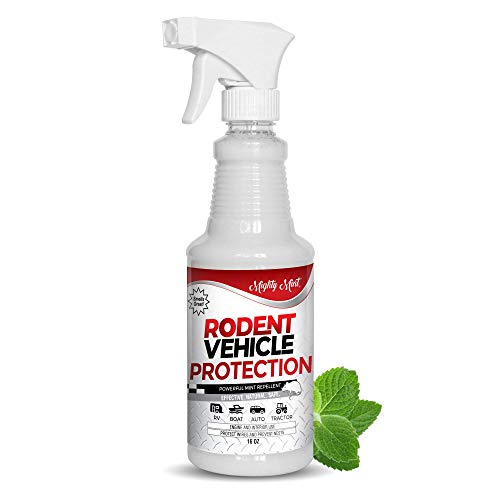
| Commercial Spray | Spray directly on wires, hoses, and surrounding areas (Monthly/Quarterly). | High (non-flammable, safe for car components). | Good | Medium |
| Ultrasonic Device | Battery-powered, mounted in engine bay (Requires battery maintenance). | High (Non-toxic, safe). | Variable (Rodents acclimate quickly). | Medium |
| Wire Mesh/Screening | Physical barrier over entry points (Permanent installation). | High (Non-flammable, non-toxic). | Excellent | Medium |
How Do You Address Common Rodent Damage to Car Wires and Hoses?
To address rodent damage, first assess the extent of the chewing on the wiring harness and rubber hoses. Small nicks can sometimes be taped, but severe damage requires professional replacement of components like the oxygen sensor wiring, air intake hoses, or cabin air filter, which can cost between $500 and $5,000. Addressing rodent damage swiftly prevents secondary failures.
If you suspect or find rodent damage to car, immediate action is necessary to prevent further harm or an engine fire. The complexity of modern automotive electrical systems means that a small chew can lead to catastrophic failure.
Immediate Action Checklist If Damage Is Found
- Disconnect the Battery: This is the most critical first step. Damaged wires cause electrical issues and can lead to a short circuit or fire if the system is live. Disconnect the negative terminal immediately.
- Document and Inspect: Take photographs of the damage. Inspect the full extent of the rodent damage to car, focusing on the main wiring harness, rubber hoses (vacuum, brake, coolant), and belts.
- Vacuum Debris Safely: Carefully remove all nesting materials and droppings (following the safety guidelines of wearing a mask and gloves). Thorough cleaning engine compartment is essential because rodent droppings attract pests and leave scent trails.
- Consult a Mechanic: Do not attempt to drive the vehicle if critical components like brake lines, fuel lines, or primary wiring harness cables are compromised. Mechanic advice rodents recommends professional assessment, as complex components like the ABS or oxygen sensor wiring require specialized knowledge and tools for repair.
- Financial Context: How much does rodent damage to a car cost to fix? Repairing chewed car wires often involves replacing entire segments of the wiring harness, which is labor-intensive. Costs vary significantly depending on the component: minor wire repair might be $200–$500, but a major wiring harness replacement for a complex vehicle can easily exceed $3,000 to $5,000, not including ancillary damage to insulation or air filters.
Protecting New and Existing Wires
Preventing electrical damage car after a repair is vital, as the scent of rodent activity remains. When you fix the problem, you must protect the car from rodents aggressively.
The best method for preventing electrical damage car is utilizing physical armor. This involves wrapping vulnerable automotive electrical system wires in rodent-resistant tape (often woven fiberglass or cloth impregnated with capsaicin, a hot pepper derivative). Alternatively, exposed wires can be run through durable plastic or fiberglass wire looms that provide a physical chewing barrier. Professional rodent proofing strategies often include these protective wraps to deter rodent chew prevention.
What Are The Long-Term Strategies For Keeping Rodents Out Of Stored Vehicles?
The best long-term strategy for stored vehicles includes blocking entry points (exhaust, air intake) with wire mesh, eliminating all food traces from the cabin and engine, and employing multi-sensory industrial deterrents. Regular inspection every 4 to 6 weeks is vital to ensure deterrents remain effective. Vehicles that sit idle (seldom driven vehicles) present a high-risk environment.
When a vehicle is stored, the warmth and shelter remain available 24/7, making it an irresistible target. Vehicle storage tips must focus on sustained, passive protection. This is an advanced nuance of car engine rodent control.
Here are the critical steps for rodent-proofing a stored car:
- Thorough Cleaning and Removal of Attractants: Before storage, clean the engine compartment and cabin of any food debris or trash. This removes the main attractants. Place industrial-strength scent sachets or long-duration commercial repellents (designed to last months, not days) inside the cabin and engine bay.
- Physical Pipe Blocking: For storage periods exceeding 30 days, physically block the most accessible large entry points. Use steel wool or hardware cloth to plug the tailpipe opening and the air intake snorkel opening under the hood. It is critical to use non-combustible materials for this step. Remember to attach bright warning tags to these physical barriers, ensuring you remove them before driving the vehicle again.
- Advanced Multi-Sensory Deterrents: Because rodents become acclimated to consistent scents, use multi-sensory tools. Micro-vibration rodent deterrents or solar-powered ultrasonic devices (ultrasonic frequency effectiveness rodents) can be installed in the engine bay to confuse and disorient the pests. Ensure any battery-powered device does not drain the car battery.
- Lifting and Isolating: If possible, store the vehicle in a climate-controlled area and place tires on specialized lifts or use plastic sheeting barriers that rodents cannot easily climb. This physical isolation, combined with environmental cleanliness, significantly reduces the likelihood of rodent access to car engine.
- Routine Inspection: Even with the best preparation, vehicle storage increases rodent risk. Inspect the engine bay, cabin, and trunk every four to six weeks. Check for signs of nesting and refresh any scent-based deterrents that have dissipated. This ensures long-term effectiveness rodent control and allows you to address any activity quickly.
FAQs About How To Keep Rodents Out Of Car Engine
What Is The Most Effective Way To Clean Your Engine Bay After Rodent Activity?
The most effective method involves thorough cleaning using a specialized enzyme cleaner and high-pressure air to remove nesting debris, droppings, and scent trails. Rodent droppings and urine contain pheromones that attract more pests, so cleaning must neutralize odors completely. Always wear protective gear (gloves, mask) due to potential health risks like Hantavirus before attempting removal.
How Often Should I Reapply Rodent Repellent To My Car Engine?
Reapplication frequency depends heavily on the type of deterrent used, but weekly reapplication is standard for most natural and essential oil-based sprays. Commercial, heavy-duty sprays may last 30 to 90 days, but rain, engine heat, and washing will dramatically reduce this lifespan. Always check the manufacturer’s directions and inspect the engine compartment monthly for renewed activity.
Are Ultrasonic Repellent Devices Truly Effective For Car Engines?
Ultrasonic devices are controversial but can be part of a multi-layered defense, especially for stored vehicles, provided they are correctly installed and emit the correct frequency. Their effectiveness is compromised by engine components blocking the sound waves and rodents quickly acclimating to the noise. They should never be the sole method of prevention, but they can complement physical barriers and scent deterrents.
Is It Safe To Use Mothballs Under The Hood Of A Car?
No, using mothballs (naphthalene) under a car hood is strongly discouraged because they are highly toxic and illegal for use outside their registered purposes (moths in closed containers). The strong odor can permeate the car cabin, posing a health risk to occupants. Furthermore, the residue can be corrosive to certain automotive plastics and rubber components, leading to mechanical issues or paint damage.
What Should I Do If I Find a Dead Rodent in My Car Engine?
Immediately remove the dead rodent using gloves and a plastic bag, taking extreme caution due to the risk of disease transmission. The area must then be cleaned and thoroughly disinfected with a bleach or enzyme solution to eliminate bodily fluids and scent markers that might attract predators or scavengers. Check surrounding wires and belts for damage before driving the vehicle again.
Will a Cat or Dog Keep Rodents Away From My Parked Car?
A cat or dog’s presence, particularly the scent of their urine, can act as a natural deterrent, especially if the vehicle is parked inside a garage. However, relying solely on pets is unreliable; a determined rodent will often risk the threat for the warmth and shelter of the engine compartment. Use pets as a supplementary, environmental deterrent, not as a primary rodent control method.
How Can I Prevent Rodents From Chewing Through Newly Repaired Car Wires?
Protecting new wiring requires a physical barrier, such as wrapping the wires in specialized anti-rodent tape or utilizing plastic or fiberglass wire looms. Many mechanics now use rodent-resistant wire insulation containing capsaicin (hot pepper), which deters chewing without damaging the electrical integrity. Never leave exposed, unprotected wiring in the engine compartment.
What Time of Year Are Rodents Most Likely to Infest Car Engines?
Rodent activity peaks during the transition from late fall to early winter (October through December) and again in early spring, as temperatures drop or rise, driving them to seek stable, warm shelter. Vehicles parked outside or infrequently driven are at the highest risk during this period. Consistent prevention methods are essential year-round, but vigilance must increase seasonally.
Are Certain Car Models or Makes More Susceptible to Rodent Infestation?
Vehicles that sit idle for extended periods, regardless of make or model, are the most susceptible. However, some modern vehicles are more prone due to soy-based or corn-based wiring insulation used in eco-friendly manufacturing, which rodents find palatable. European and Asian auto manufacturers have been commonly cited in reports regarding this specific attraction.
Can Insurance Cover Rodent Damage to My Vehicle?
Standard comprehensive auto insurance policies typically cover rodent damage, as it is generally classified as an ‘unforeseen event’ or vandalism. Liability and collision policies usually do not cover this damage. It is essential to document the damage immediately and contact your insurer, but be prepared for a deductible, which may sometimes exceed the repair cost for minor damage.
Key Takeaways
- Implement a Layered Defense Strategy ✅ The most reliable method is combining three approaches: eliminating environmental attractants (food, shelter), applying targeted scent/taste deterrents (commercial sprays), and using physical exclusion (wire mesh barriers).
- Focus on Environmental Exclusion First ✅ Clean the parking area thoroughly, remove clutter, seal garage access points with steel mesh or hardware cloth, and consider leaving the hood propped open when parked long-term.
- Recognize the Limitations of DIY Methods ✅ While natural remedies like peppermint oil and dryer sheets offer easy, non-toxic options, their effectiveness is limited, requiring frequent reapplication and posing a potential fire hazard if improperly placed near heat sources.
- Prioritize Safety During Application and Cleanup ✅ Always use non-combustible materials for physical blockages, and wear appropriate protective gear (mask, gloves) when cleaning droppings or nesting materials due to the risk of disease transmission (e.g., Hantavirus).
- Inspect and Protect Vulnerable Components ✅ Rodents primarily target the wiring harness, vacuum hoses, and cabin air filters; inspect these areas frequently for signs of chewing or nesting, and protect new or existing wiring with rodent-resistant, capsaicin-treated tape.
- Address High-Risk Scenarios (Stored Vehicles) ✅ For cars stored for more than 30 days, implement advanced strategies: block the exhaust and air intake pipes with non-combustible mesh and employ long-duration, multi-sensory commercial repellents.
- Know the Cost of Damage ✅ Severe rodent damage to complex electrical systems and engine components is often covered by comprehensive insurance but can lead to high deductibles and repairs often ranging from $500 to over $5,000, emphasizing the cost-effectiveness of prevention.
Final Thoughts
Protecting your vehicle from rodent infestation is not a one-time fix but an ongoing, multi-layered commitment that safeguards against serious financial and safety risks. By understanding why rodents are attracted—the warmth, the shelter, and the palatable soy-based wiring—you can deploy targeted countermeasures that directly address their motivations. The most authoritative approach combines environmental controls (cleanliness and physical barriers), the strategic use of tested commercial deterrents, and a readiness to inspect and repair damage swiftly. Do not rely on single, anecdotal solutions; a combination of vigilance and proven physical and chemical methods is essential for maintaining a rodent-free engine bay. Implement the preventative steps outlined in this guide today to ensure your vehicle’s safety and reliability, especially as the seasons change and rodent activity peaks. Consistent maintenance and proactive defense are the only reliable paths to long-term vehicle protection.
Last update on 2026-03-15 / Affiliate links / Images from Amazon Product Advertising API