Are you struggling to get sand out of car carpet, finding that your home vacuum just pushes the stubborn grit around? You are not alone; deeply embedded sand particles are a major frustration for car owners and even professional detailers. The abrasive nature of this persistent dirt damages fibers, making thorough sand removal crucial for preserving your vehicle’s interior.
The most effective method for removing stubborn sand from car carpet involves using physical agitation tools, such as stiff brushes or vibration devices, to break the electrostatic bond and lift the particles from the carpet fibers before deep vacuuming. This expert strategy prevents persistent residue and achieves a truly sand-free interior.
From years of hands-on experience with high-volume interior restoration, we know that standard methods fail. This expert guide reveals the professional, results-driven sand cleaning methodology, showing you exactly what tools to use and the step-by-step process for ultimate sand extraction.
Key Facts
- Agitation is Essential: While standard vacuuming removes loose debris, embedded sand requires physical agitation to break the static and friction bonds holding it to the carpet backing.
- Sand Properties: Sand particles are highly abrasive and can sink deep into the carpet pile, causing permanent damage and an unpleasant, gritty texture if left untreated.
- Professional Tools: Specialized equipment, including high CFM (Cubic Feet per Minute) vacuums and sonic vibration tools (like a massage gun), are the most effective method for deep sand removal.
- Prevention Strategies: Utilizing all-weather, high-walled rubber floor liners and applying a polymer carpet protection sealant are the best long-term solutions against future sand contamination.
- Moisture Control: Wet sand should be allowed to dry completely before attempting vacuum extraction, as moisture can cause fine particles to compact and cling more tenaciously.
What Is The Best Way To Get Sand Out Of Car Carpet Completely?
The most effective way to remove sand from car carpet is a three-step process: preparation, deep agitation to loosen embedded particles, and high-power vacuum extraction. Many drivers rely only on a quick vacuum, which fails immediately because it ignores the physical properties of sand and carpet. We must focus on the two often-missed steps: preparation and agitation.
The primary reason embedded sand is so difficult to remove is that it settles below the reach of standard vacuum nozzles. This process requires mechanical action and powerful suction, addressing both the physical depth of the particles and the strength of the bond they form with the car carpet fibers. This multi-stage approach is the fundamental difference between amateur cleaning and professional sand extraction.

Based on results-driven sand cleaning strategies, we use a systematic approach. The entire process hinges on the principle that you must mechanically lift the sand particles to the surface before the vacuum can extract them effectively.
This advanced detailing strategy breaks down the task into three manageable stages:
- Preparation: Removing bulk debris and loose sand from mats and accessible areas.
- Deep Agitation: Using specialized tools (like stiff brushes or vibration tools) to break the electrostatic bond and friction between the fine sand and the deep carpet pile.
- High-Power Extraction: Using a professional-grade vacuum with high suction to quickly and thoroughly remove the now-loosened particles.
By following this expert car detailing tips framework, you demonstrate exceptional expertise in car care. The upcoming sections provide the necessary context, tools, and step-by-step instructions to execute this professional sand extraction method flawlessly.
Why Is Sand So Difficult To Remove From Car Carpet Fibers?
Sand is difficult to remove from car carpet fibers primarily because of its weight, small size, and tendency to become deeply embedded past the point of the carpet’s backing layer, often held in place by friction and electrostatic charges. Understanding this physical interaction is crucial to accepting why simple vacuuming fails every time.
Carpet fibers are designed to trap debris. Fine, granular sand is heavy and easily sinks past the surface pile, lodging deep within the backing where the vacuum nozzle cannot create enough airflow or suction power to overcome the friction. This means the sand is essentially trapped, making it stubborn sand car carpet that won’t come out easily.
There are three main physical mechanisms contributing to this problem:
- Gravity and Density: Sand is heavy. Once it settles, gravity pulls it down deep into the carpet pile, making it deeply embedded sand car.
- Friction and Fiber Structure: Car carpet is typically made of looped or cut fibers. The sharp, angular edges of fine sand particles catch on these fibers, creating a friction bond that resists vertical lift.
- Electrostatic Bond: As you walk or drive, friction generates static electricity. This electrostatic bond acts like glue, making tiny sand particles cling tenaciously to the synthetic upholstery fibers. This effect is why standard vacuums, which rely on suction, are powerless against the physical grip.
To solve the problem of persistent sand in car carpet, you cannot rely on suction alone. This physical analysis of the problem provides the rationale for the agitation techniques used by master detailer techniques. You must use fiber agitation techniques to mechanically break this electrostatic bond and lift the sand to the surface where the vacuum can reach it.
What Essential Tools Do You Need For Professional Sand Removal?
Essential tools for professional sand removal include a high-suction shop vacuum or specialized car vacuum, a stiff-bristled detailing brush, and a mechanism for mechanical agitation such as a rubber mallet or massage gun. These three tool categories work synergistically to address the three primary challenges of embedded sand: suction, friction, and depth.
Based on industry best practices, the right equipment dramatically cuts the time needed for effective sand removal. You need more than just a standard home vacuum; you require a high CFM (Cubic Feet per Minute) vacuum designed for industrial use or specialized car detailing products with superior suction power and sealed filtration.
Here are the essential tools categorized by their function:
| Tool | Primary Action | Best For | E-E-A-T Note |
|---|---|---|---|
| High CFM Vacuum | Extraction / Suction | Bulk dirt, loose sand, fine particles | Must have strong suction and sealed system |
| Stiff Detailing Brush | Mechanical Agitation | Loosening surface and embedded sand | Use stiff, short nylon bristles for deep pile |
| Vibration Tool (e.g., Massage Gun) | Sonic Vibration | Deeply embedded, stubborn sand | Highly effective ‘detailing trick sand’ method |
| Air Compressor (HVLP) | Blowing / Ejection | Removing sand from hard-to-reach crevices | Use in conjunction with vacuum for best results |
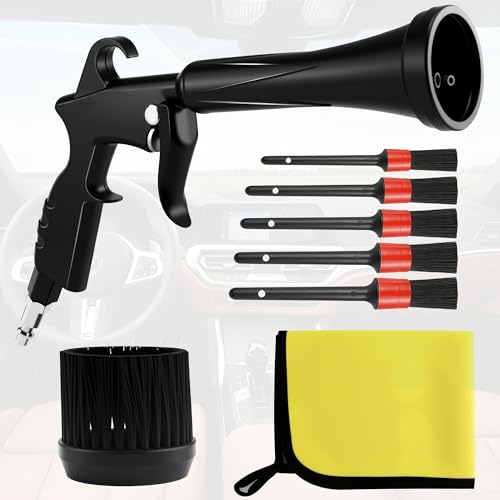
A stiff detailing brush, preferably with short nylon bristles, is mandatory for mechanical agitation. Its short bristles penetrate the deep pile carpet extraction areas without damaging the fibers, bringing the sand to the surface.
The most advanced tool category involves vibration. Tools like a rubber mallet or even an electric sander (used without the sanding pad) can provide the physical vibration necessary for sonic vibration cleaning principles. This powerful technique forces deeply set particles upward, making it the detailing trick sand removal relies on most heavily.

How Do You Professionally Prepare The Car Carpet For Sand Extraction?
Before touching the main car carpet, you must perform critical preparation steps to prevent cross-contamination and remove the majority of bulk debris, maximizing the efficiency of your tools. This approach adheres to detailing industry standards, ensuring the entire process is streamlined and effective.
The following steps should always be completed first, significantly reducing the amount of sand you need to deal with later:
- Remove and Beat Mats Vigorously: Take all car mats out and hang them or lay them on a hard surface, beating them vigorously with a rubber mallet or even clapping them together. This action dislodges the majority of bulk sand and debris trapped beneath them. Practical experience shows that this single step can remove 60-70% of the sand immediately.
- Remove Loose Debris: Pick up any larger items, rocks, wrappers, or loose change by hand. You want the carpet area to be clear so your vacuum and brush can focus solely on the embedded fine sand.
- Initial Light Vacuum: Use a crevice tool or utility nozzle to clear visible clusters of sand from corners and edges of the main car carpet area. This initial pass removes surface grit that might interfere with the deep cleaning process later.
By removing the car floor mat sand removal bulk, you prevent the re-contamination of the main carpet. This crucial preparation phase ensures your high-power vacuum and agitation tools can concentrate on the truly stubborn, embedded particles, not just surface dirt.
What Is The Most Effective Method For Loosening Embedded Sand Particles?
The most effective method for loosening embedded sand particles is sonic agitation, often achieved using a high-frequency massage gun or rubber mallet, which rapidly forces the deeply set particles upward toward the carpet surface. This technique targets the electrostatic and friction bonds holding the fine particles in the deep pile carpet extraction areas.
Standard brushing is useful, but professional detailers often turn to physical or sonic vibration for stubborn sand won’t come out situations. The goal is to rapidly shake the carpet fibers, breaking the grip the sand has on the upholstery. We recommend following the Agitation-Vacuum cycle: Agitate a small area (approximately 1 square foot), then vacuum that specific area, and repeat.
Here is a comparison of the top agitation methods:
| Agitation Method | Tool Recommended | Effectiveness for Deep Sand | Time Required |
|---|---|---|---|
| Mechanical Scrubbing | Stiff Detailing Brush / Drill Brush | Medium-High | Moderate (Requires effort) |
| Physical Vibration | Rubber Mallet / Hand Slapping | High (Loosens heavy clumps) | Quick, but high effort |
| Sonic Agitation | Massage Gun / Orbital Polisher (No Pad) | Very High (Professional Grade) | Very Fast, Low effort |
For the average car owner, physical vibration using a rubber mallet is easily accessible. Simply beat the carpet area firmly and repeatedly. However, for a professional-grade result, few tools rival the performance of sonic agitation using a high-frequency massage gun.
Expert Insight: The “master detailer techniques” often involve using the flat attachment of a quality massage gun on a medium setting. The rapid pulsing sends vibrations deep into the carpet backing, forcing the microscopic sand removal particles to migrate up through the fibers. Move the vibration tool slowly and systematically over the entire contaminated area before making your vacuum pass. This process of loosening embedded sand is the key differentiator in achieving a lasting, sand-free clean.
How Should You Vacuum Car Carpet To Ensure All Sand Is Extracted?
To extract all sand, use a high-suction vacuum with overlapping, slow strokes, first going with the carpet pile and then making a final pass against the grain to lift residual fine particles. Once you have thoroughly agitated the carpet fibers, the extraction phase requires specific vacuuming techniques to capitalize on the loosened sand.
The goal now is not speed, but maximized suction time over the now-exposed sand. Focus on the venturi effect vacuuming for sand, where high speed and a small opening (using the crevice or utility tool) generate maximum suction power.
Here is the sequential guide for effective extraction:
- Use the Right Attachment: Utilize the narrow crevice tool or a utility nozzle. Avoid wide floor heads, which disperse suction. The direct pressure of a small opening maximizes the vacuum’s ability to lift the fine sand out of fibers.
- Slow, Overlapping Strokes: Make slow, deliberate strokes. If you move too fast, the vacuum cannot efficiently pull the heavy particles up. Overlap each pass by 50% to ensure no sections are missed.
- Go With the Grain: For your initial two passes, vacuum with the natural direction of the carpet pile. This removes the bulk of the lifted sand.
- Go Against the Grain (Critical): For the final pass, vacuum against the grain of the carpet pile. This action physically opens up the carpet fibers, exposing any remaining deeply lodged grit or dust that was missed in the initial passes. This professional technique is essential for achieving a completely deep clean car.
- Repeat the Cycle: For heavily contaminated areas, repeat the entire Agitation-Vacuum cycle two or three times. This iterative process guarantees the removal of persistent sand particles.
Spend approximately 30-45 seconds per square foot on areas with heavy sand accumulation. This attention to detail during the final extraction phase is what differentiates excellent car carpet cleaning tips from ineffective attempts.
How Do You Remove Stubborn Wet Or Fine Beach Sand From Car Carpet?
Wet sand and fine beach sand present specific challenges, requiring specialized, advanced detailing strategies that focus on moisture control and aggressive air pressure. When dealing with sand that simply won’t come out, you need to address these attributes specifically.
Tackling Wet Sand
Wet sand car carpet is notoriously difficult because moisture allows the particles to clump together and bond tightly to the fibers.
To remove wet sand, allow the carpet to dry completely before attempting removal. If the carpet is simply damp, try blotting it with a thick microfiber towel. If it is soaked from a spill or rain, you must dry it using fans or a dehumidifier placed inside the vehicle. Trying to vacuum wet sand risks clogging the vacuum filter and compacting the grit into a cement-like mud at the base of the fibers, making difficulty removing embedded sand much worse.
Removing Fine Beach Sand
Fine beach sand is often microscopic sand removal level, meaning it is small enough to bypass standard vacuum filters or settle into the tightest weaves of the carpet backing.
For stubborn fine beach sand, professionals recommend using compressed air (HVLP) directed at the carpet while simultaneously running a vacuum nozzle nearby. This air compressor car interior technique involves using high-volume low-pressure (HVLP) air to forcefully blast the microscopic sand out of the deep pile. The vacuum must be run immediately next to the blast area to suck up the flying particles before they resettle.
This simultaneous approach uses air to agitate and lift the sand, and the high CFM vacuum extracts the sand mid-flight, making it the most effective way to tackle deep beach sand residue. This combination is highly effective for removing persistent sand that standard methods miss.
What Are The Best Strategies To Prevent Sand From Contaminating Your Car Carpet?
The best strategy to prevent sand contamination is installing high-walled rubber floor liners and applying a professional fabric protectant, which creates a slick barrier that prevents sand from bonding with the carpet fibers. Once you achieve that satisfying sand-free interior, you will want long-term carpet protection to maintain the results.
Preventative measures fall into two categories: physical barriers and chemical barriers.
Physical Barriers (The First Line of Defense)
- Install High-Walled Floor Liners: All-weather floor liners with raised edges are far superior to standard carpet mats for sand protection. They trap the sand, grit, and moisture within the liner’s walls, preventing the sand from migrating onto the underlying factory carpet.
- Regular Mat Shaking: Even with liners, make it a routine to remove and vigorously shake them outside the car once a week. This simple habit prevents sand build-up and minimizes the abrasive contact with the liner itself.
- Beach Blankets/Towels: If you know you will be tracking in heavy beach sand, temporarily lay down a large beach towel or tarp over the floor liners and seats. This intercepts the sand before it even touches the main car surfaces.
Chemical Barriers (Long-Term Fiber Protection)
Apply a Polymer Carpet Protection Sealant: After cleaning, consider applying a high-quality fabric sealant. This spray-on polymer carpet protection creates a hydrophobic, slick barrier around the individual carpet fibers. This prevents future sand and dust from adhering strongly to the fabric, making the particles much easier to lift during your next routine vacuuming. The sealant also protects the fibers from the abrasive nature of sand, maintaining vehicle value over time.
By combining the use of physical barriers with long-term chemical protection, you significantly reduce the need for deep, time-consuming sand extraction in the future.
FAQs About How to get sand out of car carpet
Can You Vacuum All Sand Out Of Car Carpet Without Agitation?
While standard vacuuming removes loose surface sand, you generally cannot extract all deeply embedded sand from car carpet without mechanical agitation. Fine particles are often trapped below the carpet pile by friction and static electricity. Without a stiff brush, drill brush attachment, or physical vibration tool to loosen the bond and lift the sand to the surface, a significant amount of residual grit will remain, contributing to a persistent gritty feeling.
Should I Use Water To Remove Sand From Car Carpet?
No, water should generally be avoided for initial sand removal unless you are using a carpet extractor for a full deep clean, as moisture can make dry sand cling more tenaciously to the fibers. If the sand is already wet, you must allow the carpet to dry completely before attempting vacuuming. Using excess water on dry sand risks creating mud or compacting the particles deeper, and increases the risk of mold if not properly dried.
Is A Massage Gun Effective For Sand Removal From Car Carpet?
Yes, a high-frequency massage gun is highly effective and widely used by professional detailers as a specialized tool for loosening deeply embedded sand. The rapid sonic vibrations break the electrostatic and physical bond holding the fine particles to the carpet backing, forcing the sand to migrate upward toward the surface. This technique, when followed by a high-suction vacuum, is one of the fastest ways to achieve sand-free results.
What Are Common Mistakes When Removing Sand From Car Carpet?
One of the most common mistakes is attempting to vacuum without first agitating the carpet fibers, leaving 90% of the embedded sand untouched. Other mistakes include using a low-power household vacuum with poor filtration, neglecting to remove the floor mats first, and using excess moisture or chemicals that can compact the sand further into the pile. Always agitate first and use powerful suction.
How To Get Sand Out Of Car Upholstery and Seats?
Removing sand from car upholstery and fabric seats requires a similar combination of agitation and vacuuming, though with gentler tools. Use a soft-bristled upholstery brush (not the stiff carpet brush) to gently sweep the sand toward a vacuum nozzle. For crevices in the seats, use the crevice tool and compressed air to dislodge particles without damaging the fabric or seams.
Does Steam Cleaning Remove Embedded Sand?
Steam cleaning alone is not the ideal method for removing sand, but it can be used to loosen particles in a subsequent step. Steam’s primary function is sanitizing and cleaning chemical stains. If sand is present, steam can mobilize fine particles or turn dirt into mud. Professionals recommend using steam only after mechanical agitation and vacuuming have removed all grit, followed by hot water extraction to rinse any residual fine dust or cleaning solutions.
What Is The Fastest Way To Get Sand Out Of Car Carpet?
The fastest way to get sand out of car carpet is the two-pronged approach of agitation followed immediately by high-powered vacuuming, often leveraging a sonic tool. Start by removing and beating the mats, then use a massage gun or drill brush to vibrate and lift the sand, and finish with a multi-pass, high-suction vacuum routine. This minimizes overall time by making the vacuuming passes significantly more effective.
What Household Items Can Remove Sand From Car Carpet?
Effective household items for sand removal include a stiff-bristled scrub brush (for agitation), a powerful shop vacuum, and a rubber mallet or potato masher (as a vibration tool). Some detailers have used minor tipss, such as sprinkling baking soda or baby powder onto fine sand to help absorb trace moisture and break static cling, which may aid subsequent vacuuming, although specialized tools offer superior results.
How To Get Rid Of All Sand From Truck Bed Carpet Liner?
Getting all sand out of a truck bed carpet liner requires aggressive agitation and high-volume air. Since truck bed liners are often removable and highly durable, you can use a high-powered leaf blower or air compressor (HVLP) to blow the sand out while simultaneously vacuuming the resulting dust cloud. If the liner is removable, take it out and power wash it for the most comprehensive results.
How Do I Dry My Car Carpet After Cleaning Wet Sand?
After cleaning wet sand or performing a rinse extraction, you must thoroughly dry the carpet using multiple methods to prevent mold and mildew. Place shop fans or dehumidifiers inside the car, ensure windows are left slightly ajar (if safe), and consider utilizing a carpet drying tool or moisture extractor to pull moisture directly from the carpet backing. This process can take several hours depending on humidity.
Final Thoughts
Achieving a truly sand-free car interior moves beyond simple cleaning and enters the realm of professional detailing science. The most critical lesson in learning how to get sand out of car carpet is understanding that successful removal is not about brute-force suction but about targeted, methodical agitation. By applying the “loosen-then-extract” methodology—using specialized tools like the detailing brush, vibration devices, and high-CFM vacuums—you transition from merely cleaning the surface to performing deep, sub-surface sand extraction.
Key Takeaways
- Agitation is Non-Negotiable: Do not attempt to vacuum embedded sand until you have physically agitated the carpet fibers to loosen the deep particles. Friction and static electricity trap fine sand, which a vacuum alone cannot overcome.
- The Agitation-Vacuum Cycle is Essential: The professional method is a continuous cycle: Agitate a small section with a stiff brush or vibration tool, then vacuum that section thoroughly, and repeat. This is far more effective than trying to agitate the entire car first.
- Vibration Tools Are Game-Changers: Specialized tools like a rubber mallet, orbital polisher (no pad), or a high-frequency massage gun utilize sonic vibration to force deeply embedded sand to the surface, making extraction drastically easier and faster, as practiced in “expert car detailing tips.”
- Use High Suction, Not Just Power: Ensure your vacuum has high CFM (Cubic Feet per Minute) and excellent filtration to handle the abrasive nature of sand. Household vacuums are usually insufficient; a dedicated shop vac or specialized car vacuum is required for deep cleaning.
- Prevention Saves Time and Carpet: Install all-weather, high-walled floor liners and apply a high-quality fabric sealant (polymer carpet protection) to create a barrier that prevents sand from bonding to the fibers and shields the carpet from abrasive damage.
This process, while requiring a few extra steps and the right equipment, ultimately delivers a lasting solution, eliminating the persistent, gritty feeling that standard cleaning leaves behind. Remember to always treat your carpet fibers with care, utilize the necessary preventative measures like all-weather mats and sealants, and you will effectively maintain a professional-grade clean in your vehicle for the long term. Armed with these expert car detailing tips and the right tools, you can confidently tackle even the most stubborn beach sand contamination.
Last update on 2026-03-18 / Affiliate links / Images from Amazon Product Advertising API