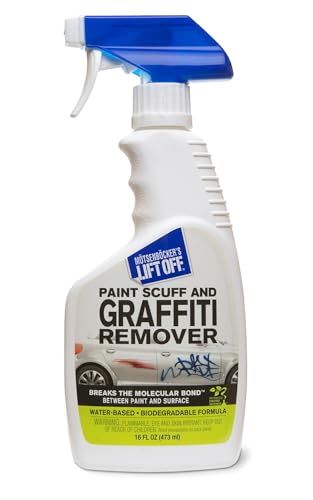
Getting sticky residue off your car paint can feel like a frustrating battle, especially if you fear scratching your flawless finish. You need a reliable method for how to get pitch off car paint safely without resorting to harsh chemicals or abrasive scrubbing. Ignoring the sticky residue is not an option, as it rapidly causes permanent clear coat etching.
Pitch, which includes tree sap and road tar, must be removed from car paint using a two-step process involving pre-cleaning and a specialized solvent that breaks the adhesion without dissolving the clear coat. This process requires specific tools and techniques to ensure the delicate paint layer remains intact and streak-free.
Based on years of hands-on experience in automotive detailing, we emphasize using tested car cleaning techniques for safe application practices. This expert car detailing guide reveals the professional approach to safely cleaning tough tar stains, detailing the exact products and protocols used by specialists.
Key Facts
- Pitch contains organic acids and solvents: This chemical composition accelerates clear coat etching, making prompt removal essential, especially when exposed to direct sunlight and heat.
- Hardened sap acts like sandpaper: If aggressive scrubbing is attempted on dried sap on car, the hard, crystalline structure of the sap will cause severe swirl marks and micro-abrasions across the paint surface.
- Specialized solvents are the safest option: Dedicated automotive bug and tar removers utilize petroleum distillates designed to target organic residues like pitch without aggressively attacking the clear coat polymers.
- WD-40 is generally safe but leaves residue: While WD-40 on paint can loosen tar by lubrication, it leaves an oily film that requires a thorough secondary washing and re-application of paint protection.
- Solvents strip protective layers: Removing sticky contaminants with specialized cleaners will strip existing car wax and sealant, necessitating the immediate reapplication of paint protection after cleaning to prevent further damage.
How Do You Safely Remove Pitch, Sap, and Tar From Car Paint?
The most effective and gentle way to safely remove pitch, sap, and tar is through a careful five-step process that prioritizes chemical dissolution over physical abrasion. This tested car cleaning technique ensures the sticky residue is re-liquefied before it is wiped away, eliminating the risk of inducing swirl marks or deep scratches in the paint finish. Following these steps systematically helps you remove sap and clean pitch while maintaining the integrity of your clear coat safe finish.
- Pre-Wash the Affected Area: Before you apply remover, wash the entire contaminated panel using a pH-neutral car wash soap and warm water. This crucial preparation step removes loose dirt and grit that could otherwise be dragged across the paint, causing scratches when you scrub gently later. Only target the pitch spots after the surrounding area is completely clean and dry.

- Apply Specialized Solvent: Spray or dab the specialized bug and tar remover directly onto the pitch spot. Do not spray across the entire panel. Allow the chemical to dwell for the time specified on the product label—usually 30 seconds to one minute—to allow the remover to penetrate and start dissolving the organic compounds.
Gentle Agitation: Using a dedicated, high-quality microfiber towel (folded into eight sides for maximum cleaning surface), scrub gently using minimal pressure, moving in small, controlled, linear motions. The goal is not to scrape the pitch off, but to let the solvent break the bond so the pitch lifts onto the towel. Flip the towel frequently to a clean side to avoid reintroducing contaminants.
Rinse Thoroughly and Inspect: Immediately after the pitch is removed, rinse the treated area thoroughly with water to neutralize the solvent’s action. Then, dry the surface completely using a separate, clean drying towel. Inspect paint closely for any residual stickiness or signs of clear coat etching. If residue remains, repeat the process.
Re-Apply Protection: Since the solvents used will strip any existing car wax and sealant, the final and often-missed step is to reapply a fresh layer of protection. This protective layer is vital for creating a long-lasting paint protection barrier against future sap adhesion and environmental damage. This restoration step ensures a residue-free finish.
What Tools and Materials Are Essential for Safe Pitch Removal?
Essential tools for pitch removal include a pH-neutral car wash soap, dedicated microfiber towels, a specialized bug and tar remover, and optionally, plastic razor blades for treating hardened residue. Professional detailers know that using the correct, non-abrasive materials is just as important as the chemical used for effective, non-damaging pitch remover results.
The critical components you must have on hand before starting the safe pitch removal car process include:
- pH-Neutral Car Wash Soap: Essential for the pre-wash step. Using a pH-neutral soap ensures that the existing wax or sealant across the rest of the car is maintained while removing surface dirt.
- Specialized Pitch/Tar Remover: This is the core product. Look for clear-coat-safe formulas, as mentioned in many professional paint care advice guides.
- Dedicated Microfiber Towels: You need several. Professional detailers recommend using multiple, high-GSM (Grams per Square Meter) towels to prevent cross-contamination. Always fold the towel into eighths; this gives you eight clean sides to work with before needing a fresh towel, significantly reducing the risk of swirl marks.
- Warm Water Source: Facilitates pre-washing and helps soften some surface contaminants.
- Optional: Plastic Razor Blades: For highly hardened pitch car paint spots, these plastic tools can gently break the top layer of the contaminant after soaking, without scratching the paint, unlike metal blades.
- Pro Tip: When handling the removal process, never use household paper towels or kitchen sponges. Paper products are surprisingly abrasive and will scratch the clear coat surface, resulting in micro-level car paint damage visible as fine lines or swirl marks. Always stick to soft, dedicated detailing towels.
Which Pitch Removal Agents Are Safe for Car Clear Coats?
Specialized bug and tar removers are generally the safest and most effective solution because they use petroleum distillates designed specifically to target organic residues like pitch and sap without aggressively attacking the automotive clear coat polymers. When comparing alternatives, you must balance efficacy on dried sap on car with safety for the underlying delicate paint care clear coat. This comparative analysis helps you select the best pitch remover for cars.
| Feature/Aspect | Specialized Bug & Tar Remover | Isopropyl Alcohol (IPA) | WD-40 / Lubricants |
|---|---|---|---|
| Clear Coat Safety | Highest (Designed for auto paint) | Medium (Must be diluted, fast drying risk) | High (Non-solvent, requires re-waxing) |
| Mechanism | Emulsification & Petroleum Distillates | Solvent (Breaks down organic compounds) | Lubrication & Loosening |
| Efficacy on Dried Sap | Excellent | Good (Requires agitation) | Fair to Good (Takes time) |
| Residue After Use | Minimal | Requires immediate washing | Oily residue (Must be washed off) |
How Does Isopropyl Alcohol (IPA) Affect Car Paint and How Should It Be Used?
Isopropyl alcohol (IPA) can remove pitch but must be used judiciously, ideally diluted and applied only to the contaminated spot for a very short duration before immediate rinsing, to prevent clear coat damage. IPA is a fast-acting, volatile solvent that breaks down organic materials, making it a good option for small spots of tree sap removal car paint. However, using a high concentration (90%+) or leaving it on the surface too long can soften the clear coat or strip the paint protection tips layers beneath.
If you choose to use IPA, such as a hand sanitizer which contains alcohol, ensure the concentration is 70% or less, or dilute it with water to a 50/50 mixture.
- Dampen a Microfiber Cloth: Apply the diluted IPA solution only to a dedicated, folded microfiber cloth, not directly to the car paint.
- Apply Locally: Dab the cloth onto the pitch or sap spot. Do not wipe aggressively.
- Light Agitation and Time Limit: Allow only five to ten seconds of dwell time. Gently agitate the spot until the pitch begins to dissolve.
- Immediate Rinsing: Rinse thoroughly and immediately with water and car wash soap to stop the solvent action and prevent the IPA from flashing (evaporating too quickly).
- Caution: Using high-concentration IPA straight from the bottle is a common mistake that can lead to clear coat staining and is a risk detailers avoid. The goal is quick pitch removal, not permanent damage.

How Can You Prevent Paint Damage and Etching During Pitch Removal?
To prevent paint damage during pitch removal, you must avoid abrasive materials like paper towels or coarse sponges and use ample lubrication or solvent saturation to ensure the sticky material lifts off, not scrapes off, the clear coat surface. The main risk during pitch removal is mechanical damage (scratches and swirl marks) caused by dragging the hard dried sap on car across the delicate paint care clear coat. This is where swirl mark prevention techniques become paramount.
The single most important rule is to ensure the pitch is fully dissolved or lubricated before attempting to wipe it away to prevent scratching the clear coat.
To uphold industry standard sap removal practices and ensure you avoid paint damage expert status, adhere to these guidelines:
- Never Wipe Dry: Always use a lubricant or detailing spray when wiping, even after the pitch solvent has been applied. This provides a cushioning layer between the contaminants and the paint.
- Work in the Shade: Performing pitch removal car paint in direct sunlight or on a hot panel accelerates the solvent evaporation rate, which reduces the effectiveness of the chemical and can cause localized drying and spotting. A cool surface is always safer.
- Avoid Harsh Household Chemicals: Explicitly avoid aggressive solvents like acetone or lacquer thinner, which rapidly attack the automotive clear coat chemistry. These result in severe, irreversible car paint damage.
- Use the Right Tool: Never use objects like steel wool, heavy-duty sponges, fingernails, or the edge of a credit card to pick or scrape off the pitch. These items are highly abrasive and will induce immediate marring and potential clear coat etching.
What Should You Do If The Pitch Has Already Dried and Hardened?
Hardened pitch should be removed using the towel saturation method, which involves placing a solvent-saturated towel over the spot for five to ten minutes to re-liquefy the contaminants before attempting gentle agitation. Old, dry sap presents the highest risk of scratching because the organic compounds have solidified and potentially bonded with the clear coat polymer structure. Patience and dwell time are the key differentiators for getting hardened tree sap off car without paint damage.
If you encounter stubborn sap removal spots that do not yield to a quick wipe, implement this low-aggression, high-soak protocol:
- Saturate the Towel: Drench a small, dedicated section of a microfiber towel with your specialized bug and tar remover or diluted Isopropyl Alcohol.
- Apply and Dwell: Place the solvent-saturated towel directly over the dried pitch spot. Ensure the entire spot is covered by the wet cloth.
- Wait for Penetration: Allow the solvent to dwell for a minimum of five minutes, and up to ten minutes for extremely tough or old pitch. This time allows the chemical to penetrate and break the strong chemical bonds.
- Gentle Lift and Wipe: Carefully lift the towel. The hardened pitch car paint should now feel pliable. Use a fresh side of the towel, with additional lubricant, to gently wipe the material away. Do not press hard.
- Rinse: Immediately rinse the area to stop the solvent action.
The goal is for the solvent to dissolve the contamination, turning the hard material back into a liquid or gel state, allowing the microfiber cloth to lift sap away gently. Skipping this soaking step and attempting to rub the dried sap is the primary cause of irreversible paint defects.
What Follow-Up Protection Is Necessary After Removing Sticky Residue?
Immediately after removing pitch, it is necessary to reapply wax or sealant to the area, as the solvents used during cleaning will have stripped the existing protective layer, leaving the clear coat vulnerable to etching and further contamination. The protective layer—whether a wax, sealant, or ceramic coating—acts as a sacrificial barrier, repelling contaminants like sap, tar, and bird droppings. When you remove pitch from car paint, you also remove the existing protection, making immediate reapplication vital.
Once the area is completely free of sticky residue car paint and thoroughly dry, follow these steps to restore your exterior car cleaning finish:
- Final Inspection: Inspect the area under bright light to ensure no pitch stain removal car residue or ghosting remains. If dull spots persist, a light hand-polish may be necessary to restore the clarity before protecting the surface.
- Apply Protection: Apply a high-quality car wax and sealant or an appropriate ceramic coating care product to the treated area. This step ensures long-lasting paint protection and restores the hydrophobic properties of the finish.
What is the Difference Between Wax and Ceramic Coating for Protection?
While car wax offers protection for a few months and is easy to apply, ceramic coatings provide superior durability, typically lasting several years, and offer significantly better resistance against sap and tar adhesion. Both protective layers form a barrier against contaminants, but they differ significantly in their chemical structure, longevity, and application difficulty, impacting your overall paint protection tips strategy.
| Protection Type | Mechanism/Material | Typical Durability | Application Complexity |
|---|---|---|---|
| Car Wax | Natural (Carnauba) or synthetic polymers | 3 to 6 months | Low (Easy DIY application) |
| Paint Sealant | Synthetic polymers | 6 to 12 months | Medium (DIY friendly) |
| Ceramic Coating | Nano-ceramic coating (SiO2/TiO2) | 2 to 5 years | High (Requires professional prep) |
Car wax (and sealants) sit on the paint surface and are eventually broken down by detergents and environmental factors, offering shorter-term protection. Ceramic coatings, leveraging nano-ceramic coating interaction, are specialized polymer protection technology that chemically bonds with the clear coat, creating an extremely hard, hydrophobic layer that actively coating repels sap and tar more effectively than traditional waxes. Choosing the right protection is key for preventing future car paint sap problems.
FAQs About How to Get Pitch Off Car Paint Safely
What Home Remedies Can I Use to Remove Pitch Safely?
The safest and most common home remedy for pitch and tree sap removal is Isopropyl Alcohol (IPA) applied in concentrations of 70% or less. IPA acts as a gentle solvent, breaking down organic compounds, but should only be applied directly to the spot using a dedicated cloth and rinsed immediately to avoid stripping or stressing the clear coat. WD-40 can also loosen tar by lubrication, but leaves an oily residue that requires a thorough wash afterward.
Will Acetone or Lacquer Thinner Damage Car Paint?
Yes, acetone and lacquer thinner should be strictly avoided for pitch removal on car paint, as they are aggressive solvents that can dissolve and permanently damage your car’s clear coat and underlying paint layers. These harsh chemicals are not designed for automotive finishes and pose a severe risk of immediate and irreversible car paint damage. Always opt for clear coat safe chemicals or specialized bug and tar removers, following safe application practices.
Is Using a Clay Bar Effective for Sap and Tar Removal?
A clay bar is highly effective for removing residual contaminants and deep-seated pitch or tar stains after the bulk of the sticky residue has been dissolved by a solvent. Clay bars work by lifting microscopic particles from the paint surface. However, attempting to use a clay bar on large, heavy deposits of pitch without prior chemical removal will only cause severe scratching and marring across the clear coat surface, defeating the purpose of abrasive-free methods.
How Long Can Pitch or Tree Sap Stay on My Car Before It Causes Permanent Damage?
Pitch or tree sap should be removed as soon as possible, ideally within 24 to 48 hours, because its acidic components can begin etching and permanently bonding with the clear coat, especially when exposed to direct sunlight and heat. The heat accelerates the bonding and hardening process, making safe pitch removal car much more difficult and increasing the risk of visible paint defects or permanent staining.
How Does Tar (Bitumen) Removal Differ from Tree Sap Removal?
Tar removal generally requires a petroleum-based distillate solvent, often labeled as a bug and tar remover, because bitumen is not easily broken down by water-based solutions or pure alcohol. While tree sap often yields to IPA, tar requires a dedicated solvent to safely break the strong chemical bonds to the paint. The process cleans surface steps (pre-wash, agitation, protection) remain the same for both sticky residues.
Is Hand Sanitizer Safe to Use on Car Paint to Remove Sap?
Hand sanitizer can be used in a pinch to remove small spots of tree sap because it contains isopropyl alcohol, but specialized automotive products are preferable due to the varying additives and thickeners in hand sanitizers. Always ensure the hand sanitizer is fragrance-free and colorless, and test it on an inconspicuous area first. Since it contains solvent, you must rinse thoroughly the treated area immediately and reapply protection afterward.
How Can I Tell if the Pitch Has Already Etched My Clear Coat?
Clear coat etching caused by pitch or sap will appear as dull, slightly cloudy, or ring-shaped depressions in the paint surface even after the residue has been removed. You can check by feeling the area—if it feels rough or pitted, or if the shine does not return after cleaning and polishing, the clear coat may be permanently damaged, requiring professional paint correction to restore car finish.
Is it Safe to Use WD-40 on Car Paint to Get Pitch Off?
WD-40 is generally considered safe for use on modern automotive paint as it does not typically dissolve the clear coat, and it works by lubricating the pitch and loosening its grip on the paint surface. However, WD-40 is not an ideal cleaner as it leaves behind an oily film that must be thoroughly washed off with a dedicated car soap afterward, followed by a necessary reapplication of wax or sealant to protect finish.
How Do Professional Detailers Remove Stubborn Road Tar Spots?
Professional detailers primarily use specialized, clear-coat-safe chemical tar removers which are applied via a spray or towel and allowed a brief dwell time of 30 seconds to two minutes to chemically dissolve the tar. This is combined with extremely gentle wiping, often with a dedicated detailing spray (lubricant) to minimize abrasion, ensuring the hardened tar lifts away without being dragged across the paint, upholding professional-grade pitch remover standards.
Can I Use Hot Water and Soap to Remove Pitch from My Car?
Hot water and standard car wash soap should always be the first step in pitch removal as they soften the residue and remove loose dirt, but they are generally ineffective at fully dissolving dried or hardened tree sap and tar. Car soap is designed to clean surface dirt, not chemically break down strong organic bonds like pitch. It serves as an essential preparation step to minimize the risk of scratching and should be followed immediately by a dedicated solvent application.
Final Thoughts
The successful removal of pitch, sap, or road tar depends entirely on using the correct solvent-based chemical designed for automotive finishes and implementing non-abrasive techniques to preserve the clear coat. You now possess the expert car detailing tips and the step-by-step guidance necessary for how to get pitch off car paint safely without resorting to guesswork or risky household products.
The primary takeaway is that patience is required. Avoid the impulse to aggressively rub or scrape the hardened pitch car paint. Instead, always opt for the chemical solution to break the bond, then allow ample time for the remover to dissolve sap. By following these proven methods for tar and sap removal, you not only eliminate the sticky residue but also safeguard your car’s clear coat safe finish against future damage.
Remember that the process is not complete until you wax car or apply a sealant to replace the sacrificial layer stripped by the solvent. Implementing this preventative measure ensures your vehicle maintains its shine and protects it from the acidic assault of future pitch exposure.
Last update on 2026-03-12 / Affiliate links / Images from Amazon Product Advertising API