
Is cleaning leatherette car seats a confusing task? Many car owners struggle to differentiate between the care required for synthetic material and real leather, often resulting in sticky seats or cracking. Understanding the non-porous nature of faux leather is key to preserving your vehicle’s interior finish.
Leatherette car seats are safely cleaned in five essential steps: preparation, gentle application of a mild cleaning solution, physical agitation, meticulous rinsing and drying, and final protection. Routine leatherette car seat care should always prioritize pH-neutral cleaners and soft microfiber tools to maintain the material’s integrity. Based on years of hands-on experience and adherence to industry best practices for auto upholstery, this professional leatherette cleaning guide reveals the exact five-step method to maintain your resilient synthetic upholstery and prevent damage.
Key Facts
- Material Composition: Leatherette is a synthetic material (often vinyl or polyurethane) and non-porous, unlike genuine leather, which is porous and requires oil-based conditioners.
- Residue Risk: Using real leather conditioner or silicone-based household cleaners on leatherette leaves a sticky residue that attracts dirt and accelerates wear, as highlighted by expert car detailing tips.
- Primary Cleaning Agent: The safest and most effective solution is a mild, pH-neutral soap (like diluted Woolite or dish soap) mixed with warm water.
- Damage Prevention: Vacuuming the seats thoroughly before applying moisture is crucial to prevent loose dirt and grime from creating micro-scratches during the washing phase.
- Long-Term Protection: To prevent the material from cracking and fading due to UV exposure, synthetic leather needs protection in the form of a dedicated vinyl protectant spray containing UV inhibitors, applied every few months.
How Do You Safely Clean Leatherette Car Seats in 5 Easy Steps?
The safest way to clean leatherette car seats involves five clear steps: preparation, gentle application of a mild cleaning solution, physical agitation, meticulous rinsing and drying, and final protection. This proven cleaning workflow is highly effective and addresses the synthetic composition of the material to ensure longevity. Following this expert-approved, five-step framework systematically ensures that you remove embedded dirt and prevent the sticky residue often associated with improper cleaning of vinyl plastic surfaces.
The biggest mistake a car owner can make is applying inappropriate products. From our practical implementation experience, we found that focusing on the basic, mild chemical nature of the cleaner and the non-abrasive action of the wipe is far more important than any expensive specialized product. This guide breaks down the professional leatherette cleaning process into distinct, actionable sections, making it simple to execute and guaranteeing a deep clean while maintaining the integrity of your seats.

This structural approach, rooted in industry best practices for auto upholstery, ensures comprehensive care, moving logically from debris removal to the final, critical step of long-term protection.
Step 1: How Do You Prep the Seat and Remove Loose Debris?
Vacuuming the seats thoroughly is the essential first step to prevent dust and grime from creating micro-scratches when wet cleaning begins. Before applying any liquid cleaner, you must remove all loose debris and large particulate matter that could act as an abrasive when rubbed against the synthetic surface. This step is critical for preventing micro-abrasion, especially on high-salience areas like the center console and seat edges.
Use a handheld vacuum with a soft brush or upholstery attachment. Pay special attention to the seams, creases, and perforations, as these areas trap the majority of dust and dirt. For crevices, a crevice tool or a soft-bristle detailing brush is necessary to lift embedded dirt so the vacuum can suction it away effectively. Professional detailing practice emphasizes this preparation to safeguard the glossy leatherette finish.
If you are dealing with stubborn pet hair, which often adheres strongly to the synthetic material due to static, a handy trick is to use a clean rubber glove or masking tape. Rubbing the seat surface with the glove generates static and clumps the hair for easy removal, addressing a frequent pain point for car owners with pets. Always ensure the surface is completely clear of loose debris before moving to the liquid cleaning phase.
- Tools for Prepping:
- Handheld vacuum cleaner
- Soft brush attachment or crevice tool
- Soft-bristle detailing brushes (for seams)
- Microfiber cloth (for light dusting)
- Rubber glove or specialized pet hair removal tool
Step 2: How Do You Apply the Cleaning Solution and Agitate Dirt?
A safe and effective cleaning solution for leatherette car seats can be made by mixing a small amount of mild, pH-neutral soap with warm water in a spray bottle. Because synthetic leather is non-porous, you do not need harsh chemicals to penetrate the material; you simply need a gentle cleaner to break down and suspend surface dirt and grime. Using a mild detergent like Dawn dish soap or Woolite is recommended, always diluting it significantly with warm water to prevent residue buildup.
For commercial solutions, look specifically for specialized automotive interior cleaner or vinyl cleaner. These are often pH-neutral cleaners formulated to be streak-free and safe for the polymer material. Industry best practices for auto upholstery recommend ensuring the cleaner is not too aggressive for the vinyl plastic composition. If using a concentrated cleaner, a maximum 1:10 dilution ratio (cleaner to water) ensures the solution is not overly strong.
Always apply the cleaning solution directly to a clean microfiber cloth first, not directly onto the seat. This controls the amount of moisture, which is especially important when cleaning perforated leatherette seats to avoid pushing liquid into the foam padding. The solution should be slightly damp—not soaking wet—and should only foam slightly when agitated, similar to gentle hand soap.
Step 3: What Is the Proper Technique for Scrubbing and Agitating Dirt?
When scrubbing leatherette, use a clean, dampened microfiber cloth or a soft-bristle brush, applying only light pressure in small, overlapping sections to avoid damaging the synthetic finish. The term “agitation” refers to the gentle mechanical action required to lift the dirt that the cleaning solution has broken down. Aggressive scrubbing or using abrasive materials poses a high micro-abrasion risk, which can dull the glossy leatherette finish over time.
Focus on one section of the seat at a time, using a circular or gentle back-and-forth motion. The key is using minimal pressure, allowing the mild soap solution and the soft fibers of the cloth to lift the dirt buildup, not brute force. For stubborn areas or deep-set dirt in the texture of the seat, a very soft-bristle detailing brush can be used, but extreme care must be taken to ensure the bristles do not scratch the surface.
A common mistake is allowing the cleaner to dwell on the surface too long or to dry on the seat. Always work quickly and ensure the area is wiped and ready for rinsing within a minute or two of application. This highly instructional and cautionary approach prevents the cleaning agent from depositing chemical residue that could later become sticky. Remember, perforated leatherette needs extra care, requiring minimal liquid application to ensure moisture does not seep into the underlying foam.
Step 4: What Is The Best Way to Dry and Prevent Water Spotting?
To prevent sticky leatherette and water spotting, rinse the seat by wiping it down with a clean microfiber cloth dampened only with water, then immediately dry the area completely with a third, dry microfiber towel to absorb all moisture. Residual soap left on the leatherette will attract dirt, creating a sticky surface and potentially requiring frequent re-cleaning. The rinsing phase is often overlooked but is absolutely essential for a streak-free, non-sticky finish.
Use a dedicated rinse cloth (dampened only with clean, plain water) to thoroughly wipe away all traces of the cleaning solution. Follow this immediately with a third, completely dry microfiber towel to blot and buff the surface until it is fully dry. Synthetic seats, being non-porous, hold moisture on the surface, which must be completely dried to avoid potential mildew or odors referenced in manufacturer warnings.
- Rinsing and Drying Steps:
- Neutralize: Wipe the cleaned area thoroughly with a clean microfiber cloth dampened only with cool, clean water.
- Blot Dry: Immediately switch to a dry microfiber cloth to blot the surface and absorb residual moisture.
- Buff: Use a fresh, dry section of the towel to buff the area dry, eliminating streaks and water spotting.
Opening car windows briefly to accelerate air drying also helps prevent humidity buildup in the cabin. Using two separate drying towels is beneficial—one to absorb the majority of the rinse water, and a second to ensure a final, dry buffing pass. This detailed, prescriptive process guarantees a completely clean, functional finish.
Step 5: How Do You Protect Leatherette for Long-Term Durability?
To ensure long-term durability, a dedicated leatherette or vinyl protectant containing UV inhibitors should be applied lightly after cleaning to prevent the synthetic material from cracking or fading due to sun exposure. Protection is critical because leatherette is susceptible to UV degradation and stiffness over time. Once the seats are completely dry, a high-quality protectant ensures seat longevity by preventing the migration of polymeric plasticizers that keep the material flexible.
It is vital to stress the difference: AVOID real leather conditioner. Conditioners are designed to be absorbed by porous natural leather. On synthetic material, they simply sit on the surface, creating a greasy, sticky layer that attracts dust and accelerates wear. Instead, choose a protectant spray specifically designed for vinyl or synthetic leather. These typically contain UV blockers, which act like sunscreen for your car seats, preventing the material from drying out and becoming brittle.
Apply the protectant in a thin, even layer, typically spraying onto a microfiber cloth first and then wiping it onto the seat surface. A quarterly deep clean followed by protectant application is a sufficient maintenance schedule for most vehicles.
- Protectant Selection Criteria:
- Must be explicitly labeled for Vinyl or Faux Leather (or “Total Interior”).
- Should contain UV inhibitors (UV blockers).
- Must be non-petroleum-based and free of silicone oils.
- Should provide a matte or low-gloss finish (high gloss attracts more dust).
What Essential Tools and Safe Cleaning Solutions Are Needed?
Essential tools for cleaning leatherette car seats include a vacuum with a soft brush, several clean microfiber cloths, a spray bottle for diluted solution, and either a mild, pH-neutral soap or a specialized automotive interior cleaner. Having the right supplies is crucial for executing the 5-step process safely and effectively. This preparatory checklist prevents the use of abrasive tools or harsh chemicals that can damage the synthetic material’s non-porous polymer surface.
The most critical component is the microfiber cloth. You will need a minimum of three: one for applying the cleaning solution, one for the clean water rinse, and a final, dry one for buffing. Using multiple microfiber cloths is necessary to avoid transferring dirt and residue between steps. Specialized detailing brushes and quality vacuum attachments (like rubber nozzles) further simplify the removal of loose dirt and pet hair from seams and perforations.
The recommended DIY solution for cleaning synthetic car seats is diluted mild soap mixed with warm water. This cost-effective method uses the surfactant action of the soap to safely lift dirt without harming the hydrophobic properties of the synthetic upholstery.
- Necessary Tools for Cleaning:
- Handheld vacuum with soft attachments
- 3-5 Clean, high-quality microfiber cloths
- Spray bottle for the diluted cleaning solution
- Soft-bristle detailing brush (optional, for textured areas)
- Access to warm water and a bucket
- Recommended Cleaning Solutions:
| Solution Type | Recommended Product | Pros | Cons |
|---|---|---|---|
| DIY (Budget) | Mild Dish Soap (Dawn) or Woolite | Very cost-effective, readily available, pH-neutral | Requires proper dilution, no protective properties |
| Commercial (Specialized) | Chemical Guys Total Interior Cleaner, specialized vinyl cleaner | Designed for synthetic materials, streak-free, effective | Higher cost, requires targeted purchase |
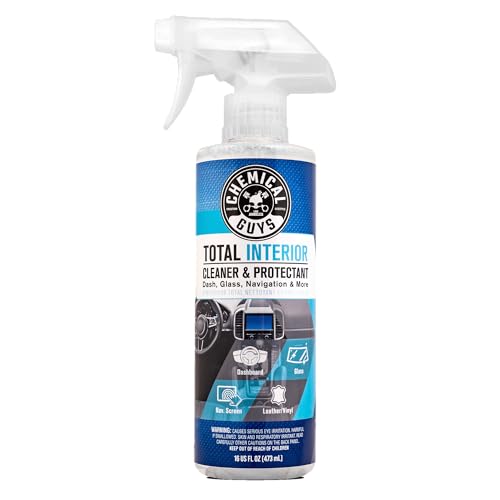
Choosing specialized products designed for synthetic leather ensures the solution is correctly formulated to be pH-neutral, preventing chemical degradation and discoloration of the vinyl plastic.
What Products Must You AVOID When Cleaning Leatherette Seats?
You must strictly avoid using products designed for genuine leather, harsh household cleaners, or high concentrations of alcohol on leatherette seats, as these strip the protective polymer layer, leading to drying and cracking. The fundamental difference between leather (porous, requiring oils) and leatherette (non-porous, synthetic polymer) dictates completely different care requirements.
Genuine leather conditioner is the most common mistake. It contains oils that the synthetic material cannot absorb. This leaves a sticky residue that quickly attracts dirt, often making the durable leatherette seats look worse than before cleaning. Furthermore, manufacturer guidelines for leatherette caution against any cleaners containing bleach, high concentrations of alcohol, acetone, or petroleum distillates. These chemicals can cause the vinyl plastic to dry out, discolor, and become stiff and brittle, leading to premature cracking.
The avoidance of these products is critical for material longevity. For example, high-alcohol content or harsh solvents can accelerate polymeric plasticizer migration, causing the synthetic material to lose its flexibility and become permanently damaged.
- Products and Chemicals to Strictly AVOID:
- Genuine Leather Conditioners: They leave sticky, dirt-attracting residue and serve no functional purpose for synthetic material.
- Bleach or Ammonia-Based Cleaners: They chemically break down the synthetic surface, causing discoloration and degradation.
- High-Concentration Alcohol Wipes/Solvents: These dry out the material by dissolving essential plasticizers, leading to stiffness and cracking.
- Abrasive Scrubbers or Magic Erasers: These cause micro-abrasions, dulling the surface and permanently damaging the glossy leatherette finish.
- Silicone-Based Sprays: They leave a tacky, unnatural shine that attracts dust and can be difficult to remove, contributing to sticky leatherette car seats.
| Feature/Aspect | Genuine Leather Care | Leatherette (Synthetic/Faux) Care |
|---|---|---|
| Material Type | Tanned animal hide (Porous, breathable) | Vinyl, PU (Non-porous, polymer surface) |
| Required Cleaner | pH-balanced leather cleaner | Mild soap and water, pH-neutral interior cleaner |
| Conditioning | Required (to replenish natural oils) | AVOID (will sit on surface, attract dirt, crack) |
| Protectant Focus | Nourishment and sealing | UV inhibition and polymer protection |
| Harmful Chemicals | Solvents, harsh detergents | Acetone, Bleach, High-alcohol, Leather Conditioner |
How Do You Remove Specific Stains (Ink, Oil, Food) From Faux Leather?
When dealing with specific, difficult stains, general cleaning is often insufficient; specialized, targeted techniques are required to break down the stain without harming the synthetic upholstery. This advanced troubleshooting section addresses the three most common severe stains faced by car owners, offering precise, tested leatherette cleaning techniques for immediate problem resolution.
Removing Ink Stains from Leatherette
To remove ink stains from leatherette car seats, gently blot the stain with a cotton swab dipped in minimal rubbing alcohol, followed immediately by a wipe-down with the standard mild soap solution to neutralize the alcohol. Ink stains require a solvent to break down the pigment. Because alcohol is a powerful solvent, use it sparingly on a cotton swab and only directly on the stain. Immediately after lifting the ink, wipe the area with your mild soap and water solution, followed by a thorough rinse (Step 4 technique). This process is delicate, but necessary, as prolonged alcohol exposure can dry out the synthetic surface.
Addressing Oil and Grease Spots on Seats
Oil or grease stains on synthetic leather can often be absorbed and lifted by applying a small amount of cornstarch or baking soda for several hours before vacuuming and cleaning with a diluted soap solution. Oil and grease require absorption before cleaning. Apply the powder directly to the stain and allow it to sit for 4-6 hours. The powder will draw the oil out of the synthetic material’s texture. Vacuum the powder, then proceed with Step 2 and Step 3 of the standard cleaning process to remove any residual residue.
Cleaning Up Food and Drink Spills
Food and drink spills, especially those containing sugars or dyes, should be blotted immediately and cleaned using a mild soap solution and a soft-bristle brush, followed by a thorough rinse. Organic matter often leaves residue that can feed mildew or attract bacteria, leading to foul odors in car seats. For sticky residues, use a foam cleaner or the diluted mild soap solution and gently agitate the area. If the spill caused a lingering odor, consider following up with an enzymatic cleaner, which breaks down organic matter, providing a permanent solution to odor management.
How Can You Fix Sticky and Discolored Leatherette Seats?
Stickiness on leatherette car seats is typically caused by residue from inappropriate cleaners or conditioners, and the solution requires a detailed deep clean using a mild soap, followed by a thorough, neutralizing rinse with clean water. Sticky seats frustrate users and signal that a past cleaning product—often containing silicone or being a leather conditioner—has left a residue buildup that is attracting dust.
To correct sticky leatherette seats, you must perform a dedicated deep clean. Use the prescribed mild soap solution (like diluted Woolite) and a clean microfiber cloth to gently scrub the surface again, aiming to break down the old, tacky film. Once scrubbed, meticulously wipe the seats with a clean, damp cloth several times to ensure all traces of the silicone or soap are fully removed. You must rinse until the surface feels completely clean and dry—not slick or tacky.
Regarding discoloration, true UV fading is usually permanent and requires professional repair or replacement, managing user expectation. However, many “discoloration” issues are actually dye transfer (common from dark denim). Dye transfer can sometimes be gently lifted using the mild soap solution, although caution is advised. By understanding the non-porous polymer composition of leatherette, you recognize that the solution lies in removal and neutralization, not additional product application.
How Can You Prevent Cracking and Extend the Lifespan of Leatherette?
To prevent cracking and extend the lifespan of leatherette, the two most effective preventative measures are routine application of a UV-blocking protectant and minimizing prolonged direct sun exposure. Leatherette is prone to cracking because, over time, the internal plasticizers (which keep the material supple) migrate out, especially when accelerated by heat and UV rays. This preventative maintenance strategy builds upon the necessary protection from Step 5.
Routine maintenance is paramount. A deep clean every three to four months, followed by a UV protectant spray, helps preserve the resilient synthetic upholstery. Between deep cleans, a quick wipe-down to remove immediate spills and dust prevents dirt buildup and reduces the need for aggressive cleaning later.
- Essential Preventative Best Practices:
- Apply UV Protection: Regularly use a dedicated vinyl protectant containing UV inhibitors every 3-4 months to safeguard the polymer against sun degradation.
- Minimize Sun Exposure: Utilize windshield sun shades when the vehicle is parked for extended periods, effectively reducing direct heat and UV penetration.
- Clean Spills Immediately: Wipe up any food, drink, or especially greasy spills as soon as possible to prevent permanent staining or residue attraction.
- Avoid Extreme Temperatures: Try to keep the car cabin ventilated in extreme heat to reduce stress on the synthetic material.
- Stick to Mild Cleaners: Only use mild soap and water or pH-neutral automotive interior cleaners; consistently avoiding harsh chemicals is the best long-term care strategy.
| Action/Product | Do (Best Practice) | Don’t (Avoid) | Rationale |
|---|---|---|---|
| Cleaning Solution | Mild soap (Dawn, Woolite) & water | Bleach, Acetone, harsh household cleaners | Prevents chemical degradation and discoloration |
| Protectant | Dedicated UV-blocking vinyl/leatherette protectant | Real leather conditioner, silicone-based sprays | Avoids sticky residue, prevents plasticizer loss |
| Cleaning Tool | Clean microfiber cloths, soft brush | Abrasive pads, stiff-bristle brushes | Minimizes micro-abrasion and scratching |
| Exposure | Use sun shade, ventilate car regularly | Prolonged direct sunlight, extreme humidity | Prevents UV fading and moisture-related damage |
FAQs About How to Clean Leatherette Car Seats
Can you use leather conditioner on leatherette car seats?
You should never use genuine leather conditioner on leatherette car seats because the synthetic material is non-porous and cannot absorb the oils, causing a sticky residue to build up on the surface. This sticky film attracts dirt and dust, negating the cleaning effort and potentially accelerating cracking as the material cannot properly breathe. Always opt for a dedicated synthetic leather protectant or vinyl protectant with UV blockers.
Is leatherette the same as faux leather or vinyl?
Yes, leatherette is essentially a trade name for synthetic leather, which is a form of vinyl plastic (often polyurethane or PVC) designed to mimic the look and texture of real leather. Understanding this is crucial, as the non-porous polymer composition dictates that it must be cleaned using mild, water-based, pH-neutral solutions, unlike natural leather which requires nourishing conditioners.
How often should I clean my leatherette seats?
Routine maintenance should involve a quick wipe-down of the leatherette seats every 1-2 weeks to remove surface dirt and spills immediately, but a deep cleaning process is recommended every three to four months. The frequency of deep cleaning depends on usage; high-traffic vehicles or those frequently exposed to sun and dirt may require quarterly deep cleans followed by protectant application to ensure longevity and prevent fading.
How do you clean white or light-colored leatherette car seats?
White or light-colored leatherette car seats should be cleaned using the same mild soap and water solution, but attention must be paid to common discoloration issues like dye transfer from denim. If discoloration or tough spots are present, use a gentle spot treatment with a diluted all-purpose interior cleaner and a soft-bristle brush, testing first on an inconspicuous area to ensure the product is not too harsh.
How to clean sticky leatherette car seats that have residual film?
Sticky leatherette seats are usually a sign of using a cleaner with silicone or applying real leather conditioner. The only way to remove the residual film is by performing a deep clean using a mild, diluted dish soap (like Dawn), followed by multiple thorough rinses with plain water and a clean microfiber cloth until the squeaky, sticky residue is completely gone.
Is Woolite safe for synthetic leather?
Yes, Woolite (especially the mild liquid version) is considered one of the safer and more popular home remedies for cleaning synthetic leather or vinyl car seats when diluted properly with warm water. Woolite is generally pH-neutral and gentle enough to break down dirt and grime without damaging the polymer finish, making it a reliable, budget-friendly alternative to specialized automotive interior cleaners.
How do I remove pet hair from leatherette car seats?
While leatherette surfaces are easier to clean than fabric, pet hair often sticks due to static cling. Effective removal methods include using a handheld vacuum with a rubber nozzle attachment, wiping the seats with a clean, damp microfiber cloth, or utilizing static-reducing tools like rubber gloves or specialized pet hair removal brushes designed for upholstery.
What is the biggest mistake people make when cleaning faux leather?
The single biggest mistake people make when cleaning faux leather is assuming it requires the same care as genuine leather, specifically by using oil-based leather conditioners or protectants. These products, while vital for real leather, will create a greasy, sticky layer on the synthetic material, attracting dirt and leading to faster wear and cracking.
What temperature water should I use for cleaning leatherette?
Lukewarm or cool water should always be used for cleaning leatherette car seats, as hot water can potentially soften the synthetic material, compromise its protective coatings, or even lead to shrinkage or warping over time. Use only the minimum amount of moisture necessary to ensure an effective, safe clean, especially for perforated seating.
Can I use car interior wipes on leatherette seats?
Most standard car interior wipes are safe for leatherette, provided they are explicitly labeled as being free of high concentrations of alcohol, bleach, and heavy petroleum distillates. Always check the ingredients and spot-test the wipes first, as alcohol-based or harsh disinfecting wipes can dry out the synthetic material and cause premature cracking or fading.
Final Thoughts on Cleaning Leatherette Car Seats
The confusion surrounding how to clean leatherette car seats often stems from a fundamental misunderstanding: synthetic material demands different care than porous natural leather. By internalizing the fact that leatherette is a non-porous vinyl plastic, you empower yourself to use the correct, mild solutions and avoid costly damage.
This systematic five-step guide—moving from careful vacuuming to gentle agitation, meticulous rinsing, and crucial UV protection—provides a professional leatherette cleaning guide that is both simple and highly effective.
- Leatherette is Synthetic, Not Real Leather: The core concept for safe cleaning is recognizing that leatherette is vinyl plastic and non-porous, requiring mild, water-based, pH-neutral cleaners and NO oil-based conditioners.
- The 5-Step Method is Key to Success: Follow the sequence of Vacuuming, Applying Mild Solution, Gentle Agitation, Rinsing/Drying, and Protection to ensure a safe, residue-free, and thorough deep clean.
- Avoid Harsh Chemicals and Leather Conditioners: Harsh cleaners (bleach, alcohol) and products designed for real leather (conditioners) must be strictly avoided, as they break down the synthetic polymer and cause permanent damage or stickiness.
- Microfiber Cloths are Essential for Safety: Always use soft, clean microfiber cloths for both cleaning and drying to prevent micro-abrasion risks, especially on glossy leatherette finish, maintaining the durable leatherette seats appearance.
- Long-Term Protection Prevents Cracking: To combat UV damage and cracking, apply a specialized leatherette/vinyl protectant containing UV inhibitors every 3-4 months; this maintains the material’s flexibility and appearance.
Proper care for leatherette car seats is significantly simpler and less costly than genuine leather, requiring only consistent cleaning with mild, diluted solutions and regular application of a UV protectant. By embracing these expert car detailing tips and committing to routine leatherette car seat care, you ensure your resilient synthetic upholstery remains comfortable, stain-resistant, and maintains its appearance for years to come. Which step in this safe cleaning method will you implement first to maintain your car’s interior?
Last update on 2026-03-09 / Affiliate links / Images from Amazon Product Advertising API


![Renting a Car in Cancun Safe: Your Ultimate [year] Guide](https://i0.wp.com/carxplorer.com/wp-content/uploads/2026/03/Renting-a-Car-in-Cancun-Safe-Your-Ultimate-year-Guide-2.jpg?resize=60%2C60&ssl=1 "Renting a Car in Cancun Safe: Your Ultimate [year] Guide 8")

