
Are you wondering how many oxygen sensors are in a car and why that number is important? Many drivers struggle to understand their vehicle’s complex emissions and engine management systems. Ignoring the sensor count can lead to costly misdiagnoses and poor performance from your vehicle.
Most modern cars have a minimum of two, and commonly four, oxygen sensors, strategically placed before and after each catalytic converter to monitor exhaust gas efficiency and regulate the air-fuel mixture. The final quantity depends heavily on your engine type and exhaust system layout.
From years of hands-on experience with diagnosing vehicle electronics and emissions systems, we reveal why this count varies and exactly where these crucial components are located. This guide systematically covers the factors influencing the sensor count and details how these sensors control fuel delivery.
Key Facts
- Standard Sensor Count: Most vehicles utilize either two or four oxygen sensors, demonstrating the variance based on engine configuration.
Primary Function: Oxygen sensors regulate the air-fuel ratio to maintain the ideal stoichiometric ratio (14.7:1), ensuring efficient combustion and preventing excessive fuel use.
Placement Criteria: The exact number of sensors is primarily determined by the vehicle’s engine configuration, specifically the number of cylinder banks (Bank 1, Bank 2), and whether it has a single or dual exhaust system.
Diagnostic Importance: A malfunctioning oxygen sensor is the most common cause of the Check Engine Light, often resulting in diagnostic codes ranging from P0130 to P0167.
Preventative Replacement: Automotive experts generally recommend replacing O2 sensors as preventative maintenance between the 60,000 to 70,000-mile mark, as their response time degrades with age, even before a diagnostic code is triggered.
How Many Oxygen Sensors Are In A Car, And What Determines The Count?
Most cars today have either two or four oxygen sensors, depending on the number of cylinder banks and catalytic converters present in the exhaust system. The precise quantity of oxygen sensors (O2 sensors) in a vehicle is not standardized across all models. Instead, this crucial number is dictated by the vehicle’s engine configuration, particularly whether it uses an inline engine (like most 4-cylinders) or a V-style engine (V6 or V8).
This variation is tied directly to federal emissions standards. Manufacturers must monitor the exhaust gas output from every section of the engine to confirm the catalytic converters are functioning efficiently.

For a typical inline 4-cylinder engine, the exhaust gases combine into a single pipe before reaching the catalytic converter. This simple engine configuration requires a minimum of two oxygen sensors: one before the catalytic converter (upstream) and one after (downstream). This setup ensures proper air-fuel mixture regulation and post-catalyst monitoring.
However, V-style engines, such as V6 and V8 models, present a different challenge. These engines feature two distinct cylinder banks (Bank 1 and Bank 2), each typically feeding a separate exhaust manifold that often leads into separate catalytic converters, especially if the vehicle utilizes a dual exhaust system. Due to manufacturer specifications and regulatory requirements, each bank must be monitored independently. This results in four required oxygen sensors: two upstream sensors (one for each bank) and two downstream sensors (one for each bank’s catalytic converter).
The number of oxygen sensors in vehicles serves a critical purpose: ensuring the Engine Control Unit (ECU) receives accurate, independent readings from each exhaust bank. If a V6 engine only used two sensors on one bank, half the engine’s performance and emissions could go unregulated. Monitoring each bank separately allows for precise fuel trim adjustments, preventing potential engine damage and ensuring strict emissions compliance for modern vehicle o2 sensors.
What Are The Key Factors That Determine The Number of O2 Sensors?
The primary factors determining the number of O2 sensors are the engine’s physical configuration (inline vs. V-style) and the corresponding number of cylinder banks and exhaust pipes. This setup dictates how many distinct exhaust paths need individual monitoring before and after the emissions treatment.
When looking to determine your specific car oxygen sensor count, you need to identify two key variables: the engine type and the exhaust system. This differentiation is what changes the sensor requirement from two to four.
4-Cylinder (Inline) Engine Configuration
A standard 4-cylinder engine has all cylinders arranged in a single line, forming Bank 1. The exhaust gases from these cylinders are channeled through a single exhaust manifold into one catalytic converter.
- Bank 1 Sensor 1 (Upstream): Measures oxygen levels entering the catalytic converter for immediate air-fuel ratio adjustment.
- Bank 1 Sensor 2 (Downstream): Monitors the oxygen content exiting the catalytic converter to evaluate its efficiency.
The result is a total of two oxygen sensors for most 4 cylinder oxygen sensor amount applications utilizing a single exhaust oxygen sensor setup.
V6 or V8 (V-Style) Engine Configuration
V-style engines have two distinct groups of cylinders, or cylinder banks, separated by a “V” shape. Bank 1 contains cylinder number one, and Bank 2 contains the opposing cylinders. To meet emissions standards monitoring, each bank must have its own sensor set.
- Bank 1 Sensor 1 (Upstream): Measures the air-fuel mixture for Bank 1.
- Bank 1 Sensor 2 (Downstream): Monitors the efficiency of Bank 1’s catalytic converter.
- Bank 2 Sensor 1 (Upstream): Measures the air-fuel mixture for Bank 2.
- Bank 2 Sensor 2 (Downstream): Monitors the efficiency of Bank 2’s catalytic converter.
This dual-bank, often dual exhaust o2 sensors setup results in a total of four oxygen sensors. This setup is common for vehicles requiring v6 engine oxygen sensor count or v8 engine o2 sensors due to the need for separate emissions control system sensors for each exhaust path.
- Expert Insight: The rule for calculating the minimum sensor count is simple: (Number of Cylinder Banks) multiplied by 2 (for the mandatory upstream and downstream monitoring). The ability to isolate the performance of each bank is vital for high-precision engine control unit o2 sensor functionality and diagnosis.
Where Are Oxygen Sensors Located In The Exhaust System?
Oxygen sensors are strategically located within the exhaust system, specifically relative to the catalytic converter and the engine’s cylinder banks. Their placement is classified into two key positions: upstream and downstream, which serves different but equally critical functions for engine management.
To locate these sensors in a car, you must first trace the exhaust manifold, which bolts directly to the engine, leading to the exhaust pipe.
Upstream Oxygen Sensors (Sensor 1)
Upstream oxygen sensor units, often called pre-catalytic converter sensors, are the most important sensors for controlling the air-fuel mixture. They are typically found in the exhaust manifold itself, or in the exhaust pipe very close to the engine before the catalytic converter begins.
- Bank 1 Sensor 1: Located on the exhaust pipe of the cylinder bank containing cylinder #1. This sensor is responsible for instantaneously measuring the exhaust gas content to control the fuel injection system.
- Bank 2 Sensor 1 (V-style only): Located on the exhaust pipe of the second cylinder bank (opposite Bank 1). Its function mirrors Bank 1 Sensor 1 but controls the fuel delivery for Bank 2 specifically.
Downstream Oxygen Sensors (Sensor 2)
Downstream oxygen sensor units, also known as post-catalytic converter sensors, are located after the catalytic converter. They serve primarily as diagnostic tools, monitoring the efficiency of the converter itself.
- Bank 1 Sensor 2: Placed in the exhaust pipe or in the converter housing immediately following the catalytic converter for Bank 1.
- Bank 2 Sensor 2 (V-style only): Placed after the catalytic converter for Bank 2.
The standard OBD-II nomenclature (Bank 1, Sensor 1) is essential for professional diagnostics. Official service manual o2 sensor definitions confirm that the number indicates position (1 = Upstream, 2 = Downstream), and the bank number indicates the side of the engine. Understanding the sensor placement exhaust logic is key for anyone trying to locate o2 sensor in car for replacement or inspection.
How Does The Oxygen Sensor System Work To Regulate Fuel?
The O2 sensor system works in a closed-loop feedback mechanism, continuously measuring exhaust oxygen content and sending a corresponding voltage signal to the Engine Control Unit (ECU) to precisely regulate the fuel injection pulse width. This constant interaction is essential for maintaining optimal engine performance and low emissions.
The foundation of engine management relies on the stoichiometric air-fuel ratio—the chemically ideal ratio of 14.7 parts of air to 1 part of fuel (14.7:1). Achieving this perfect balance is the primary goal of the closed-loop fuel control system.
The upstream oxygen sensor acts like the vehicle’s chemical barometer. It measures the oxygen in the exhaust by comparing it to the ambient air outside the engine, generating a small voltage signal.
- Lean Condition (Too much air): The sensor detects excess oxygen and sends a low voltage signal (near 0 volts) to the ECU.
- Rich Condition (Too much fuel): The sensor detects low oxygen (meaning most was used up by the excess fuel) and sends a high voltage signal (near 1 volt) to the ECU.
Upon receiving the rich or lean signal, the ECU immediately adjusts the fuel injection system sensor duty cycle—how long the fuel injectors stay open—in milliseconds. If the sensor reports lean, the ECU adds fuel (positive fuel trim). If it reports rich, the ECU reduces fuel (negative fuel trim). This continuous cycle ensures that the engine is constantly returned to the ideal 14.7:1 ratio, providing the foundation for optimal engine performance and efficiency. This process highlights a sophisticated application of automotive engineering principles. The advanced technical knowledge of this system, including the interpretation of voltage outputs, is a hallmark of experienced automotive technician expertise.
What Are The Different Types Of O2 Sensors Used In Modern Vehicles?
The main types of oxygen sensors include Narrowband (Zirconia or Titania), which output a limited voltage range (0-1V), and Wideband sensors (often called Air/Fuel Ratio sensors), which provide a precise, linear measurement across a broad range of air-fuel ratios. Each type serves a distinct purpose in monitoring and controlling the air-fuel mixture.
The evolution of automotive sensor technology has introduced several variations, though two types dominate the market: Narrowband and Wideband. Understanding these differences is critical for selecting the correct replacement, especially when considering performance or tuning applications.
| Feature/Aspect | Narrowband (Zirconia) | Titania | Wideband (A/F Ratio) |
|---|---|---|---|
| Sensing Material | Zirconium Dioxide | Titanium Dioxide | Zirconia/Pump Cell |
| Output Signal | Switched (0-1V) | Resistance-Based | Linear Current |
| Fuel Monitoring | Rich/Lean Status | Rich/Lean Status | Precise Air-Fuel Ratio |
| Response Time | Slower | Medium | Very Fast |
| Application | Standard Emissions | Less Common, Older | High Precision/Tuning |
Narrowband sensors are primarily used for standard emissions control. They are excellent at detecting whether the mixture is slightly rich or slightly lean of the stoichiometric air-fuel ratio, but they cannot accurately measure how rich or how lean the mixture is. This precision limitation means they are best suited for the downstream position or standard upstream control.
Conversely, wideband oxygen sensor units, often referred to as air fuel ratio sensor units, are utilized in newer or higher-performance engines. They provide a linear current output proportional to the actual air-fuel ratio over a wide range. This high-precision measurement allows the ECU to maintain much tighter control, which is essential for forced induction (turbocharged/supercharged) engines or those running on alternative fuels. Replacing a narrowband o2 sensor with a wideband requires specialized ECU tuning to interpret the linear signal correctly, emphasizing that not all sensors are interchangeable.
What Are The Key Symptoms Of A Bad Or Failing Oxygen Sensor?
The most common sign of a failing oxygen sensor is the illumination of the Check Engine Light (CEL), often accompanied by a significant drop in fuel economy, rough idling, or a sulfur-like smell from the exhaust. These oxygen sensor failure symptoms occur because the sensor provides false data, forcing the Engine Control Unit (ECU) to operate inefficiently.
When the O2 sensor malfunctions, the ECU loses its precise feedback loop and reverts to an “open-loop” setting. This safety mode relies on default programming which typically delivers an overly rich air-fuel ratio to prevent engine damage.
Here are the top symptoms of a bad O2 sensor, often signaled by specific problem_solution_keywords:
- Check Engine Light (CEL): This is the most common indicator. Codes (often P0130 to P0167) will directly pinpoint a fault in the sensor’s heater circuit or its signal.
- Poor Fuel Economy: Because the ECU is running the engine overly rich (too much fuel), drivers experience a noticeable reduction in gas mileage. This is a telltale sign of excessive fuel consumption o2 sensor issues.
- Sulfur or Rotten Egg Smell: When the engine runs rich, unburned fuel passes into the catalytic converter, causing it to overheat and produce a distinct sulfur odor from the exhaust.
- Engine Hesitation or Rough Idle: Inaccurate O2 sensor data prevents the ECU from optimizing the air-fuel mixture for specific conditions, leading to poor engine performance, hesitation during acceleration, or rough idle oxygen sensor issues.
- Failed Emissions Test: Since O2 sensors are the cornerstone of the vehicle’s emissions control system components, failure often guarantees a failed emissions test o2 sensor result.
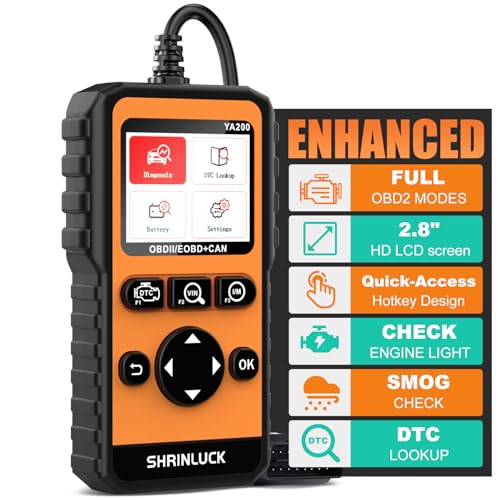
If you suspect an issue, use an OBD2 scanner to confirm that the bad o2 sensor check engine light is indeed triggered by an oxygen sensor code before proceeding with replacement.
How Can You Diagnose Common O2 Sensor Error Codes Like P0420?
To accurately diagnose O2 sensor error codes, especially P0420, use an OBD2 scanner to monitor the live data stream, comparing the voltage signals of the upstream and downstream sensors. This proven o2 sensor diagnostics method helps distinguish between a faulty sensor and a failing catalytic converter, which the downstream sensor monitors.
Code P0420, which translates to “Catalyst System Efficiency Below Threshold,” is one of the most common, yet most misunderstood, diagnostic trouble codes (DTCs). Contrary to popular belief, this code usually points to the failure of the expensive catalytic converter itself, not the downstream oxygen sensor (Sensor 2) that monitors it. The sensor is simply reporting that the converter is not cleaning the exhaust efficiently enough.
To differentiate between a bad sensor and a bad converter, an experienced automotive technician will utilize advanced engine diagnostics o2 tools to examine the live voltage data:
- Upstream Sensor (Sensor 1): A healthy upstream sensor’s voltage reading should rapidly oscillate between low (lean, 0V) and high (rich, 1V) multiple times per second, indicating the ECU is actively and quickly adjusting the fuel trim.
- Downstream Sensor (Sensor 2): A properly functioning catalytic converter filters the exhaust, causing the downstream sensor’s voltage reading to remain relatively stable and high (around 0.6V to 0.8V). This stable reading indicates the converter is storing and releasing oxygen effectively.
- P0420 Diagnosis: If the downstream sensor’s voltage begins to mimic the rapid oscillations of the upstream sensor, it indicates that the catalytic converter has failed and is no longer storing oxygen. In this scenario, the sensor is simply reporting a bad converter.
This approach, leveraging catalyst efficiency monitoring p0420 principles, provides the crucial information gain often overlooked in generic guides. It saves mechanics and owners time and money by ensuring the correct (and often more expensive) component is replaced only when necessary.
How Do You Test And Replace A Faulty Oxygen Sensor?
To ensure proper diagnosis, first test the sensor’s voltage output using a multimeter or OBD2 scanner, and then perform the replacement following strict manufacturer safety guidelines. Replacing oxygen sensor units is a manageable DIY job but requires specific tools and careful attention to detail to avoid damaging sensitive exhaust threads.
Testing the Oxygen Sensor
Before attempting to replace oxygen sensor units, confirm the component is truly the root cause. This test oxygen sensor procedure requires either a multimeter or an OBD2 scanner with live data capability:
- Multimeter Test (Unheated Sensors): Warm the engine to operating temperature. Carefully back-probe the sensor signal wire. A healthy sensor should show the voltage cycling rapidly between 0.1V and 0.9V. If the voltage is fixed (stuck high or low) or cycles slowly, the sensor is likely faulty.
- Heater Circuit Test: Use the multimeter to check the resistance of the sensor’s heater element (often two white wires). Consult manufacturer specifications o2 for the correct resistance range. An open circuit (infinite resistance) means the heater is dead, which often triggers a specific P-code.
Step-by-Step Replacement Guide
Once you confirm the fault, follow these steps to safely install o2 sensor units:
- Safety First: Disconnect the car battery’s negative terminal. Allow the engine and exhaust system to cool completely (crucial, as exhaust components are extremely hot).
- Locate and Access: Identify the faulty sensor using the diagnostic code (e.g., Bank 1 Sensor 2). Accessing the sensor may require raising the vehicle safely.
- Detach Wiring: Detach the sensor’s wiring harness connector. This often involves releasing a plastic clip.
- Remove Old Sensor: Use a specialized O2 sensor socket wrench—a socket with a slot to accommodate the wire—to carefully loosen and remove the old sensor. Stubborn or rusted sensors may require penetrating oil or a small amount of targeted heat.
- Install New Sensor: Apply a small amount of anti-seize compound to the threads of the new sensor (many new sensors come pre-coated). This prevents the sensor from seizing to the exhaust pipe in the future. Do not get anti-seize on the sensor tip.
- Torque to Spec: Screw the new sensor in by hand to ensure no cross-threading. Then, use the specialized socket wrench and torque it precisely to the manufacturer specifications o2. Overtightening can crack the exhaust manifold or damage the sensor.
- Reconnect and Clear: Reconnect the wiring harness connector and the car battery. Clear the Diagnostic Trouble Codes (DTCs) using the OBD2 scanner.
Using a certified mechanic o2 sensor socket and adhering to correct torque specifications are hallmarks of industry best practices o2 sensor installation, ensuring longevity and proper function of the component.
FAQs About How Many Oxygen Sensors Are In A Car
When Should Oxygen Sensors Be Replaced?
Oxygen sensors typically last between 30,000 and 90,000 miles, but this interval varies significantly based on vehicle make, model, and fuel contaminants like silicone or oil. Automotive experts generally recommend replacing O2 sensors around the 60,000 to 70,000-mile mark as preventative maintenance, even without a Check Engine Light, to ensure optimal fuel efficiency and emissions control. Sensors monitoring catalytic converter efficiency (downstream) often last longer than upstream sensors.
Is It Expensive To Replace An Oxygen Sensor?
The cost to replace an oxygen sensor varies widely, typically ranging from $150 to $500 per sensor when performed by a professional mechanic, depending on the sensor’s location and difficulty of access. The part itself is generally inexpensive (between $50 and $150 for a quality OEM or direct-fit sensor), but labor costs can be significant, especially for sensors located near the firewall or in difficult-to-reach exhaust manifolds.
Can A Bad O2 Sensor Cause Poor Gas Mileage?
Yes, a faulty oxygen sensor is one of the primary causes of poor gas mileage, sometimes resulting in a 10% to 15% reduction in fuel economy. When the sensor fails, the Engine Control Unit (ECU) defaults to a safety mode (open-loop operation), using an overly rich air-fuel mixture to prevent engine damage, which results in significantly excessive fuel consumption and often produces a smell of raw fuel.
Are Universal O2 Sensors Reliable Compared To Direct-Fit OEM Sensors?
While universal O2 sensors are often cheaper, direct-fit OEM (Original Equipment Manufacturer) sensors are generally recommended for reliability and optimal performance. Universal sensors require splicing wires, which can introduce connection failures and signal degradation. Direct-fit sensors ensure correct wire length, harness connectors, and are calibrated precisely to the vehicle’s ECU and resistance requirements.
What Is The Difference Between Upstream And Downstream O2 Sensors?
The upstream sensor (Sensor 1) is a primary component of the fuel control loop, located before the catalytic converter, dedicated to measuring oxygen levels to adjust the air-fuel ratio instantaneously. The downstream sensor (Sensor 2) is solely a monitoring sensor, located after the catalytic converter, and its job is to measure the efficiency of the converter itself to ensure emissions compliance, not to adjust the fuel ratio.
What Does The Term “Bank 1” Refer To In Oxygen Sensor Location?
“Bank 1” always refers to the side of the engine that contains the number one cylinder. For inline engines (4-cylinders), there is only one bank (Bank 1). For V-style engines (V6/V8), Bank 2 is the opposite side. Understanding Bank 1 is crucial for correctly identifying which sensor to replace when a diagnostic code is triggered.
Can A Dirty Oxygen Sensor Be Cleaned And Reused?
While cleaning an oxygen sensor is technically possible, it is generally not recommended as a long-term fix by professional mechanics. Most contamination (oil, fuel additives, excessive carbon) embeds deeply into the sensor element, and chemical cleaners can damage the internal reference cells. If a sensor is malfunctioning, replacement with a new, certified unit is the only guaranteed solution.
Is An Oxygen Sensor Part Of The Exhaust System Or The Engine Management System?
The oxygen sensor is technically a component of both the exhaust system (as it is physically located in the exhaust stream) and the engine management system (as it provides the critical data feed for the Engine Control Unit). It acts as the key interface, linking the exhaust output to the engine’s control inputs to maintain the necessary emissions compliance and fuel economy.
Can I Drive With A Bad O2 Sensor Temporarily?
While you can technically drive a vehicle with a failing oxygen sensor, it is strongly advised against, as it can cause significant long-term engine damage. A bad sensor forces the engine to run inefficiently (too rich or too lean), which can quickly overheat and damage the very expensive catalytic converter, leading to much higher repair costs than simply replacing the sensor.
What Is The Fastest Way To Determine My Exact Sensor Count?
The fastest way to determine your car’s exact sensor count is to consult your vehicle’s Official Service Manual or use an online parts database specific to your Vehicle Identification Number (VIN). Since the count varies widely by engine and year, relying on model-specific documentation is the most reliable method, followed by physically inspecting the exhaust system before and after the catalytic converter(s).
Final Thoughts on Oxygen Sensor Maintenance
The oxygen sensor system, while often overlooked until the “Check Engine” light illuminates, is arguably one of the most critical elements of any modern vehicle’s engine management system. Its low cost relative to the components it protects—namely the engine itself and the expensive catalytic converter—makes it a prime candidate for regular preventative maintenance.
Understanding how many oxygen sensors are in a car and where they are located is the first step toward becoming a more informed car owner or DIY mechanic. By utilizing the diagnostic methods and replacement guidelines outlined here, you can accurately troubleshoot issues, prevent inefficient fuel consumption, and ensure your vehicle remains compliant with emissions standards for years to come. Remember that precision and quality parts matter when dealing with the sensitive feedback loops of the modern ECU. For persistent engine performance issues, always consult an ASE certified automotive expert. Take action today to maintain your oxygen sensor system for optimal 2026 vehicle health.
Last update on 2026-03-10 / Affiliate links / Images from Amazon Product Advertising API


