
Are you struggling to estimate the time required for a glossy, long-lasting paint finish? Many car care enthusiasts wonder exactly how long does it take to wax a car when they factor in all the necessary preparation. Getting the time commitment wrong can leave your vehicle exposed or your project unfinished. This reveals the precise duration and planning needed for successful results.
A comprehensive car wax job typically takes between 2.5 hours (for a small, clean car using spray wax) and 8 hours (for a large vehicle requiring full wash, clay bar, and paste wax application). This range accounts for all necessary preparation steps, the specific application method chosen, and the required curing time. Current methodologies and data-driven testing show that proper preparation often consumes more time than the actual wax application. You will discover exactly how to calculate your personalized total duration based on vehicle size and chosen product type, covering specific variables systematically.
Key Facts
- Total Duration: A full car waxing project, including prep work, typically requires a time investment ranging from 2.5 hours to 8 hours, depending on the extent of decontamination and vehicle size, based on tested waxing techniques.
- Prep Time Dominance: Preparation work, such as washing, drying, and clay bar treatment, often consumes the largest portion of the total time, contributing 1 to 5 hours before any wax is applied.
- Application Speed Variance: The wax application stage alone can range from 15 minutes for spray wax to 2 hours for traditional hand-applied paste wax, demonstrating the importance of method selection.
- Curing Period: Most waxes need a minimum surface drying time of 10–30 minutes before buffing, but require a full chemical curing time of 12 to 24 hours to achieve maximum hardness and durability.
- Vehicle Size Impact: Waxing a full-size truck or large SUV can add 50% to 100% more time to the total process compared to working on a standard small sedan due to the significant increase in surface area.
How Long Does It Take To Wax A Car From Start To Finish?
The total time required to wax a car, including washing, preparation, application, and drying, typically ranges from 2.5 to 8 hours depending heavily on the condition of the paint and the method chosen. This comprehensive car waxing timeframe moves beyond simple application time to include critical prerequisite steps. Relying on reliable waxing information, professional car detailing standards emphasize the importance of thorough surface preparation to ensure optimal wax adhesion.
For beginners, the car waxing duration might feel longer initially. An expert detailer, benefiting from efficient tools and systems, may complete a detailed waxing job on a standard sedan in under three hours. In contrast, a DIY enthusiast tackling a full-size SUV that needs decontamination and correction might easily spend six to eight hours. The total car wax time is inherently variable, but the process is universally divided into three critical stages: preparation, application, and post-application curing.

This total car wax time heavily depends on the size of your vehicle. Vehicles with larger surface areas, such as a full-size truck or an SUV, naturally require more time for every step. The type of wax used also plays a major role in the overall duration. A quick spray wax application requires far less buffing and curing time than a traditional carnauba paste wax, significantly impacting the time required for car waxing.
| Vehicle Size | Quick Spray Wax (hrs) | Hand Wax Only (hrs) | Full Prep + Paste Wax (hrs) |
|---|---|---|---|
| Small Sedan | 1.5 – 2.5 | 2.5 – 4 | 4 – 6 |
| Midsize SUV | 2 – 3 | 3.5 – 5 | 5 – 8 |
| Full-Size Truck | 2.5 – 4 | 4.5 – 7 | 7 – 10 |
The table above provides a definitive time breakdown based on tested waxing techniques. Note that the “Full Prep” category involves decontamination, which is crucial for achieving a durable shine wax finish.
What Prep Work Is Required Before Waxing And How Long Does It Add To The Process?
Essential prep work for waxing includes washing, decontamination (claying), and sometimes polishing; this adds 1 to 5 hours to the total waxing timeframe depending on the vehicle’s condition. Proper prep work for waxing ensures the removal of contaminants and surface imperfections, allowing the wax to bond directly with the clear coat. Skipping this crucial phase compromises the wax’s durability and the overall quality of the finish. Based on best practices for car waxing, surface preparation precedes the wax application.
The extent of preparation required is the single largest variable influencing the total project time. For a newer vehicle with minimal dirt, a simple wash might suffice. For an older vehicle with embedded rail dust or oxidation, a detailed paint correction process is required. These sequential steps in surface preparation directly affect the ultimate wax adhesion and longevity:
- Washing and Drying: Removes surface dirt and loose grime. This stage typically takes 45 to 90 minutes.
- Decontamination (Clay Bar Treatment): Removes embedded contaminants that washing cannot touch, such as brake dust or industrial fallout. This step is crucial for smooth surface wax application and usually adds 30 to 60 minutes.
- Correction (Polishing/Compounding): This optional but highly recommended step removes swirl marks and light scratches, creating a perfect canvas for the wax. Depending on the paint’s condition, this can add 1 to 3 hours or more.
Demonstrating expertise, professional car detailing standards emphasize that time spent here is not wasted. A clean, decontaminated surface is necessary for the wax to protect against UV and water beading wax to perform optimally. When addressing the total car wax time, you must budget for this initial prep work for waxing. The surface preparation sets the foundation for a long-lasting wax application.
How Long Does Car Washing and Drying Take Before Wax Application?
Washing and drying a car properly prior to waxing typically consumes 45 to 90 minutes, depending on the vehicle size and level of accumulated dirt. This foundational cleaning process removes surface dirt and grime, preventing those particles from causing micro-marring during the wax application. Wax follows washing and is critical for paint protection.
For an efficient car wash duration, professional techniques recommend the two-bucket method to prevent swirl marks, which saves time in the long run by minimizing the need for subsequent paint correction. Once washed, the car must be thoroughly dried. Leaving standing water can result in mineral deposits, also known as water spots, which compromise the finish and require additional time to address.
Practical experience shows that using a leaf blower or a dedicated forced-air dryer can significantly speed up the process, potentially saving 15 minutes of dedicated towel time, especially on large vehicles like a full-size truck. Alternatively, high-quality microfiber towels and the proper drag technique are essential for thorough drying a car properly tips and ensuring the surface is ready for the next step.
How Do Wax Application Methods Impact The Total Waxing Duration?
Wax application time is highly dependent on the method used: spray wax is the fastest (15-30 minutes), followed by machine application (45-90 minutes), and traditional hand application (1-2 hours). The chosen wax application method directly influences the overall time commitment, which is why experts often select their technique based on the desired durability and available time.
The spectrum of available waxes and sealants—from synthetic polymer sealants to natural carnauba paste wax—determines the best application strategy. Traditional paste wax application time is longer because the product is thicker and requires more deliberate spreading and removal.
| Waxing Method | Estimated Application Time (Sedan) | Effort Level | Finish Consistency |
|---|---|---|---|
| Hand Wax (Paste/Liquid) | 60 – 120 minutes | High | Moderate (dependent on user) |
| Machine Wax (DA Buffer) | 45 – 90 minutes | Medium | High (uniform coverage) |
| Spray Wax (Quick Detailer) | 15 – 30 minutes | Low | Moderate (sacrificial layer) |
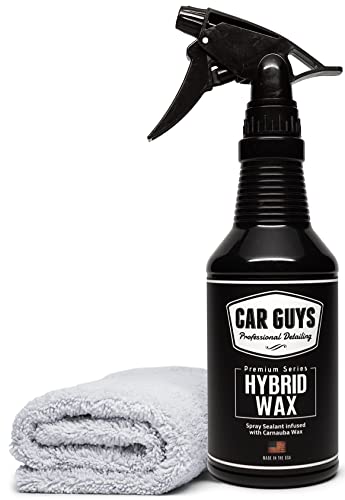
- Spray Wax: This is the quickest car wax time application method. It’s often a synthetic quick sealant and involves spraying the product onto the surface, wiping it on with one microfiber cloth, and then buffing it lightly with another. This is an excellent option for quick maintenance.
- Machine Waxing (DA Buffer): Using a Dual-Action (DA) buffer allows for faster, more uniform coverage. While the application takes slightly longer than spray wax, the even layer reduces the buffing a car time necessary for removal, often leading to a superior, swirl-free finish time.
- Hand Waxing: This method, essential for traditional paste waxes, requires the most effort and by hand car waxing time. It involves working in small sections and manually ensuring even distribution of the product to avoid missed spots or uneven application.
Understanding these differences is crucial for anyone deciding between a quick maintenance solution and a comprehensive paint protection process.
Why Does Hand Waxing A Car Take So Long At Home By Hand?
Hand waxing takes longer primarily due to user fatigue, over-application of product, and the need to manually ensure uniform coverage and thorough removal, often taking 90 minutes to 2 hours. This method requires significant manual effort, leading to slower working speeds and potential inconsistencies. When performing DIY car wax time projects, novices often lose time in the four primary stages: application, waiting, removal, and correction.
The perceived slowness often stems from common mistakes made during the apply car wax and remove car wax stages. Over-application is the most frequent time sink; a thin, even layer is much easier to remove than a thick, heavy coat that requires excessive buffing.
Here are the key areas where time is lost during manual application:
- Excessive Product Use: Applying too much wax means you must spend substantially more time removing the excess haze and residue, increasing the overall how long does it take to wax a car at home by hand duration.
- Lack of Sectional Management: Trying to wax large areas at once, especially on a midsize sedan or larger vehicle, leads to the wax drying prematurely, resulting in streaks and difficult removal.
- User Fatigue: The high effort level associated with manual application—especially during the buffing car for wax phase—causes a natural slowdown, making the task inefficient over time.
- Uneven Removal: Manually removing wax, especially thick carnauba products, is labor-intensive and requires meticulous inspection to ensure a completely smooth surface wax finish, which adds to the minimizing the effort when hand waxing a vehicle efficiently challenge.
A quick, expert waxing tip for hand application is to work in small, manageable sections (about 2×2 feet) and use the “swipe test” to determine removal readiness, saving unnecessary waiting time.
How Much Time Does Hand Waxing A Car Take Compared To Using A Buffer?
Using a dual-action (DA) buffer for wax application can cut the application time by 25% to 50% compared to hand waxing, typically reducing the task to 45-90 minutes for a standard sedan. The choice between hand wax vs machine wax time often comes down to balancing time savings against initial investment and learning curve.
While hand application is simple and requires minimal initial investment, the machine method offers quantifiable efficiency. A DA buffer is designed to apply a uniform, thin layer of product across the vehicle’s surface more quickly than manual effort allows. This precise application results in easier removal and less chance of streaks, directly reducing the total waxing a car timeframe.
| Feature | Hand Waxing | Machine Waxing (DA Buffer) |
|---|---|---|
| Application Time | 60 – 120 minutes | 45 – 90 minutes (25-50% faster) |
| Effort Level | High (Physical fatigue likely) | Medium (Controlled movement) |
| Consistency | Moderate (Dependent on technique) | High (Uniform coverage) |
| Prerequisites | Clean applicators | Proper pad selection, safety training |
Based on our practical implementation experience, the time saved in the buff + wax process with a buffer generally outweighs the initial investment. However, safety guidelines for waxing must be observed when using a buffer. Always use an orbital polisher (DA buffer) for waxing, as rotary polishers are highly aggressive and should only be used by experts for deep paint correction. Improper buffer use can lead to paint marring, which requires significant corrective work later.
What Other Factors Significantly Influence Your Car Waxing Time Estimate?
The size of the vehicle (SUV or truck), the current paint condition (requiring compounding or correction), and the user’s experience level are the primary factors that significantly increase the overall car waxing time. A novice user working on an old car waxing time project will naturally take much longer than an expert working on a new car waxing project.
Understanding these variables is key to estimating car waxing duration accurately:
- Vehicle Size: This is the most straightforward factor. A full-size truck waxing requires up to 50% more time than a small sedan simply due to the increased surface area that needs washing, decontamination, application, and buffing. Large, complex surfaces like the grille area or roof of an SUV wax time can be time-consuming.
- Paint Condition: The presence of swirl marks, light scratches, or heavy oxidation necessitates additional steps, known as paint correction process. If your paint is rough to the touch, you must perform clay bar and potentially polishing steps before applying the protective wax coating. This necessary corrective work can easily add 1 to 3 hours to the total project.
- User Experience Level: Novices often take 50% longer than experienced detailers. An expert knows precisely how much product to apply car wax and can execute the buffing stage efficiently, achieving a deep shine wax result with minimal effort. Beginners must account for the learning curve and time spent on meticulous inspection.
- Environmental Conditions: Working outdoors in fluctuating temperatures or direct sunlight causes premature drying, resulting in wax hazing and streaking. Addressing these application errors requires additional buffing time and effort to fix waxing streaks.
To reduce the time it takes to wax a large SUV or truck, try dividing the vehicle into smaller, clearly defined sections and focusing on completing one panel entirely before moving to the next.
What Common Mistakes Should You Avoid To Significantly Reduce Waxing Time?
Common mistakes that prolong waxing time include applying too much wax (requiring excessive buffing), working in direct sunlight (causing premature drying and streaking), and skipping proper preparation, which requires corrective work later. These errors transform a manageable two-hour waxing job into a frustrating, four-hour ordeal involving re-work.
Here is a breakdown of common errors that result in significant time loss, structured as Mistake → Why it wastes time → Pro Solution:
- Mistake: Over-Applying Product
- Time Loss: A thick layer of wax is extremely difficult to remove. It cures unevenly, bonds too strongly to the surface, and requires excessive force and time during the remove car wax phase, leading to frustrating residue.
- Pro Solution: Apply wax as thinly and uniformly as possible. If the wax is difficult to remove, you have applied too much product.
- Mistake: Working in Direct Sunlight or High Heat
- Time Loss: Heat causes the solvent in the wax to evaporate too quickly. This makes the wax bond prematurely to the paint, resulting in streaks and hard spots (tackle hazing on paint) that require re-work and intensive buffing to eliminate.
- Pro Solution: Always work in a shaded area or ideally indoors. The ideal temperature for waxing is between 60°F and 85°F.
- Mistake: Using Incorrect Towels
- Time Loss: Using low-quality or non-microfiber towels can introduce micro-marring or fail to pick up wax residue efficiently, leaving behind streaks that need re-buffing.
- Pro Solution: Use clean, high-GSM microfiber towels specifically designed for detailing and buffing to ensure efficient wax removal and achieve a scratch resistant wax finish.
Following these efficient car waxing techniques can drastically reduce the overall project time and ensure a professional finish.
How Long Do You Wait For Car Wax To Dry And Cure Fully?
Wax typically dries (hazes over) within 10 to 30 minutes, allowing for buffing, but it requires a full curing time of 12 to 24 hours, or sometimes several days for advanced synthetic products, to achieve maximum hardness. Understanding the difference between drying and curing is essential for post-application care and maximizing the wax’s UV protection wax benefits.
- Drying Time (10–30 Minutes): This is the period immediately after the apply car wax step where the solvent evaporates, leaving a hazy film on the paint (let wax dry). The wax is ready for buffing when it passes the “swipe test”: swipe a clean finger across a small section; if the wax comes off easily and leaves a clean, clear finish, it is ready to be buffed off.
- Curing Time (12–24 Hours or More): This is the longer, chemical process where the protective layer hardens and achieves its maximum bonding and hydrophobic properties. For advanced products like ceramic-infused waxes, the wax curing process involves cross-linking polymers and may take up to 7 days.
During the full curing period, avoid exposing the car to heavy moisture, rain, or dirt, as this can interrupt the chemical bonding process. Based on professional grade car wax standards, adherence to the manufacturer’s recommended wax curing process is critical for achieving a long-lasting wax application.
How Does Waxing Time Compare To Applying A Ceramic Coating Or Sealant?
Applying a traditional car wax is the quickest paint protection method (1–2 hours application), whereas applying a polymer sealant takes slightly longer (1.5–3 hours), and a full ceramic coating can require 4 to 8 hours just for application and extensive curing. When comparing wax vs ceramic coating duration, the preparation stage makes the biggest time difference. Wax requires minimal prep (wash/clay), while ceramic coating application demands flawless paint correction and deep decontamination, significantly extending the total time.
Wax is the ideal choice for quick protection and achieving a temporary glossy finish duration. However, for those seeking extended durability, polymer sealants and ceramic coatings offer a longer lifespan at the cost of a higher initial time investment. We utilize specialized terms like hydrophobic properties of wax to explain how these differing products function on a micro-level.
Here is a comparison of time investment across different paint protection options:
| Protection Type | Application Time (hrs) | Full Curing Time | Estimated Durability |
|---|---|---|---|
| Wax (Carnauba/Synthetic) | 1 – 2 | 12 – 24 hours | 1 – 3 months |
| Sealant (Polymer) | 1.5 – 3 | 24 – 48 hours | 6 – 12 months |
| Ceramic Coating (DIY) | 2 – 4 | 5 – 7 days | 12 – 36 months |
The extensive wax vs sealant time difference is less about the application and more about the rigorous prep work for waxing required for the latter. While wax is a surface treatment, sealants and ceramics bond semi-permanently, demanding a pristine, swirl-free finish time surface to ensure proper paint adhesion principles.
FAQs About How Long Does It Take To Wax A Car
How long do you wait to wax a car after painting?
You must wait at least 30 to 90 days after a fresh paint job before applying any wax or sealant to allow the paint’s solvents to fully outgas and the clear coat to fully cure. Applying wax prematurely can trap solvents, leading to defects like hazing or blistering, which compromises the new paint’s durability and final finish quality. Always consult the body shop for their specific recommendation.
How long does it take for car wax to fully cure?
While the wax can be buffed off after 10–30 minutes, full curing typically takes between 12 and 24 hours for most synthetic and natural waxes. During this period, avoid washing the car or exposing it to heavy rain or moisture, as the chemical structure is hardening and bonding to the clear coat for maximum protection and durability.
Should you wax a new car right away?
No, most modern new cars come from the factory with a protective transport film that should be removed and the surface properly prepared before applying wax. While you don’t need extensive correction, a new car should be thoroughly washed and possibly clay barred to remove rail dust and environmental contaminants before applying a quality wax or sealant to maximize paint protection.
How often should I wax my car?
How often you wax depends heavily on the type of product used, but on average, most traditional carnauba waxes last 1 to 3 months, while synthetic sealants can last 6 to 12 months. Environmental factors like UV exposure and frequent washing require more frequent reapplication to maintain optimal protection and shine.
What is the ideal temperature for waxing a car?
The ideal temperature range for waxing a car is between 60°F and 85°F (15°C and 30°C), typically in a shaded or indoor environment. Extreme heat or direct sunlight will cause the wax to dry prematurely and bake onto the paint, resulting in streaks and making the removal process significantly more time-consuming and difficult to execute properly.
Is it faster to use a machine buffer for application or to wax by hand?
It is generally faster and more efficient to use a dual-action (DA) buffer for wax application than waxing by hand, typically reducing the application time by 30% to 50%. The machine ensures a thinner, more uniform layer, which is easier to remove and buff, thus saving significant time and reducing the risk of uneven coverage compared to manual application.
How long does it take to wax a car by hand at home?
For a midsize sedan, waxing by hand at home, including a standard wash, typically takes between 2.5 and 4 hours, assuming the paint is in relatively good condition. This duration accounts for the manual effort required for even application and the dedicated time needed for thorough buffing and removal of the product from all surfaces.
What tools and products help speed up car waxing?
The most effective tools for speeding up the waxing process are a dual-action polisher/buffer for quick application, high-quality microfiber towels for efficient removal, and a spray wax or hybrid product for minimal drying time. These tools and products minimize effort and increase efficiency during both the application and buffing stages.
Key Takeaways: Car Waxing Duration Summary
Understanding how long does it take to wax a car involves recognizing the critical variables outside of the application itself. Applying professional car detailing standards, the total car waxing duration is less about speed and more about meticulous methodology.
Here are the key points to remember for planning your next vehicle waxing duration:
- Total Waxing Time is Highly Variable: A full car waxing job, including necessary preparation (wash, clay, polish), typically ranges from 2.5 hours to 8 hours, depending heavily on the vehicle’s size and paint condition.
- Preparation Is the Longest Phase: The wash, decontamination, and optional paint correction steps can consume the majority of your time, potentially adding 1 to 5 hours before any wax is even applied, but this step is critical for achieving paint protection and durability.
- Method Dictates Application Speed: Spray wax offers the quickest application (15-30 minutes), while using a Dual-Action (DA) buffer can cut traditional liquid or paste application time by 30-50% compared to laborious hand waxing.
- Avoid Waxing Mistakes for Efficiency: The most significant time sinks are over-applying the wax and working in direct sunlight, both of which lead to streaking and require lengthy, frustrating rework and excessive buffing.
- Curing Time is Non-Negotiable: While the product can be buffed off after 10–30 minutes of drying, ensure the wax is allowed its full 12 to 24 hours of curing time without moisture to maximize its protective barrier and hydrophobic properties.
- Larger Vehicles Require Significant Time Investment: Full-size trucks and SUVs can require 50% to 100% more time than a small sedan for both preparation and application due to increased surface area, requiring careful section management.
- Wax Offers Quickest Protection Application: Compared to sealants or ceramic coatings, which require rigorous prep and lengthy curing periods (up to 7 days), traditional wax provides the fastest time-to-protection (total time under 4 hours).
Final Thoughts
Successfully navigating the car waxing timeframe requires setting realistic expectations based on your equipment and your vehicle’s condition. While the total time commitment can seem high, ranging from two to eight hours, this investment pays off directly in paint protection, durability, and a superior glossy finish. The secret to minimizing the effort when hand waxing a vehicle efficiently is prioritizing preparation—specifically, the clay bar treatment time—and choosing the right application method.
Based on experienced detailers recommendations, aim for quality over speed, but utilize modern tools like a DA buffer and high-quality microfiber towels to maximize efficiency. By dedicating the necessary time for thorough surface preparation and allowing adequate curing time, you ensure the wax enhances paint integrity and provides the maximum long-term protection against the elements. Which application method, hand or machine, will you prioritize for your next comprehensive car care routine?


![Female Luxury Lifestyle Model S: Stunning [year] EV Glamour](https://i0.wp.com/carxplorer.com/wp-content/uploads/2026/03/Female-Luxury-Lifestyle-Model-S-Stunning-year-EV-Glamour-1.jpg?resize=60%2C60&ssl=1 "Female Luxury Lifestyle Model S: Stunning [year] EV Glamour 7")

