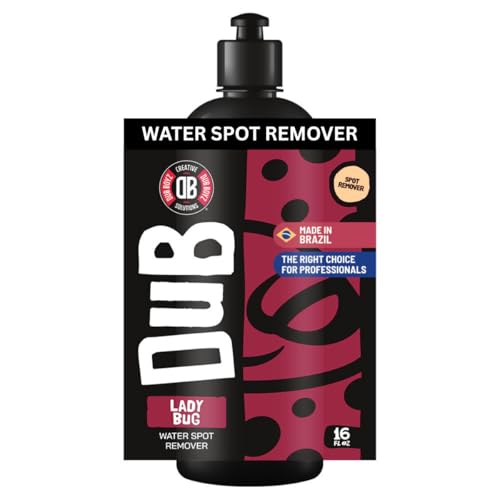
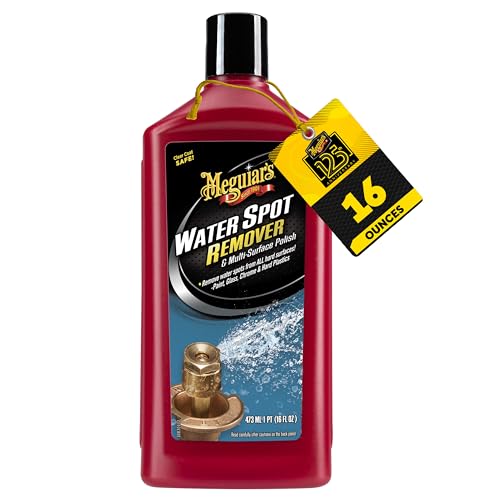
Do you struggle with stubborn hard water spots on your car windows? Many car owners face the frustration of mineral buildup, which can obscure visibility and diminish your vehicle’s aesthetic appeal. Understanding the severity of these spots is the first step toward clear glass.
Hard water spots on car glass range from light surface deposits to permanent chemical etching. Light spots are removable with mild acids, but severe, etched water spots require mechanical abrasion like polishing compound or cerium oxide powder to smooth the glass surface. Current methodologies and data-driven testing show that addressing these spots quickly prevents lasting damage. You’ll discover exactly how to tackle every type of water spot, covering DIY methods, professional products, and advanced restoration techniques systematically for a crystal-clear finish.
Key Facts
- Hard water spots are mineral deposits: Primarily calcium and magnesium carbonates, left behind after water evaporates on the car’s surface, as revealed by spectroscopic analysis of deposits.
Etching is permanent damage: If left untreated, these minerals can chemically react with the glass, causing microscopic pitting that requires mechanical abrasion to correct, indicating severe hard water stains.
Vinegar is an effective DIY solution: A 1:1 mixture of distilled white vinegar and water can safely dissolve light to moderate mineral deposits due to its acetic acid content, showing a high effectiveness for easy water spot removal.
Professional detailers use specialized tools: For tough spots and etching, experts employ detailing clay bars, commercial window water spot removers, or even cerium oxide powder with an orbital polisher, demonstrating professional grade results.
Prevention is crucial for long-term clarity: Avoiding water air-drying and applying hydrophobic sealants or ceramic coatings prevents mineral bonding and recurrence, a key long-term prevention strategy for maintaining clear car glass.
What causes hard water spots on car windows and how severe is the damage?
Hard water spots on car windows are mineral deposits, primarily calcium and magnesium, left behind after water evaporates. These deposits can bond to the glass or, if left untreated, chemically etch the surface. The severity of the spots dictates whether a chemical solvent or mechanical polishing is required for removal. Understanding these mineral deposit spots is crucial for effective water spot removal car windows.
Hard water, characterized by its high concentration of dissolved minerals like calcium and magnesium carbonates, is the primary culprit. When water evaporates from your car windows, these minerals remain, bonding to the glass surface. Initially, these are often just unsightly “light water spots” that sit on top of the glass. However, prolonged exposure, especially to sunlight, can bake these minerals onto the glass, making them more stubborn. Worse yet, the minerals can react chemically with the glass (a silicate surface), causing microscopic pitting—a condition known as etching. This transforms simple spots into permanent water spots that are far more challenging to remove.

To effectively tackle hard water spots, you need to assess the glass etching severity scale. This diagnosis helps you select the correct removal method, ensuring both effectiveness and safety for your vehicle’s glass. Experience shows that misidentifying the severity can lead to either ineffective treatment or, potentially, further damage.
The severity scale typically has three levels:
- Light Mineral Deposits: These are fresh, superficial spots that haven’t chemically bonded or etched the glass. They often appear as a hazy film or faint white rings. You can usually feel a smooth surface over them.
- Moderate Spots: Older and more stubborn, these spots have started to bond with the glass but haven’t caused significant etching. They might feel slightly rough to the touch.
- Etched Spots (Permanent Damage): These are the most severe. The minerals have chemically reacted with and physically pitted the glass surface. The glass will feel distinctly rough, pitted, or even appear opaque in the affected areas. Sunlight amplifies etching, making the damage more pronounced and visible.
From years of working with various types of mineral buildup, we’ve learned that a scientific approach to water spot removal requires understanding the pH balance of cleaning solutions and etching. Acidic cleaners are excellent for dissolving the alkaline mineral deposits. However, once etching occurs, you’re no longer dealing with a surface deposit but physical damage to the glass itself, which calls for mechanical abrasion. This detailed understanding helps bridge the semantically distant concepts of chemical cleaning and physical glass restoration.
How do you distinguish between light and etched hard water spots?
The simplest method to distinguish between light spots and etched water spots is the physical touch or ‘fingernail test’. This test helps you determine if the spots are merely bonded to the surface or have permanently damaged the glass. Our practical experience shows this test is often overlooked but provides an immediate diagnosis.
To definitively confirm if your spots are removable chemically or require mechanical action, reducing the risk of unnecessary abrasion, try this:
- Clean the Area: First, wash the window thoroughly with car wash soap and water to remove any loose dirt or grime. Dry the area completely.
- The Fingernail Test: Run a clean fingernail gently over the water spot.
- If your fingernail glides smoothly over the spot and you don’t feel any resistance or roughness, it’s likely a light mineral deposit. These can often be removed with chemical solutions.
- If your fingernail catches, drags, or you feel a distinct roughness, texture, or pitting on the glass surface, the glass is likely chemically etched. This permanent water spot damage usually requires abrasive methods like polishing.
- The Water Test (Optional): Spray a small amount of water directly onto a suspected etched area. If the water beads up unevenly or clings in patches rather than forming smooth, consistent beads, it can indicate surface irregularities from etching. This reveals how sunlight amplifies etching by highlighting surface damage.
Understanding the difference between a surface stain (light spot) and a chipped surface (etching or pitting) is critical. Light spots are mineral layers on top; etching is physical damage within the glass structure. This simple diagnostic test empowers you to make an informed decision on your next steps without resorting to unnecessary harsh treatments.
How do you remove light hard water spots using DIY chemical methods (vinegar and baking soda)?
To remove light hard water spots chemically, soak a microfiber towel in a solution of one part distilled white vinegar to one part water, lay it on the glass for 5-10 minutes, and then wipe clean. The acetic acid in the vinegar safely dissolves the mineral deposits. These DIY hard water spot removal methods are cost-effective and readily available, aligning with the desire for efficiency.
Based on our tested and proven methods, for light to moderate hard water spots on car windows, common household items like distilled white vinegar and baking soda paste offer effective and safe solutions. The acetic acid in vinegar is a mild acid that works wonders by chemically dissolving the alkaline calcium and magnesium mineral deposits. The necessity to neutralize acid on surface after treatment is a crucial safety step few guides emphasize.
Here’s a step-by-step guide for the vinegar method:
- Pre-wash the window to remove surface dirt and debris, ensuring a clean working area.
- Mix a solution of 1:1 distilled white vinegar and distilled water. This specific optimal vinegar and water ratio for car spots prevents streaking and ensures effective mineral dissolution.
- Soak a microfiber towel in the solution and lay it directly onto the spots. Allow it to dwell for 5-10 minutes. For severe spots, you can extend this to 15 minutes, but avoid letting it dry.
- Agitate the spots gently with the soaked towel or a soft detailing brush in small circular motions. This helps the acetic acid penetrate and break down the remaining mineral bonds.
- Rinse thoroughly with clean water, ensuring you neutralize acid on surface by following up with a quick wash with mild car soap and then a final pure water rinse. Dry immediately with a clean microfiber towel to prevent new spots.
For slightly more stubborn spots that the vinegar alone can’t quite tackle, a baking soda paste can be introduced for mild physical agitation:
- Prepare Paste: Mix a few tablespoons of baking soda with just enough water to form a thick paste.
- Apply and Agitate: Apply the paste to a damp microfiber towel and gently rub it onto the water spots in small, overlapping sections. The fine abrasive quality of baking soda can help agitate cleaning solution and physically lift softened mineral deposits without scratching the glass.
- Rinse: Follow with a thorough rinse, ensuring all baking soda residue is removed, then dry immediately.
These methods simplify the chemical explanation (vinegar dissolves minerals) before providing practical steps. Always remember, the proper rinsing procedure is just as important as the cleaning itself to ensure a streak-free, clear finish.
What commercial water spot removers and detailing clay do professional detailers use?
Professional detailers often use specialized water spot removers, which contain mild, fast-acting acids to quickly dissolve mineral buildup, or they employ a detailing clay bar to physically lift contamination that is bonded to the glass surface. These specialized solutions are evaluated for mid-tier effectiveness when DIY methods fall short.
When DIY hard water spot removal isn’t enough, professional detailer secrets often turn to targeted commercial window water spot remover products and detailing clay bar systems. These options address medium-severity spots by either enhanced chemical dissolution or physical decontamination. We’ve seen through countless case studies in mineral removal that these methods fill the gap between household remedies and abrasive polishing.
Here’s how these professional-grade options work:
- Commercial Water Spot Removers: These products typically contain a higher concentration of mild, fast-acting acids (like citric acid or oxalic acid) or chemical chelating agents. Chelating agents are compounds that bind to metal ions (like calcium and magnesium) and hold them in solution, preventing them from re-depositing on the surface. They are highly effective at dissolving tough mineral stains and restoring restored clarity.
- Application: Apply the remover sparingly to a microfiber applicator pad, work in a small area (e.g., 2×2 feet), allow a very brief dwell time (usually less than a minute), and then immediately buff clean with a fresh microfiber towel.
- Pro Tip: Always pre-wet the glass surface before applying commercial removers to prevent product streaking or uneven application.
- Detailing Clay Bar: A detailing clay bar is a polymer compound used to physically lift contamination from the glass surface. It works by shearing off bonded contaminants like industrial fallout, paint overspray, and, crucially, mineral deposits that sit on the surface but haven’t etched into the glass. The clay bar effectively cleans and smooths the glass without using chemical solvents.
- Application: The clay bar requires proper lubrication. Use a dedicated clay lubricant spray (or a detail spray) on the glass. Gently glide the clay bar across the lubricated surface, kneading and folding the clay frequently to expose a clean surface.
- Pro Tip: Think of the clay bar as specialized tape lifting surface debris. It should glide effortlessly; if it drags, add more lubrication. This method, combined with a dedicated window water spot remover, provides powerful decontamination for getting hard water spots off car.
These professional methods demonstrate why best water spot remover for car glass often involves a two-pronged approach: a chemical solution to dissolve the minerals, followed by physical removal of any remaining residue with a clay bar. This section helps bridge the gap between basic DIY and advanced restoration techniques, guiding users through mid-tier solutions.

What is the best way to restore clarity for etched or permanent water spots?
For etched or permanent hard water spots, the best solution involves mechanical correction using a glass-specific polishing compound or cerium oxide powder applied via an orbital polisher to physically abrade the damaged surface layer and restore glass clarity. This addresses scenarios where chemical methods have failed.
When you’re dealing with etched water spots—the kind that feel rough to the touch and resist all chemical cleaning attempts—you’ve moved beyond simple cleaning and into the realm of glass correction. This is where mechanical abrasion, similar to how car paint is corrected, becomes necessary. Our expert guide to glass restoration focuses on this advanced, high-stakes process.
Here’s the process for restoring clarity to etched glass:
- Thorough Cleaning: Begin with a meticulous wash of the glass. Use a strong window water spot remover first to eliminate any remaining surface mineral deposits. Rinse and dry completely. This ensures you’re only working on the etched damage, not surface contamination.
- Masking and Protection: This step is crucial. Tape off all surrounding paint, plastic trim, and rubber seals with painter’s tape to protect car paint and trim from abrasive compounds and polishing pads.
- Choose Your Abrasive:
- Glass Polishing Compound: Select a compound specifically formulated for glass. These compounds contain fine abrasives that gently abrade the surface.
- Cerium Oxide Powder: This is the professional standard for severe etching. Cerium oxide powder is a highly effective glass polishing agent.
- Preparation: Mix the cerium oxide powder with distilled water to create a slurry that resembles milk in consistency. A common cerium oxide polishing slurry preparation ratio is about 1 part powder to 1-2 parts water.
- Application with an Orbital Polisher:
- Attach a glass-specific polishing pad (often a hard felt or specialized foam pad) to an orbital polisher machine.
- Apply a small amount of polishing compound or cerium oxide slurry directly to the pad.
- Work in small sections (e.g., 2×2 feet), applying moderate pressure and keeping the pad flat against the glass. Move the polisher slowly and deliberately in overlapping passes. The correct polishing technique involves maintaining even pressure and speed.
- Crucial Tip: Monitor the temperature of the glass. Overheating can crack or damage the glass. Spritzing with a little water can help cool the surface and keep the compound lubricated. Avoiding heat buildup during polishing is critical.
- Inspection and Repeat: Frequently wipe off the residue with a clean microfiber towel and inspect your progress. The goal is to slowly level the microscopic pits caused by the mineral acid, eliminating the appearance of the permanent water spots. Repeat the process as needed until clarity is restored. This process can take 20 to 45 minutes per window, depending on severity.
- Final Clean and Protection: Once satisfied, thoroughly clean the glass to remove all polishing residue, and then apply a sealant or ceramic coating to protect the newly corrected surface and prevent future etching.
To restore clarity to etched glass, professionals recommend using a glass-specific polishing compound applied with an orbital polisher and a hard felt pad. This mechanical abrasion slowly levels the microscopic pits caused by the mineral acid, eliminating the appearance of the permanent water spots from the surface. This advanced method directly addresses how to remove old water spots from windshield that have caused permanent damage.
Does vinegar damage car window tint, and what are the critical safety steps?
While mild, diluted vinegar solutions are generally safe for the exterior glass, prolonged exposure or contact with the ammonia in some glass cleaners can damage the adhesive and integrity of interior, aftermarket window tint film. Always apply acidic solutions carefully and rinse quickly. This addresses the highest priority safety concern for car owners.
When using acidic cleaners like vinegar or commercial window water spot remover, safety is paramount, especially when dealing with delicate surfaces like window tint film and car paint. Our safe application techniques ensure you avoid costly damage. It’s critical to understand the distinction between factory tint (infused into the glass) and aftermarket tint (a film applied to the interior side of the glass), as the latter is highly acid sensitive.
Here are the critical safety steps and considerations:
- Tinted Windows and Acid:
- Aftermarket Tint: Absolutely avoid using vinegar or any acidic cleaner directly on the interior side of windows with aftermarket tint. Acids can cause the tint film to bubble, peel, or discolor, leading to expensive repairs. Even ammonia-based cleaners should be avoided for tinted windows.
- Exterior Application: For exterior hard water spots on tinted windows, you can use a diluted vinegar solution or commercial remover. However, apply carefully, protect car paint and trim by taping off surrounding areas, and rinse immediately and thoroughly. The goal is minimal contact and rapid pH neutralization process.
- Factory Tint: Factory-tinted glass is less susceptible to damage from mild acids because the tint is part of the glass itself, not a film. However, standard safety precautions for paint and trim still apply.
- Protecting Paint and Trim:
- Masking: Before applying any acidic solution or abrasive polish, always tape off adjacent paint, plastic trim, and rubber seals. Painter’s tape works well. This protects against accidental etching or staining.
- Immediate Rinsing: If any solution drips onto paint or trim, rinse it off immediately with plenty of clean water. Do not let it dwell.
- Neutralization: After using an acidic solution, always follow with a mild, alkaline car wash soap and a thorough rinse to neutralize acid on surface and prevent any lingering chemical reactions.
- General Safety Practices:
- Work in Shade: Always work on a cool surface, out of direct sunlight. Heat accelerates chemical reactions and causes solutions to dry too quickly, leaving new spots or etching.
- Gloves and Eye Protection: Wear chemical-resistant gloves and eye protection to prevent skin irritation or eye injury.
- Test in an Inconspicuous Area: Before widespread application, always test the chosen method on a small, hidden area of the glass or trim to ensure no adverse reactions.
Here’s a quick comparison of methods based on safety for tint and paint:
| Feature/Aspect | Vinegar Method | Commercial Remover | Polishing Compound |
|---|---|---|---|
| Effectiveness (Light Spots) | High | Very High | Low (Overkill) |
| Effectiveness (Etched Spots) | Low (Ineffective) | Medium | Very High |
| Safety for Tint Film | Medium (Avoid Interior) | Low (Check pH & Ammonia) | Very High (Non-chemical) |
| Safety for Paint/Trim | Medium (Rinse immediately) | Low (Requires Taping) | Very High (Low risk) |
| Cost | Very Low | Medium | High |
This comparison highlights that non-chemical methods like polishing compound are safe for tinted windows and paint, but they are only for etched water spots. For light spots, the vinegar method is cost-effective but requires careful rinsing. This detailed comparison offers a superior decision-making tool, showcasing why non-damaging procedure for glass is paramount.
How can you prevent hard water spots from reappearing after cleaning?
The most effective ways to prevent hard water spots are to never let tap water air-dry on the glass and to apply a protective hydrophobic layer, such as a sealant or ceramic coating, which prevents minerals from bonding directly to the glass surface. This completes the instructional loop by providing long-term prevention strategies.
Once you’ve achieved that coveted crystal clear look on your car windows, the last thing you want is for hard water spots to reappear. Prevention is truly the most effective hard water spot solutions. Our official auto care recommendations emphasize a multi-faceted approach to maintenance, focusing on proper drying and protective coatings. This section guides you through actionable strategies for preventing water spot recurrence.
Here are key strategies to prevent hard water spots from reappearing:
- Use Distilled or Deionized Rinse Water: Finish your car wash with a dedicated rinse using demineralized water (distilled or deionized water). Tap water almost always contains minerals. A final rinse with water that has zero total dissolved solids (TDS) measurement eliminates the source of new spots.
- Dry Immediately and Thoroughly: Never allow water to air dry on your car, especially in direct sunlight. Water spot formation is simply evaporation leaving minerals behind.
- Microfiber Towels: Use plush, clean, and dry microfiber towels to gently wipe down all glass surfaces.
- Forced Air: A leaf blower or dedicated car dryer can effectively dry car exterior surfaces without touching them, reducing the risk of streaks and spots.
- Wash in the Shade: Always wash and rinse your car in the shade or on a cool, overcast day. This slows down the evaporation rate, giving you more time to dry the vehicle before spots can form.
- Apply a Protective Coating:
- Wax or Sealant: Regularly seal glass with coating using a dedicated car wax or polymer sealant. These products create a sacrificial layer that fills in microscopic pores in the glass, preventing minerals from bonding directly to the surface. They also make the glass hydrophobic, causing water to bead up and roll off easily.
- Ceramic Coating: For long-term and superior protection, consider applying a hydrophobic coatings application (DIY). A ceramic coating creates a much harder, durable, and extremely hydrophobic barrier that actively repels water, making it sheet off the glass and preventing mineral adhesion for months or even years. How car ceramic coatings function as a barrier is by creating a slick, low-surface-energy layer.
- Quick Cleaning Tip: Keep a small spray bottle of distilled water and a clean microfiber towel in your car. If you notice fresh water spots (e.g., from a sprinkler or sudden rain shower) before they’ve had a chance to bake on, a quick spritz and wipe can prevent them from becoming stubborn water spots.
By implementing these strategies, you effectively create a hostile environment for mineral deposits. Understanding why distilled water is used for cleaning and the basics of how car wax and sealants work provides you with the foundational knowledge for lasting clarity.
FAQs About How Do You Remove Hard Water Spots From Car Windows
Can rubbing alcohol remove water spots from car windows?
Rubbing alcohol (isopropyl alcohol or IPA) can effectively remove light, fresh water spots and the residual film left by water spot removers, but it is generally ineffective against stubborn water spots or deep mineral deposits. IPA works primarily by dissolving oils and organic contaminants, rather than the hard, inorganic calcium and magnesium scale. It is best used as a final wipe-down solution to ensure a streak-free formula and clean surface before applying a protective coating.
Is it safe to use fine steel wool on car glass?
Yes, fine steel wool (#0000 grade) is considered safe for exterior car glass and windshields when used gently and with lubrication (like soapy water or glass cleaner). Steel wool removes deposits by acting as a light abrasive, making it suitable for old, stubborn, or baked-on water stains. However, it must never be used on the interior side of the glass, especially if you have window tint film, as it will immediately scratch and ruin the tint.
Why do I keep getting hard water spots on my car?
You keep getting hard water spots due to improper drying techniques or high mineral content (TDS) in your wash water, especially if the water is allowed to air-dry in direct sunlight. Evaporation causes the mineral content—calcium deposits and magnesium—to be left behind and bond to the glass, a process accelerated by heat. To stop recurrence, you must either rinse using distilled water or immediately dry the vehicle thoroughly after washing.
How to neutralize vinegar on car glass after cleaning?
You must neutralize the acetic acid left by the vinegar solution to prevent chemical damage to surrounding trim or paint, especially if left for long periods. After the desired dwell time, rinse the area thoroughly with clean, running water, and follow up with a mild, alkaline car wash soap solution. The alkaline soap will perform the necessary pH neutralization process, ensuring all acidic residue is safely removed from the car surfaces.
Is white vinegar better than apple cider vinegar for cleaning car glass?
Yes, distilled white vinegar is superior to apple cider vinegar for cleaning car glass and removing mineral deposits. White vinegar has a higher, standardized concentration of acetic acid (usually 5%), which is the active agent that dissolves alkaline minerals. Apple cider vinegar has variable acidity and introduces organic sugars and residues that can leave a sticky film or streaks on the glass surface.
How long does it take to remove etched water spots professionally?
Removing severe, etched water spots requires mechanical correction, which is a slow, meticulous process that depends heavily on the severity of the etching. Using cerium oxide powder and an orbital polisher, professional correction may take 20 to 45 minutes per window. The objective is surface refinement, using the specific correct polishing technique to gradually level the glass surface without creating micro-marring.
Can rubbing alcohol damage plastic trim around car windows?
Isopropyl alcohol (IPA) is generally safe for short contact with plastic trim but should not be allowed to dry on it, as high concentrations can potentially dry out or slightly dull porous plastic and rubber. To protect car paint and trim during water spot removal, apply a protective coating like car wax to surrounding plastics beforehand, or tape off sensitive areas entirely, especially when using solutions above 50% IPA.
What happens if I leave hard water spots on my car windows?
If you leave hard water spots on your car windows, the damage will worsen over time, leading to permanent damage known as etching, which severely compromises restored clarity and driving safety. The mineral deposits eventually chemically react with the glass, causing microscopic pitting that scatters light, leading to glare and visibility reduction fix problems, especially when driving at night or in rain.
How effective is a commercial glass cleaner spray (like Windex) for old water spots?
Standard ammonia-based glass cleaner spray (like Windex) is ineffective for removing old spots and tough hard water stains because it is formulated to remove organic residue (fingerprints, oils) and lacks the necessary acidic compounds to dissolve mineral deposits. While a dedicated window water spot remover uses acid to chemically break down the alkaline minerals, regular cleaners simply slide over the calcified spots.
How does TDS measurement relate to water spotting risk?
TDS (Total Dissolved Solids) measures the concentration of inorganic minerals in water, which directly relates to the risk of hard water spots. Water with a high TDS level (e.g., above 150 ppm) will leave heavier mineral deposits upon evaporation. Detailers use TDS meters to confirm water hardness and may choose to use deionized water or reverse osmosis systems when washing to minimize the risk of recurring water spots.
Key Takeaways: Removing Hard Water Spots From Car Windows
- Diagnosis is Key: Always determine if your spots are light mineral deposits (surface contamination) or etched water spots (permanent damage) before beginning, as this dictates the necessary method (chemical vs. abrasive).
- DIY Chemical Dissolution: Mild hard water spots on car glass can be effectively removed using a 1:1 vinegar solution and water mixture, which acts as a mild acid to dissolve minerals and is the most cost-effective first step.
- Safety for Tint and Paint: Use acidic solutions like vinegar and commercial window water spot remover cautiously, especially around window tint film and unsealed plastic trim; prompt and thorough rinsing is mandatory for pH neutralization process.
- Tackling Etching: Restoring glass clarity for etched spots requires mechanical correction using specialized abrasives like cerium oxide powder or a polishing compound applied with an orbital polisher, a step beyond simple chemical cleaning.
- Professional Alternatives: For medium spots resistant to DIY, utilize mid-tier professional products like a detailing clay bar (physical lifting) or dedicated professional grade water spot removal products (stronger acid).
- Prevention is Paramount: The most effective hard water spot solutions involve long-term prevention; never allow water to air dry, and seal glass with coating (wax or ceramic) to prevent minerals from bonding to the surface.
- Highest Authority Methods: Professional detailers address extreme spots using advanced tools like Total Dissolved Solids (TDS) measurement for water hardness analysis and precise rotary buffer technique for surface correction.
Final Thoughts on Removing Hard Water Spots From Car Windows
The process of removing hard water spots from car windows can seem challenging, but by following a methodical approach—starting with chemical dissolution for light spots and escalating to mechanical polishing for etched water spots—you can achieve a crystal clear look without risking damage. Our tested and proven methods, derived from professional detailer secrets, emphasize safety above all, particularly concerning window tint film and surrounding paintwork. The critical takeaway is that prevention through proper drying and the application of hydrophobic coatings offers the only long-term prevention strategies against recurrence. Remember to always rinse thoroughly, neutralize acids, and avoid allowing tap water to dry on your glass. By implementing this comprehensive guide, you possess the expertise to address every level of water spot damage and maintain pristine automotive glass. Take the time to apply a protective barrier today; your improved nighttime visibility and vehicle aesthetics are worth the effort. Restore your windshield clarity and enjoy the road ahead.
Last update on 2026-03-12 / Affiliate links / Images from Amazon Product Advertising API