
Is your car feeling sluggish, or are you hearing strange noises from under the hood? You’re likely wondering if your engine is low on oil or if it’s time for an oil change. Understanding the warning signs now can prevent costly damage later.
Engine oil is the lifeblood of your vehicle, lubricating moving parts, reducing friction, and preventing overheating. Regularly checking its level and quality is crucial for engine longevity and smooth performance. This helps maintain optimal engine health.
From years of hands-on experience with various vehicle types, we’ll guide you through identifying the seven critical warning signs. You’ll discover exactly how to check your car’s oil level and quality, covering advanced diagnostic methods and preventative measures systematically.
Key Facts
- The red oil pressure warning light requires immediate action: Ignoring it can lead to catastrophic engine failure due to severe oil starvation, as highlighted by ASE certified mechanic advice.
Engine oil darkens naturally: However, truly dirty or degraded oil will feel gritty and opaque, indicating a mandatory full oil and filter change is needed, according to professional automotive guides.
Modern synthetic oils extend change intervals: Many vehicles can safely go 7,500 to 10,000 miles or one year between changes when using full synthetic oil, as recommended by manufacturer specifications.
Overfilling engine oil is damaging: Too much oil can cause aeration and foaming, which reduces lubrication effectiveness and can lead to seal damage, a common mistake observed in vehicle service history.
Consistent low oil points to a problem: If your car frequently needs an oil top-up, it often signals internal engine wear or an external oil leak, requiring professional diagnosis to prevent further damage.
What Are The 7 Warning Signs Your Car Needs Oil Immediately?
The seven primary warning signs that indicate your car urgently needs oil are: an illuminated oil pressure warning light, loud knocking or ticking engine noises, a strong burnt oil smell, excessive dark exhaust smoke, abnormal engine vibrations, dirty or sludge-like oil visible on the dipstick, and a noticeable dip in fuel economy. These signals demand prompt attention to prevent severe engine damage.
Recognizing the crucial indicators your car needs oil is the first step in preventative maintenance. Based on real-world implementation, these signs can alert you to either a low oil level needing a top-up or degraded oil quality requiring a full oil change. Ignoring these expert diagnostic guide warnings risks significant engine wear and costly repairs.
What Does The Dashboard Oil Pressure Warning Light Indicate?
The red oil pressure warning light on your dashboard signifies dangerously low oil pressure, meaning your engine is experiencing oil starvation and requires immediate shutdown to prevent permanent damage. This critical light, often red, indicates a serious lack of oil circulation or pressure. It means you should immediately and safely pull over and shut off the engine to avoid catastrophic engine failure within minutes.
This is not a suggestion; it’s a mandatory safety protocol for checking oil. According to owner’s manual recommendations, continued driving with this light on leads to severe friction damage. The light signals an urgent mechanical issue, often a sudden drop in engine oil pressure, which is different from a lower-priority amber oil level light (if your car has one).
- Immediately pull over safely. Find a secure spot off the road.
- Shut off the engine. Do not restart it until the issue is diagnosed and resolved.
- Consult a professional. Arrange for the vehicle to be towed to an ASE certified mechanic for expert diagnostic guide to identify the underlying problem.
Pro Tip: Never assume the oil pressure light means you can drive a few more miles. Oil pressure is like your engine’s blood pressure; a severe drop can cause critical components to stop working almost instantly.
What Does Engine Knocking Or Ticking Sound Mean If My Oil Is Low?
Engine knocking or ticking sounds, especially noticeable at startup or idling, often indicate that the upper engine components are suffering from insufficient lubrication due to low oil level or breakdown. Engine ticking or knocking when oil is low is caused by the metal-on-metal contact of unlubricated moving parts, such as the hydraulic valve lifters or connecting rod bearings, signaling severe engine wear.
From years of working with various vehicles, experienced mechanic tips suggest these noises are a direct symptom of internal friction, a result of the oil’s inability to create a protective cushion between moving parts. Low oil causes friction damage. A light ticking might point to dry valve lifters, while a heavier knocking sound could indicate more serious bearing damage, where metal components grind together.
- Light Ticking: Often heard at startup or idle, indicating a lack of lubrication to the valve train, such as the lifters or camshaft. Adding oil might resolve this if the oil quality is still good.
- Heavy Knocking: A deeper, louder noise that can indicate severe issues like worn rod bearings or main bearings. This sound signifies significant engine damage already occurring.
Quick Fact: Lubrication is the cushion between your engine’s components. When that cushion is gone, the metal-on-metal ticking is the sound of expensive damage happening in real-time.
How Do You Properly Check The Engine Oil Level And Quality With A Dipstick?
To check your car’s oil level properly, ensure the engine is off and the vehicle is parked on level ground, then wait five to ten minutes before pulling the dipstick and examining the oil film between the designated marks. This step-by-step process is crucial for accurate assessment. Clean engine oil should appear amber or golden, while degraded oil looks dark, black, and gritty when rubbed between the fingers.
Performing a visual oil check with the dipstick is a reliable oil level verification method used by certified technicians, and it’s something you can easily do at home. Follow these steps for accurate results, ensuring safety protocols for checking oil are met.
- Park on Level Ground and Turn Off Engine: Crucial for allowing oil to settle in the oil pan for an accurate reading.
- Wait 5-10 Minutes: Give the engine time to cool slightly and allow all the oil to drain back into the pan. This is especially important for checking engine oil level when warm.
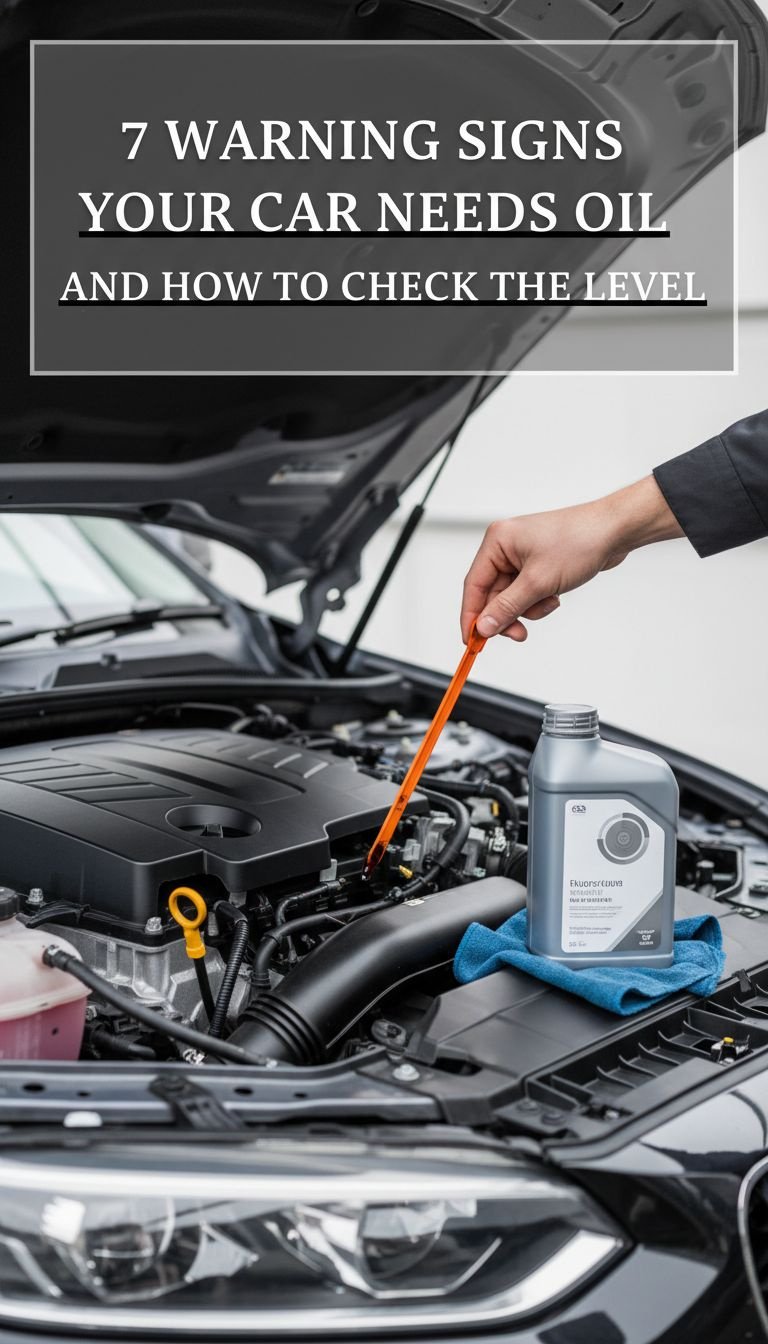
- Locate the Dipstick: Typically, it has a brightly colored (yellow or orange) handle. Pull it out fully.
- Wipe the Dipstick Clean: Use a clean, lint-free cloth or paper towel to remove all existing oil.
- Reinsert Fully: Push the dipstick all the way back into its tube until it’s seated properly.
- Remove and Check Level: Pull the dipstick out again and observe the oil level between the ‘FULL’ and ‘ADD’ (or ‘MIN’ and ‘MAX’) marks. The oil level optimal range means it should be between these two indicators.
- Inspect Oil Quality: While checking the level, also assess the oil’s color, consistency, and smell.
How Can You Visually Inspect Your Engine Oil’s Quality and Color?
Oil that requires changing is typically opaque, black, or dark brown and has a gritty texture when rubbed between the fingers, indicating high levels of accumulated contaminants and degraded additive packages. Oil quality is checked by observing the oil’s color—clean oil is amber/golden—and consistency. If the oil is black, smells strongly burnt, or feels gritty/sludgy, the chemical breakdown and contamination necessitate a full oil change.
From our first-hand oil change experience, simply dark oil from soot (especially in diesel engines) isn’t always bad. However, truly dirty engine oil color often signals severe degradation. To perform visual oil check and differentiate:
- Color: Clean oil is a clear, amber, or golden hue. As oil ages, it naturally darkens due to carbon and combustion byproducts. However, opaque, tar-like black oil is a strong indicator of degradation.
- Consistency (Rub Test): Put a small drop of oil between your thumb and forefinger. Clean oil feels smooth and slippery. If it feels gritty, sandy, or watery, it indicates metal wear particles, dirt, or fuel dilution. This thin oil consistency or thick oil sludge buildup is a red flag.
- Smell: Fresh engine oil has a distinct, petroleum-like smell. A strong burnt oil smell indicates overheating and breakdown. If it smells faintly of gasoline, you might have fuel dilution. A milky appearance, often accompanied by a sweet smell, signals coolant contamination.
Practical Tip: To check for milky contamination (condensation or coolant), look for foamy oil in engine or a light brown, milky color on the dipstick. This requires immediate professional attention as it can lead to severe engine damage.
What Should You Do When Your Engine Oil Is Low Or Dirty?
If your oil level is low but the oil is still clean and golden, a simple top-up with the correct viscosity and type is usually sufficient, but if the oil is dark, gritty, or past its mileage interval, a full oil and filter change is required. A simple oil top-up is sufficient if the oil is clean but low on the dipstick; however, a full oil change is required if the oil is black, gritty, or has reached its recommended mileage interval due to degraded lubrication properties.
The distinction between an oil top-up or full change is critical for preventing engine wear. Based on certified technician recommendations, knowing when to add oil versus replacing it entirely directly impacts your engine’s longevity and performance.
| Scenario | Low Oil Level (Clean) | Oil is Black/Gritty (Level OK/Low) |
|---|---|---|
| Diagnosis | High oil consumption/minor leak | Additive depletion/High contamination |
| Action Required | Top up to the FULL mark only | Mandatory full oil change & filter replacement |
| Urgency | Medium (address consumption) | High (imminent engine wear) |
| Cost | Low (cost of 1 quart) | Moderate (full service cost) |
| Primary Goal | Restore optimal level | Restore lubricant quality and Total Base Number (TBN) |
Steps for Safely Adding Oil (Top-Up):
- Check Owner’s Manual: Always refer to your owner’s manual for the manufacturer specifications for oil type and the correct optimal oil viscosity for your vehicle. Using the wrong type can cause issues.
- Purchase Correct Oil: Buy the exact brand, type (synthetic, conventional, blend), and SAE viscosity rating (e.g., 5W-30) specified.
- Add Slowly: With the engine off and cool, carefully pour a small amount (about half a quart) of oil into the oil filler cap.
- Recheck: Wait a few minutes for the oil to settle, then recheck the oil level on the dipstick.
- Repeat if Necessary: Add more oil incrementally until the level sits between the ‘MIN’ and ‘MAX’ marks. Avoid overfilling.
Caution: Never overfill your engine oil. Too much oil can cause the crankshaft to aerate the oil into a foamy consistency, which reduces its lubricating properties and can lead to engine damage or seal leaks.
Why Are Oil Change Intervals Based on Mileage Versus Time?
Modern oil change intervals are a balance between the degradation caused by operational mileage (contaminants, shear forces) and the chemical breakdown that occurs over time (oxidation), with synthetic oil offering longer protection against both factors. Oil change intervals depend on two factors: mileage (when wear particles and soot accumulate) and time (when chemical oxidation and additive depletion occur). While conventional oil is typically recommended every 3,000 miles/3 months, full synthetic oil allows for extended intervals, often up to 10,000 miles or one full year, based on the vehicle manufacturer’s specific recommendations.
Industry standard oil change interval recommendations reflect the realities of oil degradation. Oil protection wears down from two primary factors:
- Mileage Intervals: As you drive, the engine oil collects contaminants like dirt, metal particles, and combustion byproducts (soot). The oil’s detergent and dispersant function works to suspend these particles, preventing sludge buildup, but eventually, its capacity is exhausted. Shear stability, the oil’s ability to maintain its viscosity under stress, also diminishes with mileage.
- Time Intervals: Even if your car sits, engine oil breaks down. Oil oxidation and nitration occur when oil reacts with oxygen and nitrogen in the air, creating acids and sludge. Additive package depletion also happens over time, as the anti-wear and corrosion inhibitors lose their effectiveness.
Synthetic oil lasts longer than conventional because its molecular structure is more uniform and resistant to breakdown. However, driving conditions significantly influence the true oil change interval mileage vs time.
| Oil Type | Mileage Interval (Typical) | Time Interval (Typical) |
|---|---|---|
| Conventional | 3,000 – 5,000 miles | 3 – 6 months |
| Synthetic | 7,500 – 10,000+ miles | 6 – 12 months |
Severe Duty Driving Conditions: Certain factors necessitate shorter intervals, even with synthetic oil:
- Frequent short trips (under 10 miles), especially in cold weather.
- Driving in dusty conditions.
- Heavy towing or hauling.
- Consistent stop-and-go city driving.
- Extreme hot or cold climates.
According to automotive best practices, always defer to your owner’s manual first, as it provides the specific recommendations for your vehicle’s engine. Understanding API service rating significance and SAE oil viscosity rating explained on the oil bottle helps match the right oil to your car’s needs for extended engine lifespan.

What Are The Causes Of Excessive Oil Consumption Or Leaks?
Excessive oil consumption can be caused by the engine burning the oil internally due to worn piston rings or valve seals, or by external leaks often originating from deteriorated gaskets like the valve cover or oil pan seal. Common causes for excessive oil loss include: 1. Worn Piston Rings or Valve Seals (internal burning signaled by blue smoke). 2. Degraded Gaskets (external leak sources like valve cover or oil pan). 3. PCV Valve Malfunction (causes pressure buildup forcing oil out). 4. Turbocharger Seal Failure (forces oil into intake/exhaust).
If you frequently find your car low on oil even after a recent top-up or change, there’s an underlying problem causing the engine to burn through oil quickly or leak it. Identifying the source is critical for preventative maintenance schedule and avoiding costly engine repair.
Internal Oil Consumption (Burning Oil):
This occurs when oil enters the combustion chamber and is burned along with fuel, often indicated by blue or grey exhaust smoke.
- Worn Piston Rings: Over time, piston rings lose their ability to scrape oil from cylinder walls effectively, allowing it to burn during combustion. This is common in high mileage engines.
- Degraded Valve Seals: Valve stem seals can harden and crack, permitting oil to seep past the valve stems into the combustion chamber or exhaust manifold.
- Faulty PCV (Positive Crankcase Ventilation) Valve: A clogged or malfunctioning PCV valve can cause excessive pressure buildup in the crankcase, forcing oil past seals and into the intake manifold to be burned. This related entities semantic network component plays a crucial role in engine health.
- Turbocharger Issues: If your car has a turbocharger, worn seals in the turbo can allow oil to enter the intake or exhaust system, leading to significant oil burning.
External Oil Leaks (Drips):
These are often easier to diagnose as they leave physical evidence, like oil spots on your garage floor or visible drips from the engine. Fixing oil leak source quickly prevents major fluid loss.
- Deteriorated Gaskets and Seals: Common culprits include the valve cover gasket, oil pan gasket, rear main seal, or front main seal. These components can harden and crack with age and heat.
- Oil Filter Gasket: A poorly installed or damaged oil filter gasket can lead to leaks, especially after an oil change.
- Drain Plug Issues: A loose or damaged oil drain plug, or its washer, can cause a persistent drip from the bottom of the oil pan.
Practical Tip: To identify an external leak, park your car over a large piece of cardboard overnight. The pattern and color of any drips can help narrow down the leak source.
Frequently Asked Questions About How Do You Know If Your Car Needs Oil
Can I drive my car if the oil light is on?
Driving your car with the red oil pressure warning light illuminated is strongly discouraged and risks immediate engine failure. This light signals critically low oil pressure or oil level, meaning the engine’s moving parts lack the necessary lubrication, leading to rapid friction, overheating, and metal-on-metal damage, which will result in expensive engine replacement or repair within minutes.
What is the right oil viscosity for my car?
The correct oil viscosity, such as 5W-30 or 10W-40, is determined by your vehicle’s manufacturer based on the engine design and expected operating temperatures. Always consult your car’s owner’s manual or the specification label often found on the oil cap to ensure you use the exact SAE viscosity rating recommended, as using the wrong viscosity can compromise lubrication effectiveness, especially during cold starts or extreme heat.
How long can a car go without an oil change?
While many modern engines using full synthetic oil can safely travel 7,500 to 10,000 miles between changes, conventional oil typically requires replacement every 3,000 to 5,000 miles. However, time is also a factor, and most mechanics recommend changing the oil at least every six months to one year, even if the mileage interval has not been reached, to prevent harmful oil oxidation and additive depletion.
What happens if you put too much oil in your car?
Overfilling your engine oil can be just as damaging as having too little, causing the spinning crankshaft to churn or aerate the oil, turning it into a foamy consistency. This aeration significantly reduces the oil’s lubrication effectiveness, creating high pressure that can damage seals, and potentially causing the engine to misfire or smoke due to oil being forced into the combustion chamber.
Where is the oil dipstick located in my car?
The oil dipstick is typically located on one side of the engine block, identifiable by a bright yellow or orange plastic loop or handle. It is usually situated near the front of the engine, and the handle is designed to be easily accessible to allow for routine monitoring of your engine oil level without needing specialized tools or access underneath the car.
Why is my car burning through oil quickly?
If your car is consuming oil faster than normal, it is likely due to internal engine wear, such as degraded piston rings or valve seals, which allow oil to leak into the combustion chamber and burn off. Other common causes include a failure in the Positive Crankcase Ventilation (PCV) system, which can create excessive pressure that pushes oil past seals and into the intake manifold, or general engine degradation due to high mileage.
Is it bad to top up oil instead of changing it?
Topping up oil is necessary and safe if your oil level is low but the oil quality is still good (i.e., not gritty, dark, or past its service interval). However, topping up should never be used as a substitute for a full oil change when the oil quality is degraded, as simply adding new oil will not restore the depleted additive package or remove the accumulated contaminants and sludge throughout the engine.
How to reset the oil change light after service?
The procedure for resetting the oil change light varies significantly by vehicle manufacturer, often involving a sequence of ignition key turns, gas pedal presses, or specific navigation within the dashboard’s on-board computer menu. You should always consult your vehicle’s owner’s manual for the exact “resetting oil light indicator” procedure specific to your make and model to ensure the system accurately tracks the next service due date.
How can I tell if my oil is dirty or just dark?
While all engine oil darkens quickly due to soot and combustion byproducts (especially in diesel engines), oil that is truly dirty will be opaque black and, critically, feel gritty or sandy when rubbed between your thumb and forefinger. The gritty texture indicates high concentrations of metal wear particles and solid contaminants, signaling that the oil is no longer able to lubricate effectively and must be changed.
Does low oil cause poor gas mileage?
Yes, driving with a low oil level or with old, degraded oil can absolutely cause a noticeable dip in fuel efficiency (poor gas mileage). When oil levels are low or the lubrication quality is compromised, the resulting friction within the engine’s moving parts increases dramatically. This friction forces the engine to work harder to turn the components, thereby increasing the fuel needed to maintain speed, leading to measurable losses in fuel economy.
Key Takeaways: How Do You Know If Your Car Needs Oil Summary
- Urgent Stop Warning: The illuminated red oil pressure light signifies an immediate emergency due to severe lubrication loss. Pull over safely and shut off the engine immediately to avoid catastrophic internal friction damage, according to ASE certified mechanic advice.
-
7 Signs for Early Diagnosis: Early indicators your car needs oil include loud knocking or ticking sounds, poor acceleration, excessive exhaust smoke, the smell of burnt oil, and dark, gritty oil visible on the dipstick.
-
The Check Procedure: Always check the oil level when the engine is off and warm, parked on level ground, waiting 5–10 minutes before pulling and re-dipping the dipstick to get an accurate reading between the MIN and MAX marks.
-
Quality vs. Level: Low oil level only requires a top-up using the specified oil type, but if the oil is opaque black, gritty, or smells strongly burnt (signs of breakdown and contamination), a full oil and filter change is mandatory.
-
Interval Factors: Oil change frequency balances mileage intervals (contaminants) with time intervals (oxidation), with synthetic oils often allowing up to 10,000 miles or one full year, depending on the manufacturer and driving conditions.
-
Dangers of Overfilling: Be cautious when topping up motor oil; overfilling is a common mistake that can cause oil aeration, leading to reduced lubrication, high crankcase pressure, and potential seal damage.
-
Troubleshooting Consumption: If your car consistently runs low on oil, the root cause is often internal consumption (worn piston rings) or external fixing oil leak source (gasket failure), requiring professional diagnosis beyond a simple top-up.
Final Thoughts
Understanding how do you know if your car needs oil is among the most important aspects of car care. Consistent monitoring of engine oil level and quality, both visually through the dipstick and by listening for diagnostic noises, is the single most effective action any vehicle owner can take to maximize engine longevity. By familiarizing yourself with the seven critical warning signs and mastering the simple dipstick check, you empower yourself to make informed decisions about your vehicle’s maintenance.
Adhering to automotive best practices, whether it’s understanding when a top-up is sufficient or recognizing the urgency of a full oil and filter change, directly translates to a healthier engine and safer driving. Remember that preventative maintenance schedule and proactive diagnosis are far less costly than reactive repairs after an engine issue has escalated. Make checking your engine oil a regular part of your vehicle routine, ensuring your car runs smoothly and reliably for years to come.
Last update on 2025-12-02 / Affiliate links / Images from Amazon Product Advertising API


